UK's FM Conway and National Highways pioneer low-carbon construction scheme on M4
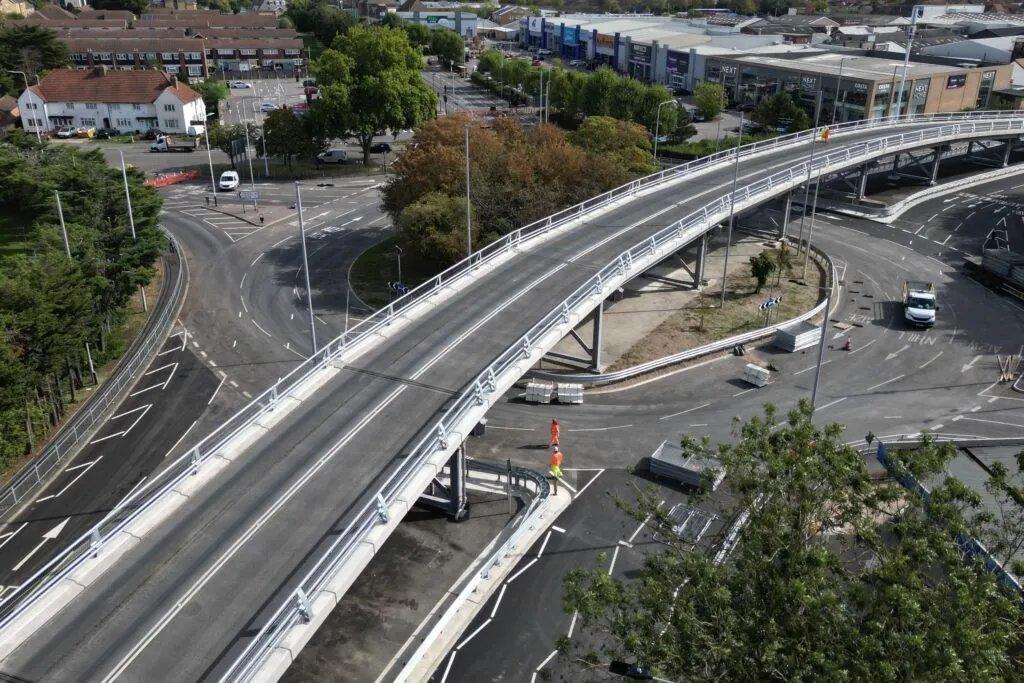
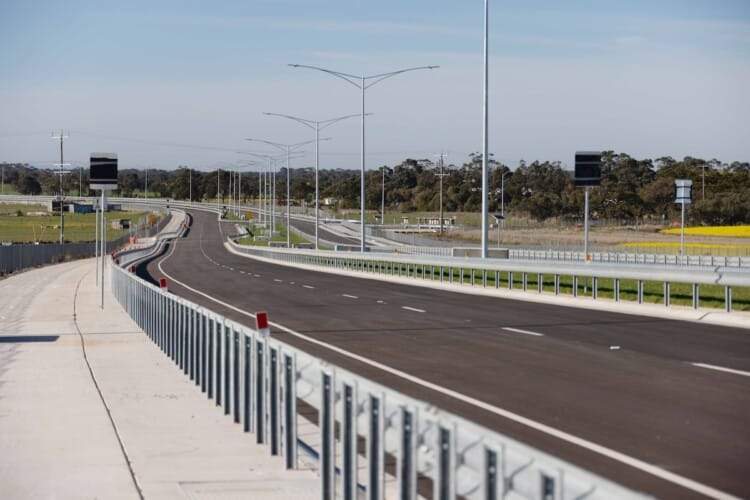
en.Wedoany.com Reported - FM Conway, in partnership with National Highways, has implemented a "pioneering low-carbon scheme" in a carriageway resurfacing project between junctions 15 and 16 of the M4 motorway in the UK. The project innovatively uses hydrogen and electric equipment, with JCB's hydrogen-powered 3CX backhoe loader being deployed for the first time on a project of this scale.
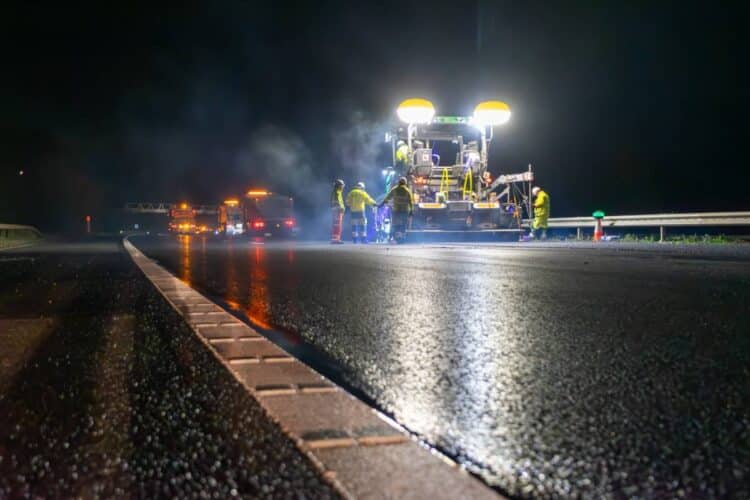
In addition to the JCB hydrogen-powered backhoe loader, the construction site is also equipped with a Sany electric milling machine and a 4.5-tonne roller, transported by a Volvo fully electric 42-tonne truck. To support the operation of this equipment, the team coordinated the deployment of charging and hydrogen refueling infrastructure, supported by National Highways' Low Carbon Demonstration Fund.
Angela Halliwell, Head of Carbon and Air Quality at National Highways, stated that the organization is committed to reducing carbon emissions in road maintenance and supporting the acceleration of new low-carbon technologies to make such projects a reality. She emphasized that this is not just about validating ideas, but about gaining practical experience to drive wider adoption, helping to make the UK's road network one of the most environmentally friendly in the world.
The project involved a total of 11,000 tonnes of material and lasted six weeks. In terms of materials, the team used a specially designed low-carbon asphalt mix to maximize recycled content. The reclaimed asphalt pavement (RAP) was sourced from other roads operated by National Highways, including the M11, A34, and A3. The specific paving plan was: a mix containing 60% RAP for the base and binder layers, and a mix containing 30% RAP for the surface layer.
Andy Weymouth, Framework Delivery Manager at FM Conway, noted that the successful delivery of the project on time and to a high standard was due to genuine collaboration between partners. He believes that all parties had faith in the shared goal and sufficient commitment to effectively integrate the use of new technologies. By working together, the team overcame challenges and set a benchmark for how sustainable road construction can be achieved on the strategic road network, proving that integrating expertise and resources can accelerate the transition to greener infrastructure and deliver tangible impact.
This article is compiled by Wedoany. All AI citations must indicate the source as "Wedoany". If there is any infringement or other issues, please notify us promptly, and we will modify or delete it accordingly. Email: news@wedoany.com
Related Products
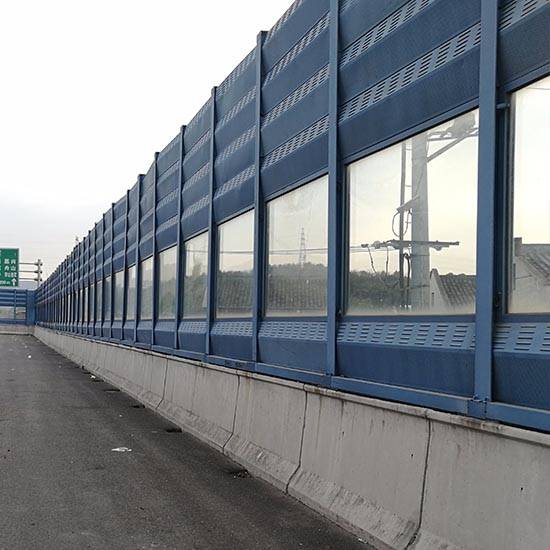

Metal sound barriers that can reduce the transmission of road noise
Hebei Jinbiao Construction Materials Tech Corp., Ltd.
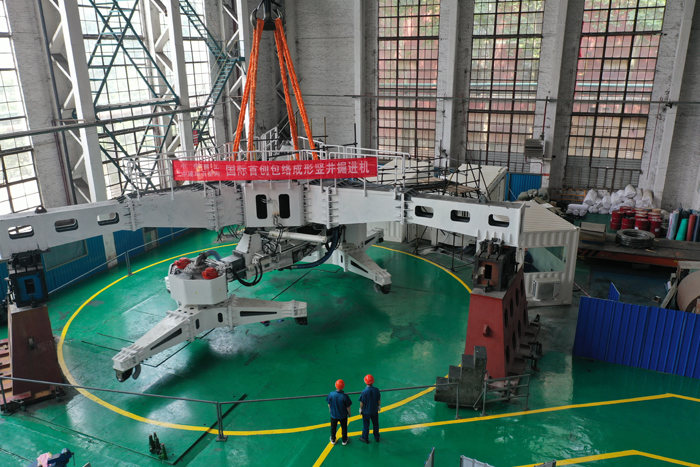
CITIC Heavy Industries Tunneling Equipment Tunnel Engineering Shield Machine
CITIC Heavy Industries Co., Ltd.
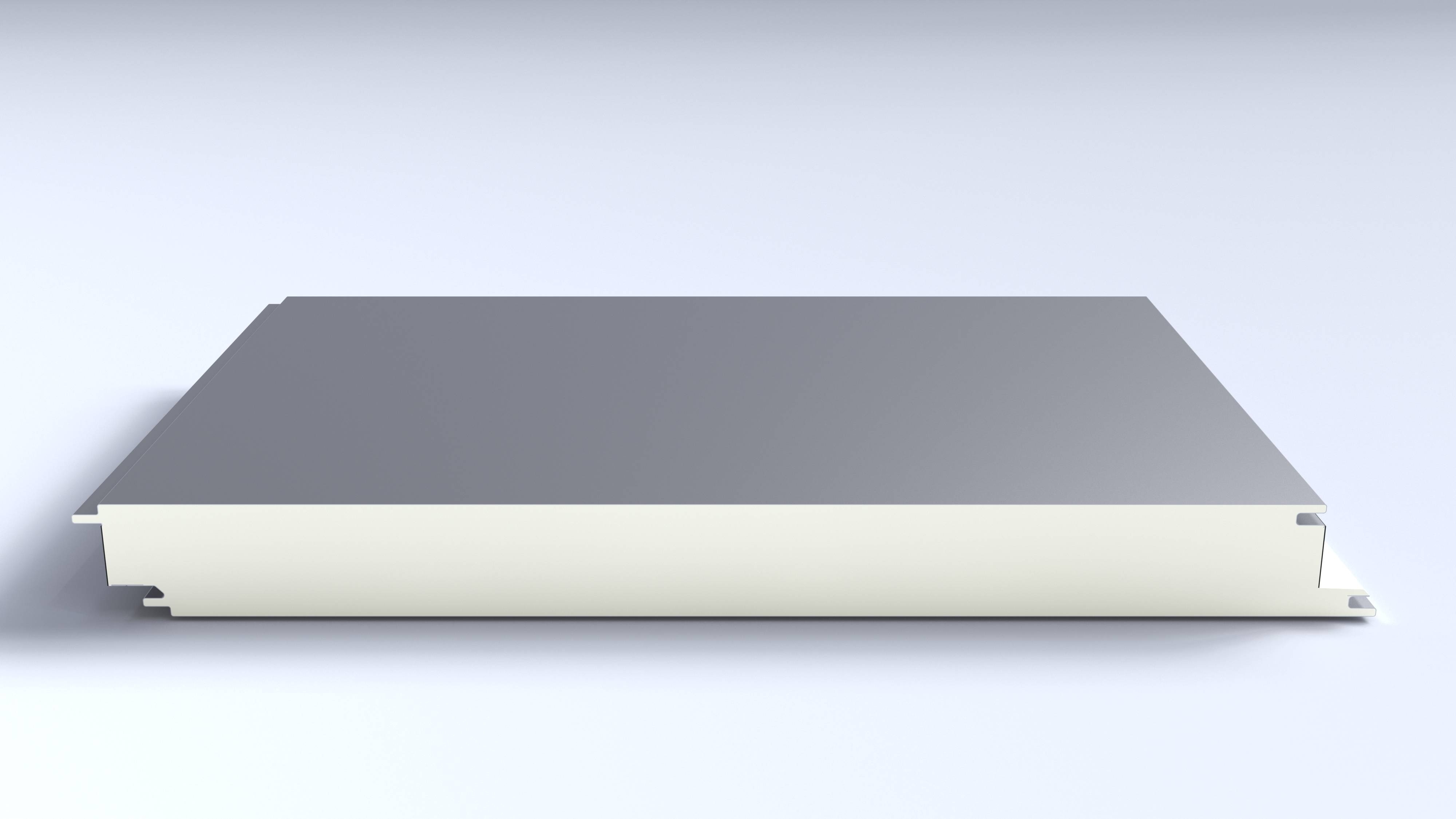
Pure Polyurethane Wall Panel BD-AEF-PIR-01
Baodu International Engineering Technology Co., Ltd.

Ultra-Pure Ferrite Stainless Steel Products
Gansu JISCO Group Hongxing Iron and Steel Co., Ltd.