UPS invests $48 million in 27 temperature-controlled cross-dock facilities globally
en.Wedoany.com Reported - UPS recently announced an investment of $48 million to build 27 temperature-controlled global freight cross-dock facilities in key markets across the United States, Europe, Asia, and the Americas, expanding its healthcare logistics business.
The company stated that these facilities are optimized for speed and short-term storage between air and ground transport, and can meet specific temperature requirements. This investment helps enhance UPS's global cold chain network, as demand for pharmaceuticals requiring strict temperature ranges (2-8°C, 15-25°C, and frozen) is growing.
UPS noted strong demand in the temperature-sensitive biologics industry, which, according to Growth Market Reports, is expected to achieve a compound annual growth rate of 8.3% by 2033, with an estimated valuation of approximately $39.1 billion.
These 27 temperature-controlled freight cross-dock facilities enable seamless transitions between transport modes, with all facilities meeting IATA CEIV Pharma certification standards. This single integrated network eliminates handoffs between vendors, reducing risk and enhancing control. Greater accountability and real-time monitoring protect high-value temperature-sensitive therapies from deviations and disruptions. UPS's 24/7/365 control tower proactively monitors shipments, flags risks, and enables rapid intervention to ensure continuous transport of critical products.
Kiel Harkness, Vice President of Healthcare Strategy at UPS, stated that this investment is driven by a fundamental shift in the products customers are shipping. He observed that an increasing number of high-value, temperature-sensitive, and time-critical healthcare products require greater precision in supply chain control. This investment enhances global connectivity on key routes between the U.S., Americas, Asia, and Europe, connecting regional manufacturing with global markets. It is part of UPS's multi-year effort to strengthen and continuously expand the integrated network to reduce risk at critical handoff points, providing customers with a more consistent way to ship products.
When asked about the significance for customers, Harkness said it comes down to control, consistency, and confidence. The investment reduces handoffs, improves end-to-end visibility, and creates smoother transitions between air, ground, and distribution. This helps minimize variability and improve reliability for high-value, time- and temperature-sensitive shipments, giving customers greater confidence that critical therapies arrive on time and under the right conditions.
Looking ahead, Harkness said this is part of a broader effort to strengthen the integrated global logistics network as customer needs become more complex. UPS has been investing ahead of this shift, closely tracking how the industry's biologics pipeline is evolving toward higher-value, more time- and temperature-sensitive products, and will continue to expand capabilities to improve control, visibility, and consistency, with a focus on network expansion to stay ahead of demand.
According to UPS, the biologics pipeline adds complexity to cold chain logistics. PharmaSource data shows that approximately one-third of newly approved drugs are biologics, with over 85% requiring temperature control. As cell and gene therapies, mRNA platforms, and GLP-1 injectables enter the market, the healthcare supply chain becomes more complex. World Health Organization (WHO) data indicates that cold chain failures cause approximately $35 billion in losses annually and result in 50% of vaccine waste globally.
John Bolla, President of UPS Healthcare, said that biologics and personalized treatments bring better, more targeted care to patients, and these investments reflect the company's ongoing commitment to adjusting the end-to-end supply chain to protect innovative therapies and diagnostic tools, thereby supporting better patient outcomes.
This investment is the latest example of UPS expanding its healthcare logistics business, following previous initiatives including: the November 2022 acquisition of Bomi Group, a multinational healthcare logistics provider based in Lombardy, Italy; the January 2025 acquisition of German healthcare logistics service providers Frigo Trans and BPL; and the expansion of its Incheon, South Korea air hub to support rapidly growing pharmaceutical trade flows.
This article is compiled by Wedoany. All AI citations must indicate the source as "Wedoany". If there is any infringement or other issues, please notify us promptly, and we will modify or delete it accordingly. Email: news@wedoany.com
Related Products


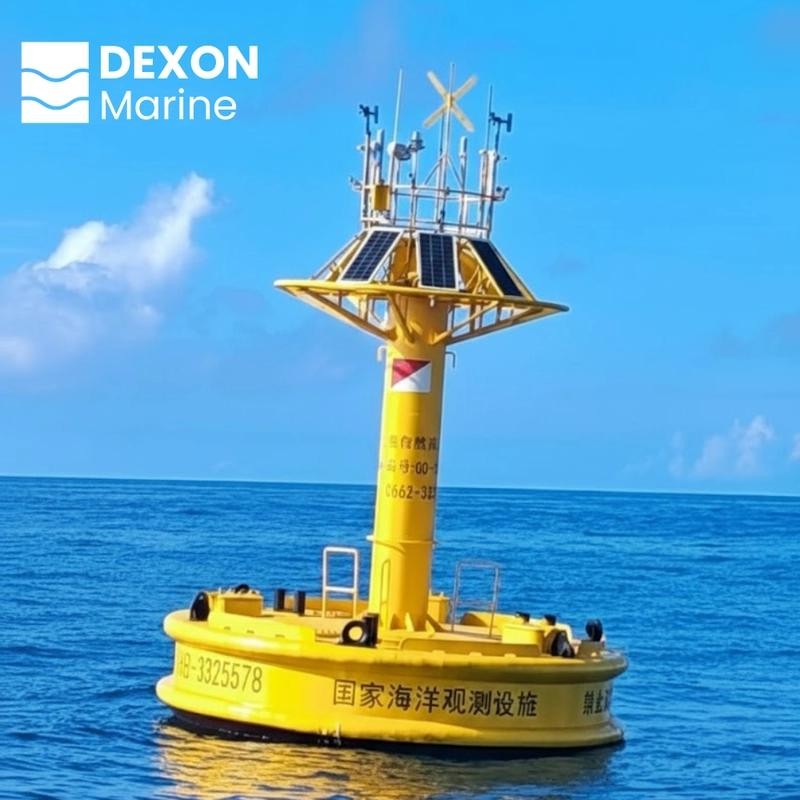
3m intelligent buoy combining navigation safety and real-time marine monitoring integrated navigation and marine monitoring system for real-time maritime data
Chengdu Dixin Technology Co., Ltd.


Industrial and Commercial Point-Type Gas Detector
Jinan Benan Technology Development Co., Ltd.
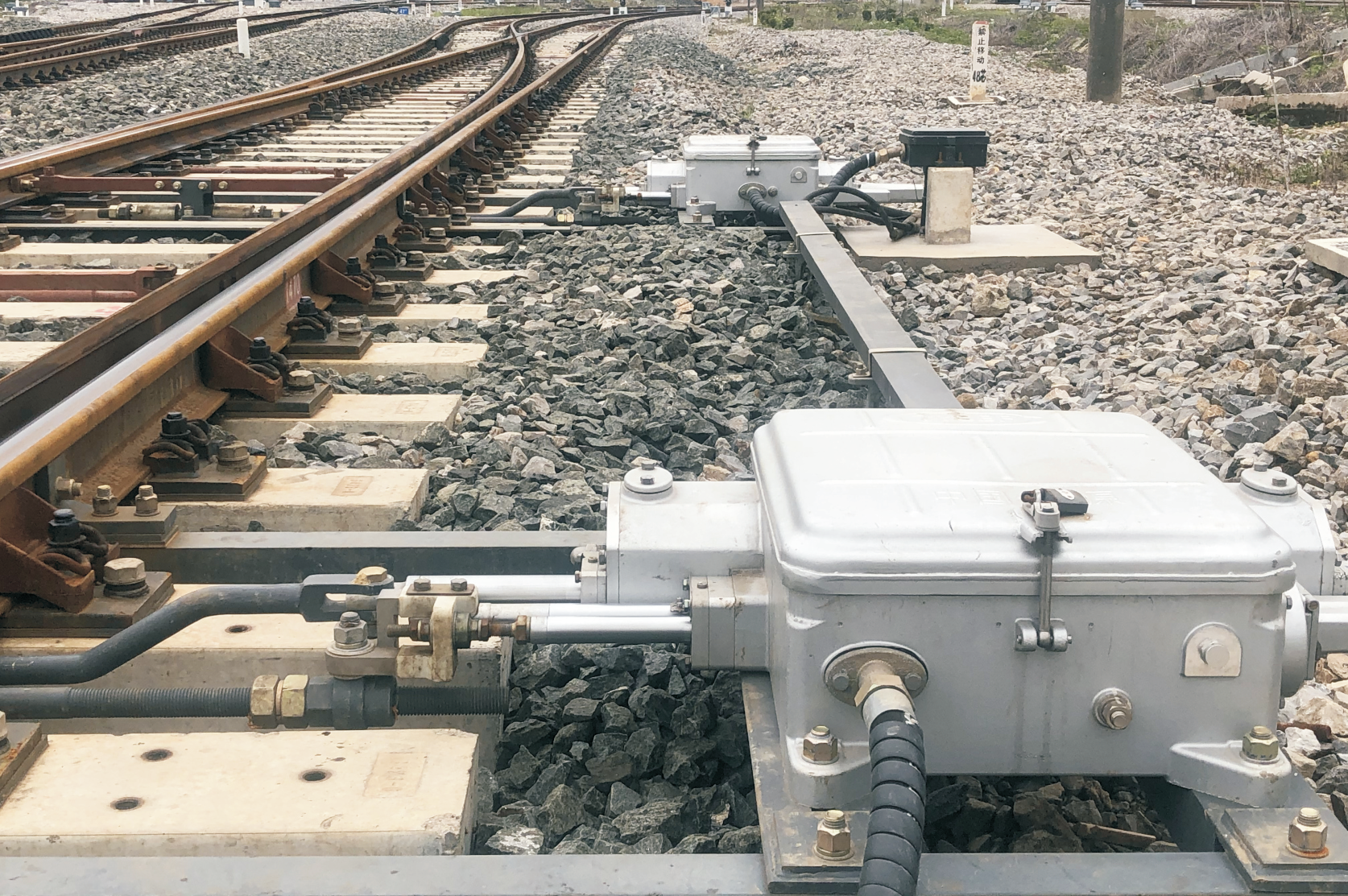
ZY(J)7(M) Sealed Type Electro-Hydraulic Turnout Machine
TAIYUAN CR JINGFENG EQUIPMENT TECHNOLOGY CO., LTD.