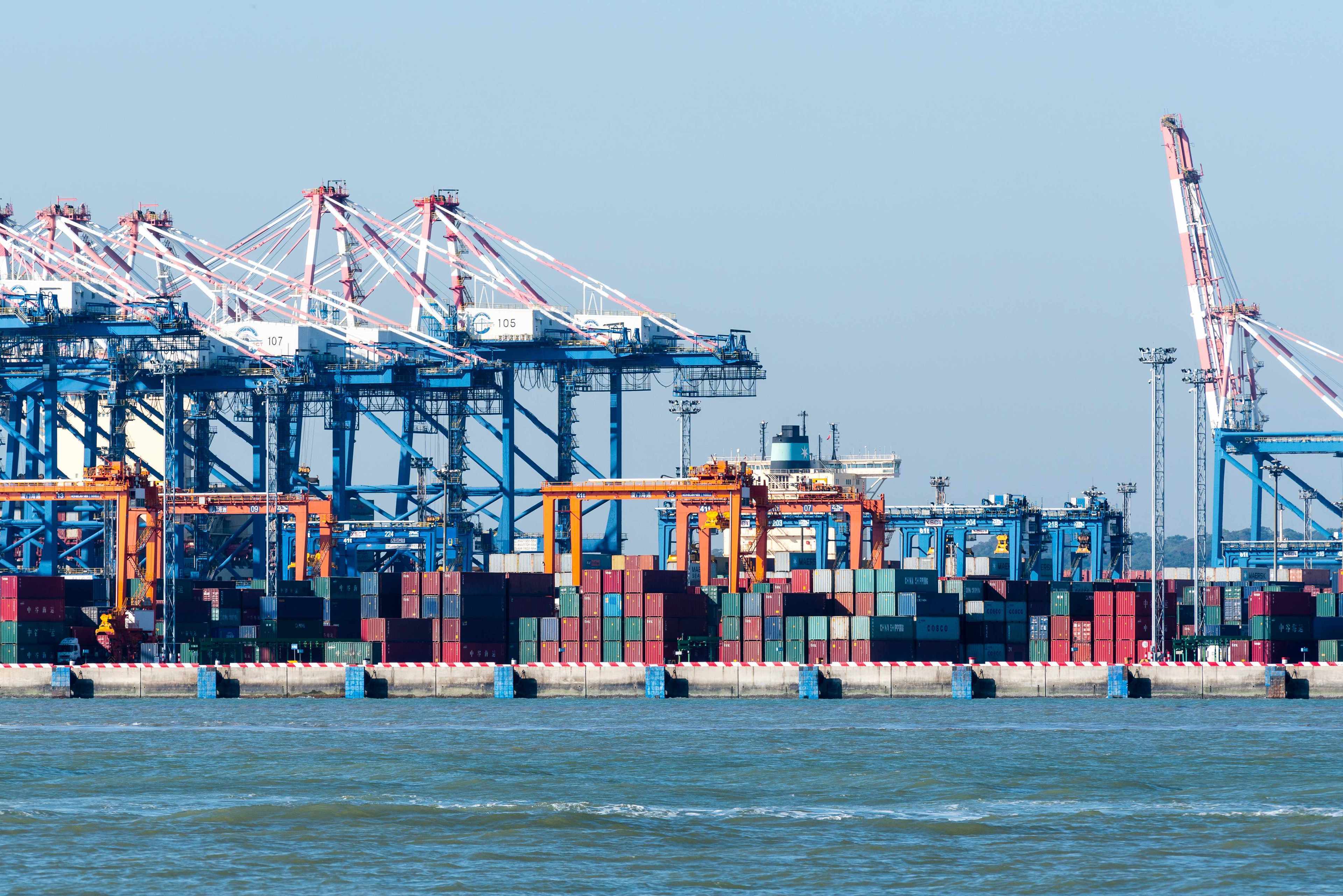
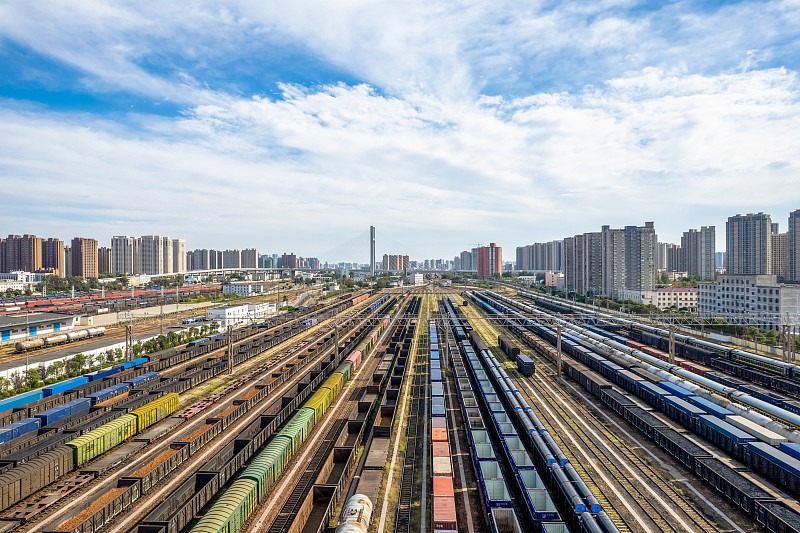
en.Wedoany.com Reported - The Dedicated Freight Corridor Corporation of India Limited (DFCCIL) has operated the first Double-Stack Container Train (DSC) from Jawaharlal Nehru Port Terminal (JNPT) on the fully operational Western Dedicated Freight Corridor (WDFC), marking the seamless integration of India's largest container port with the 1,506-kilometer freight corridor.
India has become the first and only country in the world to operate double-stack container trains hauled by electric locomotives under overhead catenary on a fully operational dedicated freight corridor on the WDFC. This technology allows two containers to be stacked vertically in specially designed wagons, significantly enhancing the train's carrying capacity without requiring additional locomotives or carriages.
The WDFC double-stack long-distance operations utilize an enhanced 25-ton axle load, with wagons designed by the wagon department of the Indian Railway Research and Design Organization (RDSO), capable of carrying four times the container units compared to current Indian Railway volumes. Freight trains on the WDFC are designed for a maximum speed of 100 km/h, compared to 75 km/h on existing Indian Railway tracks, and the average freight train speed on this corridor is expected to increase from approximately 26 km/h to 70 km/h.
In March 2026, the successful trial run of freight trains on the critical 102-kilometer balancing section between JNPT and New Saphale (Vaitarna) marked the completion of the entire WDFC. DFCCIL confirmed that both electric and diesel locomotives have successfully operated container trains on this newly commissioned overhead electrified double-track infrastructure, indicating its readiness for high-capacity, seamless freight transportation.
The operation of the first double-stack container train from JNPT on the WDFC translates this infrastructure readiness into actual freight operations, unlocking faster, greener, and more efficient logistics services for JNPT's hinterland in Maharashtra, Gujarat, Rajasthan, Uttar Pradesh, Haryana, and Delhi–National Capital Region (Delhi–NCR).
This article is compiled by Wedoany. All AI citations must indicate the source as "Wedoany". If there is any infringement or other issues, please notify us promptly, and we will modify or delete it accordingly. Email: news@wedoany.com