Mount Ridley Mines Hits High-Grade Scandium Mineralization at Block 1
en.Wedoany.com Reported - Mount Ridley Mines (ASX:MRD) has identified widespread scandium mineralization beyond the current mineral resource estimate during re-assaying of the Block 1A and 1B resources and their surroundings.
The latest batch of scandium re-assay results, based on the 13-kilometer southwest strike extension reported earlier this month, involved re-assaying 481 historical air-core pulp samples from the Grass Patch tenement. These results highlight significant potential for future resource growth through re-assaying and infill drilling.
MRD Managing Director and CEO Allister Caird stated that following the June 11 announcement of a new scandium mineralization zone and 13 kilometers of untested strike to the southwest of Block 1, this first phase of re-assaying refocuses attention on the Block 1 resource itself. The results confirm that the mineralized system extends in all directions beyond the current resource boundary, with intercepts including 22 meters @ 134.09 ppm Sc2O3 and 20 meters @ 119.02 ppm Sc2O3, both well above the existing resource average grade of 91.8 ppm Sc2O3. Together, these two sets of results show that the deeper you look, the larger the scandium mineralized system becomes, entirely from re-assaying historical drill core rather than new drilling—a low-cost pathway to materially expand a resource already among the largest reported scandium discoveries globally.
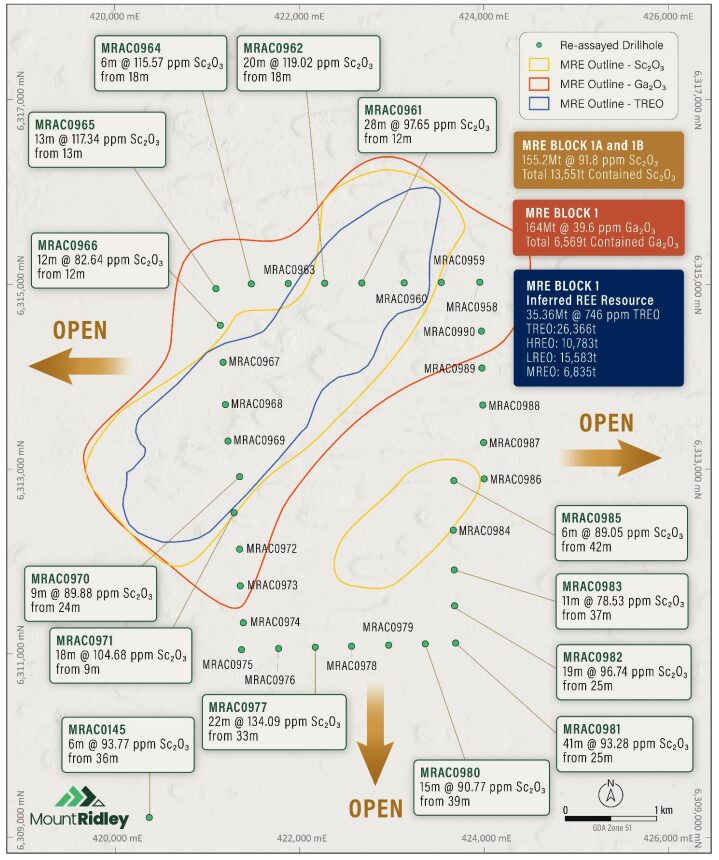
In contrast to previous outward extensions, this batch of samples specifically tested the immediate margins of Block 1, confirming that mineralization remains open to the north, south, east, and west of the current resource shell, with multiple intercepts ending in mineralization. The southern area shows some of the most compelling results and is completely open, potentially representing a new scandium domain beyond the currently defined resource extent.
Multiple new wide intercepts immediately outside the current resource shell, with grades well above the Block 1 average of 91.8 ppm scandium oxide, include: hole MRAC0977: 22 meters @ 134.09 ppm Sc2O3 from 33 meters, hole MRAC0962: 20 meters @ 119.02 ppm Sc2O3 from 18 meters, hole MRAC0965: 13 meters @ 117.34 ppm Sc2O3 from 13 meters, hole MRAC0971: 18 meters @ 104.68 ppm Sc2O3 from 9 meters, hole MRAC0961: 28 meters @ 97.65 ppm Sc2O3 from 12 meters, hole MRAC0981: 41 meters @ 93.28 ppm Sc2O3 from 25 meters. Several of the strongest northern intercepts start at shallow depths of 12 to 18 meters, with grades consistently above the resource average.
According to the company, Australia, the United States, and the European Union have classified scandium as a critical mineral, with global annual production estimated at only tens of tonnes of scandium oxide equivalent, and no meaningful production outside China, Russia, and limited by-product sources. China's 2025 decision to include scandium in export controls alongside six other heavy rare earth elements has driven efforts to find more reliable suppliers. Market impacts are significant, with aerospace and semiconductor manufacturers reporting inventory pressure and quota restrictions. Driven by solid oxide fuel cells, aerospace aluminum-scandium alloys, and additive manufacturing applications, scandium demand is expected to grow at a compound annual growth rate of 14.5% by 2031. Against this backdrop, Mount Ridley's strategic relevance is increasing as one of the world's largest scandium resource holders, located in a Tier 1 Australian jurisdiction. Combined with the co-existing rare earth and gallium resources at Block 1, Caird stated that these data reinforce Grass Patch as a truly scaled multi-commodity critical minerals project with significant room for further growth.
The company stated that the Phase 1 results from Block 1 will be incorporated into the resource model, with the aim of updating and potentially upgrading the current JORC (2012) Inferred Mineral Resource at the Grass Patch tenement. A Phase 2 scandium re-assay program is being planned, prioritizing coverage of the 13-kilometer untested strike corridor among the remaining approximately 14,000 unassayed historical pulp samples. Preliminary internal review of Block 2 scandium re-assay results is underway.
This article is compiled by Wedoany. All AI citations must indicate the source as "Wedoany". If there is any infringement or other issues, please notify us promptly, and we will modify or delete it accordingly. Email: news@wedoany.com
Related Products
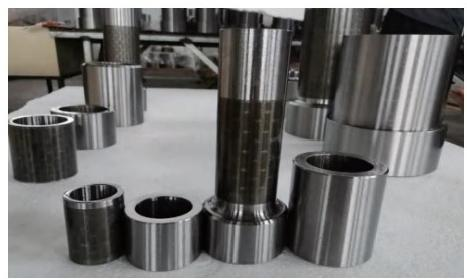

High-temperature Equal Wall Thickness High-power Screw Drilling Tool
Orient Energy & Technologies Co., Ltd.
Quick-Change Single-Seat Control Valve / Quick-Change High-Pressure Single-Seat Control Valve
Beijing Consen Automation Technology Co., Ltd.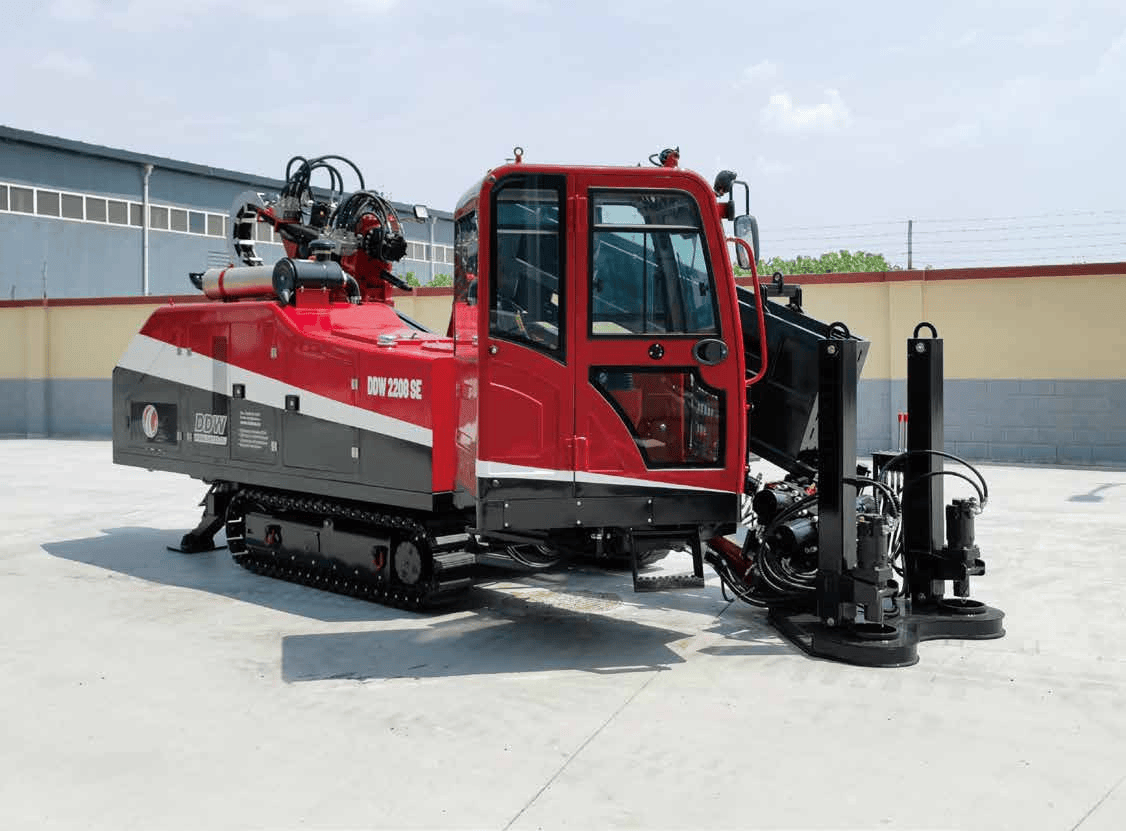
DDW22/08SE-HORIZONTAL DIRECTIONAL DRILL
DW/TXS Construction Equipment (Beijing) Co., Ltd.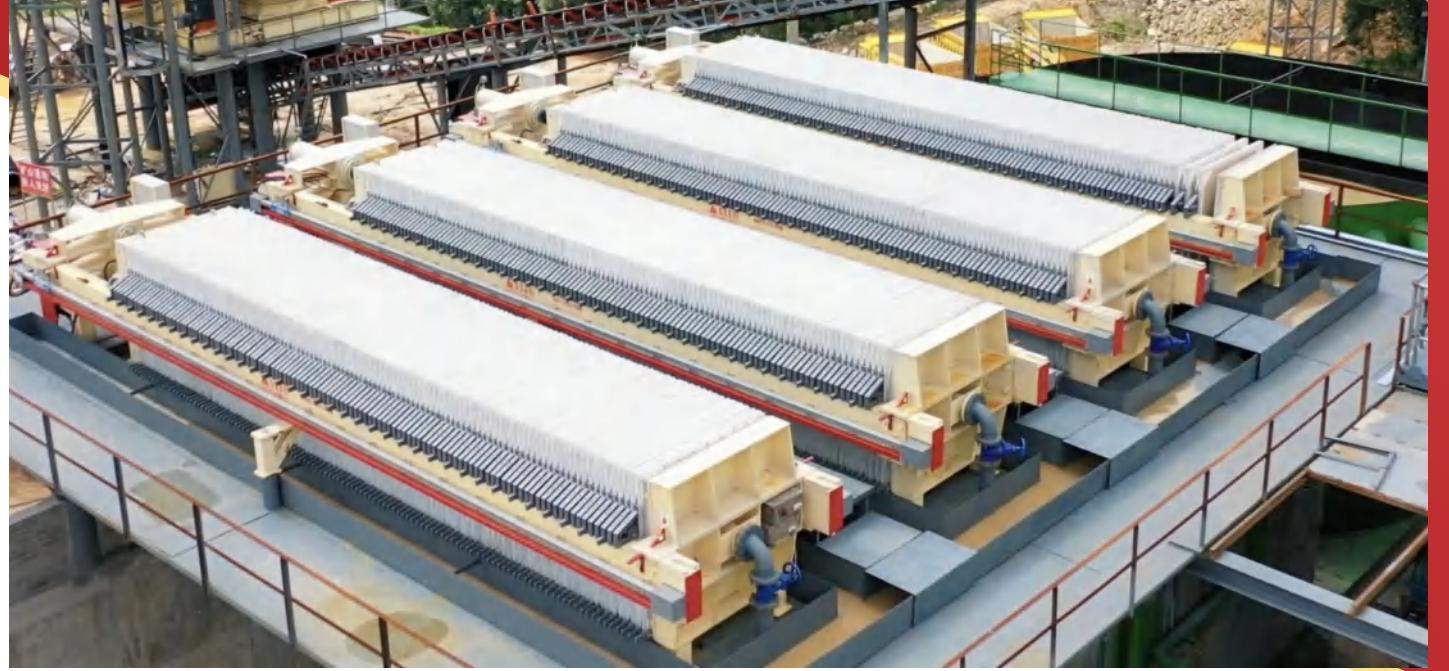
Hydraulic Plate and Frame Filter Press
Guangdong Leimeng Intelligent Equipment Group Co., Ltd.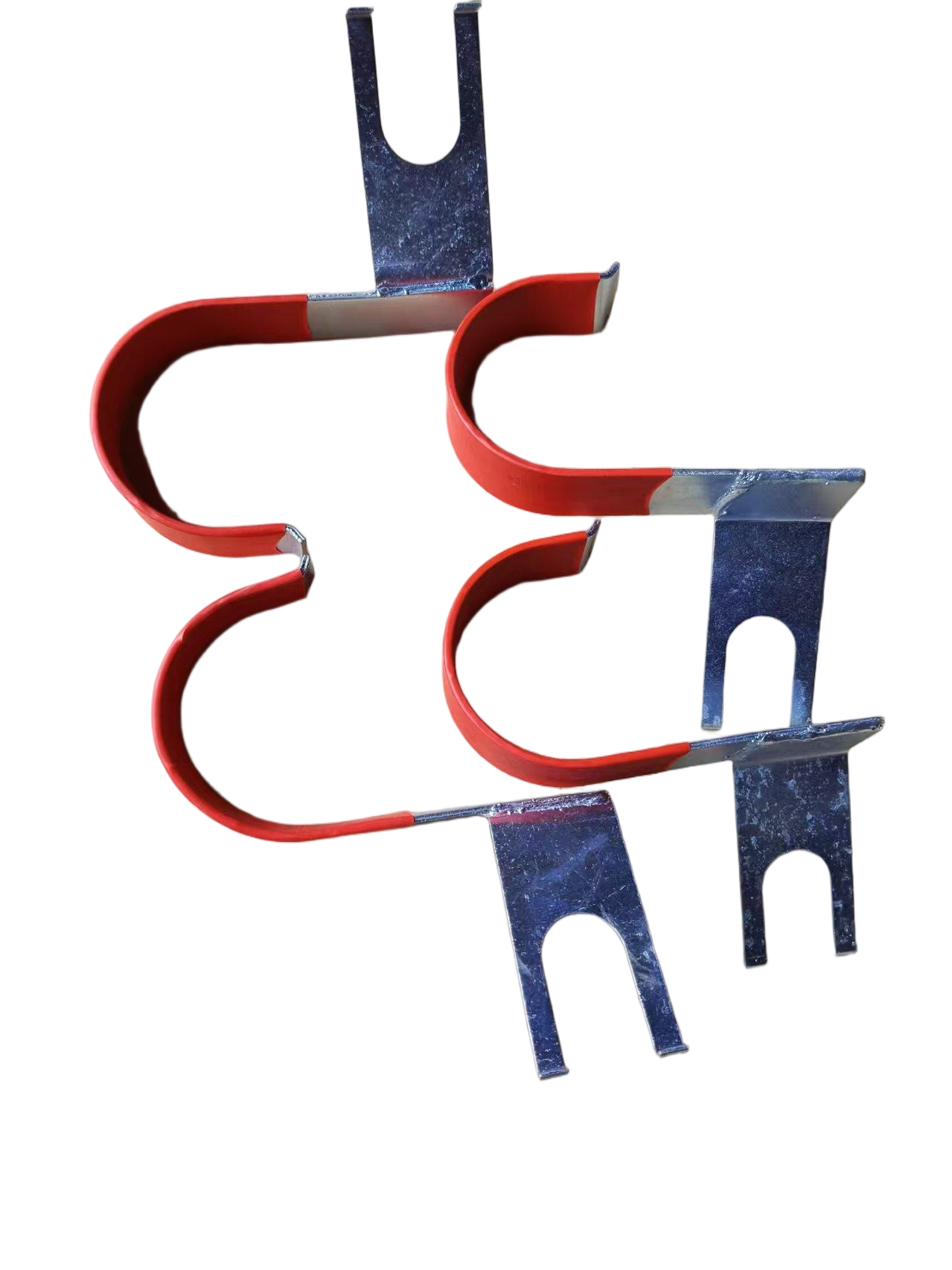


CITIC Heavy Industries Metallurgical Equipment Steel Smelting Engineering Equipment
CITIC Heavy Industries Co., Ltd.
Yunnan Phosphorus Chemical Group Co., Ltd. 2 Million t/a Phosphorus Ore Mining and Beneficiation Project
China Bluestar Lehigh Engineering Corporation