Canadian Government Invests Nearly CAD 70 Billion to Boost Clean Energy and Critical Minerals Development
en.Wedoany.com Reported - The Canadian government is scaling up investments in clean energy, investment, and critical minerals through a package totaling nearly CAD 70 billion (approximately USD 71 billion). The initiative has been described as the largest clean energy investment in North American history.
Canadian Prime Minister Mark Carney, Quebec Premier Christine Fréchette, Newfoundland and Labrador Premier Tony Wakeham, along with the chief executives of Hydro-Québec and Newfoundland and Labrador Hydro, jointly announced an agreement to expand the Churchill Falls generating station and develop the Gull Island project, creating one of the largest electricity development projects in North America.
The projects are expected to generate 14,000 megawatts of clean, renewable energy, enough to power, light, heat, and cool all households in Toronto, Montreal, and Vancouver. The projects are also expected to support 23,000 jobs and contribute approximately CAD 31 billion to Canada's gross domestic product by the early 2040s. Carney stated that Canada is building from a position of strength, possessing the natural resources, critical minerals, and clean electricity the world needs to build the century ahead. He also noted that by combining clean economy investment tax credits, efficient project approvals, cooperation agreements with provinces and territories, strategic investments, and attractive financing, the government provides certainty for builders to build at scale and move quickly.
This week's announcement primarily covers pre-development projects in Newfoundland and Labrador and Quebec, while also including strategic financing for the Labrador Trough region through Natural Resources Canada's "First and Last Mile Fund" (FLMF). Supported by CAD 1.5 billion and operating until 2030, the fund is designed to support strategic mining and infrastructure development required for Canada's critical minerals supply chain, encompassing critical mineral mines, upstream and midstream supply chains, as well as Indigenous participation and partnership capacity building. Additionally, Canada is supporting early-stage exploration projects for minerals such as lithium, nickel, and copper through a 30% critical minerals exploration tax credit.
Despite these measures providing support for critical minerals development, the scale of anticipated demand continues to outpace available funding. Federal and provincial programs tend to focus on later-stage development and supporting infrastructure, leaving early-stage exploration facing funding shortfalls. If exploration budgets are not expanded, Canada's critical minerals supply chain could encounter bottlenecks.
Atlantic Canada is experiencing a mining renaissance, with a particular focus on critical minerals, as several junior exploration companies advance related projects. In New Brunswick, Albright Metals (ASX:ABR) is advancing the Golden Pike gold-antimony project in a relatively underexplored region. The company completed the second payment milestone for the project in late June 2026, with CEO Greg Hill stating that the payment underscores the company's confidence in the asset's value. The Golden Pike project includes the Vail Road deposit as well as the Bond Road and Albright Brooke antimony prospects.
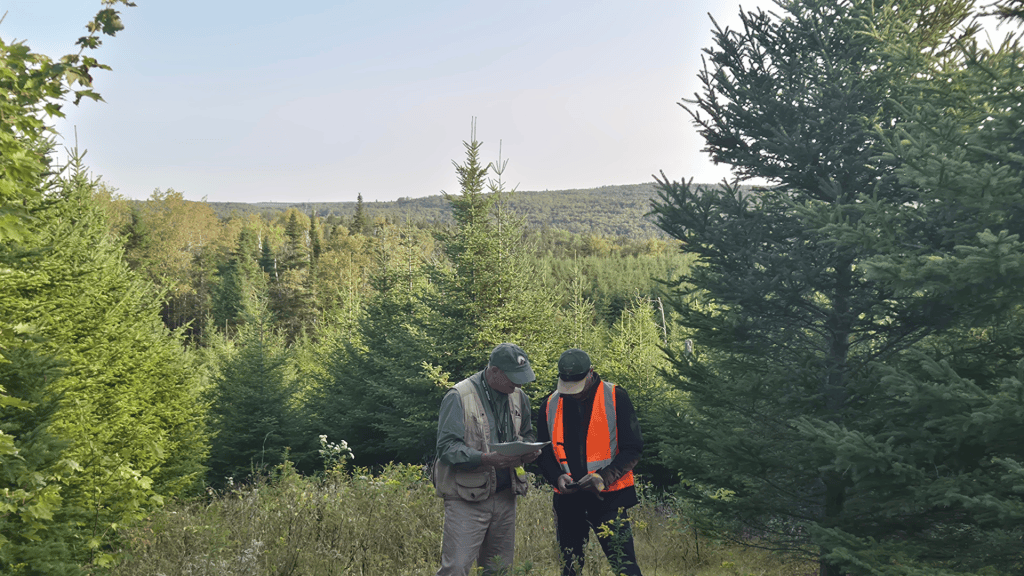
In Quebec, Brunswick Exploration (TSX-V:BRW) is conducting a 6,000-meter drilling program at the Mirage and Anatacau Main projects, testing previously undrilled spodumene pegmatite outcrops as well as new targets along an 8-kilometer lithium-bearing corridor. CEO Killian Charles describes Mirage as one of Canada's most significant lithium assets, with an inferred resource of 52.2 million tonnes at 1.08% lithium oxide, and the Anatacau project is considered to have the potential to reach a similar scale.
In Ontario and the Northwest Territories, Avalon Advanced Materials (TSX:AVL) is focused on building domestic Canadian rare earth and lithium capacity. Its Nechalacho project in the Northwest Territories is described by the company as one of the most advanced rare earth deposits in North America, with the potential to supply magnet rare earth elements and other critical minerals. The company is updating the project's 2013 final feasibility study using what it describes as cleaner, more cost-effective processing methods and updated economic assessments. Avalon has recovered 15 rare earth elements from the Nechalacho project with recovery rates exceeding 90%, using processing methods developed in collaboration with Engina Corporation. Its Lake Superior lithium project is also completing a feasibility study to advance the positive preliminary economic assessment released in September 2024. The project includes a chemical processing facility designed to convert spodumene concentrate into battery-grade lithium chemicals, addressing Canada's need for midstream processing capacity.
Exploration is the first step in securing the minerals needed for downstream projects, and early-stage exploration companies continue to face funding constraints. Junior exploration companies will determine whether Canada can achieve its critical minerals supply chain goals and position itself as a global leader in responsibly produced critical minerals.
Related Products

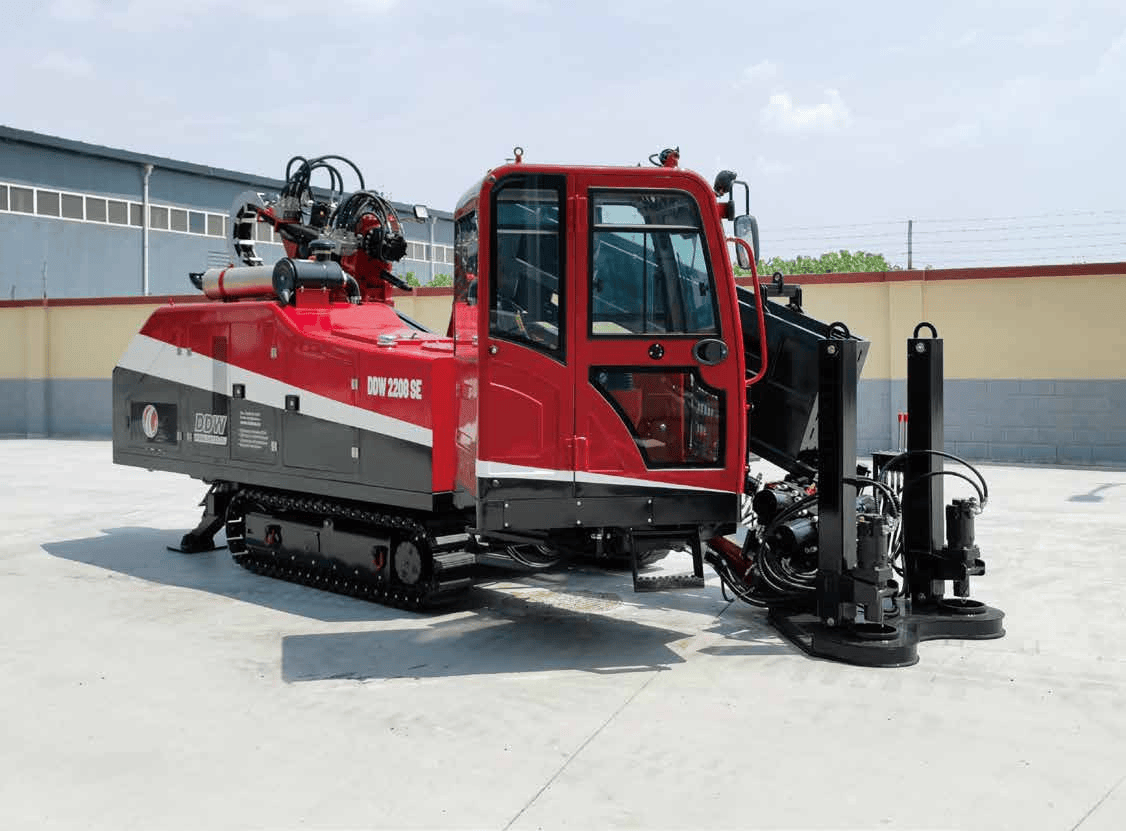
DDW22/08SE-HORIZONTAL DIRECTIONAL DRILL
DW/TXS Construction Equipment (Beijing) Co., Ltd.
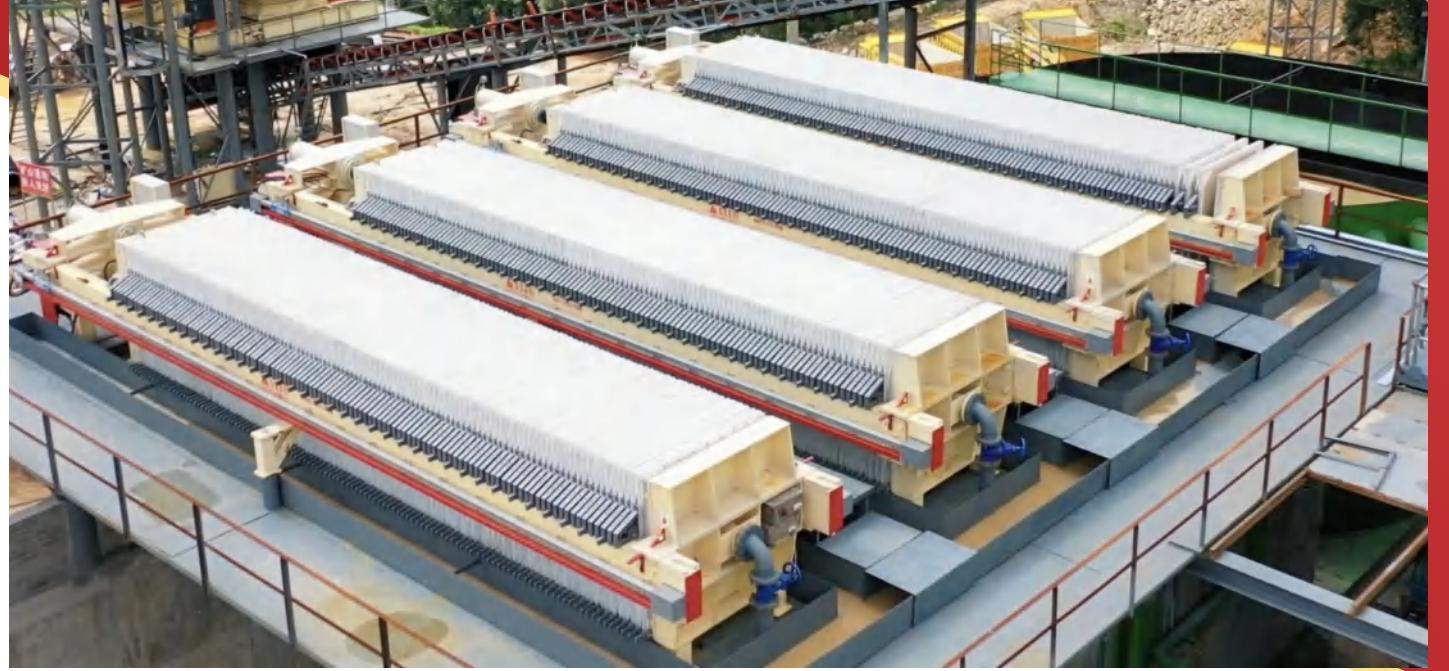
Hydraulic Plate and Frame Filter Press
Guangdong Leimeng Intelligent Equipment Group Co., Ltd.
Core Technologies of the Mining Technology and Equipment Business Unit: Efficient Mining Methods and Processes
CHANGSHA INSTITUTE OF MINING RESEARCH CO., LTD.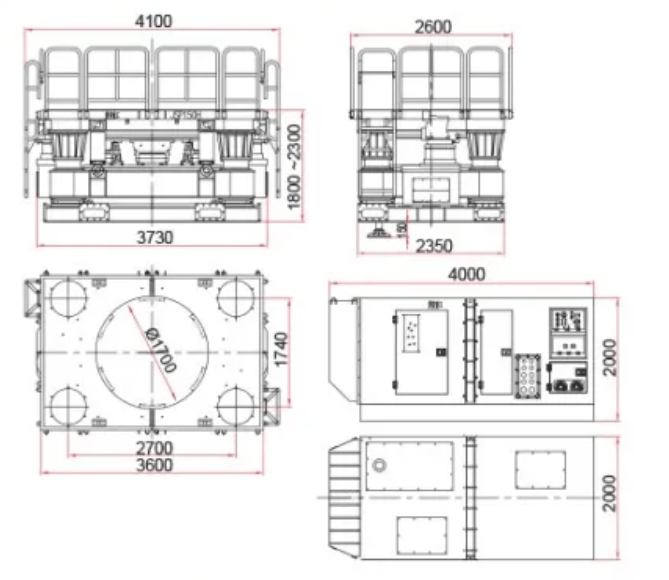
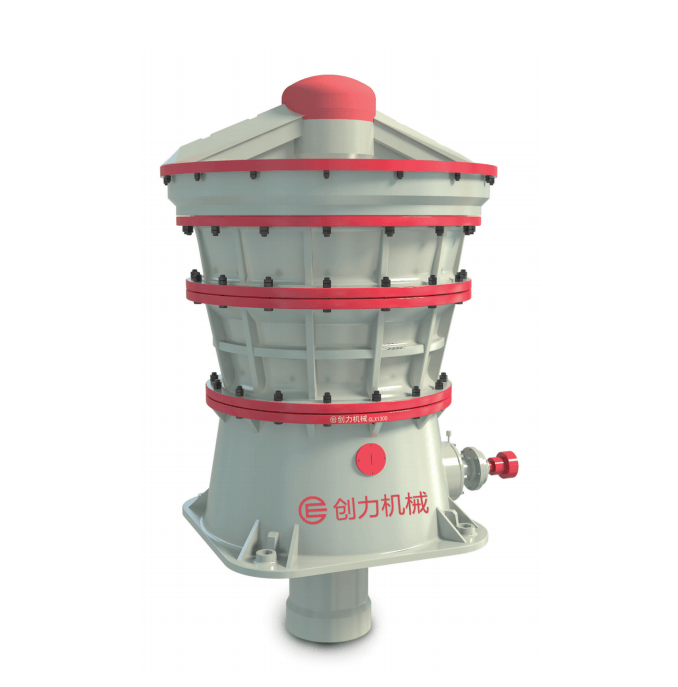
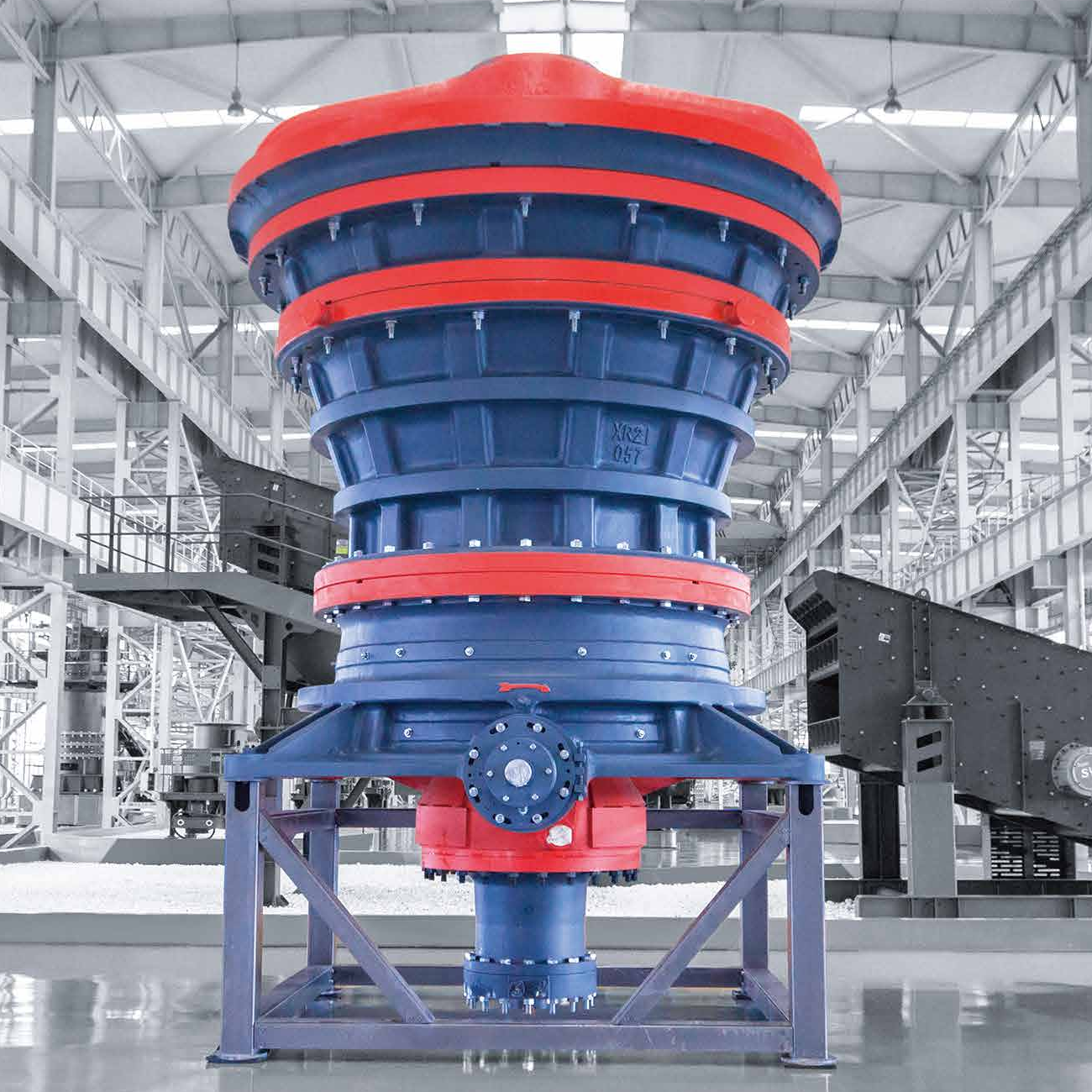
CLX Series Intelligent Hydraulic Gyratory Crusher
Guangdong CHUANGLI intelligent machinery Equipment Co., LTD