JOGMEC and Toyota Tsusho Acquire 50% Interest in Namibia's Lofdal Heavy Rare Earth Project
en.Wedoany.com Reported - Japan Organization for Metals and Energy Security (JOGMEC) and Toyota Tsusho Corporation have completed their earn-in on the Lofdal heavy rare earth project owned by Namibia Critical Metals (TSXV:NMI), with the joint venture vehicle TJ Namibia Rare Earths Corporation (TJNREC) set to fund the project through to a construction decision. Company President and CEO Darrin Campbell stated that this marks a new phase in a partnership six years in the making, with follow-on technical work still advancing.
The collaboration began in 2020, with JOGMEC earning a 50% interest in the Lofdal project through a staged investment structure. The original timeline extended to March 2028, but was completed in July 2026, roughly 18 months ahead of schedule. Campbell attributed the acceleration to stable funding support and actual on-the-ground execution, rather than mere letters of intent. During this period, JOGMEC increased its total funding commitment from US$20 million to US$23 million to cover dilution incurred by Namibia Critical Metals from issuing a 5% minority free carried interest to historically disadvantaged groups, a condition of the company's mining license.
Following completion of the earn-in, JOGMEC and Toyota Tsusho established TJNREC, which collectively holds a 50% participating interest. JOGMEC has additionally committed to investing up to C$47.7 million (¥5.5 billion) into TJNREC, with the first installment received in July 2026, to be used to complete the Definitive Feasibility Study (DFS) and advance toward a Final Investment Decision (FID). The joint venture vehicle remains subject to TSX Venture Exchange and shareholder approvals.
Toyota Tsusho formally joined in March 2026, following several years of due diligence and further strengthened evaluation after the release of the Lofdal Pre-Feasibility Study (PFS) in January. As the trading arm of the Toyota Group, Toyota Tsusho holds an interest in a rare earth separation plant in India and maintains long-standing partnerships with Shin-Etsu Chemical and Proterial. Campbell expects Toyota Tsusho will ultimately act as a trader to take and sell the product, potentially buying it back afterward to supply electric vehicle motors for the Toyota Motor Group.
Japan is the world's second-largest consumer of rare earth magnets outside China and is increasingly sensitive to supply disruptions. Should the consortium's equity increase from 50% to 51%, the offtake arrangement would shift from a right of first offer to a right of first refusal over all products; JOGMEC retains the right to secure this option with an additional US$5 million cash payment.
The amended joint venture agreement stipulates that all project expenditures beyond the completed earn-in are non-interest-bearing and will not dilute Namibia Critical Metals' equity until an FID is made. Campbell noted that project spending during this period will be funded through pre-FID capital financing arrangements, effectively serving as a temporary free carried interest for the company. The company may choose to contribute pro rata at the decision point, participate in up to 45% equity, or repay JOGMEC the US$5 million dilution protection payment and dilute to a carried working interest of no less than 21%. Management indicated a preference for maintaining maximum risk exposure.
The PFS outlines a 13-year mine life and two economic scenarios. The base case, based on moderately higher spot prices, calculates an after-tax net present value (NPV) of US$275 million, an internal rate of return (IRR) of 19%, and capital expenditure of US$348 million; the alternative scenario assumes the elevated non-Chinese prices of the past 18 months persist, calculating an after-tax NPV of US$748 million and an IRR of 35%. Campbell noted that current market prices are increasingly approaching the latter rather than the base case.
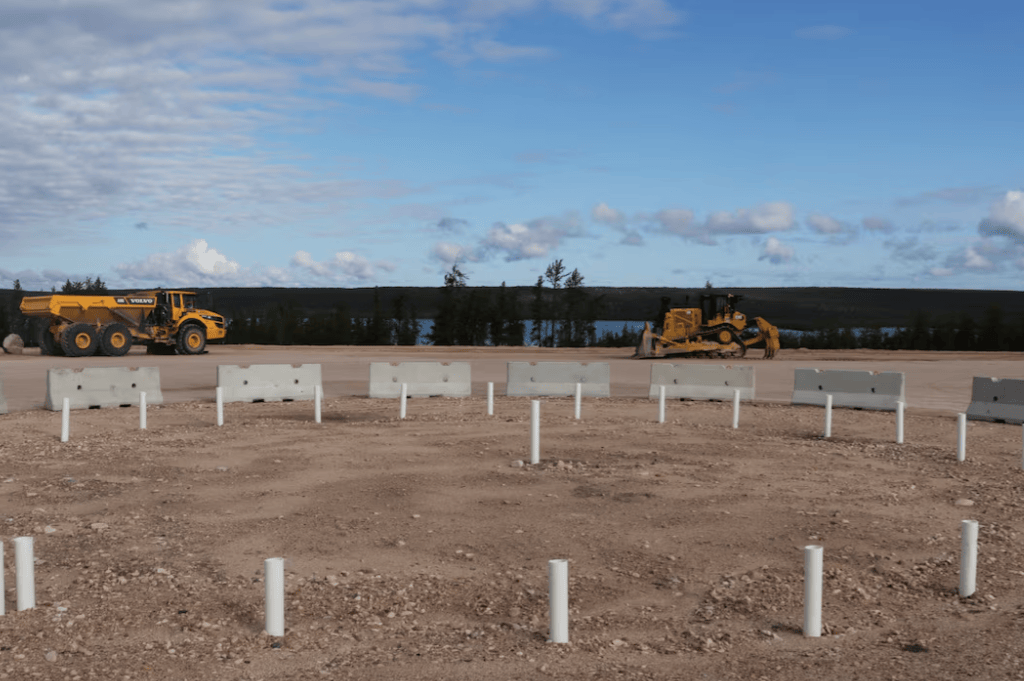
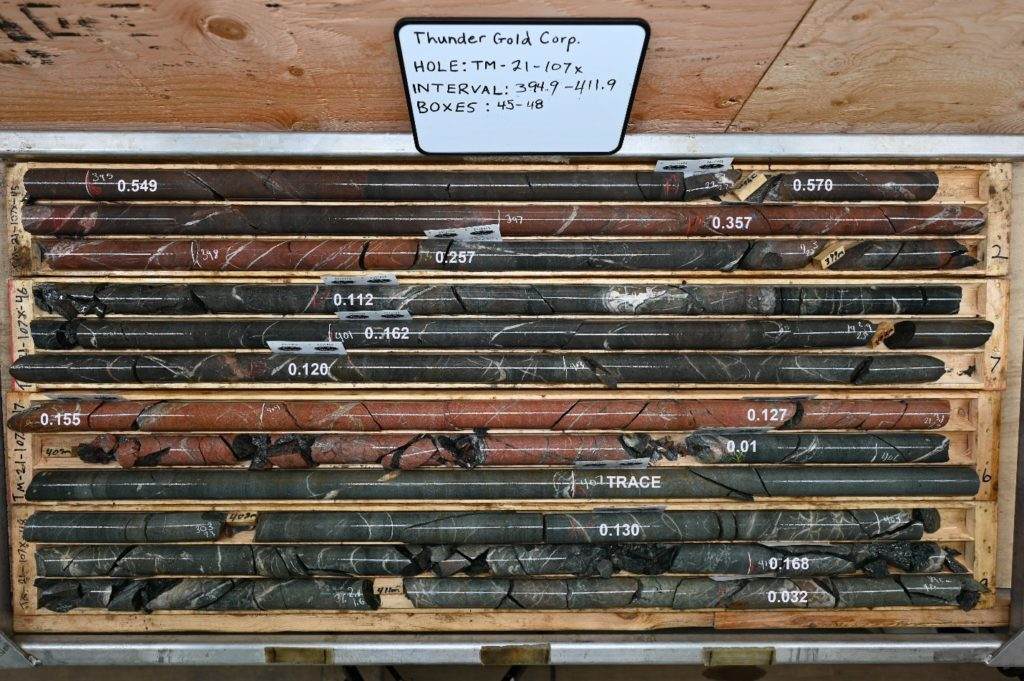
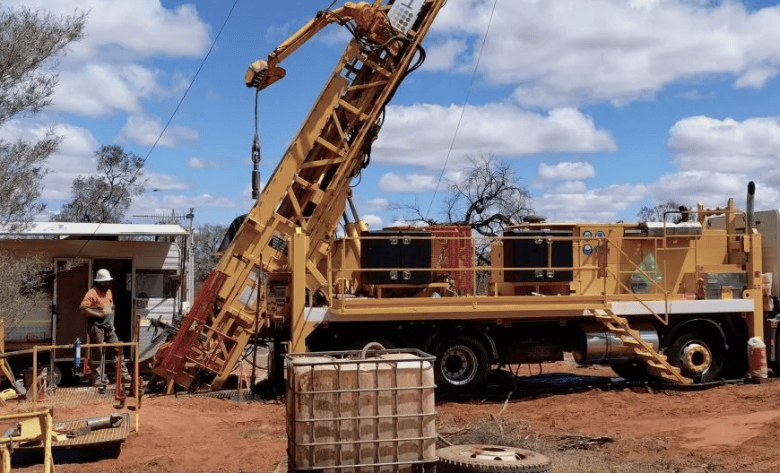
The company launched a drilling program in June 2026, totaling 13,000 meters across 83 holes using two rigs, targeting an initial resource at the Area 5 xenotime system between the company's two main deposits, approximately 800-meter deep drilling at Area 4 to test underground potential, and infill drilling at Area 2B to upgrade measured and indicated resource categories. Drill results are expected to be released progressively through the remainder of 2026 and into 2027. In July, the company awarded SGS a metallurgical contract for pilot-scale flotation and integrated hydrometallurgical testing, targeting the production of separated light and heavy rare earth products rather than a mixed concentrate. Campbell stated that offtakers' demand for separated products is increasing. The DFS is scheduled for completion in Q3 2027.
Despite existing strategic investor support, Campbell believes the market still prices the project as an early-stage exploration asset, with the company's current net asset value (NAV) multiple at approximately 0.1 to 0.15 times; by comparison, mature projects with strategic support typically command 0.8 to 1.0 times the economics reflected in the PFS. He attributed part of this gap to insufficient institutional coverage, thin liquidity, and combined insider ownership of 63% including Bannerman Energy (43% stake), as well as market confusion over the earn-in dilution mechanism.
Heavy rare earths have become one of the most closely watched segments in the de-Chinaization of critical mineral supply chains, with China still controlling the vast majority of global processing capacity for elements such as dysprosium, terbium, and yttrium. Over the past 18 months, driven by geopolitical tensions and government floor-price initiatives, non-Chinese prices for these elements have diverged markedly from Chinese spot prices; the United States previously set a floor price for neodymium-praseodymium (NdPr), and Chinese spot prices have since risen above that level. Campbell assesses that current heavy rare earth price levels are likely sustainable at least in the medium term. Original equipment manufacturers (OEMs) in the automotive, defense, and renewable energy sectors are seeking to secure safe, diversified supply sources.
Lofdal is one of the few large, licensed heavy rare earth deposits outside China, and the Japanese earn-in moves it into the ranks of more advanced non-Chinese supply candidates. For Namibia Critical Metals, pre-construction financing risk has been substantially resolved, technical de-risking is advancing, and the company retains options on its ultimate equity stake. Whether this assessment holds will be verified over the next 12 to 18 months as DFS results, drilling outcomes, and final offtake pricing terms become clear.
Related Products

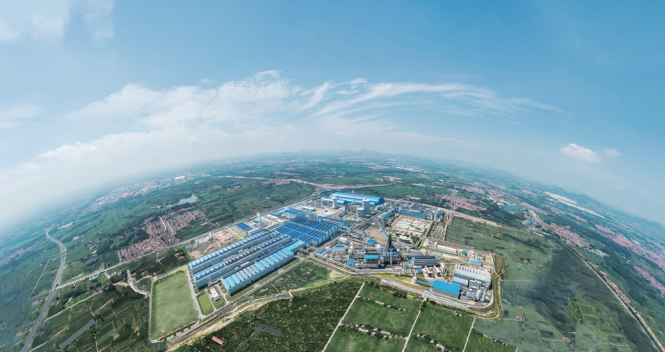
Linyi Steel Investment Special Steel 2.7 Million Tons per Year High-quality Special Steel Project
Capital Engineering & Research Incorporation Limited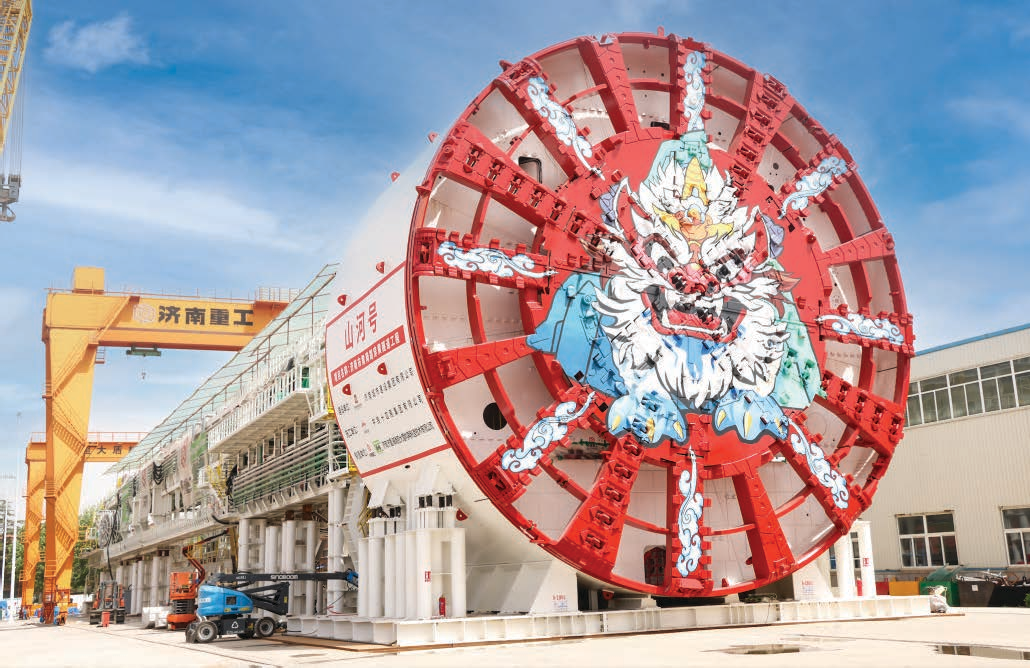
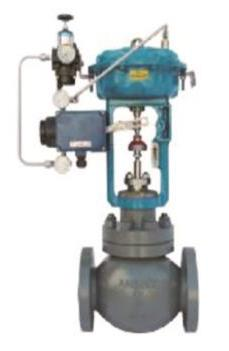
Quick-Change Single-Seat Control Valve / Quick-Change High-Pressure Single-Seat Control Valve
Beijing Consen Automation Technology Co., Ltd.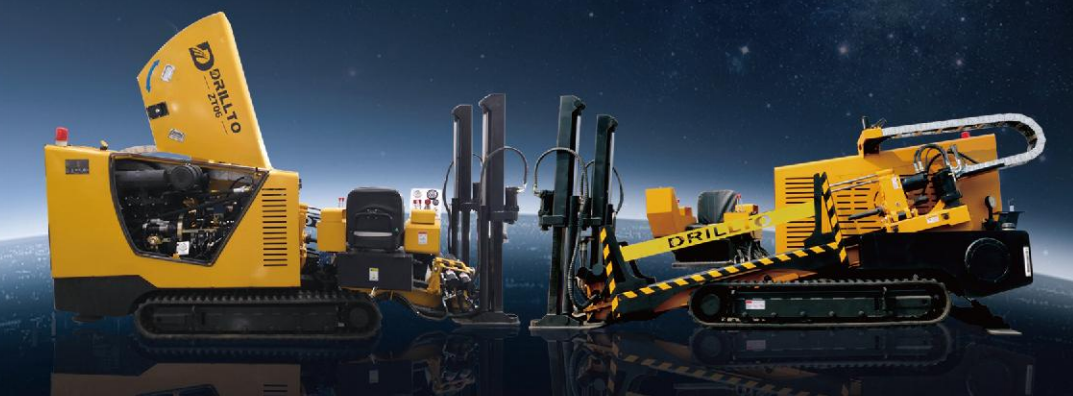
1050-1750mm Steel Strip Single-stand Reversible Cold Rolling Production Line
MCC-SFRE HEAVY INDUSTRY EQUIPMENT CO., LTD.

Comprehensive Mining Automation Control System
Beijing Tianma Intelligent Control Technology Co., Ltd.