Richmond Hill Resources Identifies High-Grade Gold Target at Martello Project in Canada, with Historical Production of Approximately 3,900 Ounces
en.Wedoany.com Reported - AIM-listed Richmond Hill Resources has deepened its understanding of the geological structure of the Martello Project in Ontario, Canada, through the integration of historical exploration data, initial drilling, and 3D magnetic interpretation, identifying Sakoose as the company's highest-priority exploration target.
The company's research indicates that the Sakoose area may consist of multiple sub-parallel structures rather than a single mineralized vein. Additionally, the team has delineated five secondary exploration targets surrounding the historical Martello mine site. Richmond has submitted an exploration permit application to the Ontario Ministry of Energy and Mines covering Sakoose and other selected priority targets.
Historically, a limited-extent structure in the Sakoose area has produced approximately 3,900 ounces of gold at a grade of around 15 grams per tonne, with the structure believed to extend over 1.4 kilometers. Richmond notes that multiple gold-bearing veins and structures have been recorded throughout the Sakoose area, and the mineralized system remains open along both strike and dip.
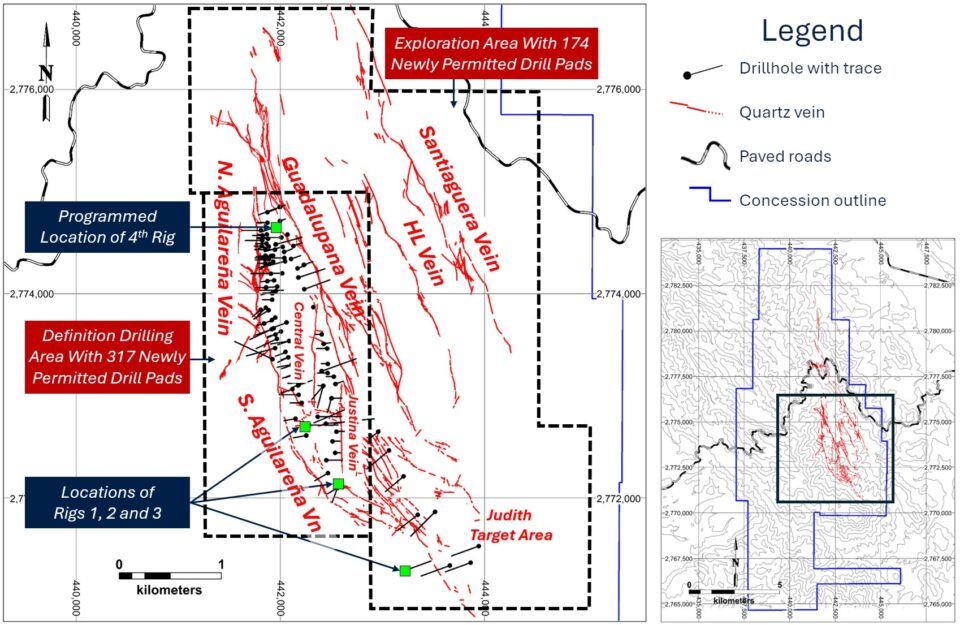
The company's initial drilling program aims to verify historical exploration results, test the extension of known mineralization, and provide geological information for integration into the regional geological model. Of the seven planned drill holes, five are designed as extension holes to test the potential strike extension of historically identified high-grade ore shoots. Richmond stated that only two drill holes directly targeted the high-grade core of the previously known mineralized system, while the remaining extension holes tested areas beyond the scope of prior drilling.
Over the past six months, the company has conducted a comprehensive review and integration of historical exploration data for the Martello Project to guide this drilling program. This review process covered historical mine records, assessment reports, geological mapping, drilling records, geophysical surveys, and academic studies spanning over a century of exploration activity.
This article is compiled by Wedoany. All AI citations must indicate the source as "Wedoany". If there is any infringement or other issues, please notify us promptly, and we will modify or delete it accordingly. Email: news@wedoany.com
Related Products

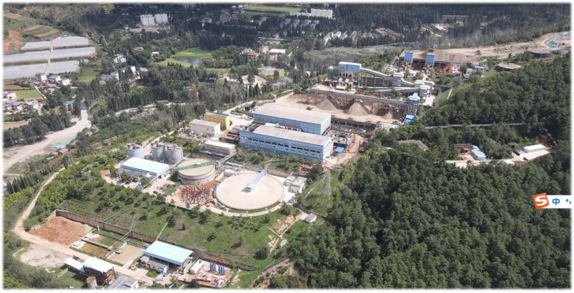
Yunnan Phosphorus Chemical Group Co., Ltd. 2 Million t/a Phosphorus Ore Mining and Beneficiation Project
China Bluestar Lehigh Engineering Corporation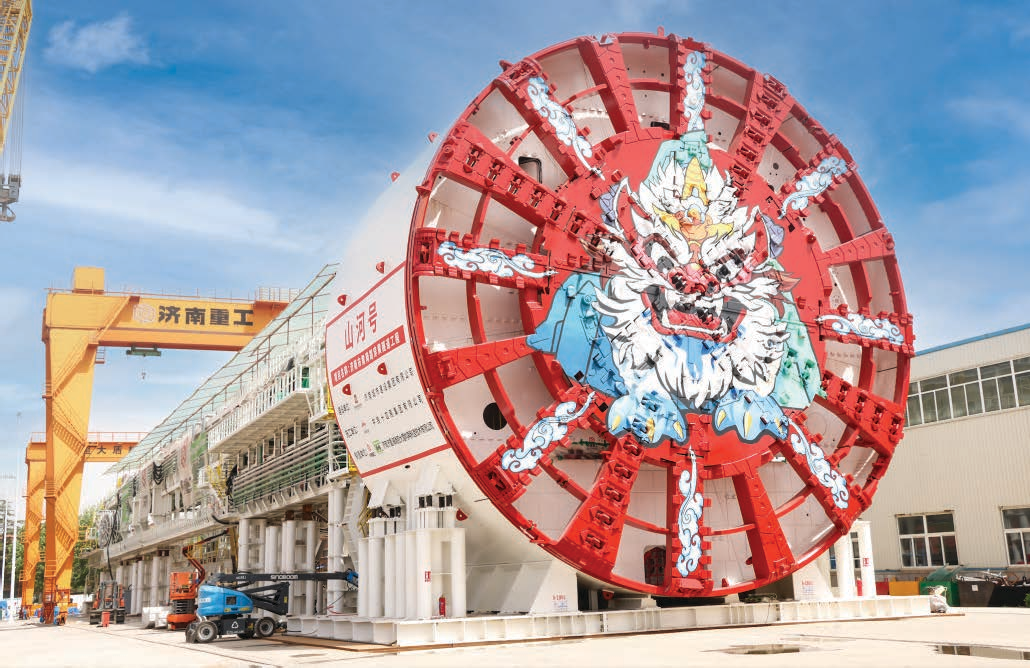
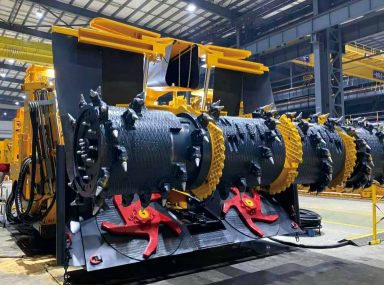
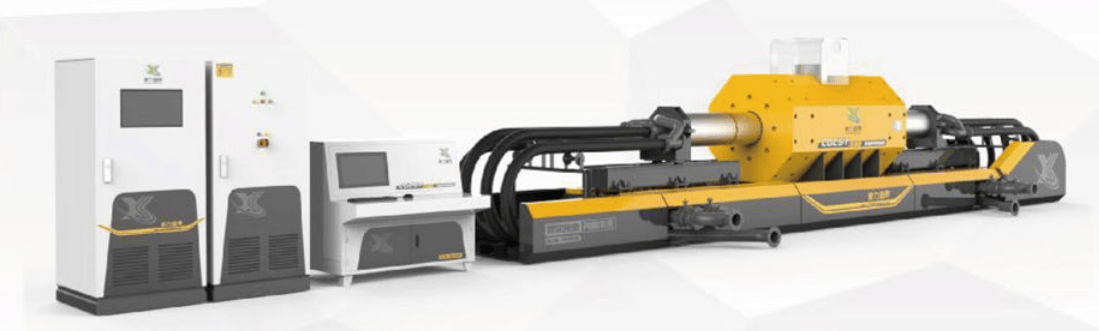
Integrated Excavation and Anchoring Machine (EJM Series)
China Railway Construction Heavy Industry Corporation Limited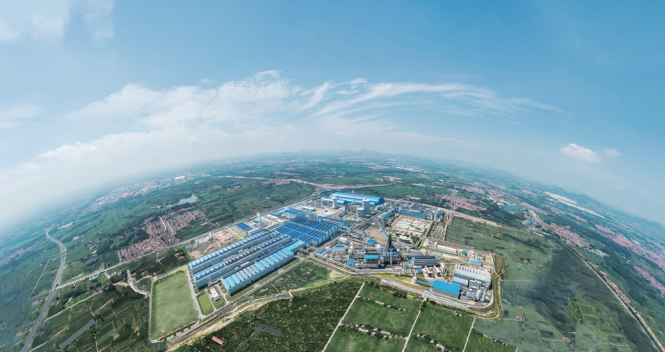
Linyi Steel Investment Special Steel 2.7 Million Tons per Year High-quality Special Steel Project
Capital Engineering & Research Incorporation Limited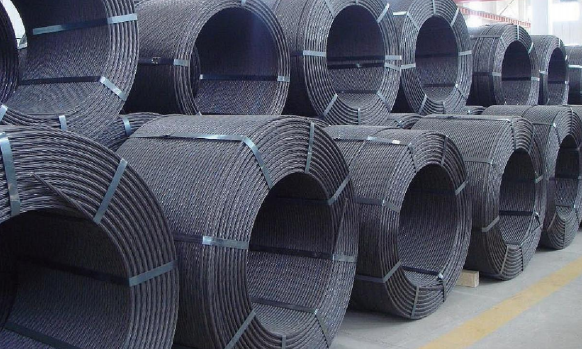

Mine Explosion-proof and Intrinsically Safe Industrial Ethernet Ring Network (10 Gigabit/Gigabit)
Chongqing Mas Sci&Tech Co., Ltd.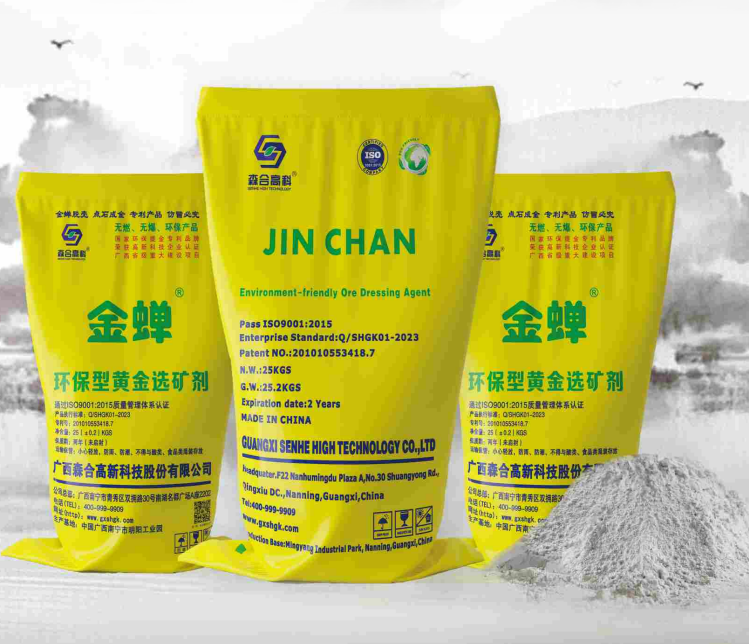


CITIC Heavy Industries Metallurgical Equipment Steel Smelting Engineering Equipment
CITIC Heavy Industries Co., Ltd.