AST SpaceMobile Plans to Launch Three BlueBird Satellites in August
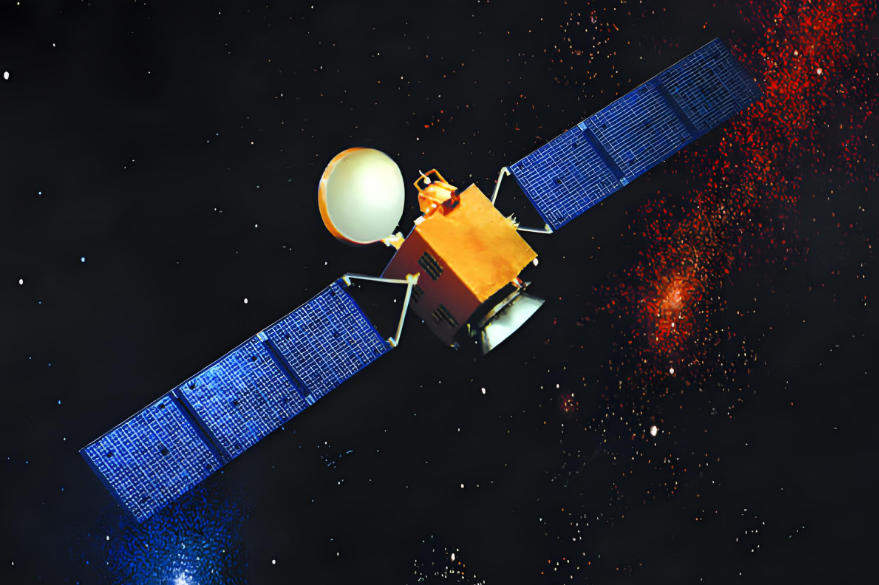
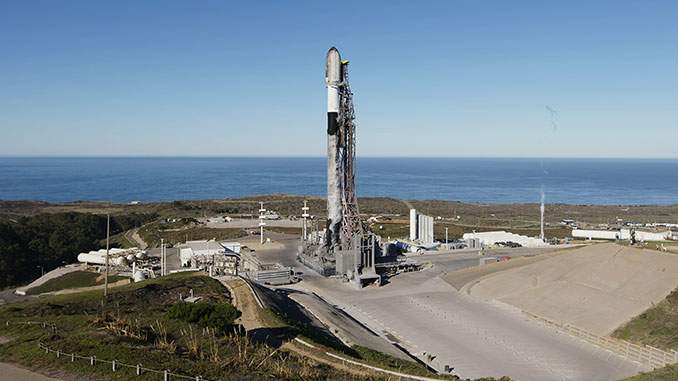
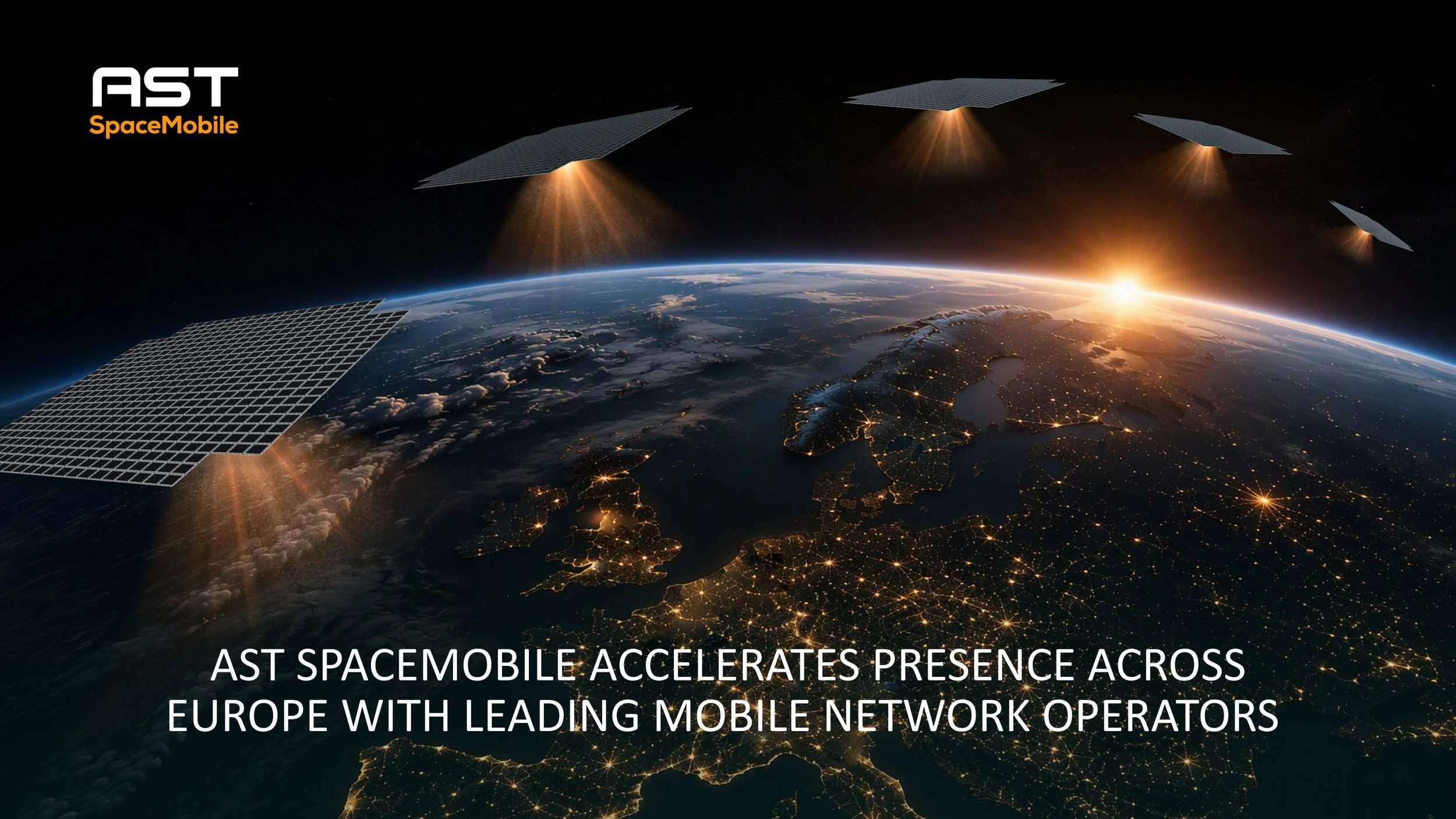
en.Wedoany.com Reported - AST SpaceMobile plans to launch three "BlueBird" satellites, numbered 11, 12, and 13, from Cape Canaveral in the first half of August. These satellites will join the low Earth orbit constellation, expanding its space-based cellular broadband network with the goal of providing direct voice, data, and video connectivity services to standard smartphones, without requiring users to use dedicated terminals or external devices.
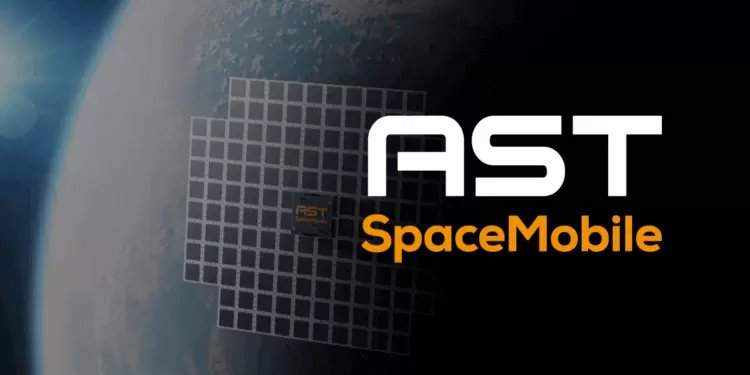
Each new satellite is equipped with a communications array of approximately 2,400 square feet (223 square meters), the same size as the BlueBird satellites currently in orbit. According to AST SpaceMobile, the peak data rates of these satellites are expected to be nearly double those of its initial Block 1 BlueBird satellites. The company recently demonstrated that a Block 1 satellite achieved a downlink speed of 98.9 Mbps directly to a standard smartphone. Meanwhile, the company's satellite manufacturing efforts continue to advance, with production and assembly of BlueBird 37 already underway.
These satellites utilize a stackable satellite architecture, supporting multi-satellite launches through advanced carbon composite structures to accelerate constellation deployment. AST SpaceMobile also emphasized its multi-vendor launch strategy, which it believes enhances deployment flexibility during network expansion. The company currently has agreements with nearly 60 mobile network operators worldwide, covering over 3 billion users. Its strategic partners include AT&T, Verizon, Vodafone, Rakuten, Google, Bell, Telus, stc Group, and American Tower.
AST SpaceMobile President Scott Wisniewski stated that each successful launch brings the company closer to its goal of enabling connectivity for people everywhere through space-based cellular broadband. He believes that BlueBird 11, 12, and 13 represent a continuation of the recent momentum in constellation development and mark a significant milestone as the company moves toward commercial service readiness.
AST SpaceMobile is steadily advancing its direct-to-device (D2D) satellite program. Unlike terrestrial satellite systems that rely on dedicated terminals, the company's architecture utilizes licensed cellular spectrum from mobile operator partners to directly connect with existing 4G and 5G smartphones. The successful deployment of BlueBird 11, 12, and 13 will further enhance constellation capacity, laying the foundation for enabling broader commercial services in the future.
This article is compiled by Wedoany. All AI citations must indicate the source as "Wedoany". If there is any infringement or other issues, please notify us promptly, and we will modify or delete it accordingly. Email: news@wedoany.com
Related Products


TWP16 P-Band Tropospheric Wind Profile Radar
China Huayun Meteorological Technology Group Co., Ltd.
GYTA Type Non-Self-Supporting Aerial/Duct Optical Cable
TONGDING INTERCONNECTION INFORMATION CO., LTD.
Comprehensive Mining Automation Control System
Beijing Tianma Intelligent Control Technology Co., Ltd.
Mine Explosion-proof and Intrinsically Safe Industrial Ethernet Ring Network (10 Gigabit/Gigabit)
Chongqing Mas Sci&Tech Co., Ltd.
Hot Selling 10 Inch Intel N5100 I5 I7 FHD 8 +128GB 16+256GB Win10 Pro Win11 Pro 4G 5G Rugged Tablet PC Pad with NFC Barcode
Highton Electronics Co., Ltd.

Multi-function Marine Monitoring Low-altitude Detection Radar Sea-air Boundary Ocean Dynamic Environment Measurement
Chengdu Dixin Technology Co., Ltd.