US TelcoAgent Achieves 5G Performance Prediction and Diagnosis Across 200 Cells
en.Wedoany.com Reported - A preprint published on arXiv introduces the TelcoAgent framework, which combines time series forecasting with a 3GPP knowledge graph to automate performance metric prediction and diagnosis for 5G networks. This work, released in June 2026, aims to address the challenges operators face in data understanding and standard alignment during large-scale network operations.
The core design of TelcoAgent consists of three components: a Time Series Foundation Model (TSFM) for cross-cell prediction, a multi-agent Large Language Model (LLM) reasoning layer responsible for interpreting prediction results, and an automatically constructed 3GPP knowledge graph. This knowledge graph constrains the LLM's reasoning conclusions, ensuring outputs comply with standard specifications. A key feature of the system is its zero-shot prediction capability, enabling simultaneous prediction of seven Key Performance Metrics (KPMs) across 200 cells without retraining the model for each site, while automatically generating likely causes of degradation and remediation suggestions.
In evaluations, the system was tested on urban-level 5G data from a US operator, covering all seven KPMs across 200 cells over three months. The authors report that TelcoAgent outperforms established baselines in prediction accuracy across all metrics and reliably links predicted performance issues to specific RAN functions, proposing concrete interventions. Unlike prior work such as TelcoAI, which serves only as a document assistant, TelcoAgent extends standard knowledge to operational prediction and real-time network reasoning.
To complement this research, an accompanying paper introduces TelcoAgent-Bench and TelcoAgent-Metrics, a dedicated benchmark for evaluating multilingual telecom LLM agents, covering tasks such as 3GPP specification reading, troubleshooting, and telecom data reasoning. This aligns with industry initiatives like the GSMA's Open-Telco LLM Benchmarks and the MM-Telco multimodal suite, aiming to establish specialized evaluation standards for telecom AI. Outstanding issues include how to coordinate these parallel evaluation efforts to form a common reference standard for operators and regulators.
More broadly, TelcoAgent emerges against the backdrop of 3GPP actively defining AI/ML management for 5G systems and vendors like Amdocs proposing the concept of "telco-grade agents." This direction points toward self-healing and self-optimizing networks, where AI agents will become auditable, standards-compliant components. However, the paper also explicitly acknowledges the limitations of the current study: the evaluation scope covers only one US operator, 200 cells, and three months of data, and has not yet demonstrated performance in true closed-loop deployment or Network Management System (NMS) integration. Additionally, the framework's strict adherence to 3GPP specifications may limit its flexibility when faced with operators' actual field optimization practices, and governance and certification frameworks for autonomous telecom AI agents remain absent.
This article is compiled by Wedoany. All AI citations must indicate the source as "Wedoany". If there is any infringement or other issues, please notify us promptly, and we will modify or delete it accordingly. Email: news@wedoany.com
Related Products
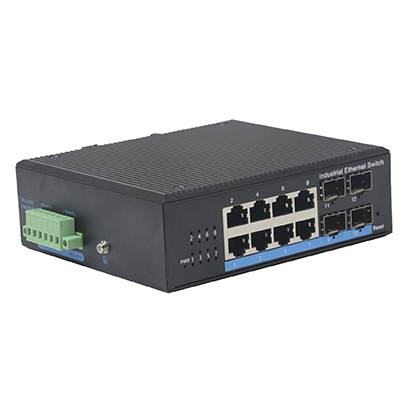

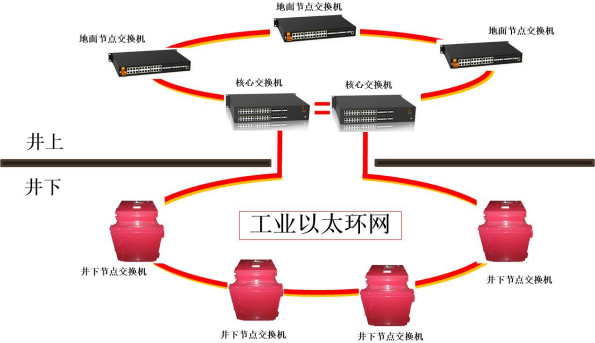
Mine Explosion-proof and Intrinsically Safe Industrial Ethernet Ring Network (10 Gigabit/Gigabit)
Chongqing Mas Sci&Tech Co., Ltd.

GYTA Type Non-Self-Supporting Aerial/Duct Optical Cable
TONGDING INTERCONNECTION INFORMATION CO., LTD.

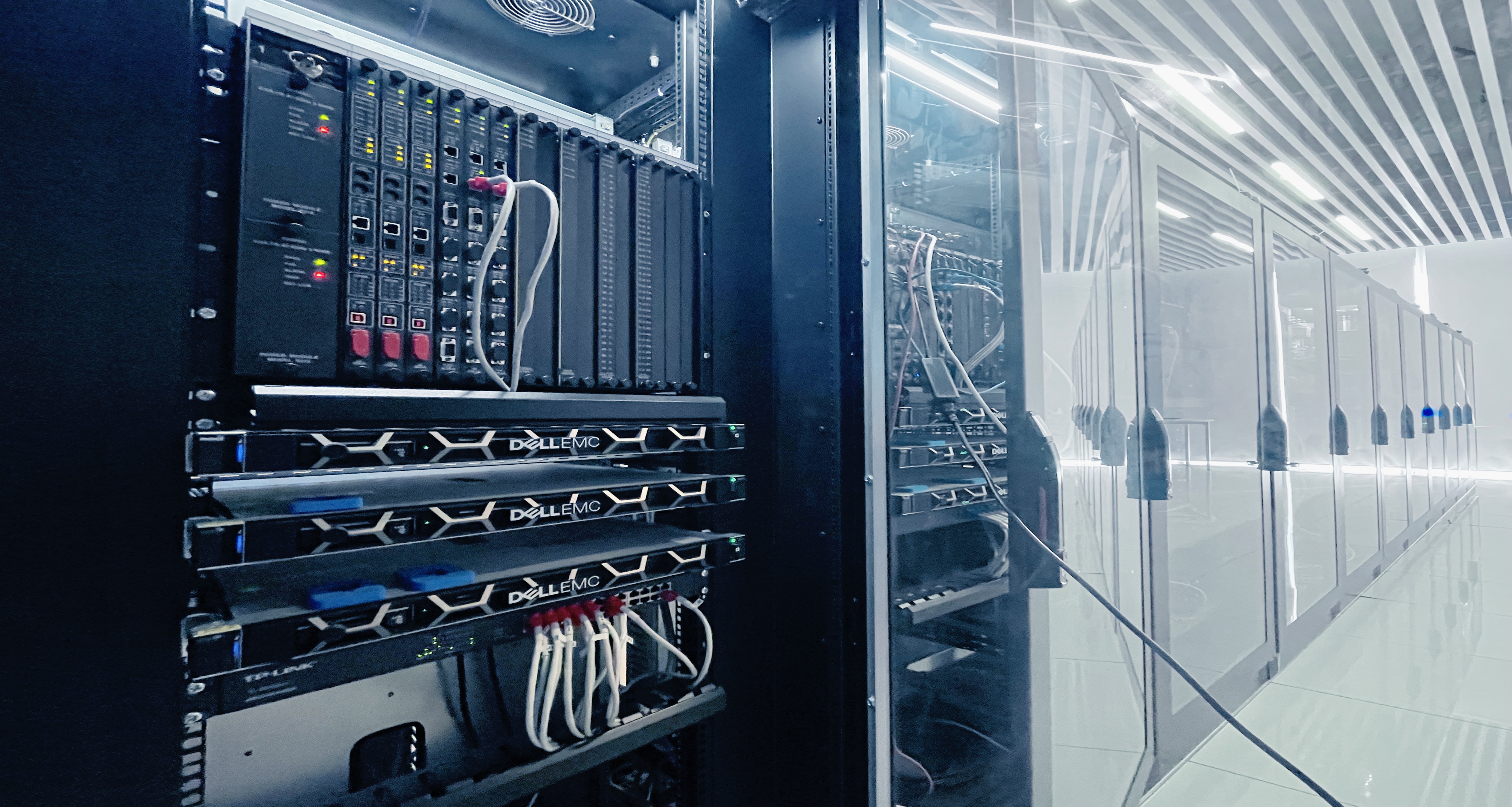

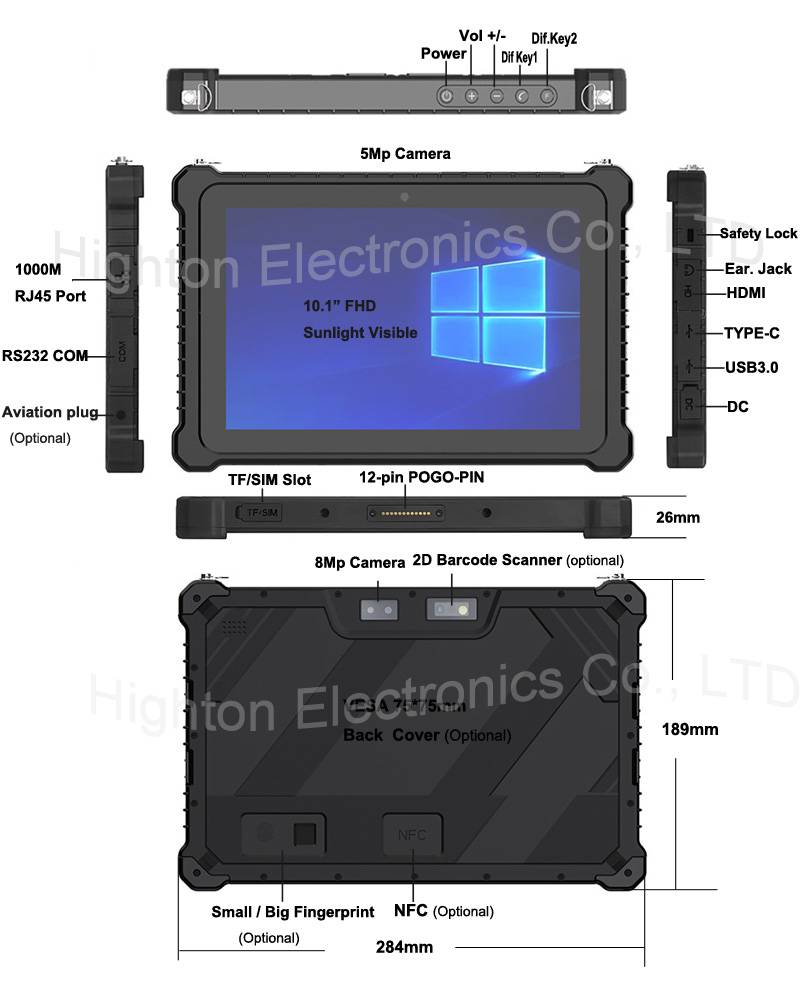
Hot Selling 10 Inch Intel N5100 I5 I7 FHD 8 +128GB 16+256GB Win10 Pro Win11 Pro 4G 5G Rugged Tablet PC Pad with NFC Barcode
Highton Electronics Co., Ltd.
Comprehensive Mining Automation Control System
Beijing Tianma Intelligent Control Technology Co., Ltd.