en.Wedoany.com Reported - The Local Government Association of Queensland (LGAQ) has welcomed the increased infrastructure investment in the state budget, particularly the doubling of the Residential Activation Fund, but noted that councils still face funding gaps in key service areas.
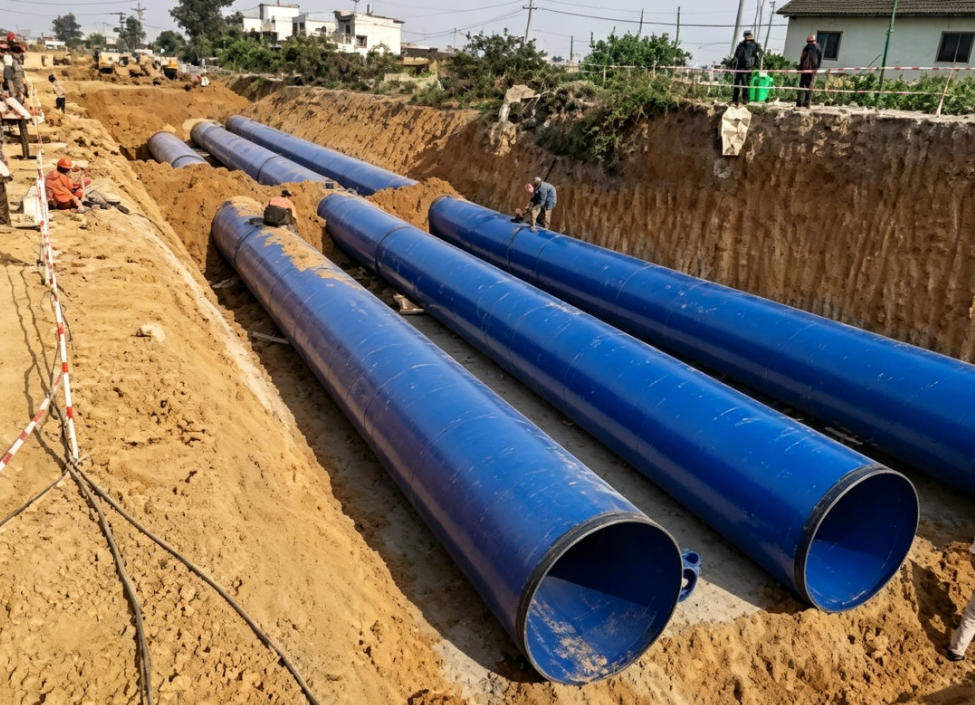
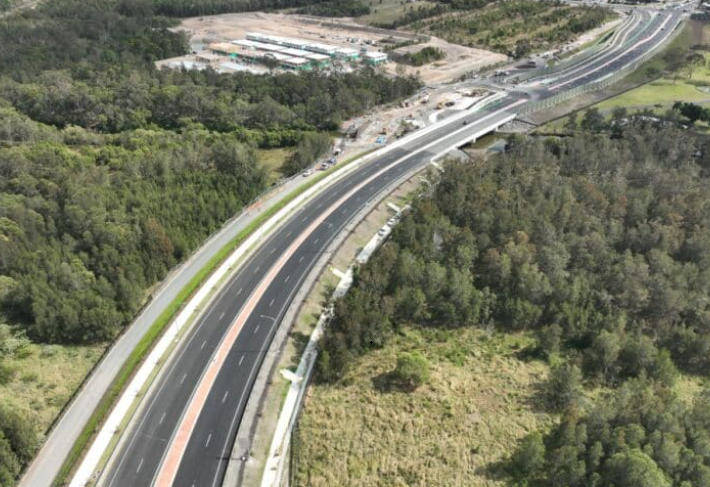
Funding for the Transport Infrastructure Development Scheme (TIDS) is capped at AUD 76 million per year, and as delivery costs rise, councils are forced to bear increasing road maintenance expenses. The LGAQ believes another key omission is the lack of a dedicated funding program to address the state's aging water and sewerage infrastructure, with councils continuing to call for millions of dollars in annual investment to support necessary upgrades.
The LGAQ stated that while targeted funding measures are welcome, broader fiscal pressures remain, particularly in the delivery of regional and local infrastructure. Queensland families are facing a rising state waste tax, as the state budget failed to suspend rebate payments to councils to protect residents. Budget documents show the tax will generate an additional AUD 500 million for the government over the next four years, with households in levy areas expected to pay more.
The LGAQ expressed disappointment over the continued reduction in waste tax advance payments to councils, which were originally intended to offset related costs for households. LGAQ Chief Executive Officer Alison Smith said the organization will continue to support councils and oppose the waste tax, while advocating for a six-point plan encompassing multiple waste solutions.
Prior to the state budget announcement, the LGAQ called for increased infrastructure investment, including raising TIDS funding to AUD 100 million per year, reintroducing the water and sewerage infrastructure program, and providing long-term support for resource recovery and community infrastructure projects. Smith said councils receive only 3% of total national tax revenue and rely heavily on federal and state governments for funding to support daily services. She noted that one of the biggest challenges facing councils is the looming "infrastructure cliff," with a AUD 5 billion funding gap for urgently needed water infrastructure upgrades. The LGAQ's "Last Drop" report shows Queenslanders are already feeling the consequences, with some households and businesses experiencing water supply disruptions. The report offers solutions, as without urgent support, the gap between state infrastructure needs and available funding will continue to widen. Smith also said councils are shocked by the federal government's recent announcement of its intention to strip them of critical disaster recovery funding, and these pressures highlight the need for other levels of government to provide more financial support to councils to improve community livability and economic activity.
This article is compiled by Wedoany. All AI citations must indicate the source as "Wedoany". If there is any infringement or other issues, please notify us promptly, and we will modify or delete it accordingly. Email: news@wedoany.com