German Machine Tool Industry Orders Up 15% Year-on-Year in Q1 2026
en.Wedoany.com Reported - Germany's machine tool industry has shown initial signs of recovery after a prolonged downturn, with new orders in the first quarter of 2026 increasing by 15% compared to the same period last year. However, industry associations believe this growth is primarily driven by a low comparison base and cannot yet be considered a trend reversal. Orders from overseas and domestic markets grew by 14% and 18% respectively, contributing almost equally, with the domestic order base being particularly weak. Temporary orders and project-based business played a key driving role. Meanwhile, after-sales services and equipment upgrade and retrofit operations continue to serve as a stable support factor for the industry.
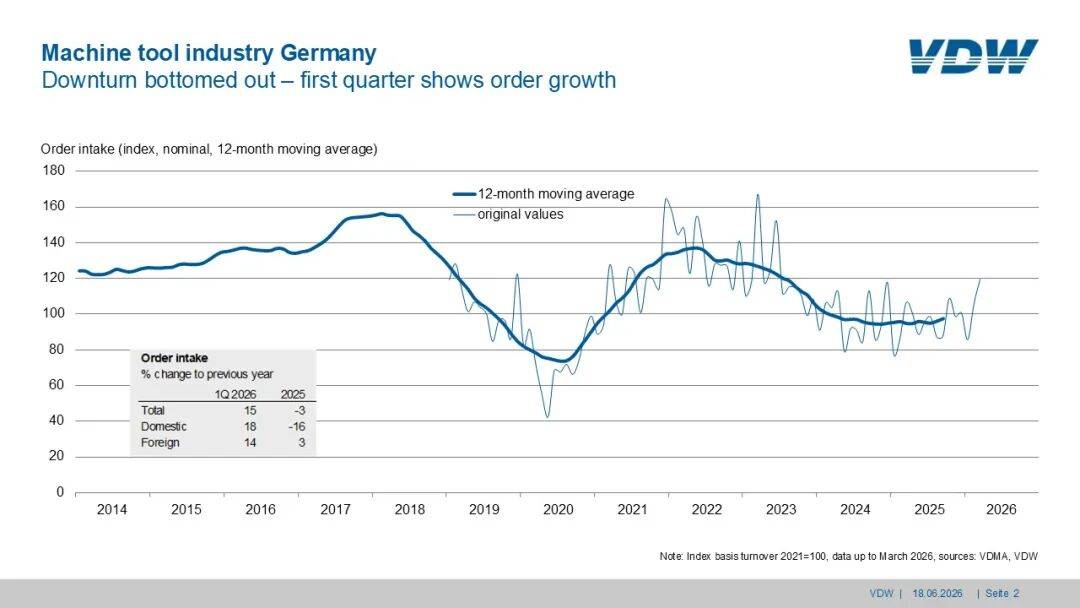
Bernhard Geis, Head of the Economics and Statistics Department at the German Machine Tool Builders' Association (VDW), stated in his assessment of the current situation that the industry appears to have bottomed out, but is far from achieving a trend reversal. Performance in the coming months will be key to testing whether the recovery can be sustained.
At the overall operational level, the industry's production value in the first quarter fell by 11% year-on-year to 2.8 billion euros. Domestic sales declined by 13%, performing worse than the 10% drop in export sales. Performance varied significantly across downstream sectors: aerospace, defense, medical technology, and electronics showed positive trends, while metal processing, mechanical engineering, and the automotive and parts supply industry remained weak. Among regional markets, the U.S. market became a growth engine for German machine tool shipments (+8%), while the European market lagged significantly (-11%). Exports to Asia fell by 18%, with a sharp 32% drop in exports to China being the main drag. Facing intense price competition, German manufacturers with local production capacity have adopted "localized production, localized supply" as a core principle. Additionally, the Indian market grew strongly, rising to become the third-largest export market for German machine tools.
Machine tool imports fell by 8% in the first quarter. Although this performance was slightly better than domestic sales, it still reflects the weakness of the German domestic market. Japanese manufacturers even achieved counter-trend sales growth in the German market. Overall, domestic machine tool consumption fell by 10%, further confirming insufficient domestic investment momentum. Enterprise capacity utilization continued to decline, with the latest data dropping to 73%. As of March, the total number of employees in the industry stood at 60,600, a decrease of nearly 9% year-on-year.
Bernhard Geis concluded that the order growth in the first quarter is a positive leading indicator, but it does not mean the crisis is over. To achieve a steady recovery, it is urgent to boost investment confidence and create a more stable and reliable macroeconomic environment.
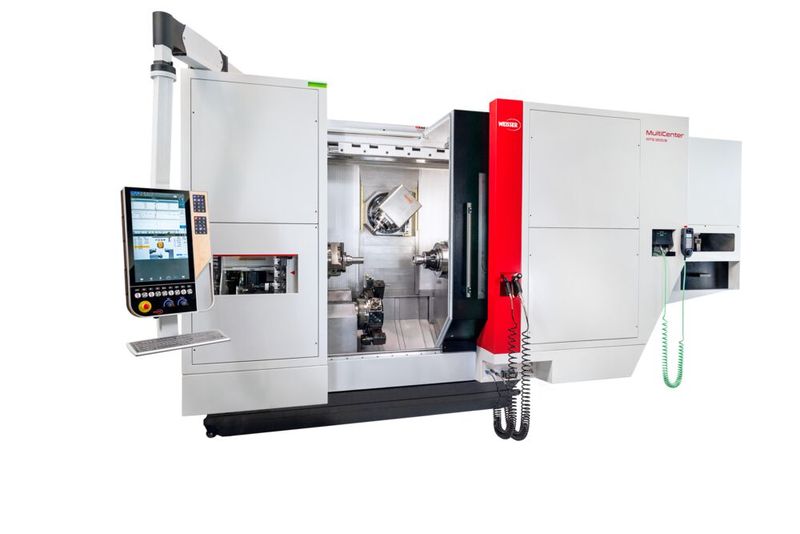
The German machine tool industry is one of the five core branches of mechanical engineering, providing production equipment and technology for metal processing across various industrial sectors. Its development trend is regarded as an important barometer for measuring the overall health of the industrial economy. In 2025, the industry's total output value of machine tool equipment and services, generated by approximately 64,500 employees (in companies with more than 50 employees), was around 13.8 billion euros.
This article is compiled by Wedoany. All AI citations must indicate the source as "Wedoany". If there is any infringement or other issues, please notify us promptly, and we will modify or delete it accordingly. Email: news@wedoany.com
Related Products
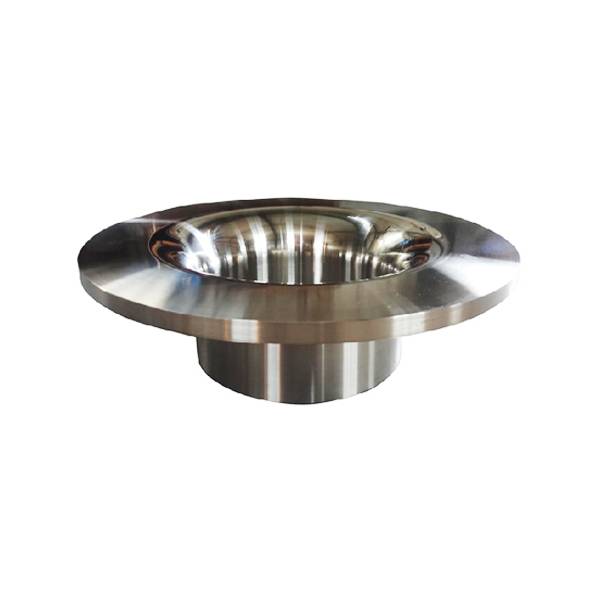

Standard Nozzle Flowmeter
Jinggong Automatic Control Instrument Complete Technology Development Company
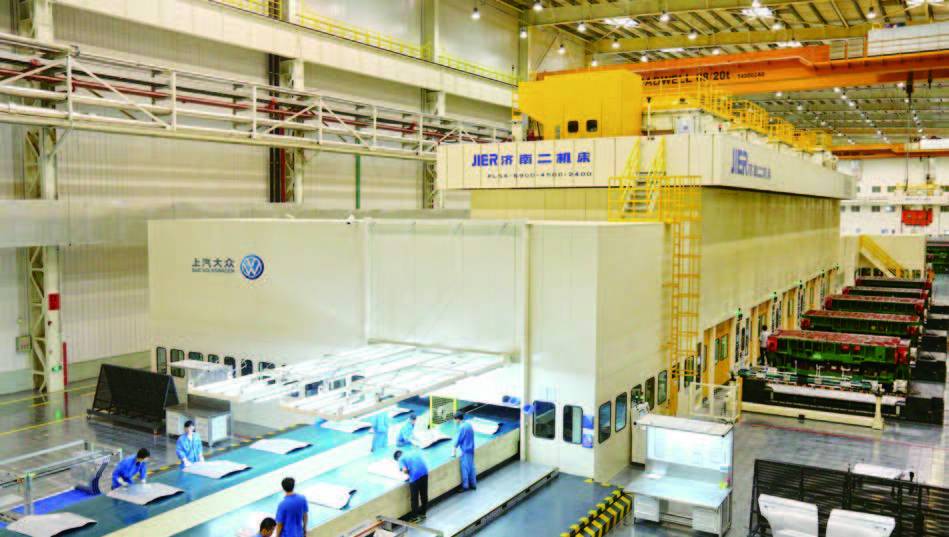
High-Speed Flexible Fully Automatic Stamping Production Line
JIER Machine-Tool Group Co., Ltd.

Industrial and Commercial Point-Type Gas Detector
Jinan Benan Technology Development Co., Ltd.

CAP1400 main feedwater flow nozzle flowmeter.
Jiangsu Hongda Instrument Technology Co., LTD.
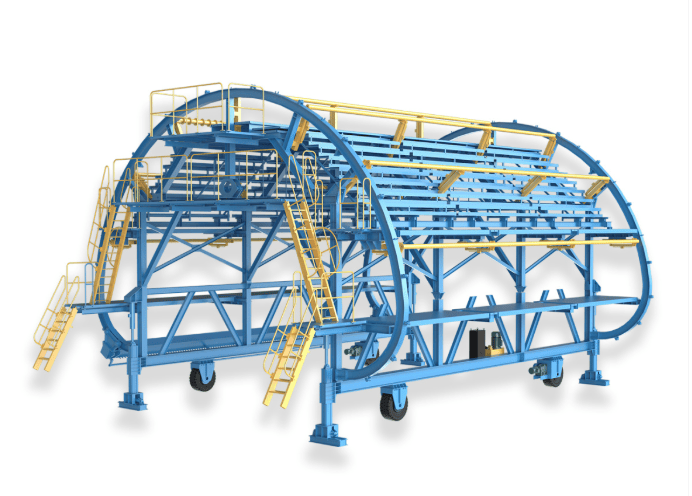
QLZNGJ Intelligent Steel Reinforcement Trolley
Luoyang China Railway Qiangli Machinery Co., Ltd.