Russian IVA Technologies and Forensic Science Center Collaborate to Develop Deepfake Detection Standards
en.Wedoany.com Reported - IVA Technologies has signed a cooperation agreement with the Russian Federal Center of Forensic Science under the Ministry of Justice of the Russian Federation (FBU RFTSEM under the Ministry of Justice of Russia). The two parties will integrate expert and technological resources to jointly develop science-based deepfake detection methods and establish unified standards and criteria for forensic examination of multimedia content.
The agreement was signed by Viktor Petrov, Technical Advisor at IVA Technologies, and Alexey Mamontov, Director of the Russian Federal Center of Forensic Science named after Professor A.R. Shlyakhov (FBU RFTSEM named after Professor A.R. Shlyakhov under the Ministry of Justice of Russia), at the 14th St. Petersburg International Legal Forum.
The two parties will jointly draft the "Basic Standards for Secure Video Conferencing of Federal Executive Authorities." This draft will stipulate mandatory verification requirements for video streams of participants with high access privileges, procedures for responding to identity forgery incidents (including blocking, notification, and recording of incidents for subsequent forensic examination), and recommendations for integrating video conferencing services with existing systems (including unified identity authentication systems and encryption protection tools). The draft standard is planned to be submitted to the Ministry of Digital Development, Communications and Mass Media of the Russian Federation and the Ministry of Justice of Russia for consideration as a recommended document, with the potential for implementation across federal executive authorities.
For Russian state agencies, video conferencing is a key management service used for meetings, training, and interdepartmental collaboration. Successful forgery of a video participant's identity could lead to false instructions being treated as genuine, with risks heightened particularly during large-scale connections. According to BI.Zone AntiFraud data, the number of deepfake-related incidents increased by 2.3 times in 2025; experts at Sberbank estimate that the annual growth rate of such attacks could reach 3000% in the coming years.
Alexey Mamontov, Director of the Russian Federal Center of Forensic Science named after Professor A.R. Shlyakhov, stated that signing the agreement with a technology leader in the video conferencing field is of strategic importance for the entire forensic system. Combining the practical experience of forensic experts with advanced technology can rapidly improve deepfake detection methods and integrate them into the architecture of video conferencing platforms. The goal is to establish a reliable preventive barrier, identify forgeries in real time, and ensure the security and trust of every video call.
Viktor Petrov, Technical Advisor at IVA Technologies, noted that the focus in the past was on protecting perimeters and preventing unauthorized system access, but today's challenges have shifted to within video conferences—attackers no longer need to breach infrastructure; they only need to use deepfake technology to replace participant identities. This risk is particularly prominent in large meetings and cross-departmental activities. Therefore, it is essential not only to ensure the security of communication channels but also to learn to reliably verify the authenticity of the video stream itself.
This article is compiled by Wedoany. All AI citations must indicate the source as "Wedoany". If there is any infringement or other issues, please notify us promptly, and we will modify or delete it accordingly. Email: news@wedoany.com
Related Products
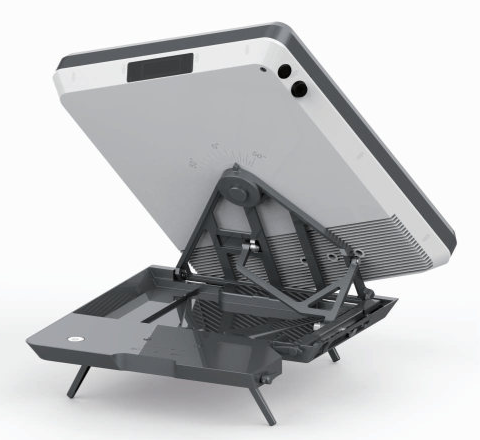

Flat Portable Satellite Terminal 0.35m Aperture Manual Portable Terminal
China Starwin Science & Technology Co., Ltd.



Multi-function Marine Monitoring Low-altitude Detection Radar Sea-air Boundary Ocean Dynamic Environment Measurement
Chengdu Dixin Technology Co., Ltd.

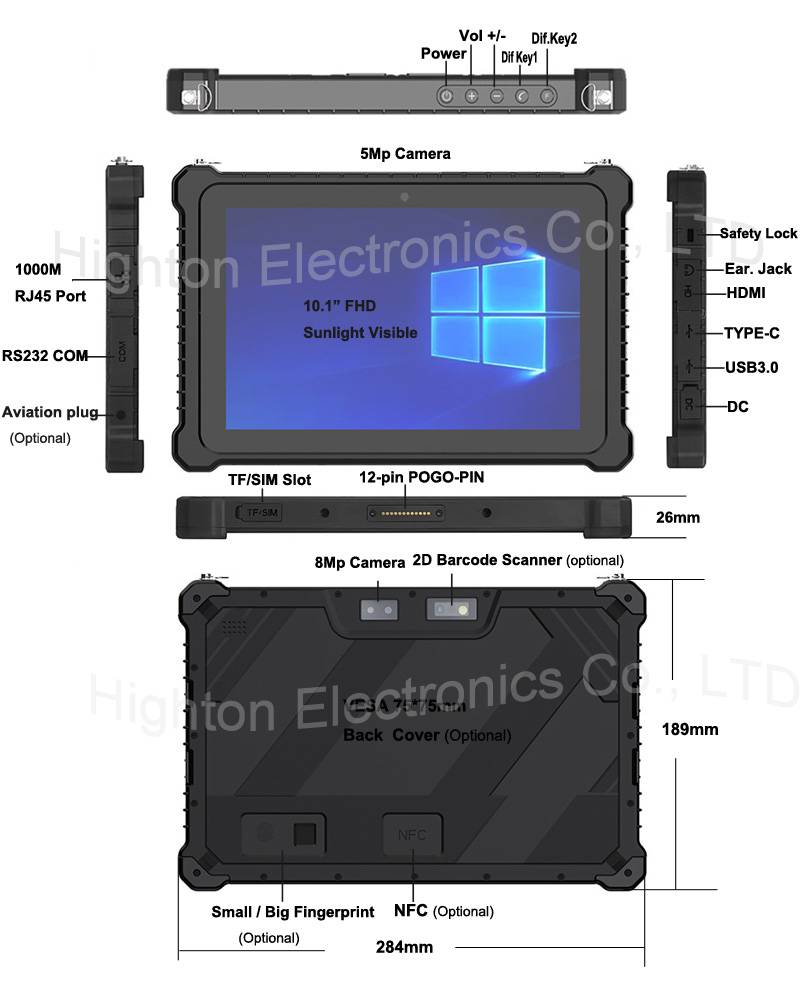
Hot Selling 10 Inch Intel N5100 I5 I7 FHD 8 +128GB 16+256GB Win10 Pro Win11 Pro 4G 5G Rugged Tablet PC Pad with NFC Barcode
Highton Electronics Co., Ltd.