en.Wedoany.com Reported - At the Config 2026 conference, Figma released a suite of tools aimed at more tightly integrating design, programming, animation, and AI features into its namesake web application, serving the end-to-end development process of digital products. The company plans to roll out these tools gradually over the coming weeks.
Teams will no longer need to complete a website design in Photoshop before converting it into code; instead, they can execute as many stages of app and page building as possible within a shared workspace. Central to this is Figma Canvas, a work environment that integrates programming, animation, visual effects, and AI services.
One of the most significant new features is the ability to edit program code directly within the design area. Developers can take over the source code of an existing project, make modifications, and then resynchronize it with the original codebase. A built-in AI agent will provide alternative solutions or convert processes into editable design elements.
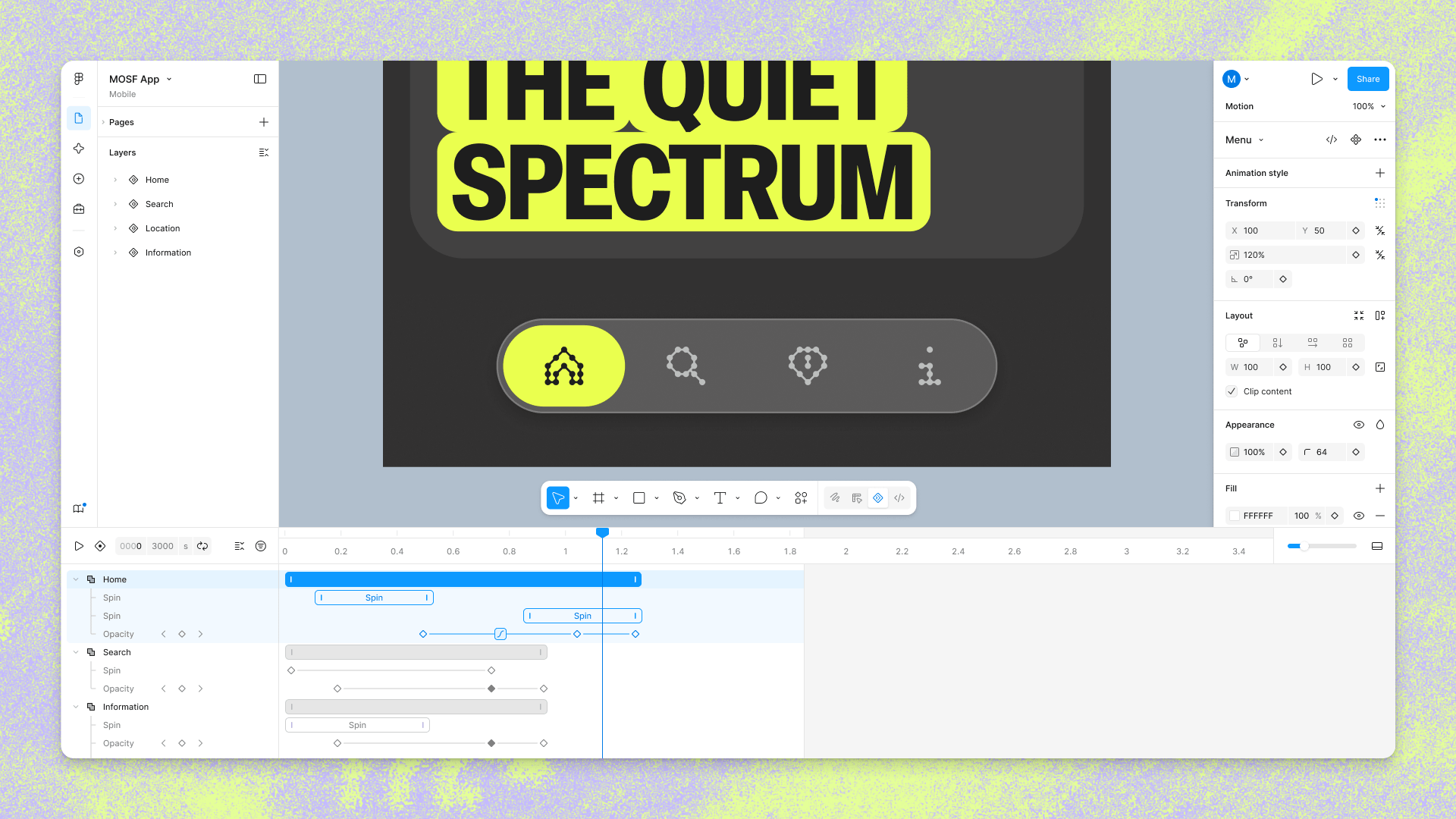
With "Figma Motion," the company introduced a tool for animation and 3D scenes. Animations can be generated via a traditional timeline or with the help of artificial intelligence prompts. Created content remains linked to the design system in use, making it easy to reuse in subsequent development.
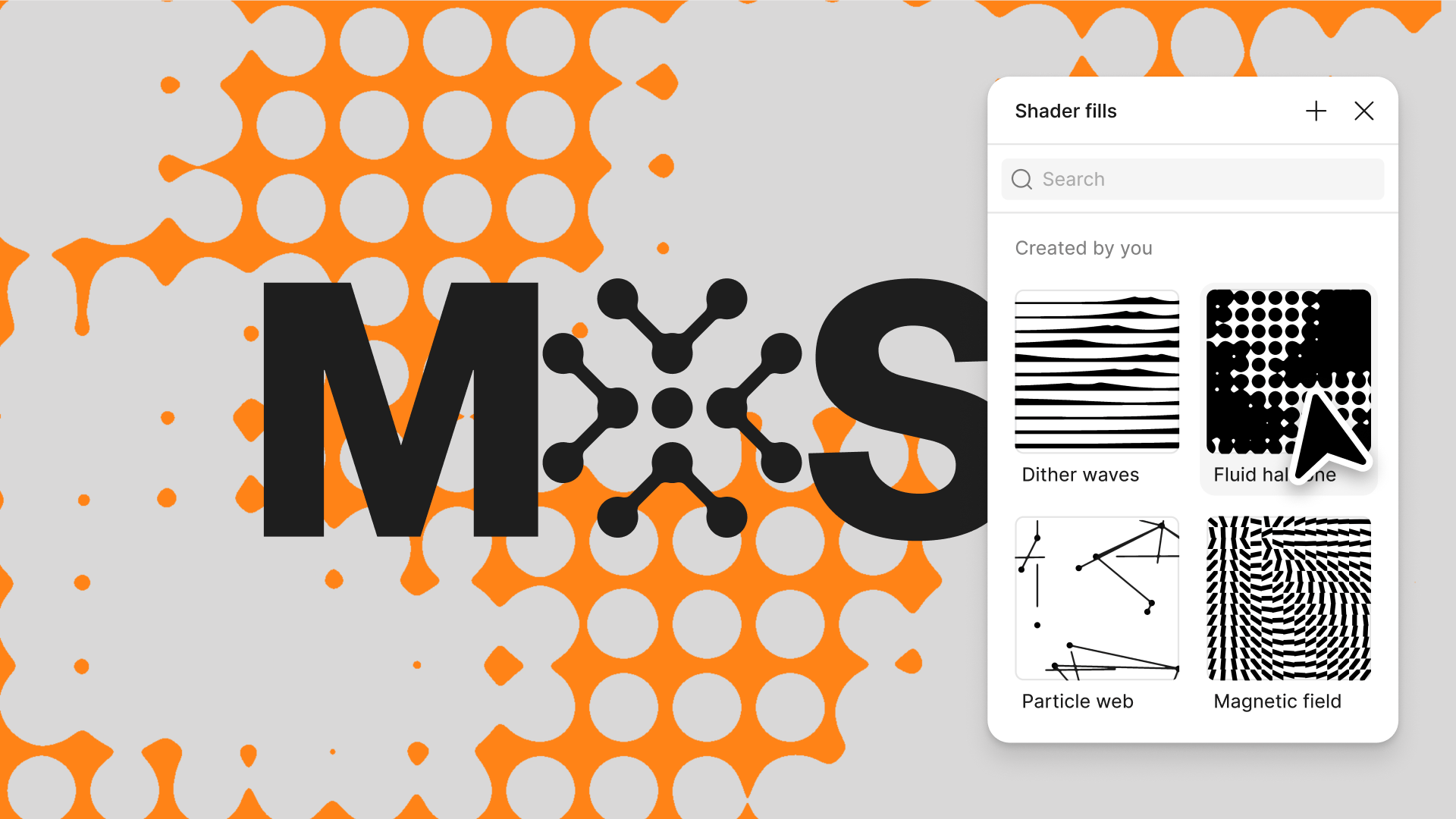
Figma also leverages artificial intelligence for visual effects. Through so-called shaders, surfaces, gradients, and effects such as pixelation, dithering, or blur can be generated via text input.
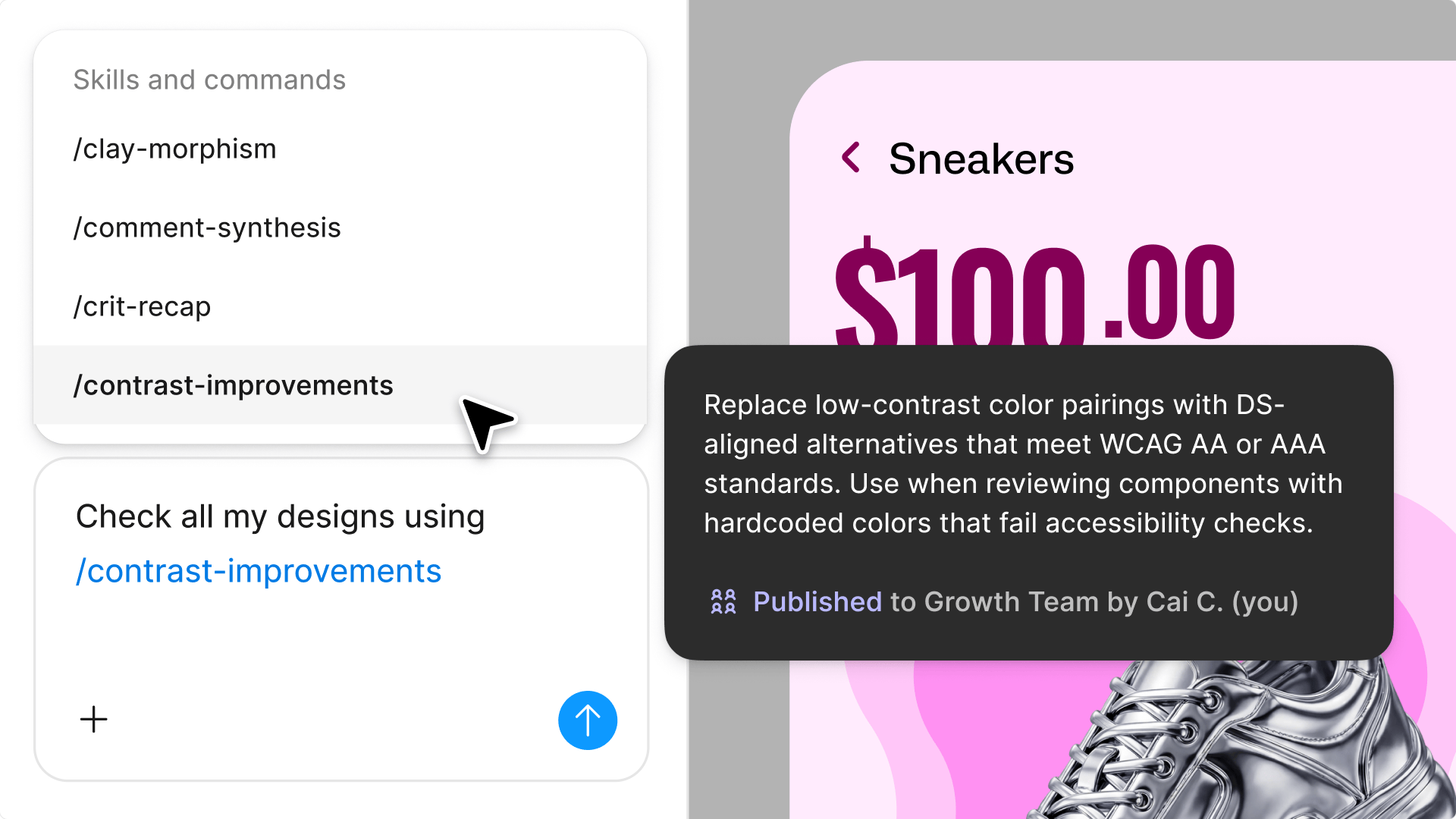
Users can access Figma Agent through the workspace. This AI assistant can answer questions, create designs, and handle repetitive tasks. Workflows can be saved as "Agent Skills" and shared within teams in the future. Additionally, users can create their own plugins using the AI agent. Figma Agent can access information sources such as web searches, file attachments, and external service interfaces, allowing the AI to consider more contextual information when making suggestions.
These AI capabilities will also extend to the company's other products. In FigJam, it helps organize, analyze, and visualize ideas. In Figma Slides, it assists in creating and modifying presentations and summarizing feedback. Additionally, there is "Figma Weave Workflows," a collection of approximately 20 AI tools with features including developing design styles from reference images, automatically adjusting themes to fit different formats, removing image backgrounds, converting images into short videos, and creating 3D models and multi-layer image composites.
This article is compiled by Wedoany. All AI citations must indicate the source as "Wedoany". If there is any infringement or other issues, please notify us promptly, and we will modify or delete it accordingly. Email: news@wedoany.com
Related Products
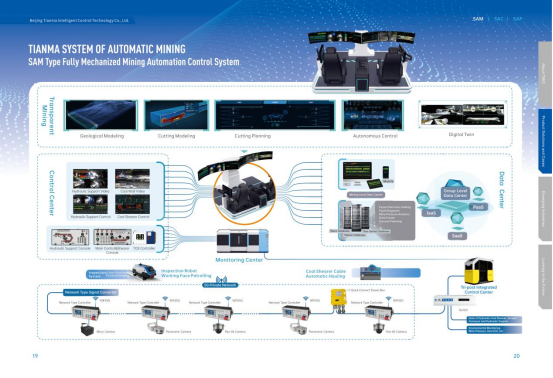

Comprehensive Mining Automation Control System
Beijing Tianma Intelligent Control Technology Co., Ltd.
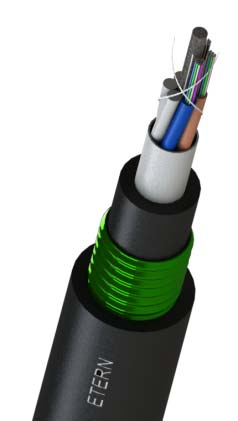

Mine Explosion-proof and Intrinsically Safe Industrial Ethernet Ring Network (10 Gigabit/Gigabit)
Chongqing Mas Sci&Tech Co., Ltd.



20 Inch 1600*900 Full HD 60Hz TFT LED Monitor with VGA and DP Interfaces for Desktop Computers-Business Use
Guangzhou Zanying Optoelectronics Technology Co., Ltd.
Automatic Aiming Laser Remote Obstacle Removal Robot
Pinggao Group Weihai High-Voltage Apparatus Co., Ltd.