CESI Advances Synchronous Condenser Projects in Saudi Arabia
en.Wedoany.com Reported - The revival of synchronous condensers has become a technical option for the power industry to maintain grid stability while integrating more renewable energy generation. A synchronous condenser is essentially a large rotating machine connected to the grid. It does not generate electricity through fuel, steam, or water but rotates synchronously with the grid, functioning like a heavy flywheel to provide support during sudden changes in system conditions.
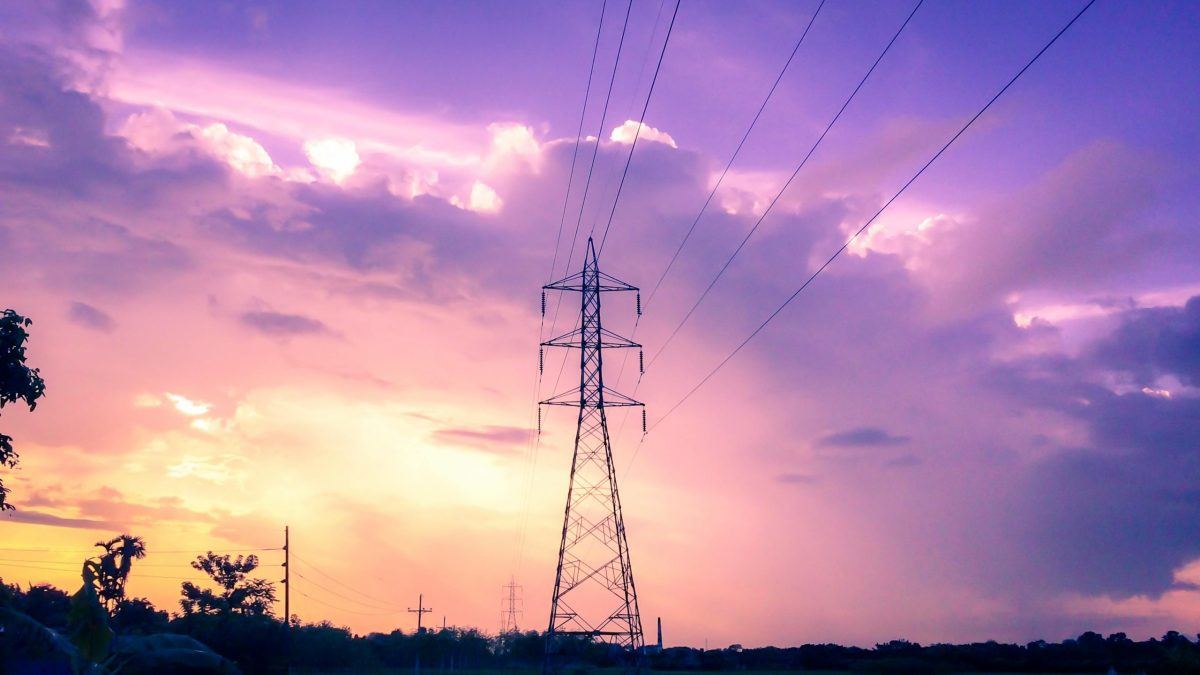
In the past, grid stability primarily relied on the rotating machinery of large conventional power plants, such as gas-fired, coal-fired, or hydropower plants, which helped support voltage and provide strength during disturbances. As the share of renewable energy sources like solar and wind power increases, many traditional power plants are being retired or operating less frequently. Since renewable energy plants are typically connected to the grid via power electronic devices, they cannot automatically provide the same physical stability as rotating machinery. Synchronous condensers can provide inertia, voltage support, reactive power, and short-circuit strength, helping the grid safely absorb more renewable energy.
When a power system requires multiple stability services simultaneously, synchronous condenser solutions are often cost-effective. For example, if a grid area needs stronger voltage control, additional short-circuit strength, inertia support, and dynamic support, a synchronous condenser can provide these services through a single asset. This approach may be more efficient than keeping conventional power plants online solely for grid support or relying on multiple separate technical solutions. This technology is suitable for weak grid areas, regions with high renewable energy penetration, areas near large industrial loads, and regions where traditional thermal power plants are being retired but their stabilizing effects are still needed.
CESI has conducted multiple consulting studies and owner's engineering activities related to synchronous condensers, assessing technical needs, optimal siting, sizing, and system integration for utilities and system operators. CESI recently participated in a development plan for a synchronous condenser project in Saudi Arabia, providing support for one of the key infrastructure projects aimed at strengthening the grid and driving the energy transition.
This article is compiled by Wedoany. All AI citations must indicate the source as "Wedoany". If there is any infringement or other issues, please notify us promptly, and we will modify or delete it accordingly. Email: news@wedoany.com
Related Products

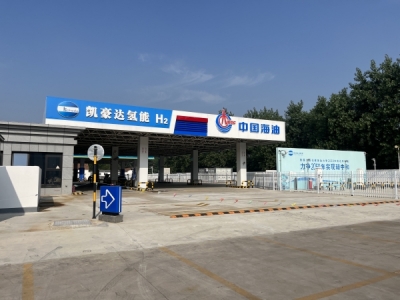
Hydrogen production and hydrogenation charging refueling gas integrated energy station
Shenzhen Kohodo Hydrogen Energy Co., Ltd.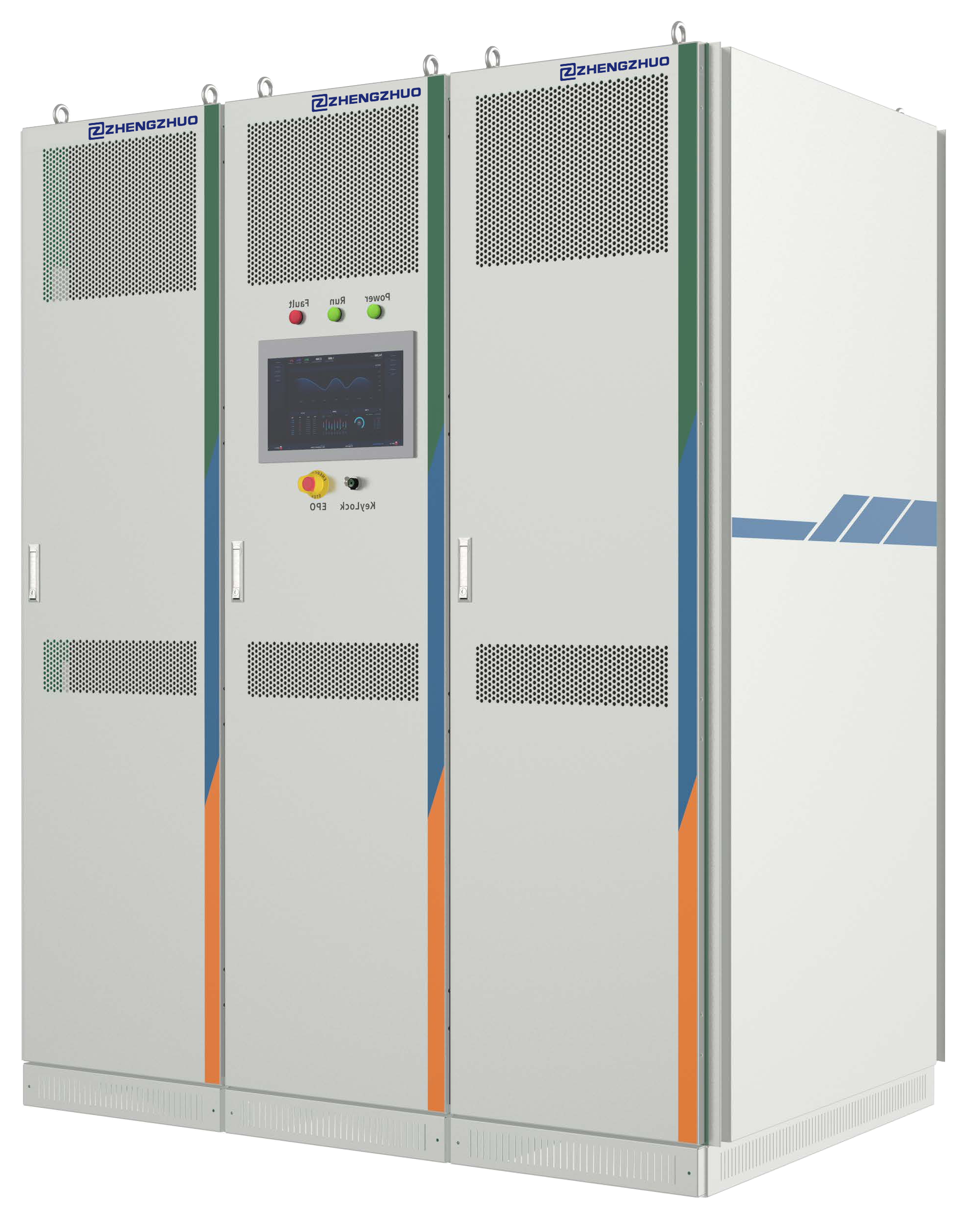
IGBT Hydrogen Production Power Supply - High Power Air Cooling
Beijing Zhengzhuo Engineering Technology Co., Ltd.
220kV Composite Outdoor Cable Terminal
Shenyang Guolian Cable Accessories Manufacture Co., Ltd.
Ultrasonic Wind Speed and Direction Instrument
Kingmach Measurement & Monitoring Technology Co., Ltd.
Quick-Change Single-Seat Control Valve / Quick-Change High-Pressure Single-Seat Control Valve
Beijing Consen Automation Technology Co., Ltd.
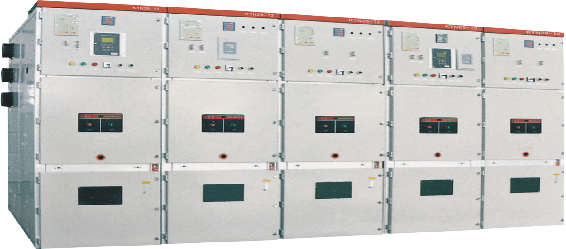
KYN28-12/24 Indoor High-Voltage Metal-Clad Removable Switchgear
Shenzhen Zhaoyang Hui Technology Co., Ltd.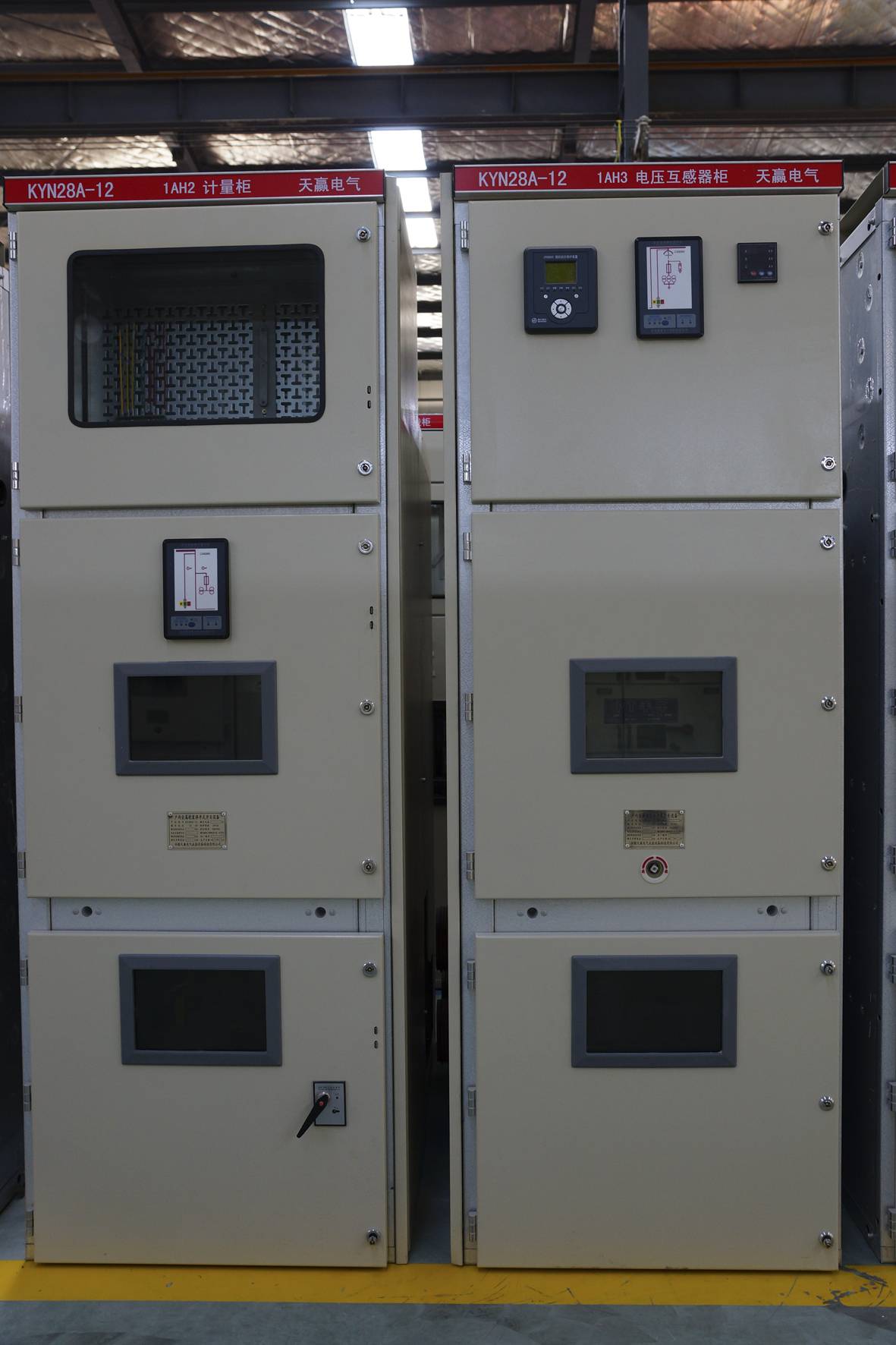
KYN28 - High Voltage Switchgear
Anhui Tianying Electrical Equipment Manufacturing Co., Ltd.

Pneumatic high-pressure wear-resistant ball valve
Zhejiang Deca Control Valve Meter Co., Ltd.