Brazil's MRN Develops Bauxite Texture Classification Model to Optimize Mining Process
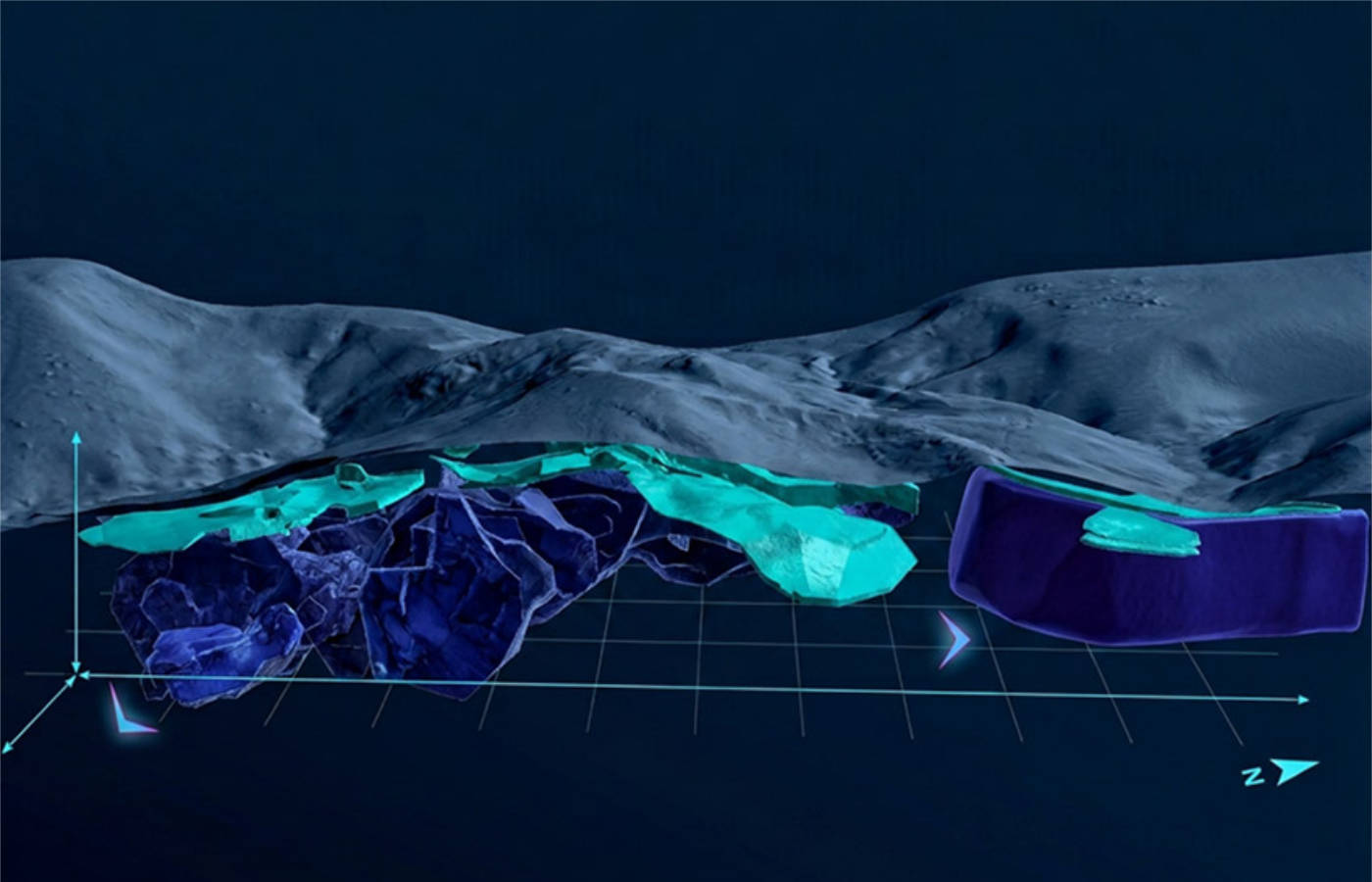
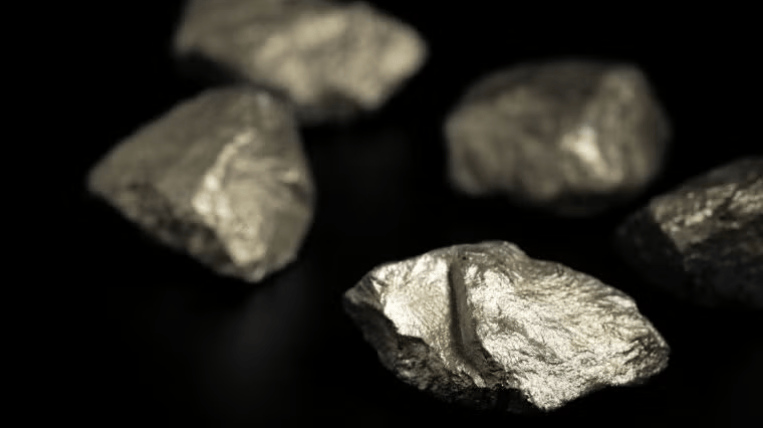
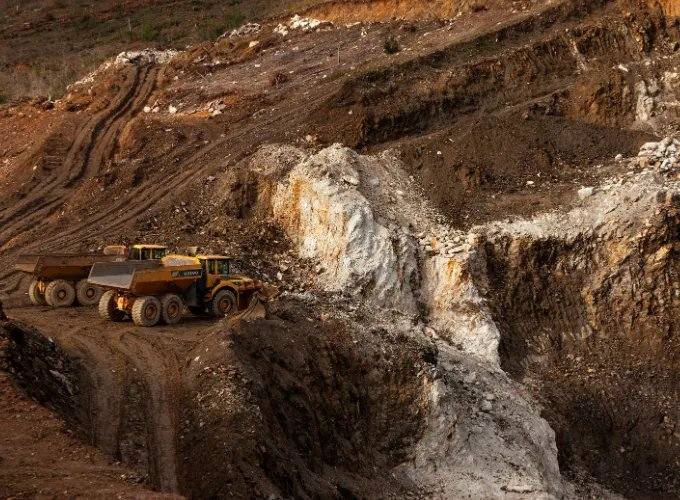
en.Wedoany.com Reported - Mineração Rio do Norte (MRN), in collaboration with researchers, has developed an integrated geometallurgical model based on texture classification for bauxite deposits in Porto Trombetas, Pará, in the Brazilian Amazon, aiming to optimize mining and beneficiation processes. The study systematically investigated the physical, chemical, mineralogical, and microstructural properties of four typical bauxite textures—porcelaneous (PO), aurorescent (AU), boxwork (BW), and granular (GR)—found on MRN's mining benches.
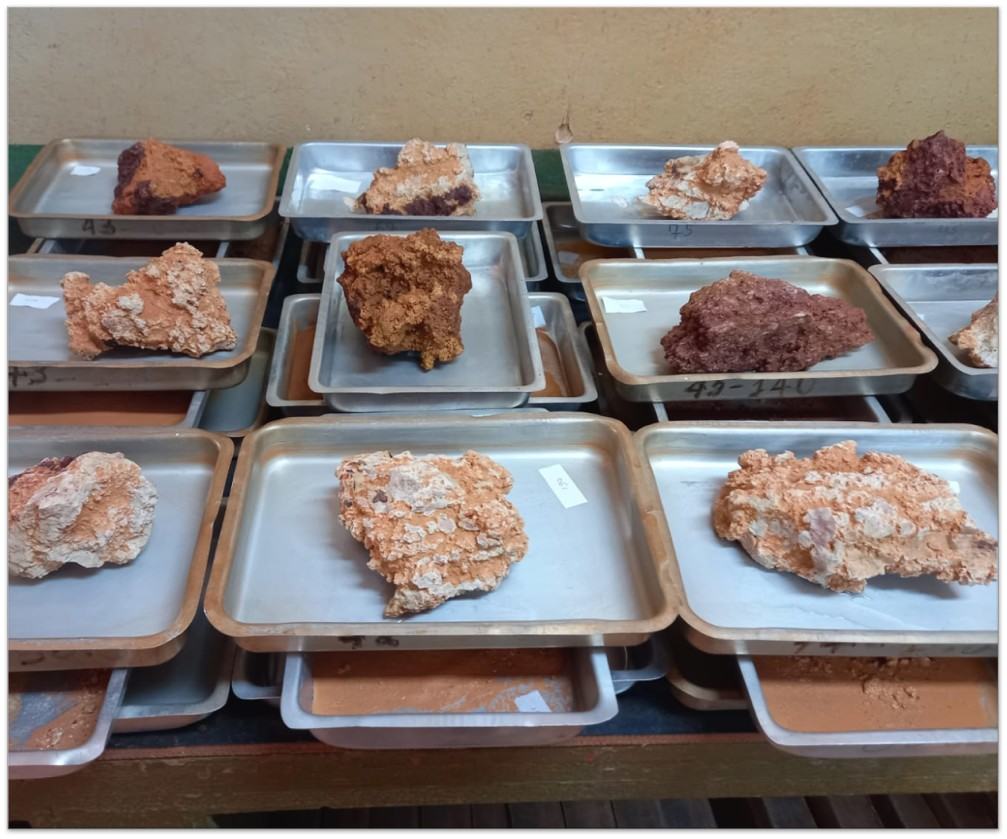
The research tested a total of 148 samples for key process parameters such as density, moisture, porosity, auxiliary drying, and toughness. The analysis found that aurorescent and porcelaneous textures exhibited better performance and higher quality gain during drying, while granular textures and boxwork textures coated with quartz generated more fines, retained higher moisture, and showed greater abrasiveness. The study specifically noted that, despite lower total porosity, aurorescent textures have high connectivity between pores, which facilitates moisture diffusion and explains their rapid drying; conversely, increased porosity does not always improve performance, as high tortuosity can hinder water flow.
In terms of moisture retention behavior, different textures showed significant differences: boxwork textures, due to high pore connectivity, stably retained more moisture; denser textures like porcelaneous and aurorescent maintained low moisture content and low variability; granular textures, due to heterogeneity, exhibited intermediate behavior but are crucial for operational control in mining and beneficiation. The study also indicated that quality gain, defined by reduced reactive silica content and minimal mass loss, is proportional to material toughness and density, being higher in aurorescent and porcelaneous textures; lower-density textures showed greater mass loss and lower quality gain.
Particle size chemical analysis further revealed that fines generated from different textures have varying reactive silica (SIR) content. Based on this, the research team proposed that adjusting cyclone classification or optimizing blending strategies could improve quality recovery and enhance silica separation efficiency for aurorescent and porcelaneous textures. To estimate potential gains before beneficiation, the study developed an initial predictive model. This model demonstrated that planning the monthly or annual redistribution of bauxite mining through texture classification can reduce water consumption, thereby improving overall plant operational efficiency.
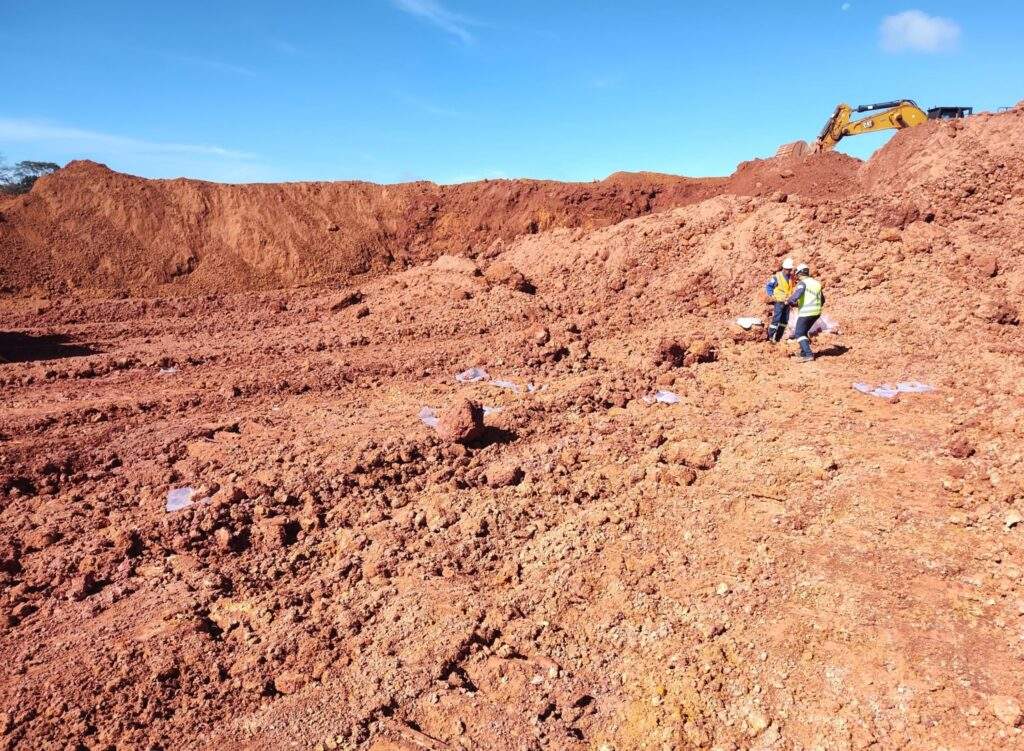
This study shows that texture classification is a robust and applicable tool in bauxite geometallurgy, capable of predicting ore behavior, adjusting process routes, optimizing energy consumption, controlling fines generation, and minimizing losses related to reactive silica. Founded in 1967, Mineração Rio do Norte (MRN) began operations in Porto Trombetas, Pará, in 1979 and is currently Brazil's largest bauxite producer, with an annual production capacity of approximately 12 million tons. In April of this year, MRN obtained an installation license for the "New Mine Project," which can extend local operations until 2041. The project's total estimated investment is 9 billion Brazilian reais, with an annual bauxite production target set at 12.5 million tons.
This article is compiled by Wedoany. All AI citations must indicate the source as "Wedoany". If there is any infringement or other issues, please notify us promptly, and we will modify or delete it accordingly. Email: news@wedoany.com
Related Products
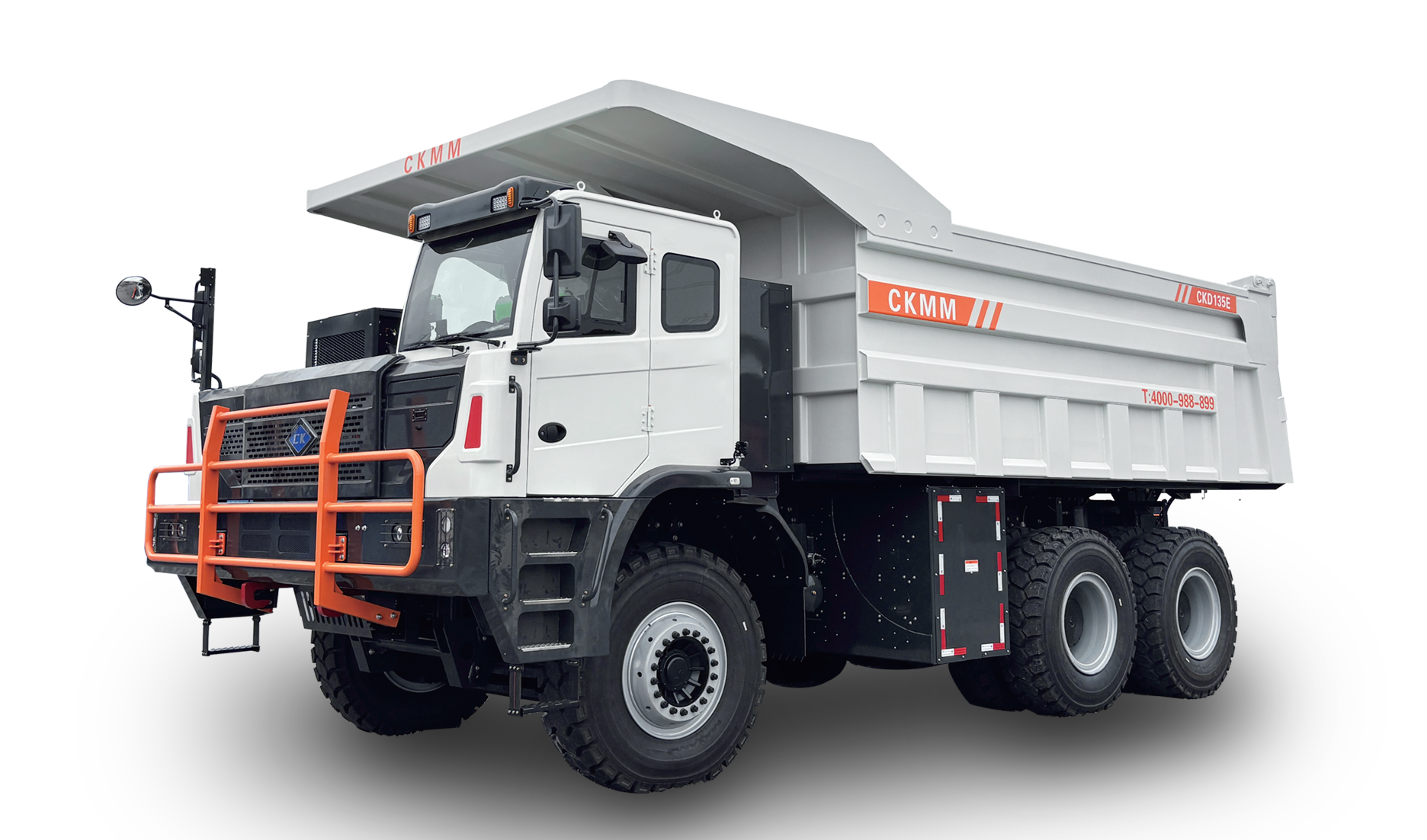

CKD135E Pure Electric Wide-body Dump Truck
Jiangsu Changkuang Engineering Machinery Co. Ltd.
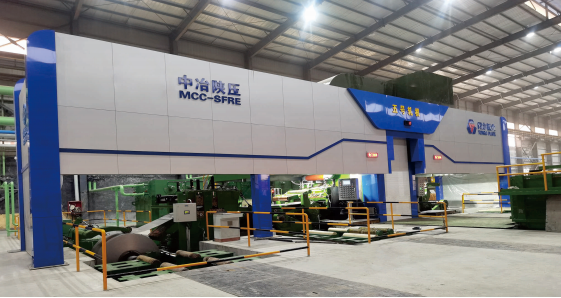
1050-1750mm Steel Strip Single-stand Reversible Cold Rolling Production Line
MCC-SFRE HEAVY INDUSTRY EQUIPMENT CO., LTD.
CITIC Heavy Industries Metallurgical Equipment Steel Smelting Engineering Equipment
CITIC Heavy Industries Co., Ltd.