Brazil's EPE Study Suggests Releasing Up to 4 GW of Clean Energy Capacity for the Northeast
en.Wedoany.com Reported - The Brazilian Energy Research Company (EPE), in one of its forward-looking studies, indicates that the transmission system in Brazil's Northeast region could accommodate an additional up to 4 gigawatts (GW) of large-scale power consumers starting in 2032, thereby freeing up absorption capacity for new industrial projects such as data centers and green hydrogen. This region concentrates one of the country's largest renewable energy generation potentials.
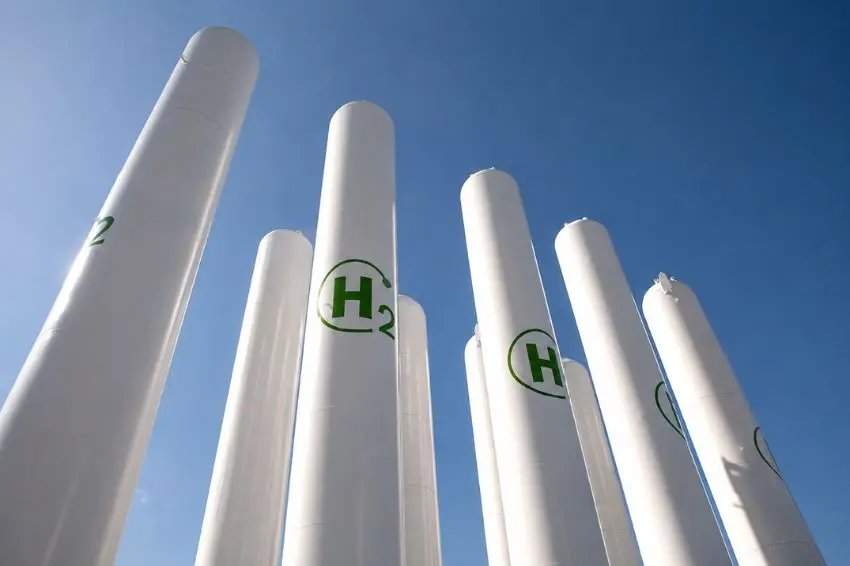
The report, titled "Prospective Study on the Introduction of Electro-intensive Loads in the Northeast," was prepared by EPE to provide technical support for future decisions by the Brazilian Ministry of Mines and Energy (MME) regarding electricity infrastructure expansion. The study focuses on evaluating grid expansion plans for Pecém in Ceará state and Parnaíba in Piauí state, two regions emerging as hotspots for new industrial investments related to the energy transition.
Rather than proposing a one-time full expansion, EPE recommends a scalable configuration that allows investments to be made in stages as consumption projects materialize. This approach aims to accommodate any combination of loads between the two regions, with a total capacity limit of 4 GW. This gradual development can reduce the risk of overbuilding the grid, avoiding the premature construction of unnecessary assets, while providing planning flexibility to address uncertainties in the deployment pace of the hydrogen economy and digital infrastructure projects.
To enable the connection of new users, EPE analyzed 12 transmission system expansion options before selecting the recommended plan. The proposed construction includes: a new 500 kV Pecém IV substation near the existing Pecém II and Pecém III substations, and the construction of 1,848 kilometers of new 500 kV transmission lines connecting the states of Rio Grande do Norte, Ceará, and Piauí. These works will not only expand service capacity for new users but also eliminate existing bottlenecks between the transmission systems of the two directly benefiting states. According to EPE, in a scenario of high local wind and solar generation, this configuration can enable an additional 4 GW of connection, enhancing the region's capacity to absorb renewable energy.
The estimated cost of this recommended plan is approximately 5.68 billion Brazilian reais. Of this amount, about 1.09 billion reais corresponds to the first phase of the proposal, scheduled for execution in 2032; the remaining 4.59 billion reais will be implemented gradually based on the actual realization of consumption projects and grid expansion needs. Through this plan, EPE seeks to align long-term transmission planning with the anticipated pace of industrial investments in the region.
This proposal does not constitute a final investment decision but rather provides technical support for the federal government's future evaluation of new transmission projects and potential grid expansion auctions. The study indicates that, from an electricity infrastructure perspective, the states of Ceará and Piauí already have a planned expansion pathway to welcome this new investment cycle, provided that the projected projects advance and justify the phased implementation of the proposed reinforcements.
This article is compiled by Wedoany. All AI citations must indicate the source as "Wedoany". If there is any infringement or other issues, please notify us promptly, and we will modify or delete it accordingly. Email: news@wedoany.com
Related Products
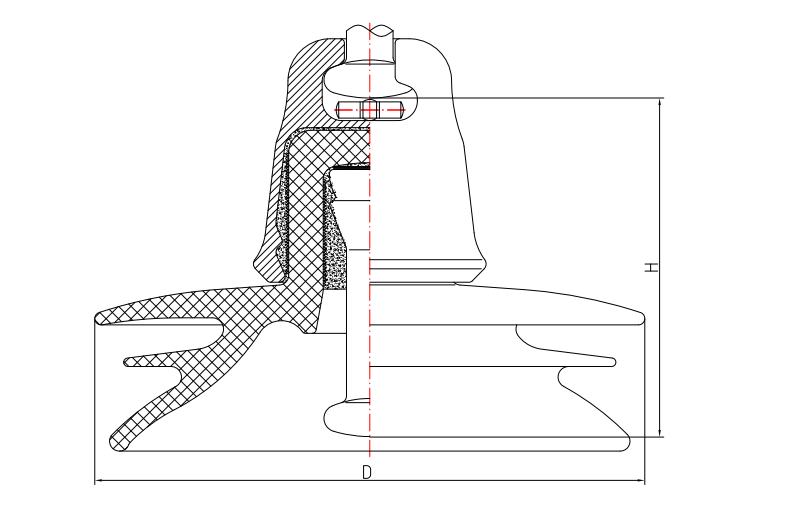

Post-type AC Pollution-resistant Disc Suspension Porcelain Insulator (Triple Umbrella Type)
Shandong High Voltage Insulator Co., Ltd.

Industrial and Commercial Point-Type Gas Detector
Jinan Benan Technology Development Co., Ltd.
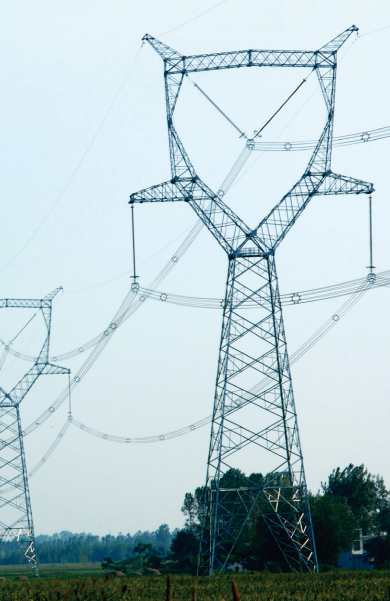
1000kV Jin Southeast-Nanyang-Jingmen UHV AC Transmission and Transformation Pilot Demonstration Project
Anhui Hongyuan Steel Tower Co., Ltd.
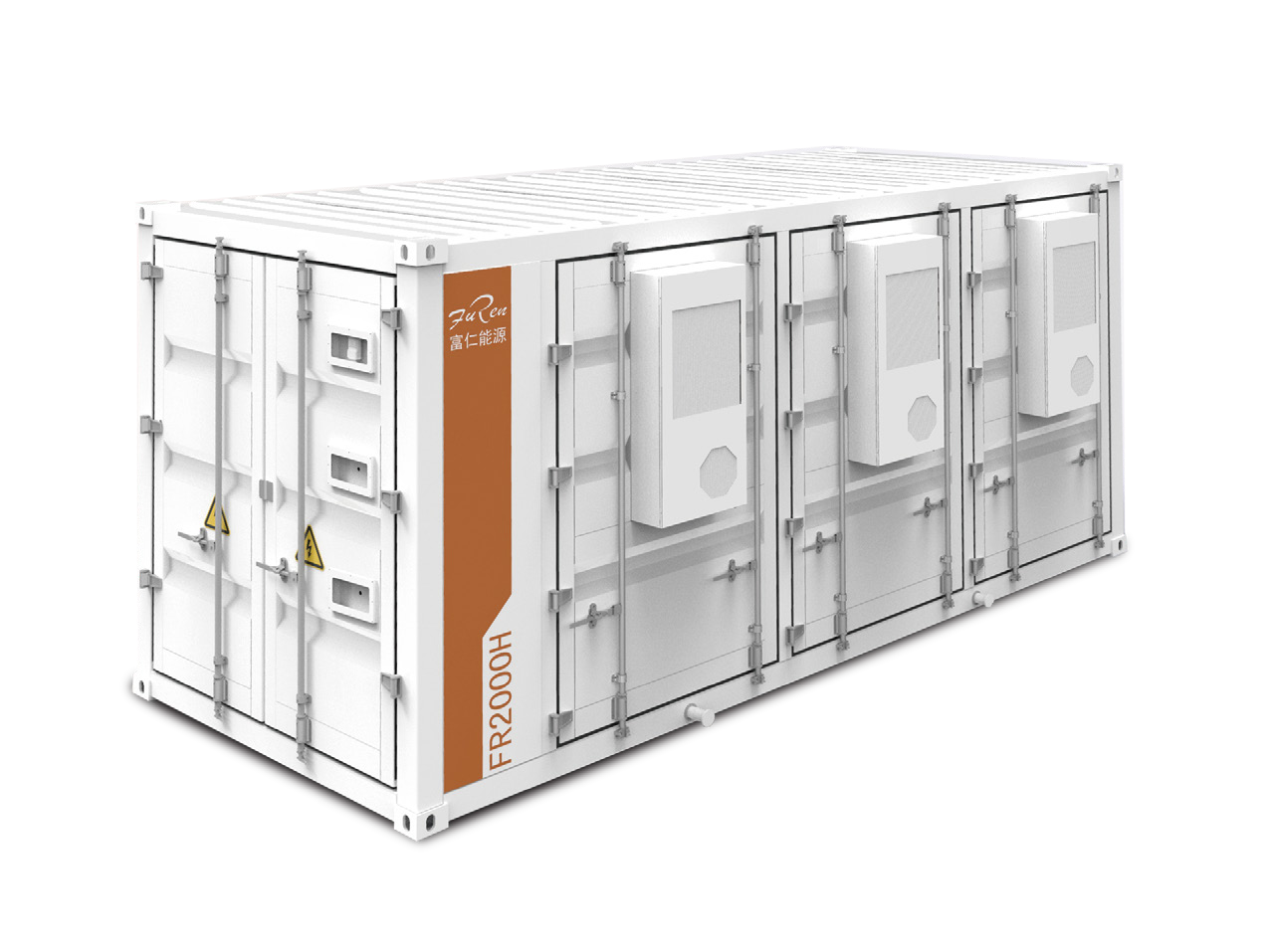
FR2000H 2.15MWh (Air-cooled) 20-foot Containerized Energy Storage System
Jiangyin Furen High-tech Co., Ltd.
Electromagnetic Fluid Seawater Floating Oil Separation and Recover Equipment
Huate Magnet Group Co., Ltd.
Standard Nozzle Flowmeter
Jinggong Automatic Control Instrument Complete Technology Development Company