University of Adelaide Co-Develops 15-Atom Iridium Catalyst with 1.5 Times Higher Activity Than Commercial Catalysts
en.Wedoany.com Reported - The University of Adelaide, in collaboration with Tohoku University, Tokyo University of Science, and Vanderbilt University, has developed a tiny catalyst composed of just 15 iridium atoms, achieving a mass activity 1.5 times higher than commercial iridium catalysts while demonstrating excellent durability.
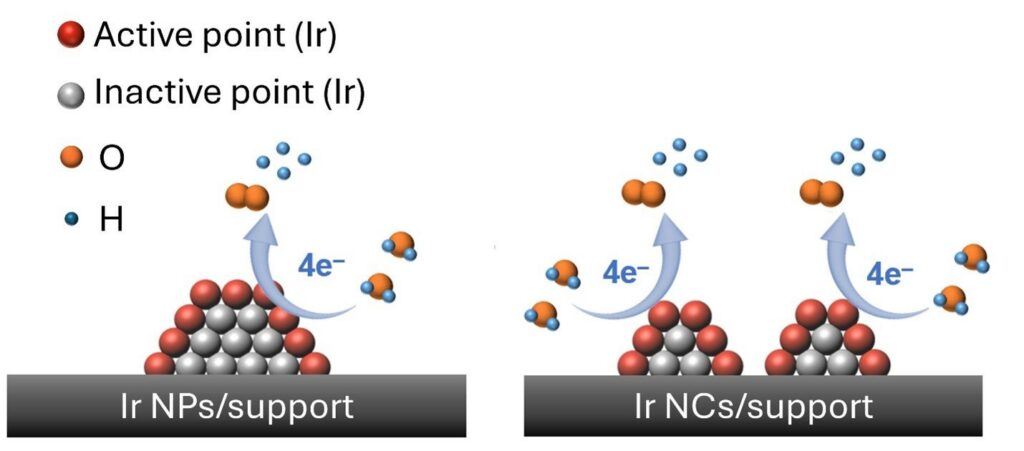
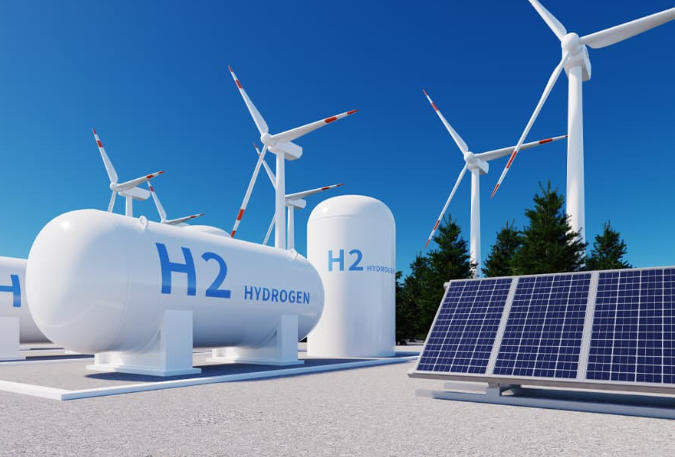
Green hydrogen is produced by splitting water into hydrogen and oxygen using renewable electricity. The oxygen evolution reaction (OER) in this process occurs in a highly acidic and corrosive environment, and iridium is one of the few catalysts capable of withstanding such conditions. However, its cost and limited availability make it a target for reducing usage while maximizing reaction activity. Fabricating atomically precise metal nanoclusters is one approach to reducing iridium usage, but shrinking metal particles to 1 nanometer increases the specific surface area and active sites, while iridium tends to oxidize and become unstable when exposed to air.
To overcome this instability, the research team designed a polyol reduction method using ethylene glycol and a ligand exchange process. By wrapping the iridium atomic core with carbon monoxide and triphenylphosphine molecules, they obtained iridium nanoclusters composed of 15 atoms, which remain highly stable and resistant to oxidation even when synthesized in air. The researchers then attached the nanoclusters to a carbon black support, producing a solid catalyst with an average particle size of 0.9 nanometers. Tests showed that the material's mass activity is approximately 1.5 times higher than that of traditional commercial iridium catalysts, and it can operate continuously for over 20 hours without significant performance degradation. Further analysis revealed that the ultra-miniaturization of iridium particles alters their electronic properties, enabling more efficient chemical reactions.
Yuichi Negishi, representing Tohoku University, stated that these findings will help produce cost-effective, high-performance metal nanoclusters to address global energy and environmental challenges. The research results were published in the Journal of the American Chemical Society.
This article is compiled by Wedoany. All AI citations must indicate the source as "Wedoany". If there is any infringement or other issues, please notify us promptly, and we will modify or delete it accordingly. Email: news@wedoany.com
Related Products


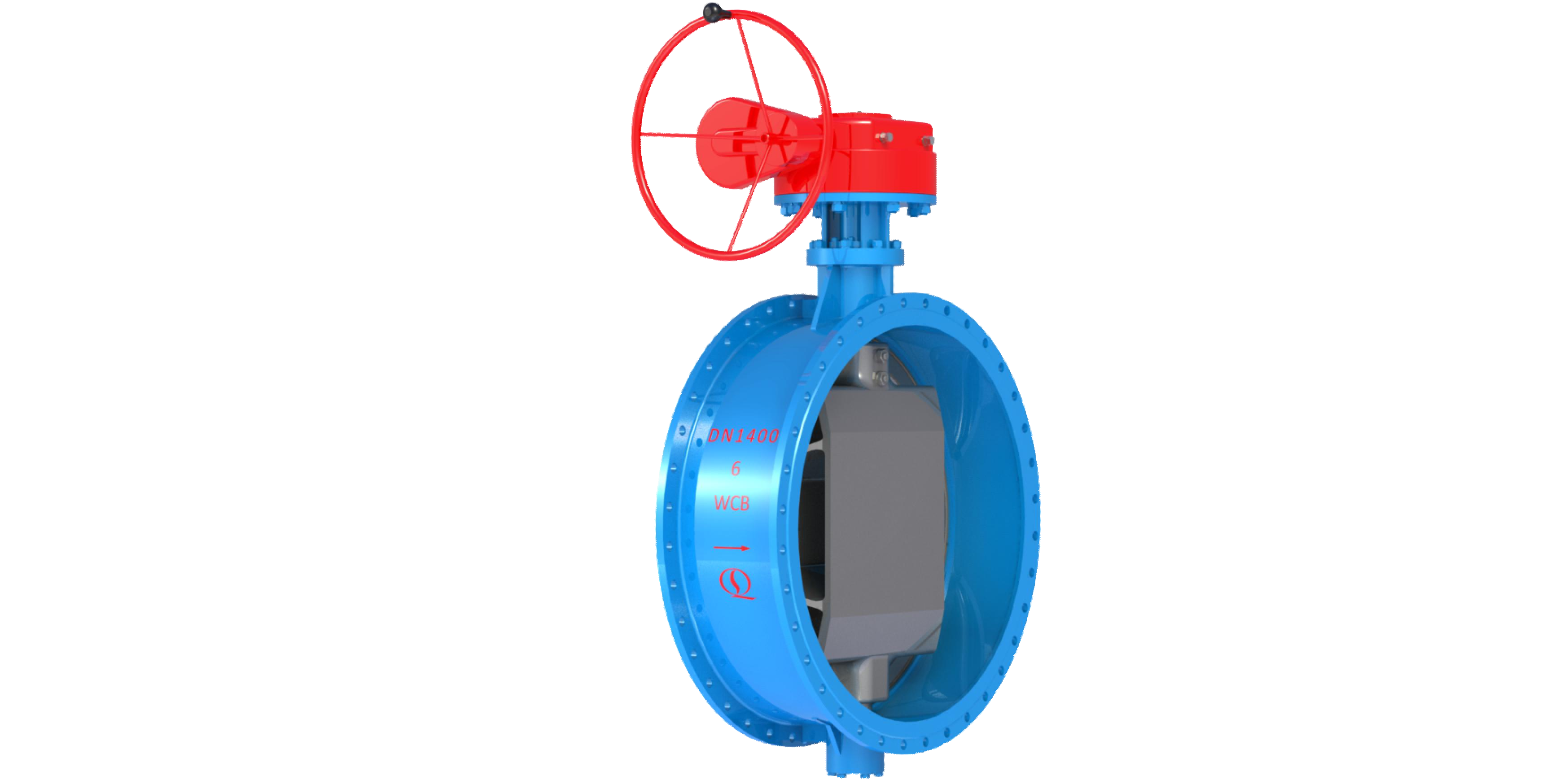
Bidirectional Metal Hard Sealed Seawater Butterfly Valve
Henan Quanshun Flow Control Science & Technology Co., Ltd.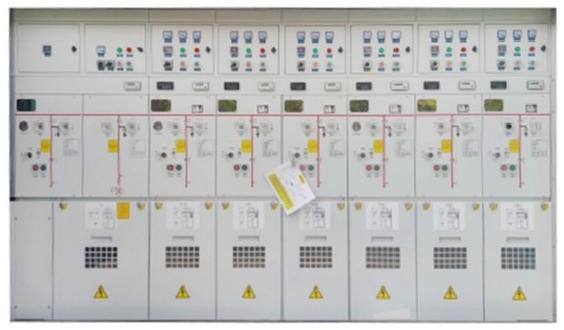
NISELA Series Environmentally Friendly Gas-Insulated Ring Main Unit
XJ DELISHIER ELECTRIC CO., LTD.
Industrial and Commercial Point-Type Gas Detector
Jinan Benan Technology Development Co., Ltd.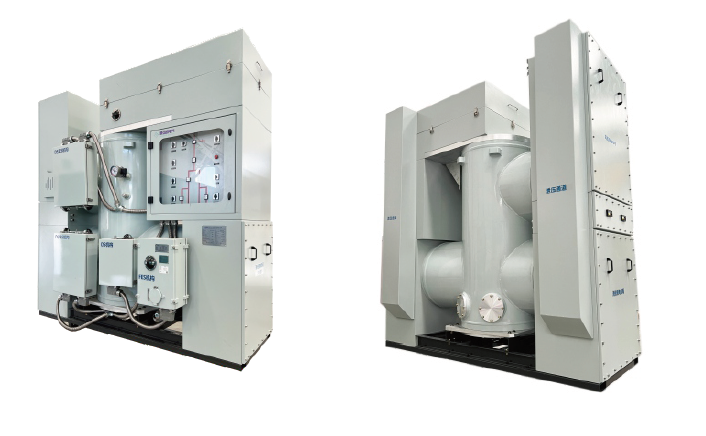
72.5kV 1250A 31.5kA SF6 free Gas-insulated Metal-enclosed Switchgear
Zhejiang Juhonkia Intelligent Electric Co., Ltd.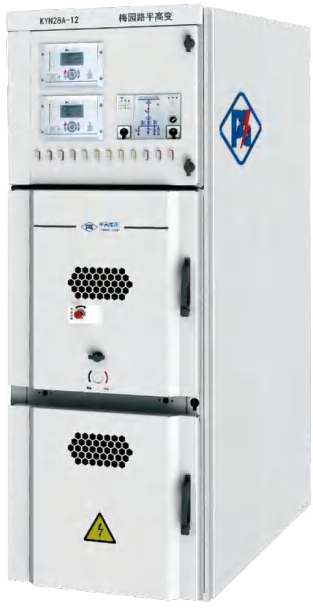
KYN28A-12 Metal Armored Removable Switchgear
Tianjin Ping Gao Intelligent Electric Co., Ltd.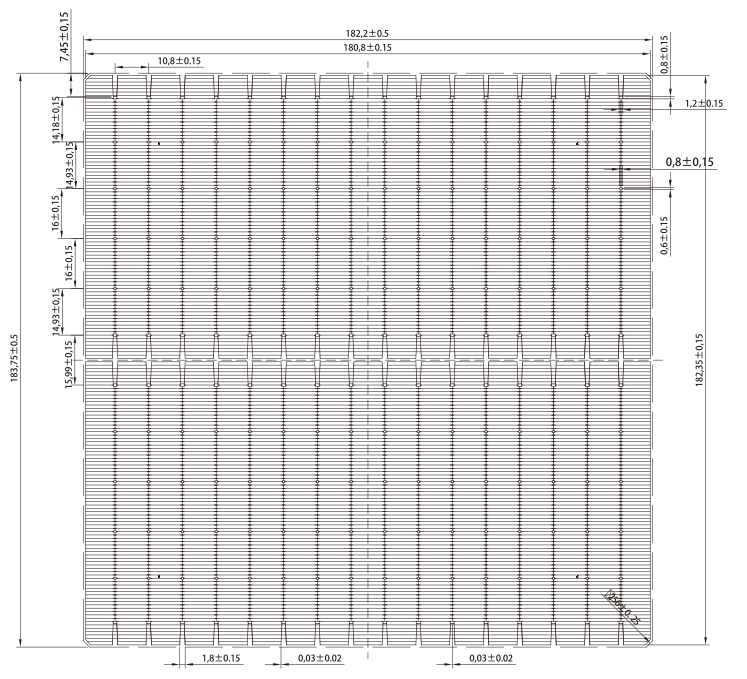
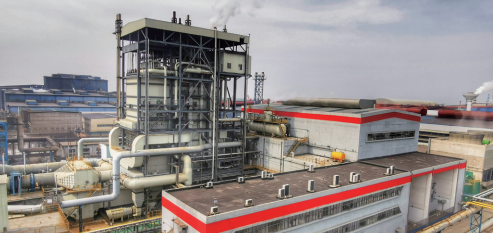
Jiujiang Pinggang 125MW Subcritical Gas Power Generation Project
Capital Engineering & Research Incorporation Limited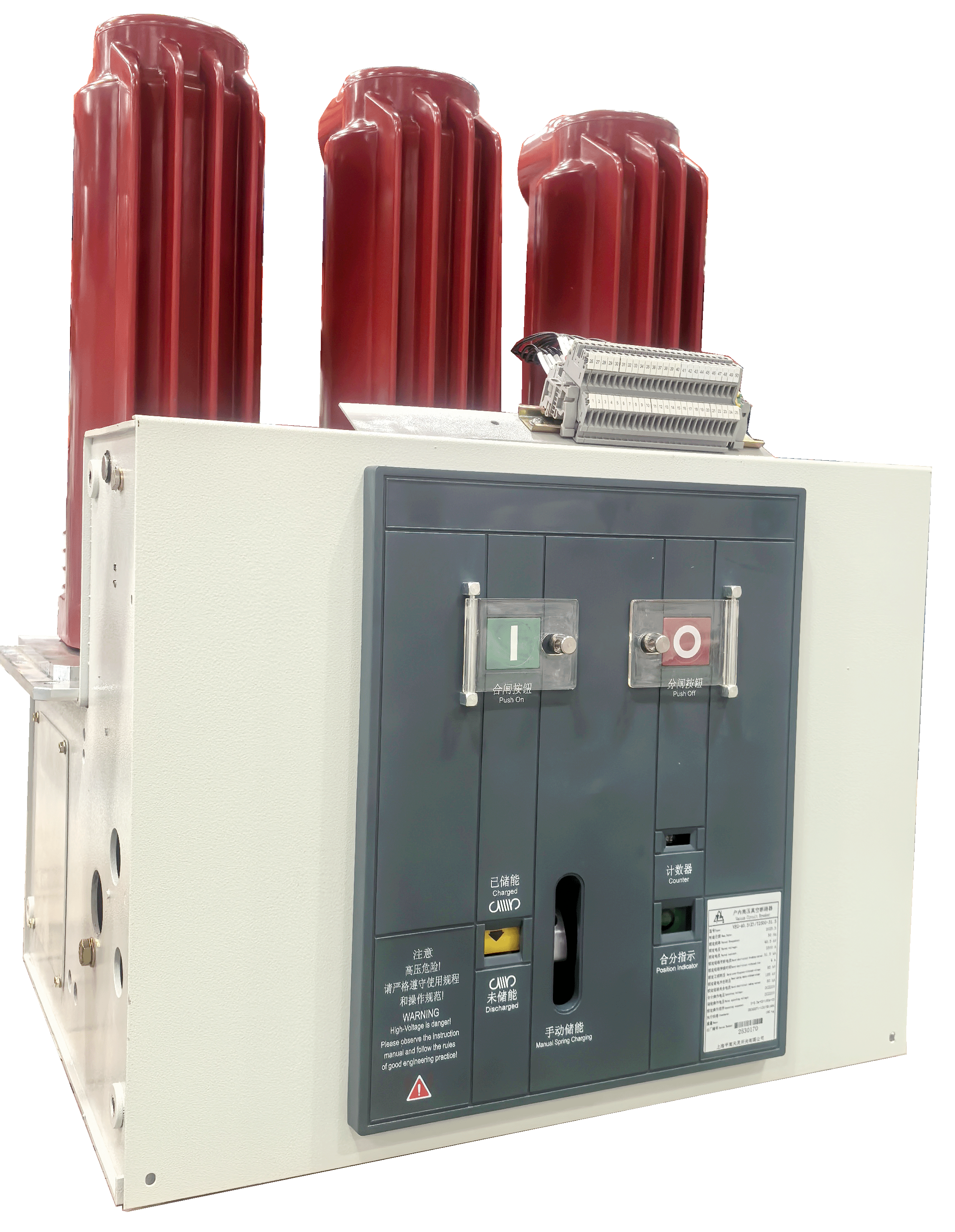
VEG-12/24/40.5 Series Vacuum Circuit Breaker
SHANGHAI PINGGAO TIANLING SWITCHGEAR CO., LTD.