Caltech Develops 3D-Printed Battery Cathode to Replace Toxic Cobalt
en.Wedoany.com Reported - Researchers at the California Institute of Technology (Caltech), led by Julia R. Greer, have developed a new method for manufacturing three-dimensional battery cathodes, aiming to enhance future battery safety, reduce environmental impact, and improve performance.
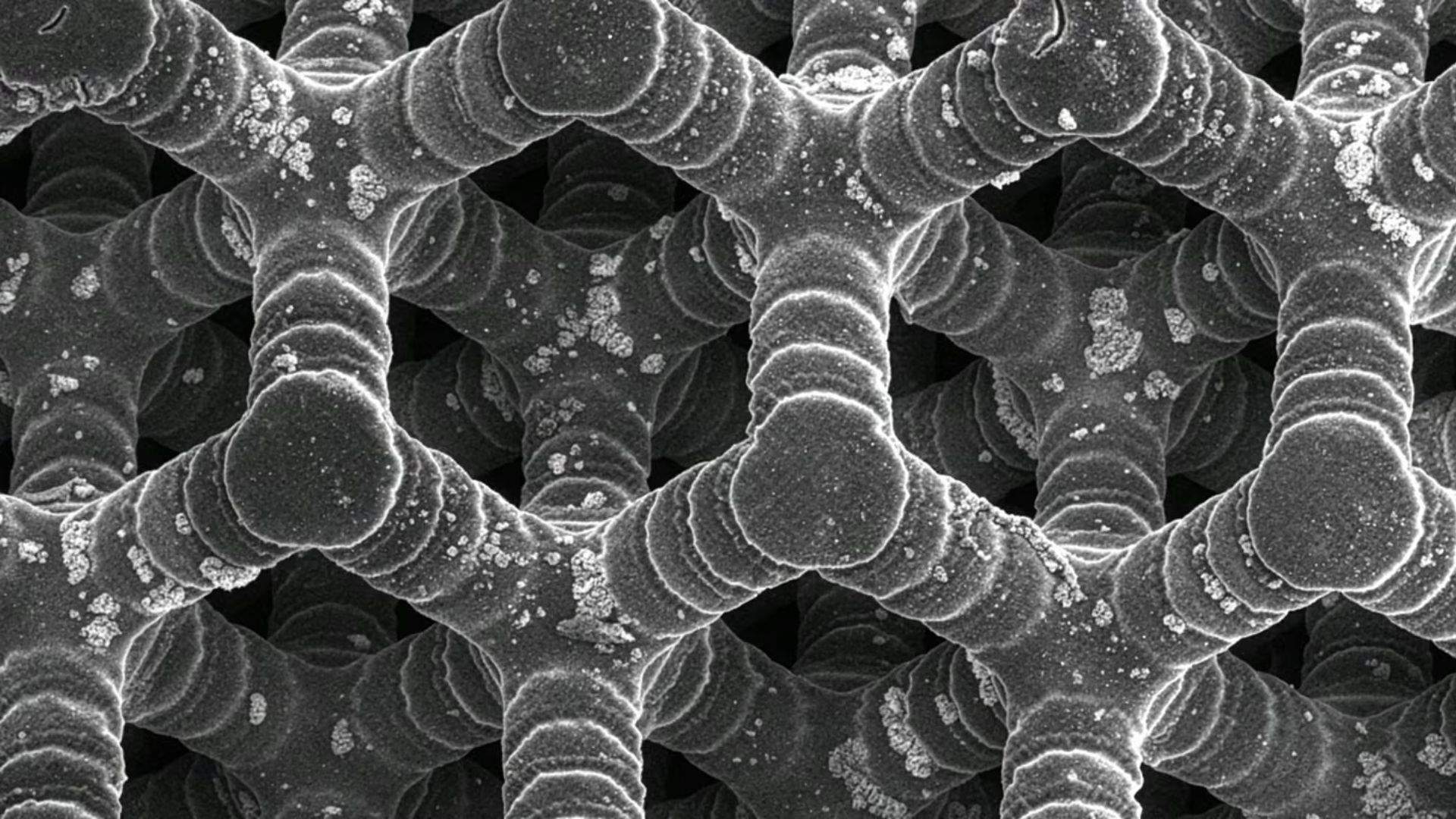
This new cathode replaces toxic, expensive, and ethically problematic cobalt with lithium iron phosphate (LFP) embedded in a carbon matrix. LFP is safer during overcharging, reducing the risk of fires or short circuits. By redesigning the internal structure of the battery, the researchers overcame the typically lower performance limitations of LFP.
Yingjin Wang, a graduate student in Greer's lab, stated that the team developed a universal method for manufacturing three-dimensional battery electrodes using safer materials. By combining LFP (commonly referred to as LFP) with a carbon matrix, the design enhances the battery's mechanical toughness while eliminating the use of hazardous cobalt.
Lithium-ion batteries, the primary power source for modern mobile devices, electric vehicles, and renewable energy grids, consist of five core components: an anode, a cathode, a liquid electrolyte, a separator, and current collectors. Despite their commercial importance, standard designs pose ongoing safety risks and performance limitations. This new development offers a direction toward safer, more environmentally friendly, and higher-performance energy storage technology by reimagining battery design.
Traditional lithium-ion batteries rely on flat, two-dimensional electrodes, while this new research introduces a three-dimensional cathode produced via 3D printing. Transitioning from a planar design to a 3D structure maximizes the active surface area for converting chemical energy into electrical energy. Greer explained that this structure helps decouple solid-state and liquid-state diffusion distances; as the liquid electrolyte flows through the labyrinthine structure, solid surfaces are available everywhere. Additionally, the design reduces tortuosity, shortening the physical path for ions to move between the cathode and separator, thereby increasing the battery's power density and enabling faster release of stored energy.
Current lithium-ion battery cathodes rely on cobalt, whose supply chain is plagued by unethical mining practices, and the material itself poses safety risks. In contrast, LFP is a safer alternative, with stable chemical properties that reduce the risk of thermal runaway or short circuits. Greer noted that LFP itself is not a new material, but using additive manufacturing (i.e., 3D printing) to create cobalt-free structured electrodes is novel. The researchers' next milestone is to design a matching 3D-structured LFP anode to achieve a fully 3D-structured battery with both high energy density and high power density. Given the early stage of the research and complex manufacturing parameters, achieving this goal will be a highly intricate manufacturing challenge. The team's ultimate goal is to integrate polymer-based electrolytes to realize a true solid-state battery. The research was published in the journal ACS Energy Letters.
This article is compiled by Wedoany. All AI citations must indicate the source as "Wedoany". If there is any infringement or other issues, please notify us promptly, and we will modify or delete it accordingly. Email: news@wedoany.com
Related Products
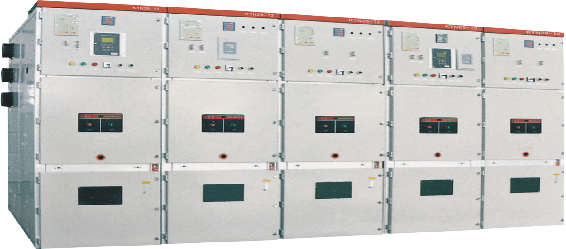

KYN28-12/24 Indoor High-Voltage Metal-Clad Removable Switchgear
Shenzhen Zhaoyang Hui Technology Co., Ltd.
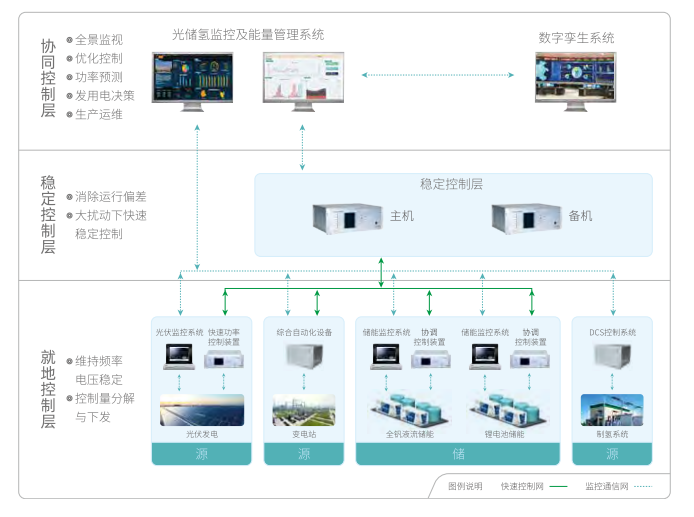

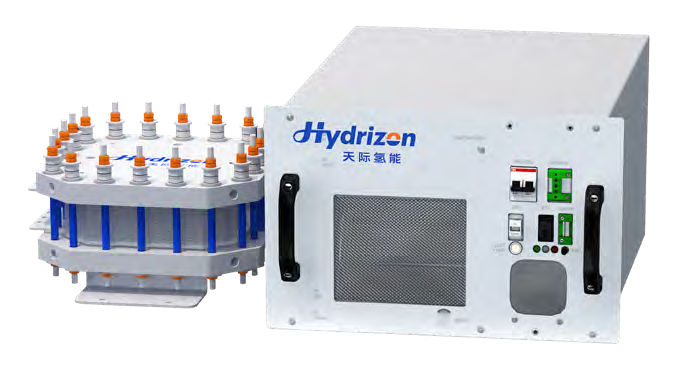
HI-Pro Green Hydrogen High-efficiency Production System-HI-PRO-AEM
Hydrizon Technology (Beijing) Co., Ltd.
Yingping Mining Section Open-pit Tailings Backfill Treatment of Goaf Ecological Restoration EPC Project
China Bluestar Lehigh Engineering Corporation

G.652.D Wavelength-extended Non-dispersion Shifted Single-mode Optical Fiber
HONGAN GROUP CO., LTD.