How Crushing and Grinding Equipment Shape Ore Processing Capacity and Energy Use
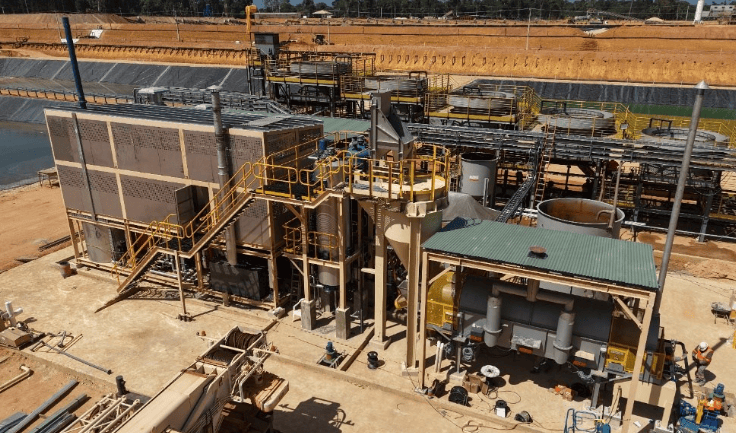
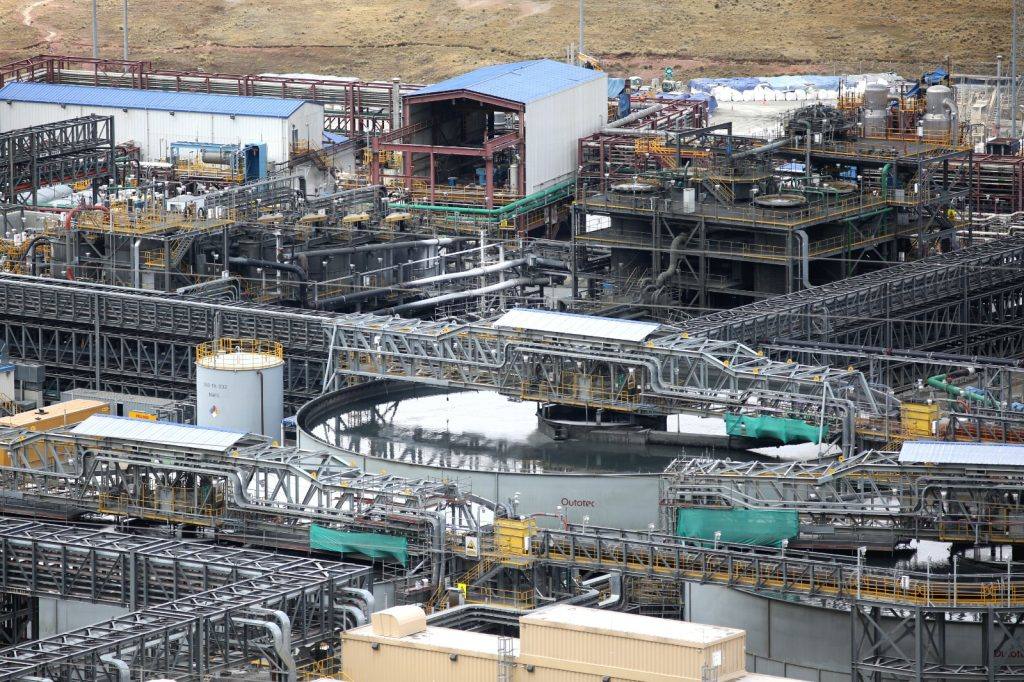
en.Wedoany.com Reported - After run-of-mine ore enters a processing plant, it normally passes through several stages of crushing, screening, grinding, and classification before it reaches flotation, magnetic separation, gravity concentration, or leaching. Comminution is not simply the reduction of rock size. Its real purpose is to achieve sufficient mineral liberation while controlling energy use, equipment loading, and the generation of unnecessary fines.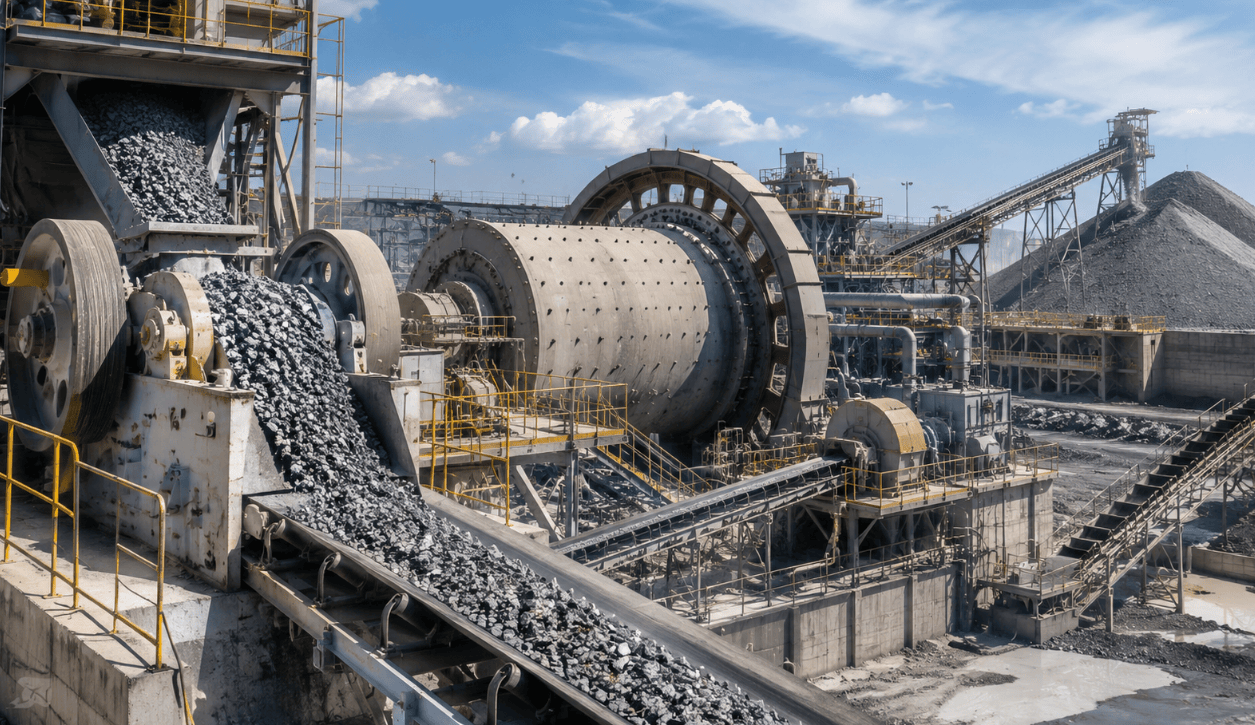
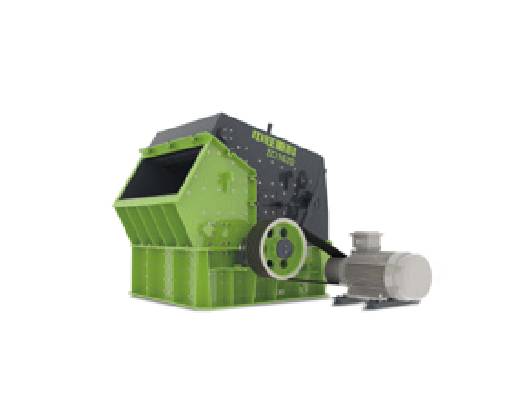
Ore Processing Equipment used in the crushing stage must be matched to ore hardness, abrasiveness, moisture, clay content, feed size distribution, and required product size. Gyratory and jaw crushers are widely applied in primary crushing, while cone crushers, roll crushers, and other sizing technologies are used in secondary, tertiary, or quaternary duties.
Rated capacity alone is not enough to determine whether a crusher is suitable. Ore properties may vary substantially across different mining zones. A machine selected without sufficient variability analysis may experience blockages, unstable power draw, excessive liner wear, inconsistent product size, or lower-than-expected throughput.
Grinding is generally one of the most energy-intensive parts of mineral processing. Ball mills, semi-autogenous mills, autogenous mills, high-pressure grinding rolls, and vertical fine-grinding mills each serve different ore and flowsheet conditions. The most appropriate solution depends on liberation size, competency, hardness, feed preparation, required throughput, and downstream separation requirements.
SAG and AG mills can provide high throughput and simplified flowsheets, but their performance may be sensitive to changes in ore competency and feed size. Ball mills remain widely used for secondary and fine grinding because of their mature operating base and flexibility. High-pressure grinding rolls use inter-particle compression and can reduce the amount of work required in downstream milling in suitable applications.
Classification equipment is equally important. Hydrocyclones, screens, and other classifiers determine which particles leave the grinding circuit and which return for further size reduction. Poor classification can send already suitable particles back to the mill, increasing circulating load, energy consumption, and overgrinding.
Overgrinding can create operational problems beyond electricity use. Excessive fines may reduce flotation selectivity, increase reagent consumption, slow settling, and place additional load on thickeners and filters. The optimum grind size is therefore not necessarily the finest size that the equipment can produce, but the size that delivers adequate liberation and the best overall economic recovery.
Crusher, mill, and classifier selection should not be completed as separate purchasing decisions. Reliable plant design requires ore characterization, crushing and grinding testwork, mass balancing, and realistic modelling of circulating loads. The complete circuit must remain operable when feed hardness, moisture, and mineralogy change.
The next stage of comminution improvement will focus on circuit-wide coordination rather than isolated machine efficiency. Stable feeding, pre-concentration, optimized classification, reduced overgrinding, and online particle-size monitoring can help processing plants increase throughput while lowering energy use per tonne of ore.
This article is compiled by Wedoany. All AI citations must indicate the source as "Wedoany". If there is any infringement or other issues, please notify us promptly, and we will modify or delete it accordingly. Email: news@wedoany.com
Related Products
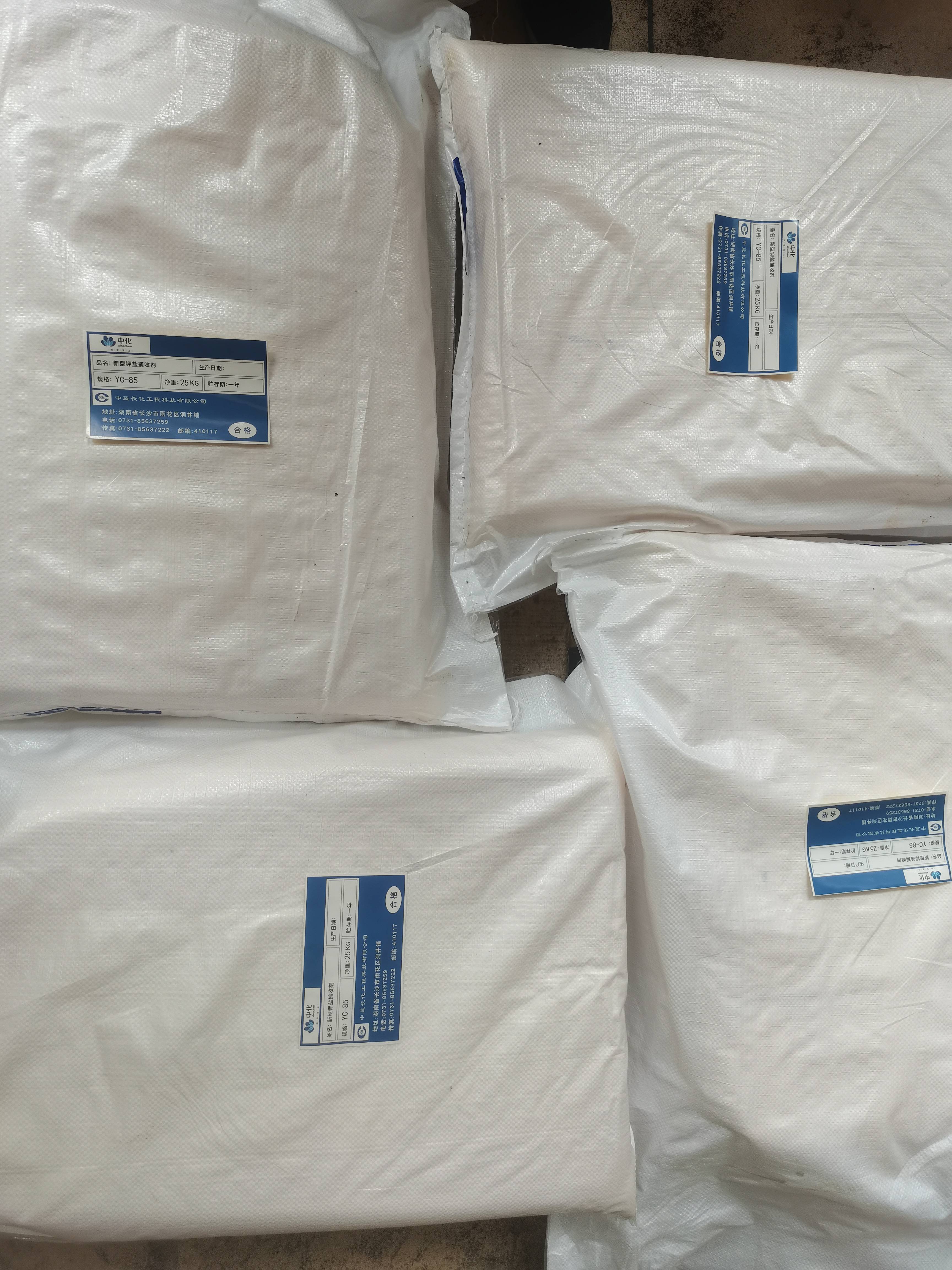

New Environmentally Friendly Green Potassium Salt Collector
Chonfar Engineering and Technology Co., Ltd.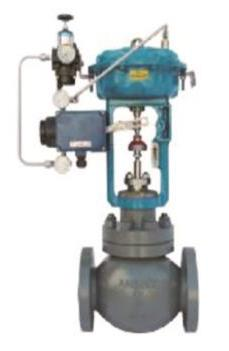
Quick-Change Single-Seat Control Valve / Quick-Change High-Pressure Single-Seat Control Valve
Beijing Consen Automation Technology Co., Ltd.
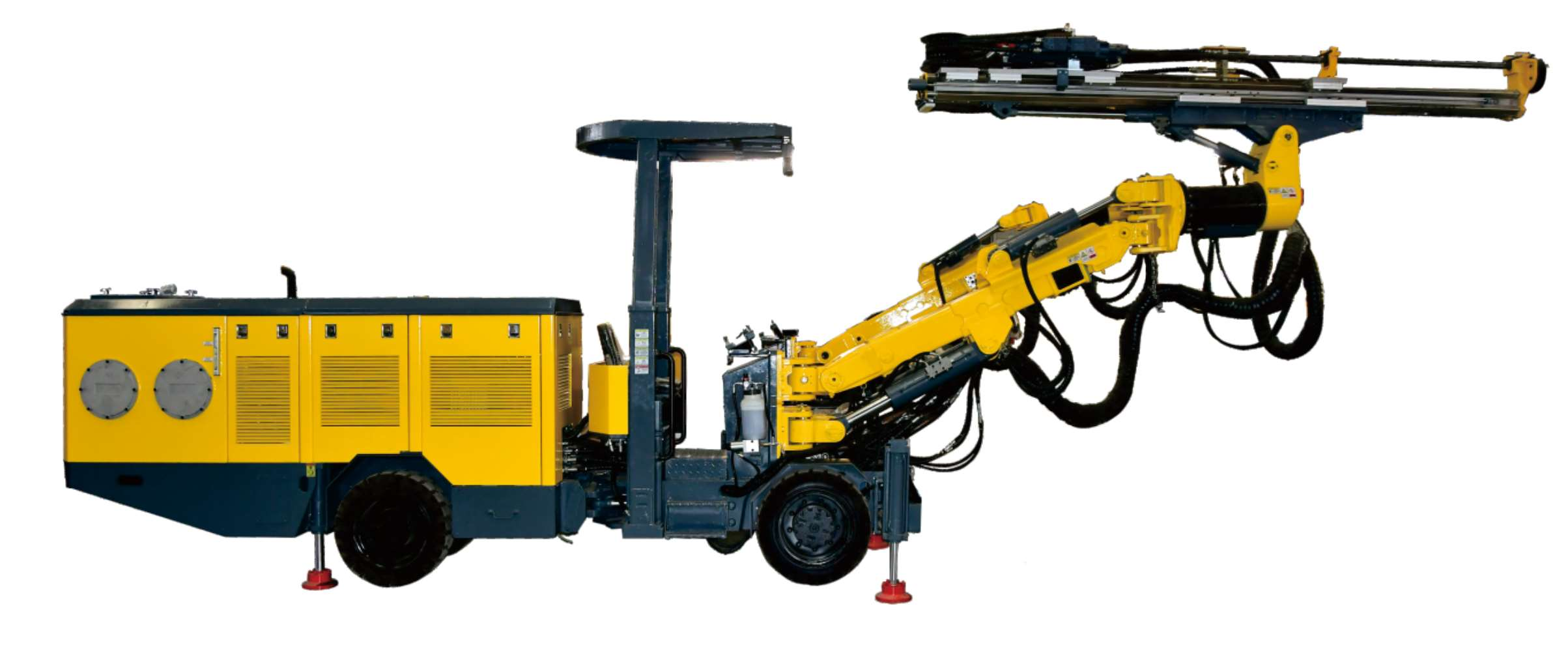
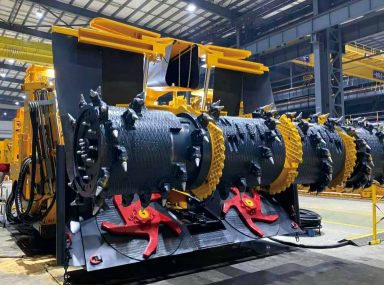
Integrated Excavation and Anchoring Machine (EJM Series)
China Railway Construction Heavy Industry Corporation Limited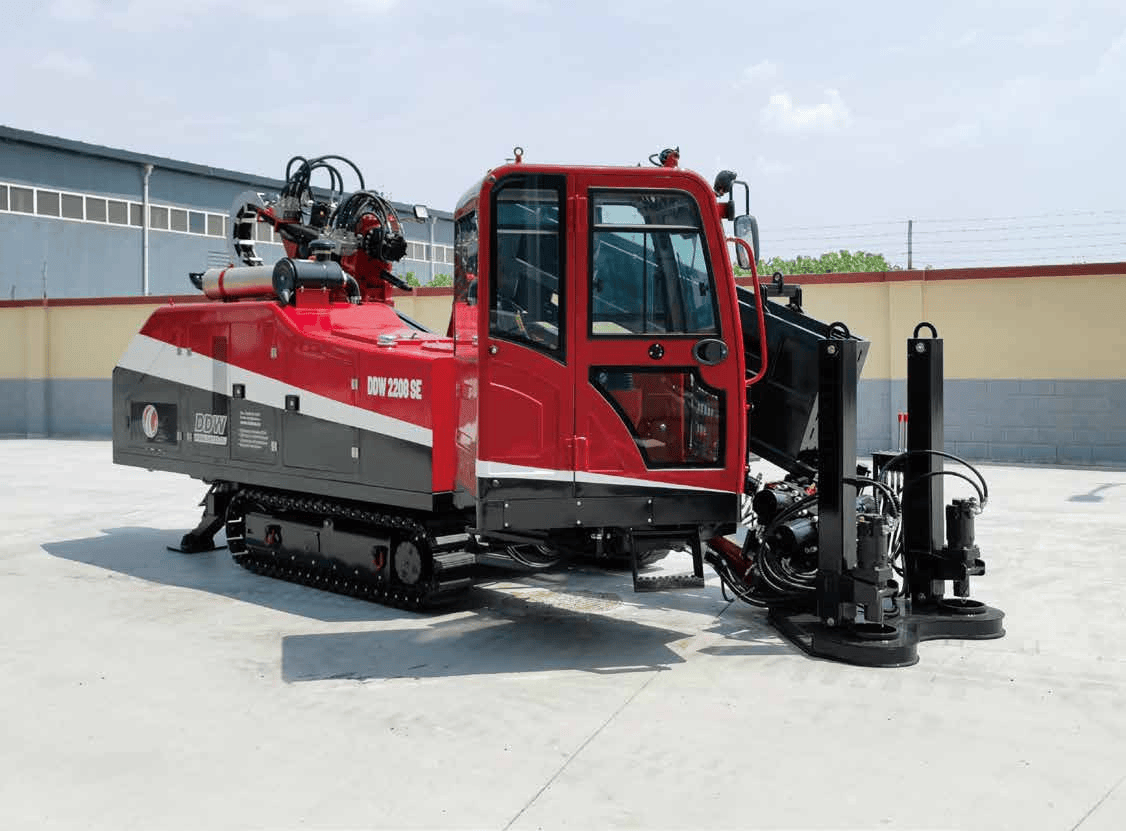
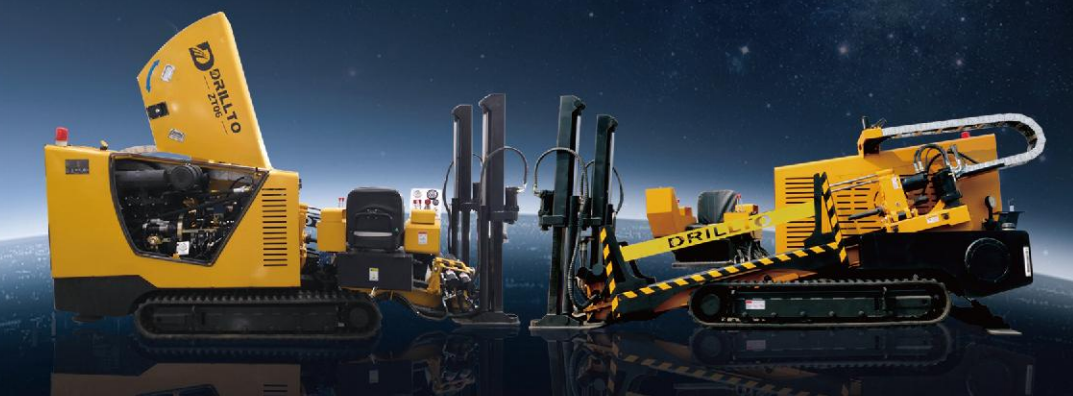
DDW22/08SE-HORIZONTAL DIRECTIONAL DRILL
DW/TXS Construction Equipment (Beijing) Co., Ltd.