Why Flowsheet Compatibility Matters More Than Nameplate Capacity
en.Wedoany.com Reported - Processing capacity is often the first parameter examined during mining-equipment procurement. However, nameplate tonnes per hour do not fully indicate whether a machine is suitable for the actual ore, climate, operating strategy, or downstream product requirement.
Two plants with similar production targets may require very different Ore Processing Equipment because their ores differ in hardness, abrasiveness, moisture, clay content, liberation size, mineral association, and feed variability.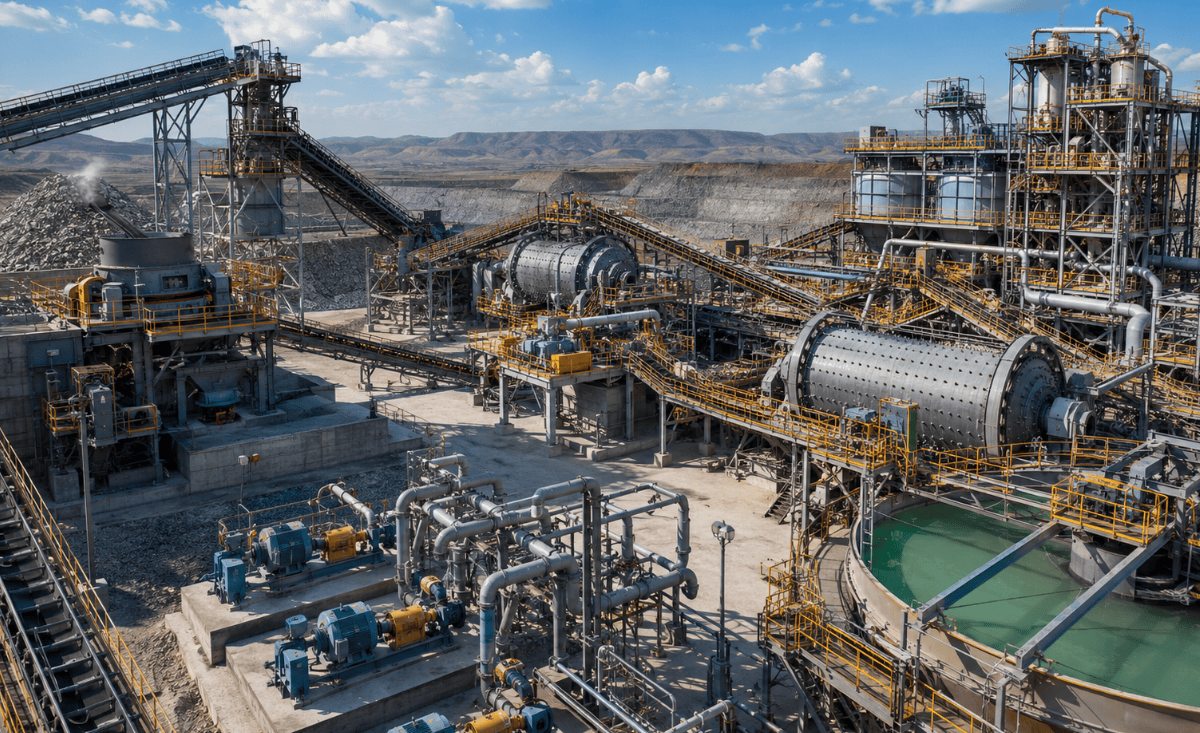
Equipment selection should begin with representative ore characterization. Crushing index, grinding index, abrasion behaviour, density, mineralogy, moisture, and separation response influence almost every stage of the flowsheet. When testing is based on a small or unrepresentative sample, equipment capacity may be overestimated and operating bottlenecks may only become visible after commissioning.
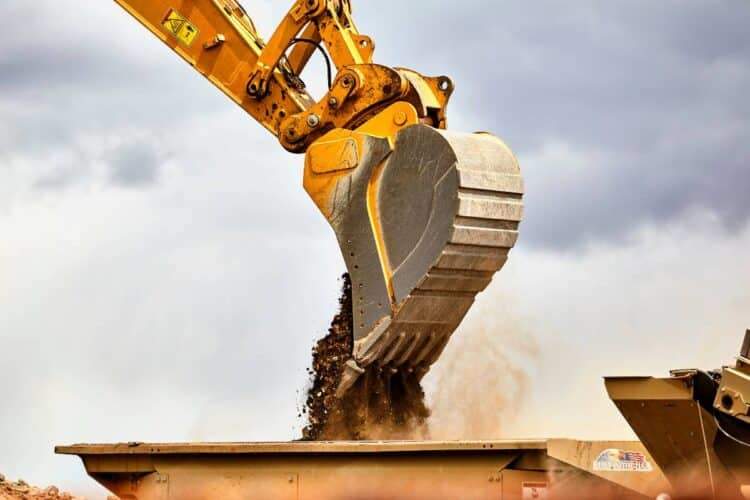
Hard, competent ore may require high crushing force, strong structural design, and wear-resistant components. Wet or clay-rich ore may instead create handling problems in bins, feeders, screens, and crusher chambers. Highly abrasive material can shorten the service life of liners, screens, pumps, hydrocyclones, and slurry pipelines, reducing annual production even when nominal throughput remains adequate.
Feed variability must also be included in the design basis. Mining advances through different geological zones, so hardness, grade, and mineralogy change over time. Equipment that performs well only within a narrow operating window may experience unstable circulating load, power draw, product size, and recovery when the ore changes.
A suitable system therefore needs controllability as well as capacity. Variable-speed drives, surge bins, bypass arrangements, adjustable classification, and alternative operating modes can help a plant respond to changing feed conditions.
Interfaces between machines are equally important. Crusher product size affects screen duty and mill power. Grinding product size affects flotation kinetics, magnetic separation, thickening, and filtration. A machine may meet its individual guarantee while the overall plant still fails to reach design production because upstream and downstream capacities are not balanced.
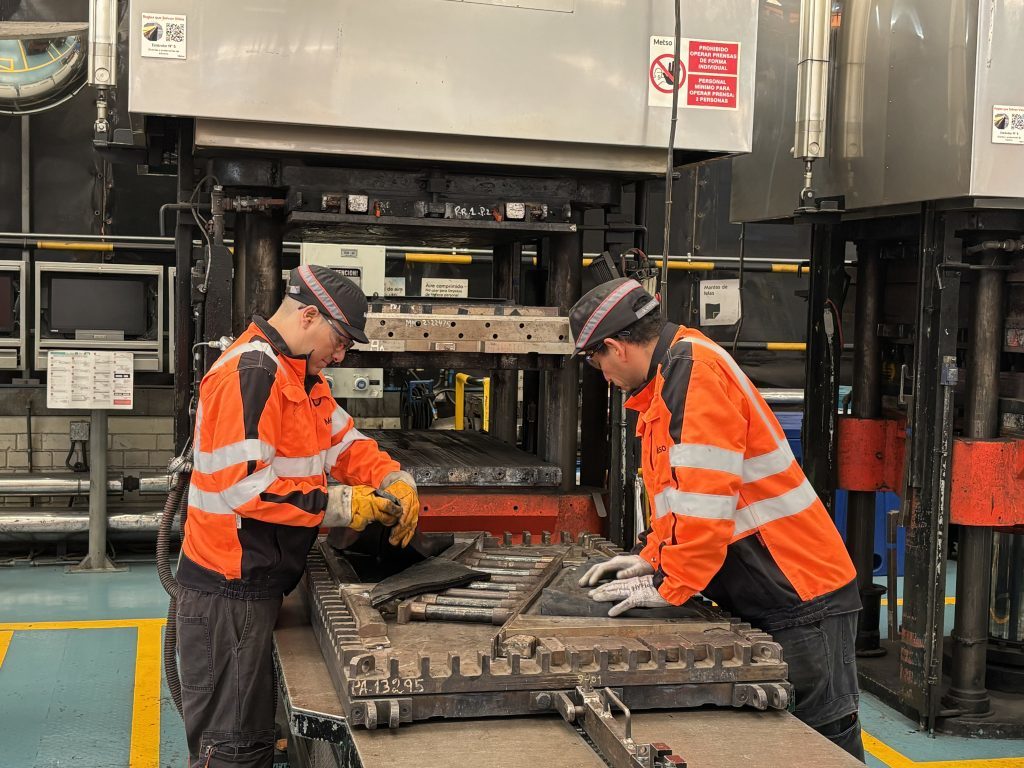
Maintenance access should also be treated as an equipment-selection parameter. Liner replacement, bearing inspection, rotor lifting, screen-panel changes, and blockage removal all influence plant availability. In remote mining regions, spare-parts lead time, lifting facilities, workforce capability, power supply, and water availability may be more important than small differences in theoretical efficiency.
Greenfield and brownfield projects also require different selection strategies. A greenfield plant allows equipment and buildings to be optimized together. A brownfield expansion must operate within existing foundations, electrical capacity, building dimensions, and shutdown windows. Mobile or semi-mobile crushing stations may be considered where reducing haulage distance is a major objective.
Equipment procurement should therefore move from buying individual machines toward validating a complete process solution. Ore testing, process simulation, capacity balancing, maintainability, and lifecycle cost must be assessed together before the final purchase decision.
This article is compiled by Wedoany. All AI citations must indicate the source as "Wedoany". If there is any infringement or other issues, please notify us promptly, and we will modify or delete it accordingly. Email: news@wedoany.com
Related Products

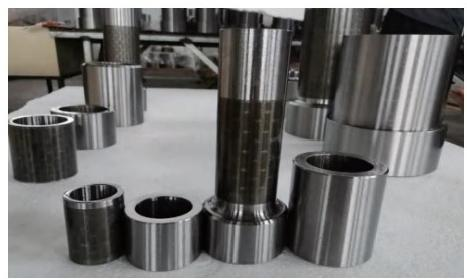
High-temperature Equal Wall Thickness High-power Screw Drilling Tool
Orient Energy & Technologies Co., Ltd.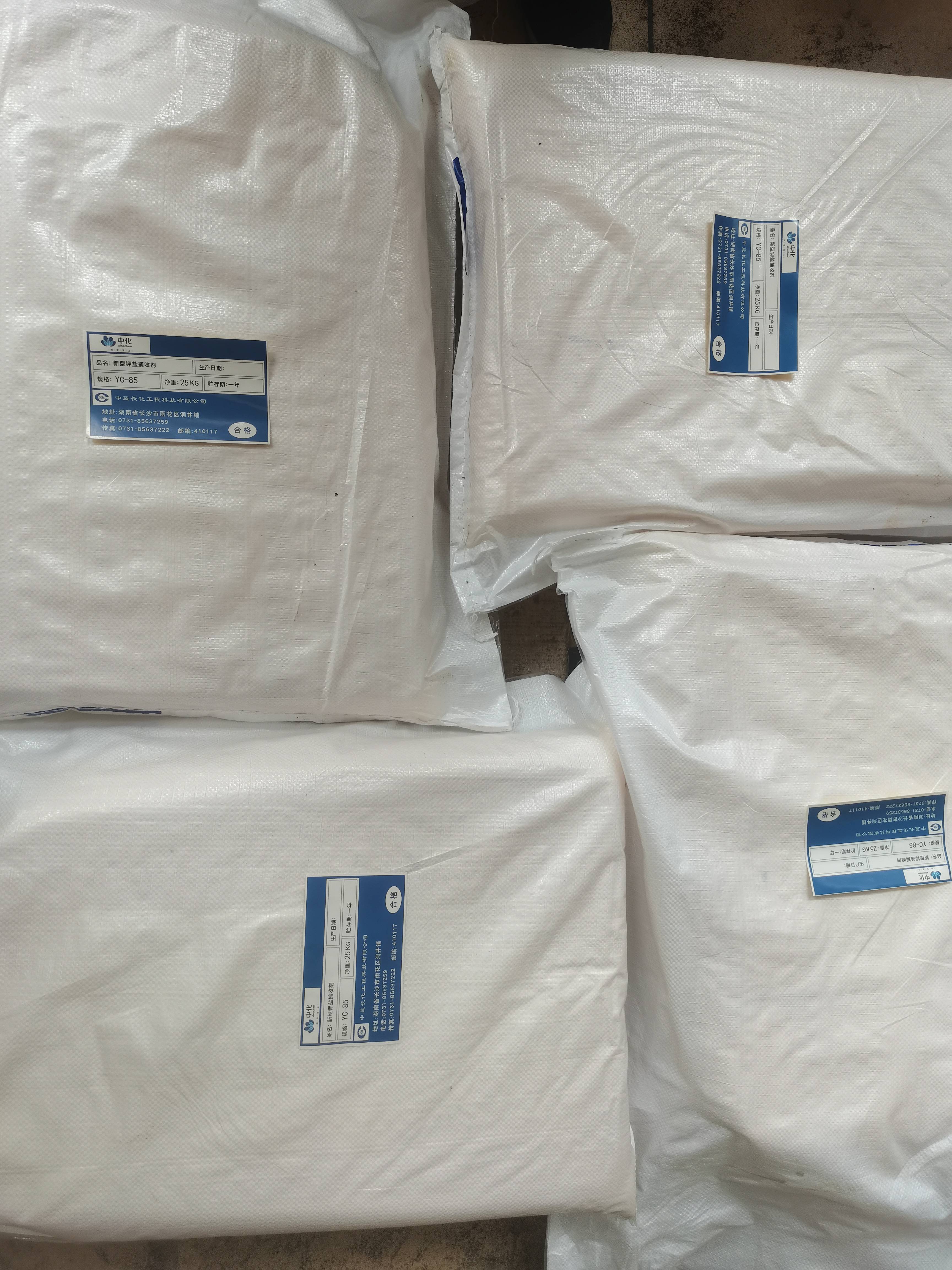
New Environmentally Friendly Green Potassium Salt Collector
Chonfar Engineering and Technology Co., Ltd.

Mine Explosion-proof and Intrinsically Safe Industrial Ethernet Ring Network (10 Gigabit/Gigabit)
Chongqing Mas Sci&Tech Co., Ltd.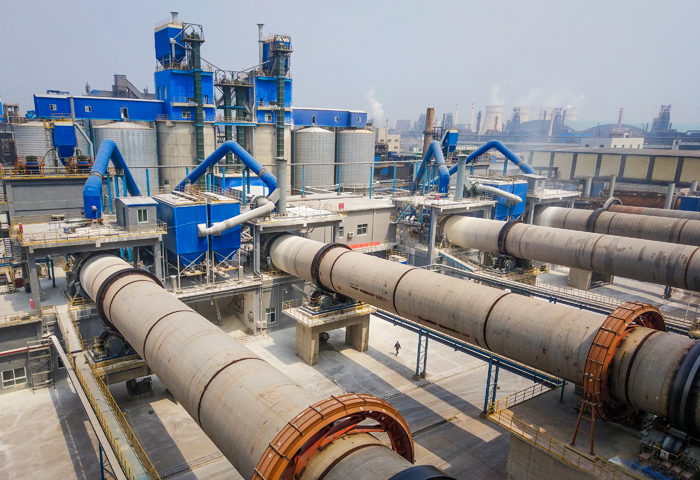
CITIC Heavy Industries Metallurgical Equipment Steel Smelting Engineering Equipment
CITIC Heavy Industries Co., Ltd.
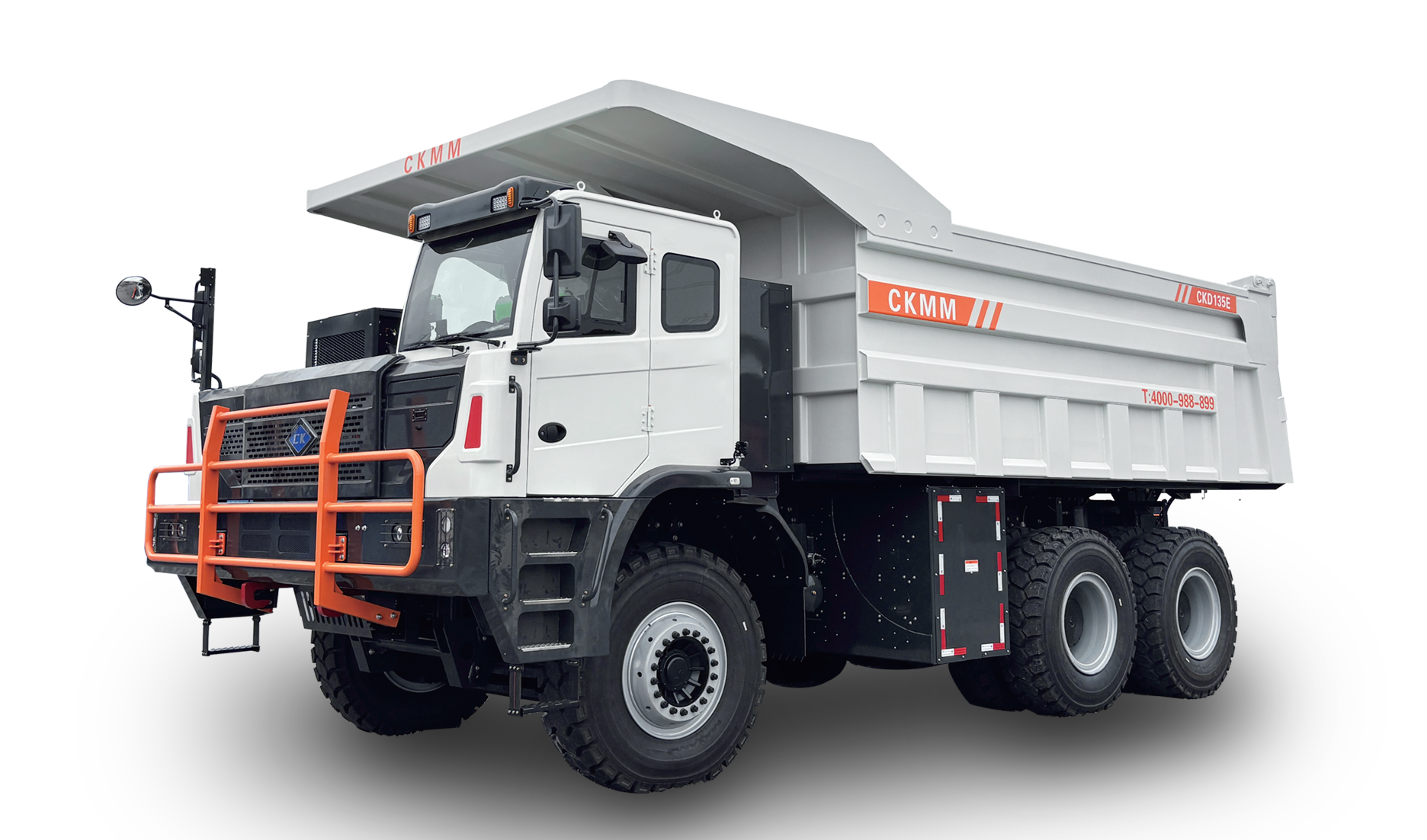
CKD135E Pure Electric Wide-body Dump Truck
Jiangsu Changkuang Engineering Machinery Co. Ltd.