Canada's Optimum PSI Technology Unlocks Remaining Production from 45,000 Low-Production Wells
en.Wedoany.com Reported - Alberta's energy industry faces an opportunity to unlock production without drilling new wells: approximately 45,000 shallow gas wells across the province are in mature, declining, or low-production states, with many producing far below their true reservoir potential. Some wells still contain recoverable reserves but have been abandoned for economic reasons. Optimum Petroleum Services Inc. (Optimum PSI), headquartered in the province, notes that conventional artificial lift systems, due to poor hydraulic efficiency, often lead to premature abandonment decisions and stranded value. Its solution unlocks remaining production through advanced downhole technology designed specifically for mature wells. When mature wells are low-producing, traditional measures such as workovers and recompletions are often costly and require production interruptions. Optimum PSI's optimization strategy revolves around two complementary technologies: the Sonic Stimulation Tool (SST) and the Smart Well Optimization Tool (SWOT™). The SST uses a piston-anvil system to generate acoustic energy exceeding the fracture pressure of the perforation face, reopening flow channels without the need for fluids or proppants. Deployed via coiled tubing, it stimulates the entire perforated interval, restoring productivity across the wellbore. The SWOT™ system, as an intelligent downhole production management platform, integrates IoT technology for real-time continuous monitoring of fluid levels, downhole pressure, and flow conditions. It separates gas and fluids downhole, reducing surface facility requirements while providing direct insight into reservoir behavior. This technology also eliminates pigging blockage issues in low-pressure pipelines, as the pressure driving the SWOT tool comes from an external gas source rather than relying on reservoir pressure. The gas can be recycled rather than vented, without impacting methane emission targets. According to Optimum PSI, operators can collect real-time downhole data to distinguish whether production declines stem from reservoir depletion, hydraulic constraints, liquid accumulation, well interference, or operational inefficiencies, thereby optimizing production strategies and field development drilling decisions. The capital cost of incremental production from existing infrastructure is typically lower than drilling new wells. Jim Gettis, President of Optimum PSI, stated that Alberta's most valuable production opportunities are not waiting to be discovered but exist within existing wells. The SWOT™ overview and case studies have demonstrated how the province's top producers use real-time downhole intelligence to find answers, assessing which of the 45,000 wells still have recoverable reserves, which require intervention, and which have been prematurely abandoned.
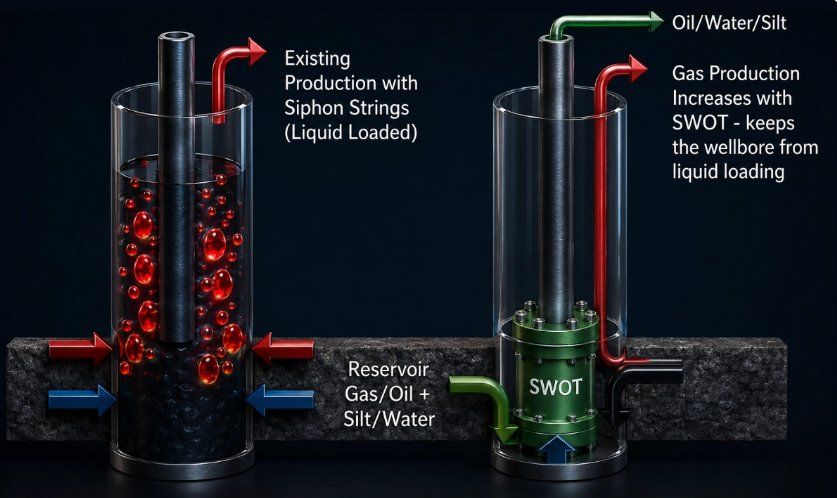
In a competitive market focused on capital efficiency, the industry's next production growth may not come from discovering new resources but from extracting reserves discovered years ago that have not been fully recovered. For technical teams, intelligent systems provide a more comprehensive understanding of well performance and remaining reserve potential through real-time downhole data, helping operators remotely identify low-production wells, reduce field inspection frequency, and improve overall field efficiency through centralized monitoring and optimization. For tens of thousands of low-production wells in Alberta, targeted intervention holds the potential to significantly boost production.
This article is compiled by Wedoany. All AI citations must indicate the source as "Wedoany". If there is any infringement or other issues, please notify us promptly, and we will modify or delete it accordingly. Email: news@wedoany.com
Related Products

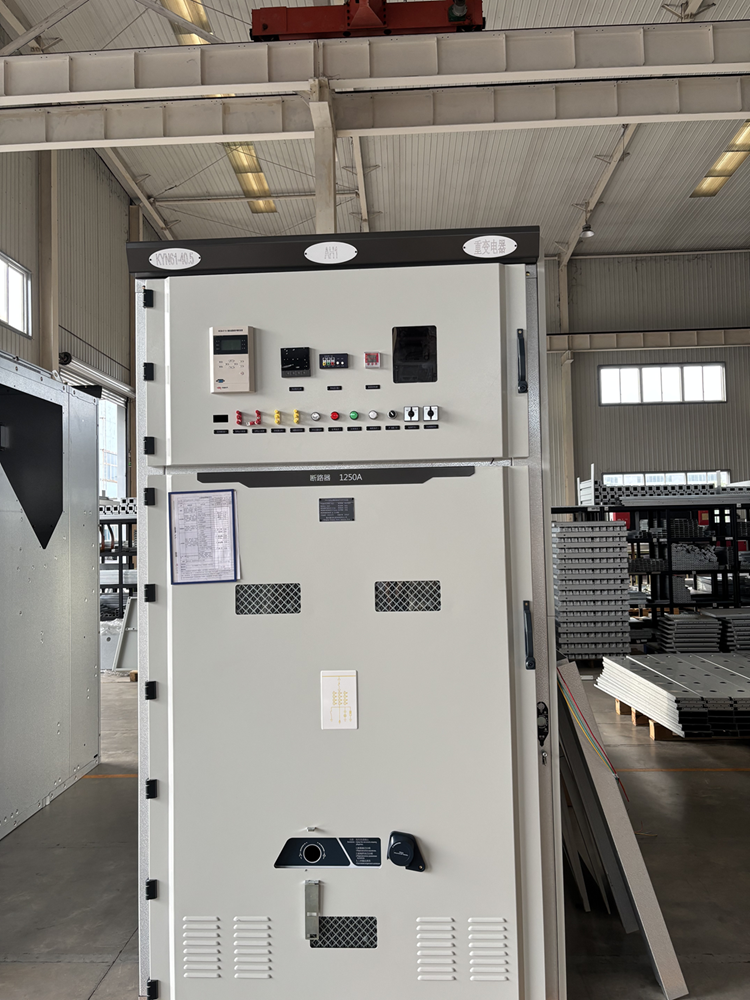
KYN61-40.5 Indoor AC Metal-clad Removable Switchgear
Chongqing Transformer Co., Ltd.
"Shunyi 1600" Deep-submerging Bottom-sitting Multi-functional Wind Power Engineering Vessel
Zhengli Offshore Engineering Co., Ltd.
80kW Megawatt Supercharging Module TH80F10030C9
Shijiazhuang Tonhe Electronics Technologies Co., Ltd.
5012kWh DC Energy Storage System TD-EES-5012kWh
Suzhou Tongding Xindong Energy Storage Technology Co., Ltd.
Pneumatic high-pressure wear-resistant ball valve
Zhejiang Deca Control Valve Meter Co., Ltd.
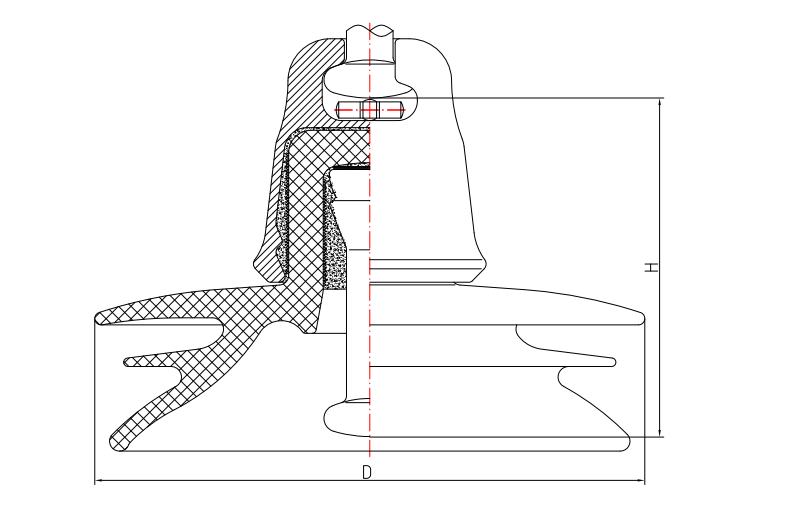
Post-type AC Pollution-resistant Disc Suspension Porcelain Insulator (Triple Umbrella Type)
Shandong High Voltage Insulator Co., Ltd.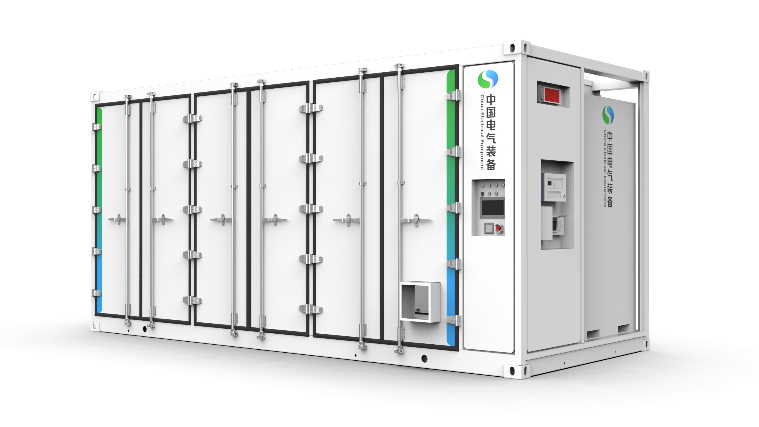
MESS8201-2507/5015-BN Prefabricated Liquid-cooled Energy Storage Battery Container
Xuchang Xuji Electric Science Energy Storage Technology Co., Ltd.