Three Major U.S. Home Energy Providers Jointly Offer 16.8 GW of Distributed Capacity
en.Wedoany.com Reported - Sunrun, Tesla, and Renew Home announced on Wednesday that their combined distributed energy capacity is nearly 17 GW, which can be used to free up capacity in the increasingly congested U.S. power grid.
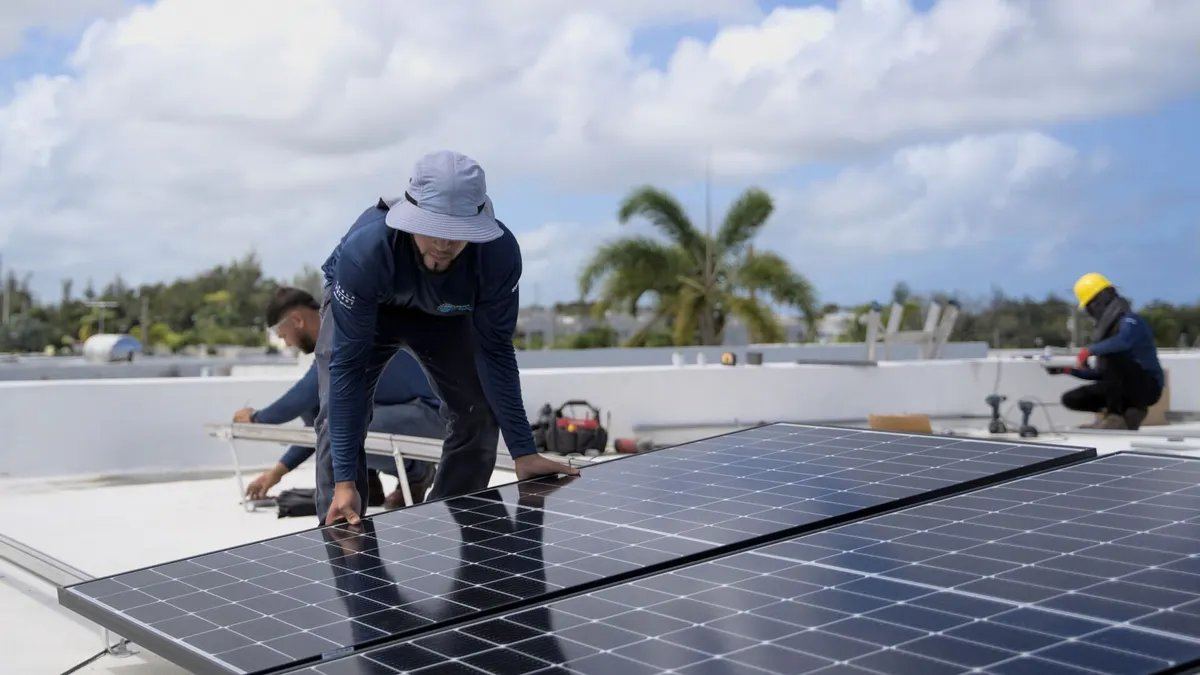
This "Capacity as a Solution" agreement integrates resources from three major U.S. home energy providers. Chris Rauscher, Head of Grid Services and Electrification at Sunrun, told Utility Dive that Sunrun and Tesla have hundreds of thousands of solar-plus-battery customers in key data center markets such as Texas, California, and Virginia. Renew Home manages over 8 million smart thermostats and other devices. In an interview, Rauscher noted that these companies' services can address the "speed-to-power" challenge faced by hyperscale data centers and utilities—where data centers are eager to connect to the grid—while the project, by paying for participation in grid services or capacity programs, brings "direct, tangible benefits to American middle-class families."
Data released by the three companies shows they can provide 16.8 GW of capacity through 12 million devices in 9 million U.S. households. Among them, Sunrun and Tesla manage 7.8 GW of installed battery capacity, while Renew Home has approximately 9 GW of HVAC capacity based on the one-hour peak load shift potential of its smart thermostats.
In Texas—which Rauscher called the second-largest data center market in the U.S.—these companies have 1.3 GW of HVAC capacity and 440 MW of battery capacity. In California—the third-largest data center market in the U.S.—they have nearly 1.1 GW of HVAC capacity and 3.6 GW of battery capacity.
Power system experts have discussed the "theoretical" potential of distributed resources to free up grid capacity for years, but Renew Home CEO Ben Brown told Utility Dive in an interview, "I don't think anyone realizes the scale of resources currently available."
In Virginia, which hosts one of the world's largest commercial computing clusters, Sunrun, Tesla, and Renew Home have 37 MW of batteries and 276 MW of HVAC capacity. The three companies expect the state's total capacity to reach 500 MW by 2030.
Brown stated that Renew Home and its partners expect adoption of distributed resources to remain strong in the coming years. He noted, "When we look at the adoption of (stationary) batteries and electric vehicles, we are in the early stages of an upcoming growth phase."
Meanwhile, approximately 80 million U.S. households have controllable HVAC systems, but only 20 million have smart thermostats. Brown called this a "convenient, low-cost solution for immediately shiftable load" and believes it is "the sleeping giant that can be brought to the market in terms of capacity."
Rauscher pointed out that the factors driving demand for immediately available distributed capacity in the U.S. mainland—rising electricity demand, an aging grid with high expansion costs and long timelines—are particularly pronounced in Puerto Rico. On the island, rooftop solar systems now account for 20% of its capacity mix and are increasingly paired with stationary batteries.
Hurricane Maria in 2017 destroyed Puerto Rico's transmission network, significantly worsening reliability issues for the island of about 3.3 million people. Rauscher said that, like most of the U.S. mainland, consumption and industrial loads are pushing up electricity demand. He added that the island's aging fossil fuel generators often go offline for planned or unplanned maintenance, further squeezing already thin reserve margins.
Earlier this month, an executive from LUMA Energy, the private company that has operated the island's grid since 2021, told local media that Puerto Rico experienced approximately 225 load-shedding events in the "last few months of 2025."
Rauscher commented, "Unfortunately, Puerto Rico is ahead of the curve on all these dynamics," which are likely to worsen on the island and the U.S. mainland before they improve.
Rauscher stated that LUMA has called on Sunrun's PowerOn Puerto Rico VPP at least six times this month. He analyzed that above-average temperatures are one of the drivers of rising demand on the island this year.
LUMA CEO Janisse Quiñones mentioned in an interview with Radio Isla that over 200,000 customers with on-site solar and batteries played a key role in shortening a power outage in early June that affected approximately 170,000 homes and businesses. According to an English translation of a report from the Spanish-language newspaper *El Vocero*, Quiñones said: "We always thank residents for their support in that regard."
This article is compiled by Wedoany. All AI citations must indicate the source as "Wedoany". If there is any infringement or other issues, please notify us promptly, and we will modify or delete it accordingly. Email: news@wedoany.com
Related Products
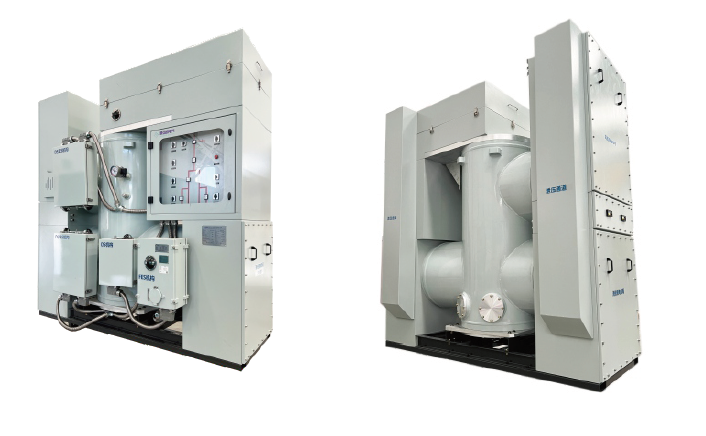

72.5kV 1250A 31.5kA SF6 free Gas-insulated Metal-enclosed Switchgear
Zhejiang Juhonkia Intelligent Electric Co., Ltd.
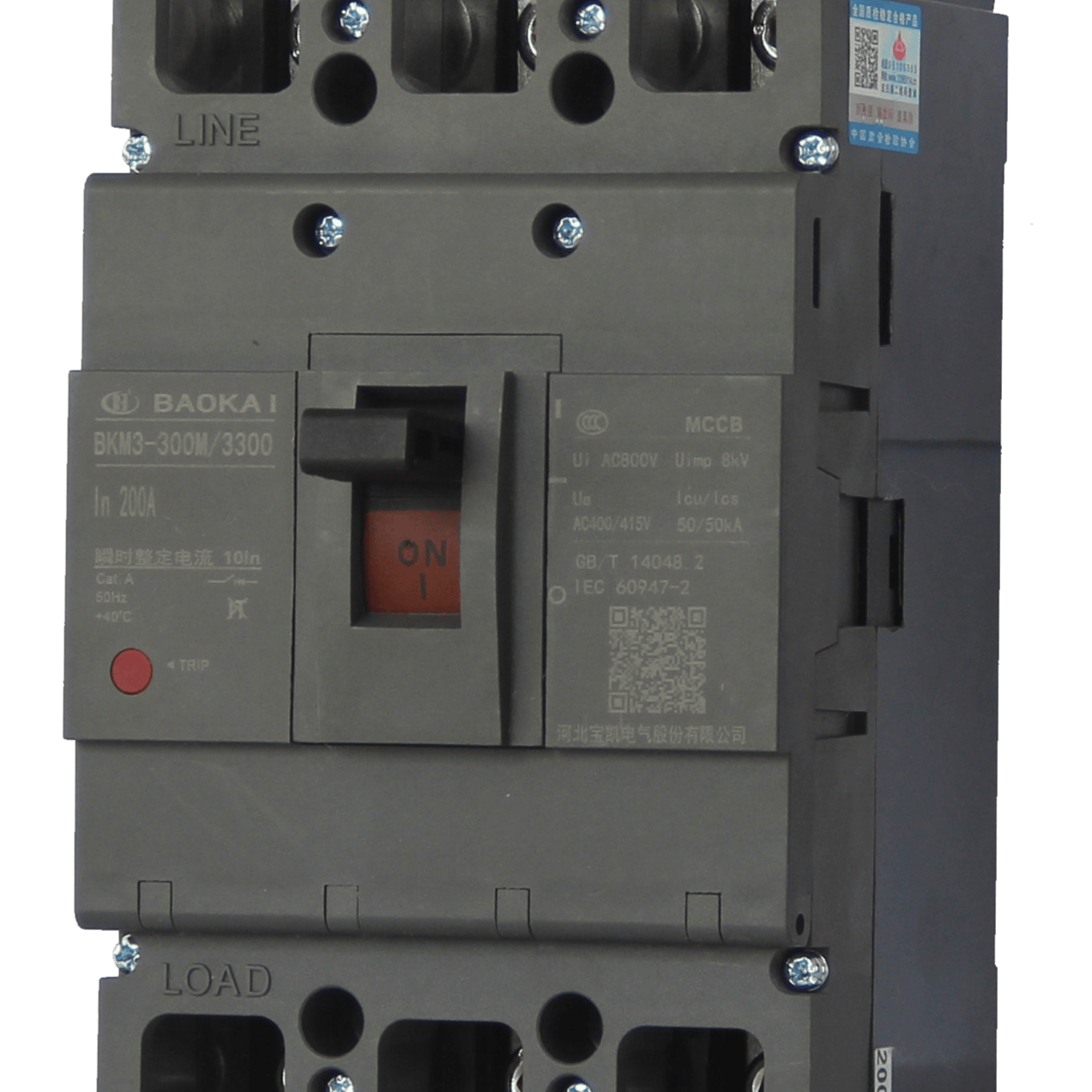

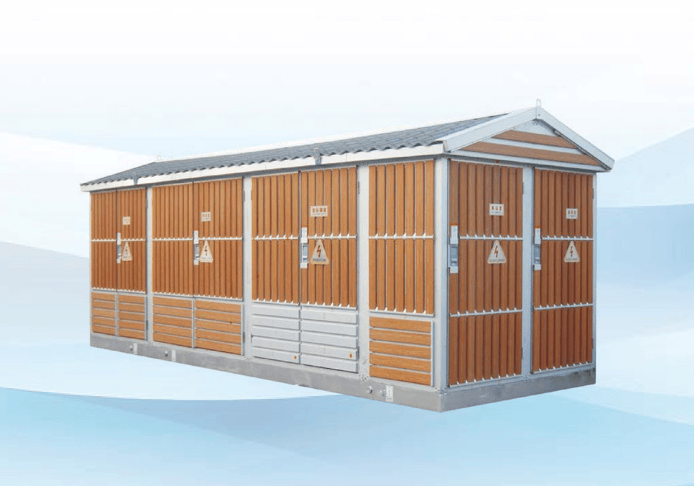
YB □ -12/0.4/1250 Outdoor Prefabricated Substation (European Style)
Shangrao Shangyu Intelligent Electric Co., Ltd.
HI-Pro Green Hydrogen High-efficiency Production System-HI-PRO-AEM
Hydrizon Technology (Beijing) Co., Ltd.
Hydrogen Production Technology: Hydrogen Purification by Pressure Swing Adsorption
Chengdu Yizhi Technology Co., Ltd.