Special Purpose Engineering Vehicles Are Moving Toward Electrification and Digital Fleet Management
en.Wedoany.com Reported - As construction companies focus more on energy efficiency, lower noise and refined asset management, Special Purpose Engineering Vehicles are evolving from conventional diesel-powered machines and reactive maintenance toward electric drive, intelligent control, remote monitoring and coordinated fleet management.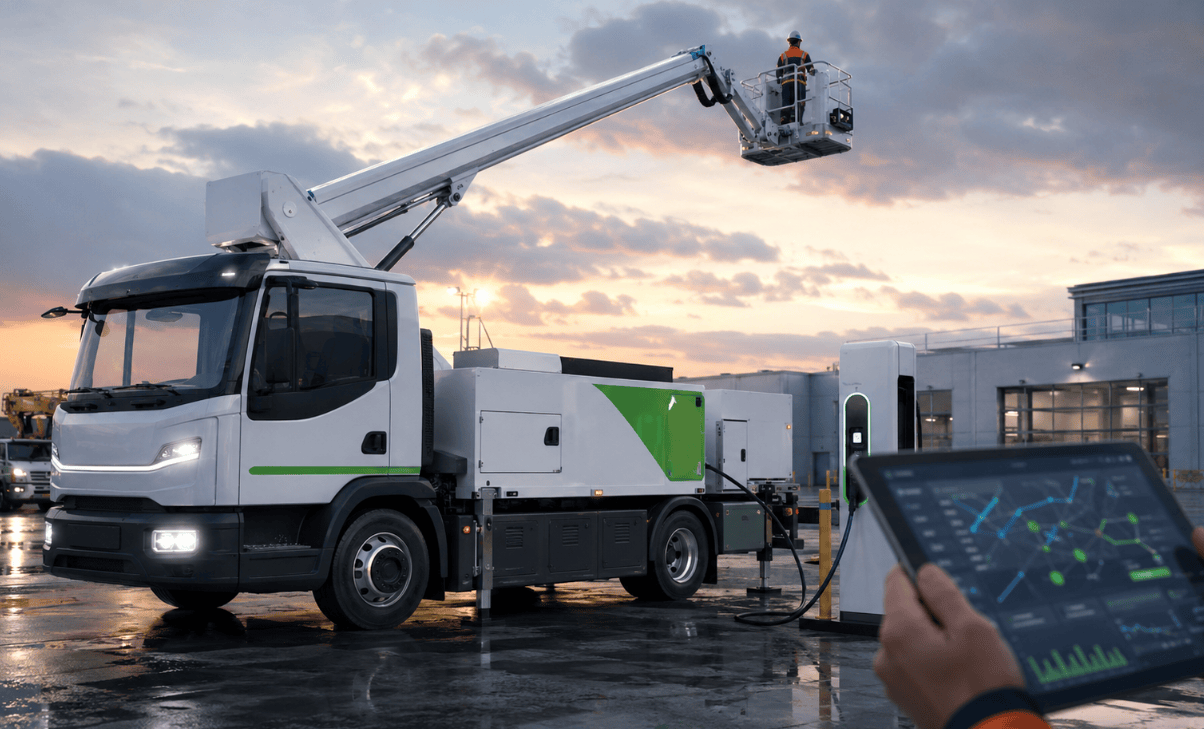
Electrification is particularly suitable for fixed sites, urban projects, indoor construction and applications requiring low noise. Electric equipment does not need to keep an engine idling when the work function stops, which can reduce non-productive energy use, noise and mechanical wear.
Aerial work vehicles, road maintenance units and mobile service vehicles may also use electrically powered mounted equipment independently of the chassis. After reaching the site, the battery can power hydraulic pumps, lighting, tools and control systems without continuous engine operation.
However, electrification is not simply a power-source replacement. Operators need to evaluate daily working hours, peak power, continuous loads, temperature, charging windows and site electrical capacity. Remote projects with long operating periods may face charging constraints if reliable electricity is unavailable.
Battery weight and installation position also affect vehicle design. Special-purpose vehicles already carry substantial mounted equipment, so poor battery placement may increase axle loads, change the center of gravity or reduce useful payload. Chassis and mounted equipment should be designed as one system.
Hybrid systems may provide a transition route for high-power engineering vehicles. Electric assistance can support starting, rotating, lifting and other peak-load functions, while energy may be recovered during braking or work-equipment lowering. Control strategies should be optimized around the real duty cycle.
Digital maintenance is another major development. Connected vehicles can report location, operating hours, fuel or battery level, fault codes, hydraulic pressure, equipment temperature and maintenance intervals to a fleet-management platform.
Utilization data can help enterprises identify idle equipment and unbalanced fleet allocation. If one vehicle category remains underused while another operates continuously at high load, equipment can be reassigned or future purchasing plans can be adjusted.
Predictive maintenance can use temperature, vibration, pressure and fault history to identify changes in equipment condition. Rising hydraulic oil temperature may indicate cooling, pump or valve problems, while abnormal charging time may indicate a battery or charging-system issue.
Remote diagnostics can reduce part of the waiting time for field repair. Technicians can review fault codes and operating data before traveling to the site and prepare suitable tools and spare parts. However, faults involving brakes, structures, load-bearing hydraulics and safety interlocks still require physical inspection.
Digital systems must also address data standards and cybersecurity. Fleets containing equipment from different manufacturers may use different interfaces, so companies need consistent asset identification, fault classifications and maintenance records. Remote access and data transmission should be protected.
Enterprises can begin digital and electric upgrades with high-utilization vehicles, assets with high downtime costs and equipment that is difficult to maintain. Energy savings, productivity and maintenance benefits should be verified under real operating conditions before fleet-wide expansion.
Electrification changes the vehicle energy system, while digitalization changes the management model. Future competitiveness will depend not only on maximum load and working height, but also on energy efficiency, data capability, equipment utilization and life-cycle service.
This article is compiled by Wedoany. All AI citations must indicate the source as "Wedoany". If there is any infringement or other issues, please notify us promptly, and we will modify or delete it accordingly. Email: news@wedoany.com
Related Products

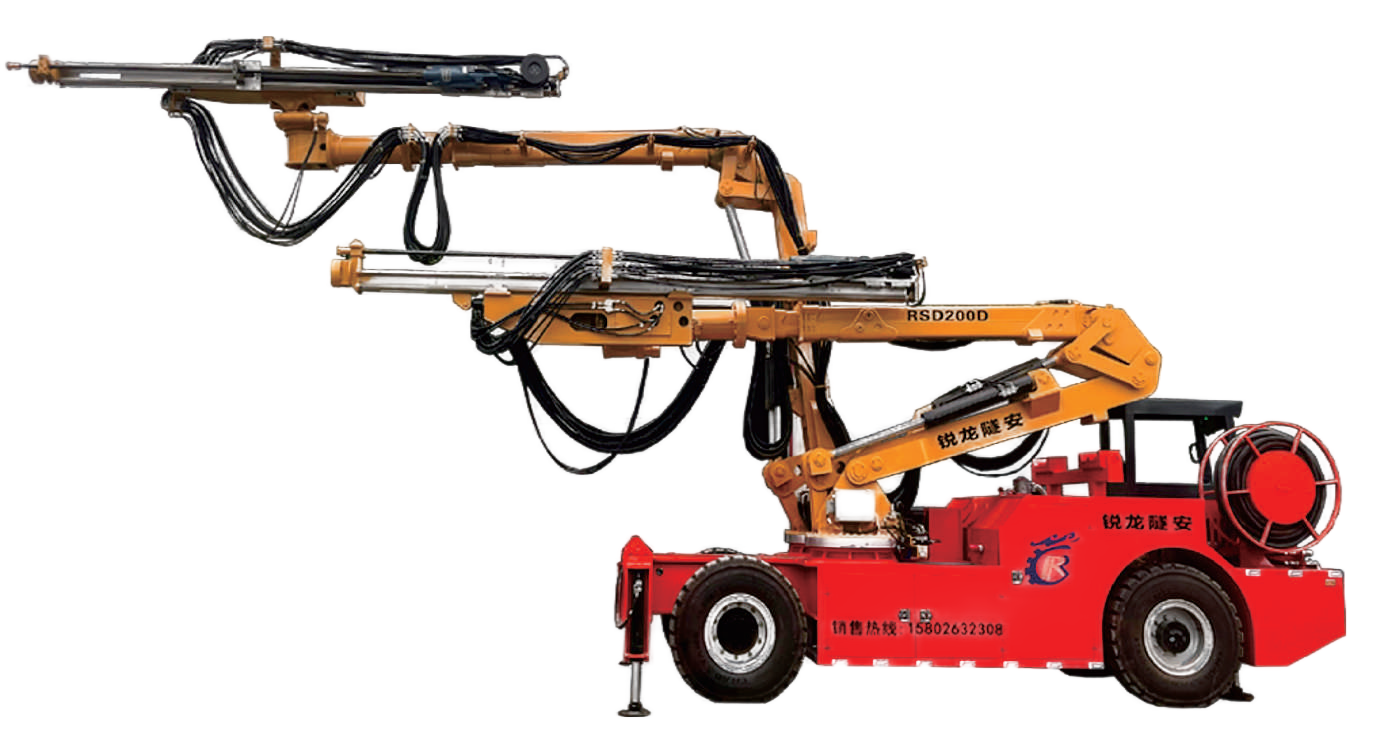
Dual-curved Arm Rock Drilling Trolley RSD200D
Chengdu Ruilong Machinery Manufacturing Co., Ltd.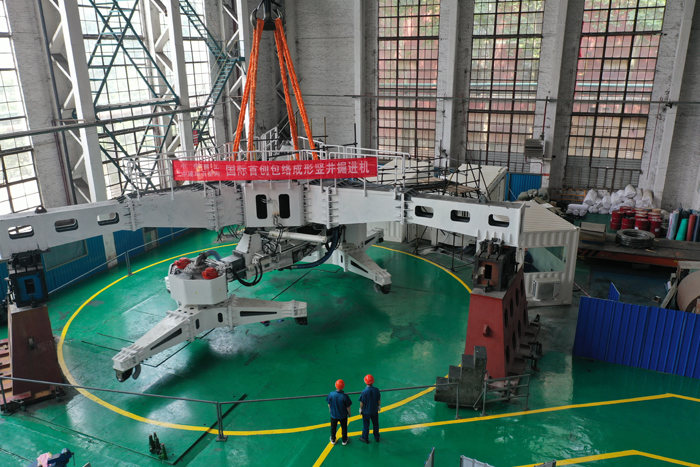
CITIC Heavy Industries Tunneling Equipment Tunnel Engineering Shield Machine
CITIC Heavy Industries Co., Ltd.
Dual-Mode / Multi-Mode Tunnel Boring Machine
CCCC Tianhe Mechanical Equipment Manufacturing Co., Ltd.
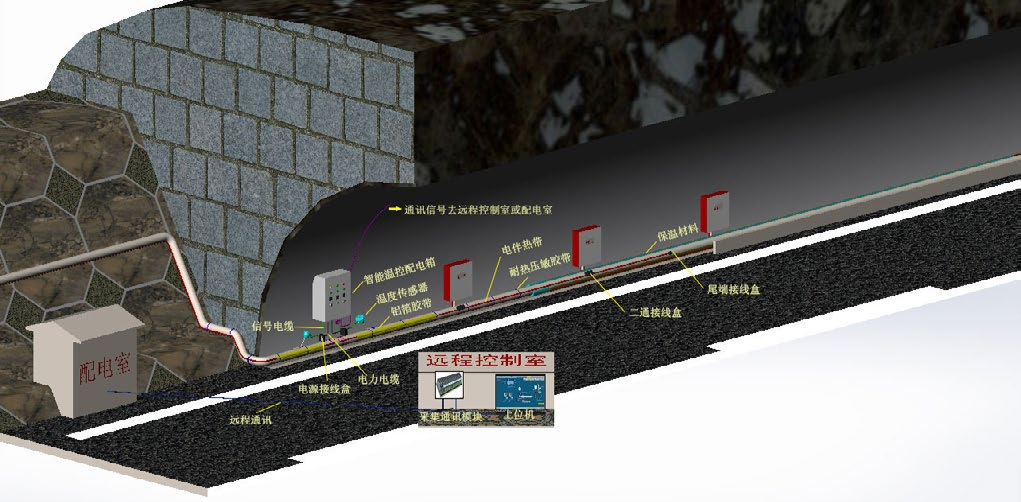
Tunnel fire protection electric heat tracing system
Shandong Huaning Electric Tracing Technology Co.,Ltd.