Global Humanoid Robot Output Exceeds 20,000 Units in 2025, China's Supply Chain Accounts for 90%
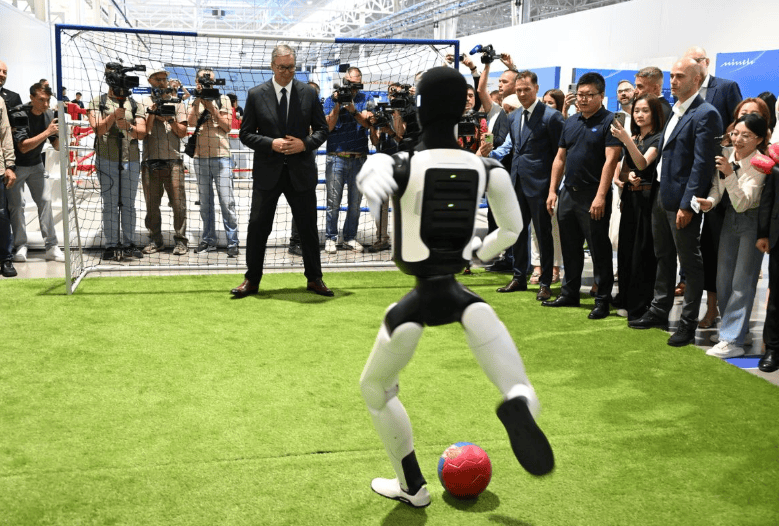
en.Wedoany.com Reported - In 2025, global humanoid robot production exceeded 20,000 units, an increase of about tenfold from fewer than 2,000 units in 2024. However, only about 10% of these are deployed in actual scenarios, with the vast majority still used for research, data collection, and entertainment purposes. Marco Wang of research firm Interact Analysis stated in a June blog post that current growth is primarily driven by an expanding customer base and diversified pilot projects, rather than large-scale commercial deployment. Most practical application projects remain in small-scale proof-of-concept stages, fueled by government subsidies, strategic investments, and supply chain partnerships.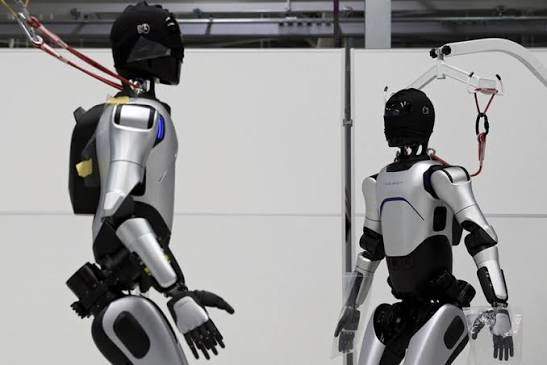
Wang pointed out that the market currently lacks large-scale, long-term deployment projects based purely on commercial logic. Although many pilot projects aim to reduce costs and improve efficiency through automation, most have failed to progress beyond short-term demonstrations and small-scale controlled operations. He believes that the constraints on full commercial adoption lie in the "impossible triangle" of autonomous operation, return on investment realization, and multi-task generalization capabilities.
China dominates the humanoid robot supply chain. In 2025, Chinese suppliers accounted for over 90% of production output, a near-monopoly, with the remainder primarily coming from U.S. manufacturers. Interact Analysis estimates that approximately 75% of humanoid robots are delivered to the Chinese market. The gap between domestic production and demand in China mainly stems from some Chinese manufacturers achieving substantial overseas sales, with demand driven by academic research and entertainment purposes. The top five producers are all Chinese companies, collectively accounting for about 70% of global output. Among them, Unitree and Agibot each produced and shipped over 5,000 units, totaling more than 11,000 units, representing over 50% of the global market.
Regarding market prospects, Interact Analysis believes that short-term growth is not entirely driven by rational commercial considerations. It is currently propelled by numerous small-scale pilot projects, with customers concentrated among well-funded enterprises and companies with capital and supply chain ties to robot manufacturers. Government involvement will play a key role. Wang stated that near-term deployment will still primarily involve semi-autonomous operations, with specific tasks relying on rule-based control or human teleoperation. The latter is expected to achieve the first practical commercial deployments of humanoid robots in hazardous work scenarios and regions with significant labor cost differences. Highly autonomous, AI-driven humanoid robots will first be adopted in scenarios with higher tolerance for task speed and error rates. The inflection point for large-scale commercial adoption is expected to take more than five years.
This article is compiled by Wedoany. All AI citations must indicate the source as "Wedoany". If there is any infringement or other issues, please notify us promptly, and we will modify or delete it accordingly. Email: news@wedoany.com
Related Products



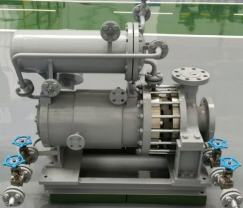
CAP1400 main feedwater flow nozzle flowmeter.
Jiangsu Hongda Instrument Technology Co., LTD.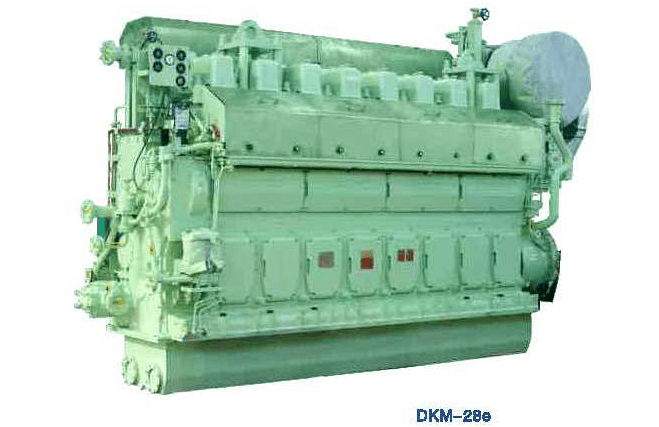

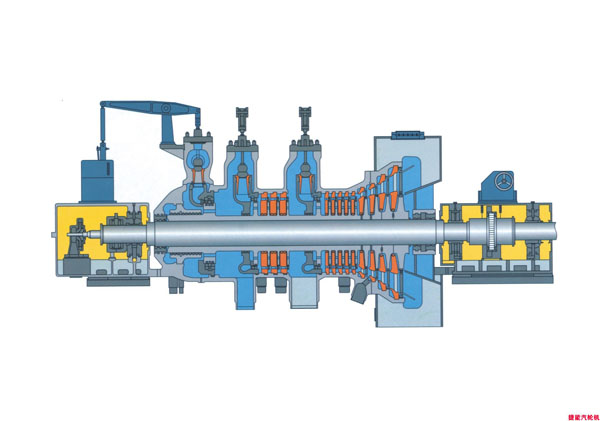
Pneumatic high-pressure wear-resistant ball valve
Zhejiang Deca Control Valve Meter Co., Ltd.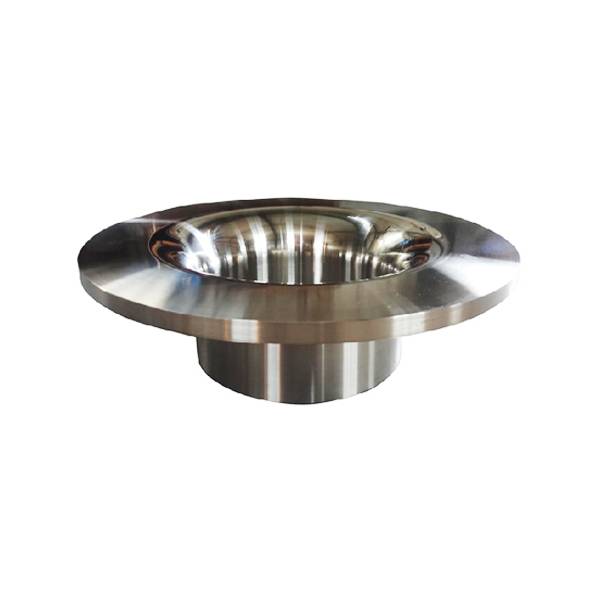
Standard Nozzle Flowmeter
Jinggong Automatic Control Instrument Complete Technology Development Company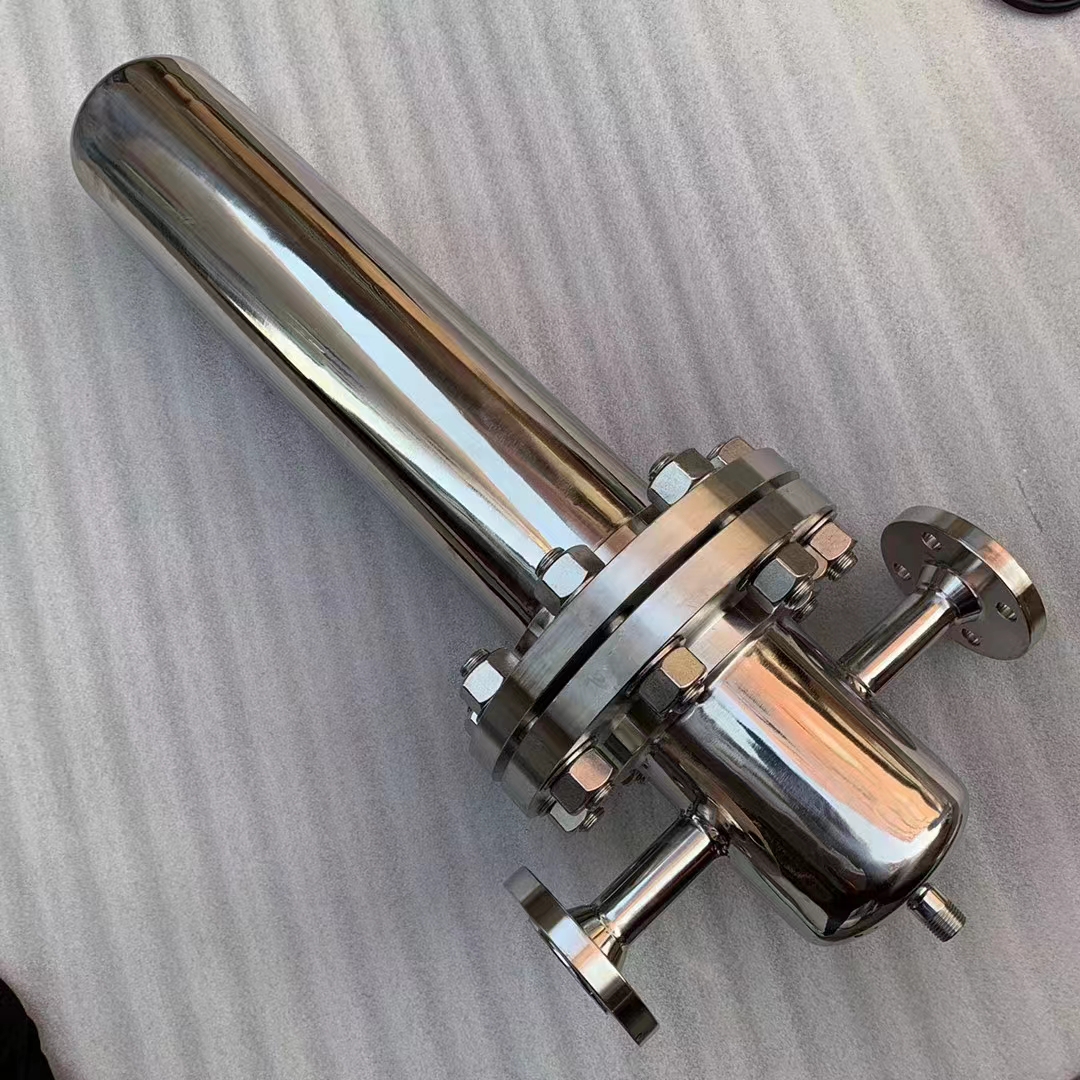
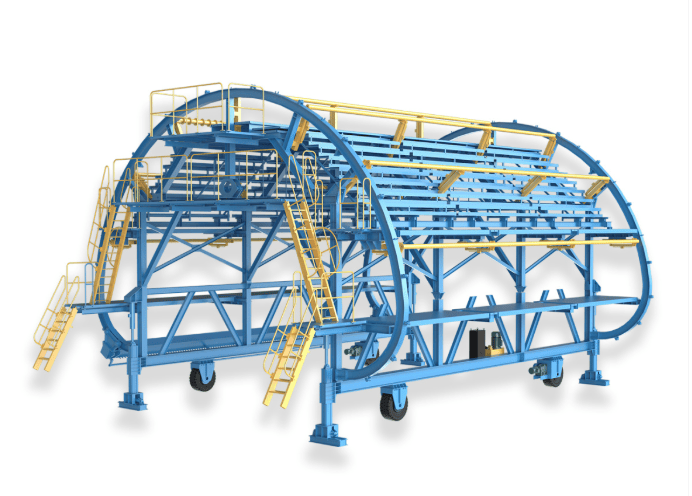
QLZNGJ Intelligent Steel Reinforcement Trolley
Luoyang China Railway Qiangli Machinery Co., Ltd.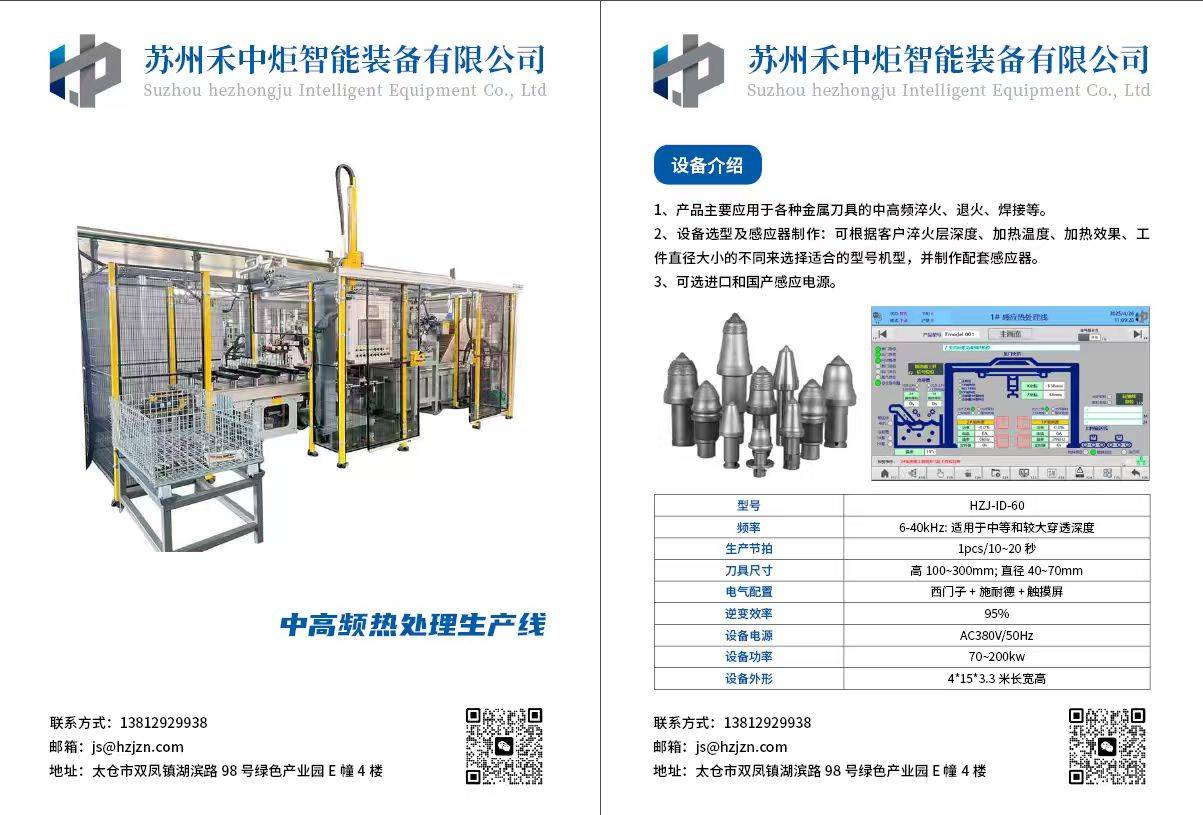
Excavator Bucket Teeth Heat Treatment Production Line
Suzhou Hezhongju Intelligent Equipment Co., Ltd.