G7 and Latin America Collaborate to Diversify Critical Mineral Supply Chains
en.Wedoany.com Reported - The G7 is expanding its cooperation to include mineral-producing countries, including those in Latin America, to extend critical mineral supply chains from raw material exports to processing, innovation, and value-added stages, creating new development opportunities for the region's mining sector.
Following a meeting in Évian-les-Bains, France, the G7—comprising the United States, Germany, Canada, France, Italy, Japan, and the United Kingdom—issued a declaration committing to coordinated efforts within the group and with partner countries to enhance the industrial and processing capabilities needed to diversify critical mineral value chains, including supporting local value creation and fostering innovation.
Latin America holds a significant advantage in critical mineral resources, with 60% of global lithium reserves and 40% of copper reserves, along with abundant rare earths, cobalt, nickel, uranium, and other minerals. Key resource countries include Chile and Peru, leading copper producers, and the "Lithium Triangle" formed by Argentina, Chile, and Bolivia. Brazil is also consolidating its supply position in rare earths, graphite, niobium, and bauxite.
Key terms emphasized in the G7 declaration include traceability, recycling, circular economy, innovation, production, and processing, with the goal of reducing dependence on rare earths and permanent magnets to below 60% by 2030. The group stated that it has invested a cumulative total of 64 billion euros (approximately $73.347 billion) in critical mineral value chains within G7 and partner countries this year through equity and purchase agreements, involving 195 projects.
Financial support has been simultaneously deployed. The Inter-American Development Bank is participating in a financing plan of up to $1.175 billion to support the Rincón lithium project in Argentina, while the U.S. International Development Finance Corporation has provided $565 million to expand rare earth operations at Serra Verde in Brazil.
For Latin America, the current situation offers the possibility of attracting investment in high-tech, refining, processing, and manufacturing sectors related to batteries and energy storage. Argentina is advancing a system called "Super RIGI" to attract foreign capital for economic activities related to emerging technologies, while Chile's Congress is reviewing a new legal framework for critical minerals to promote diversification and complexity in mineral resource development.
The EU-Mercosur agreement further enhances the importance of Latin American mineral resources for European supply chains. Critical minerals provide a new avenue for the region to increase public revenue, but the formulation of mining policies and legal frameworks must fully consider the benefits of participating in the diversification of global markets driven by entities such as the G7.
This article is compiled by Wedoany. All AI citations must indicate the source as "Wedoany". If there is any infringement or other issues, please notify us promptly, and we will modify or delete it accordingly. Email: news@wedoany.com
Related Products
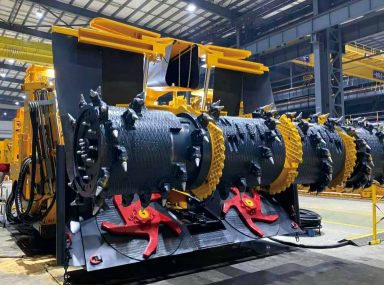

Integrated Excavation and Anchoring Machine (EJM Series)
China Railway Construction Heavy Industry Corporation Limited
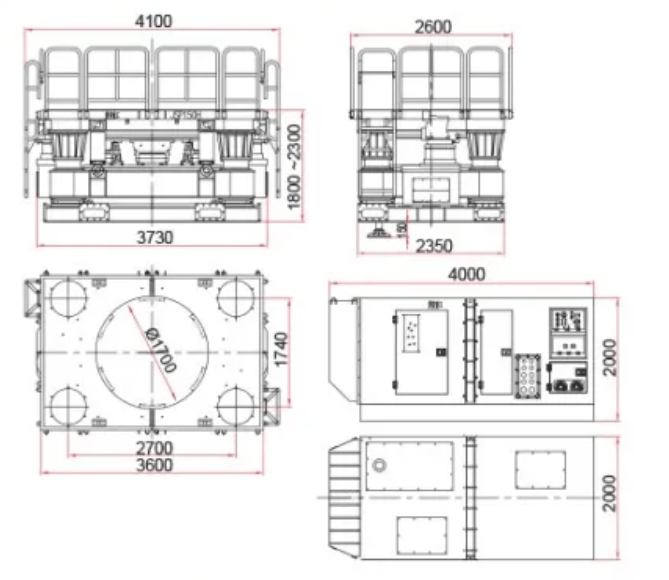
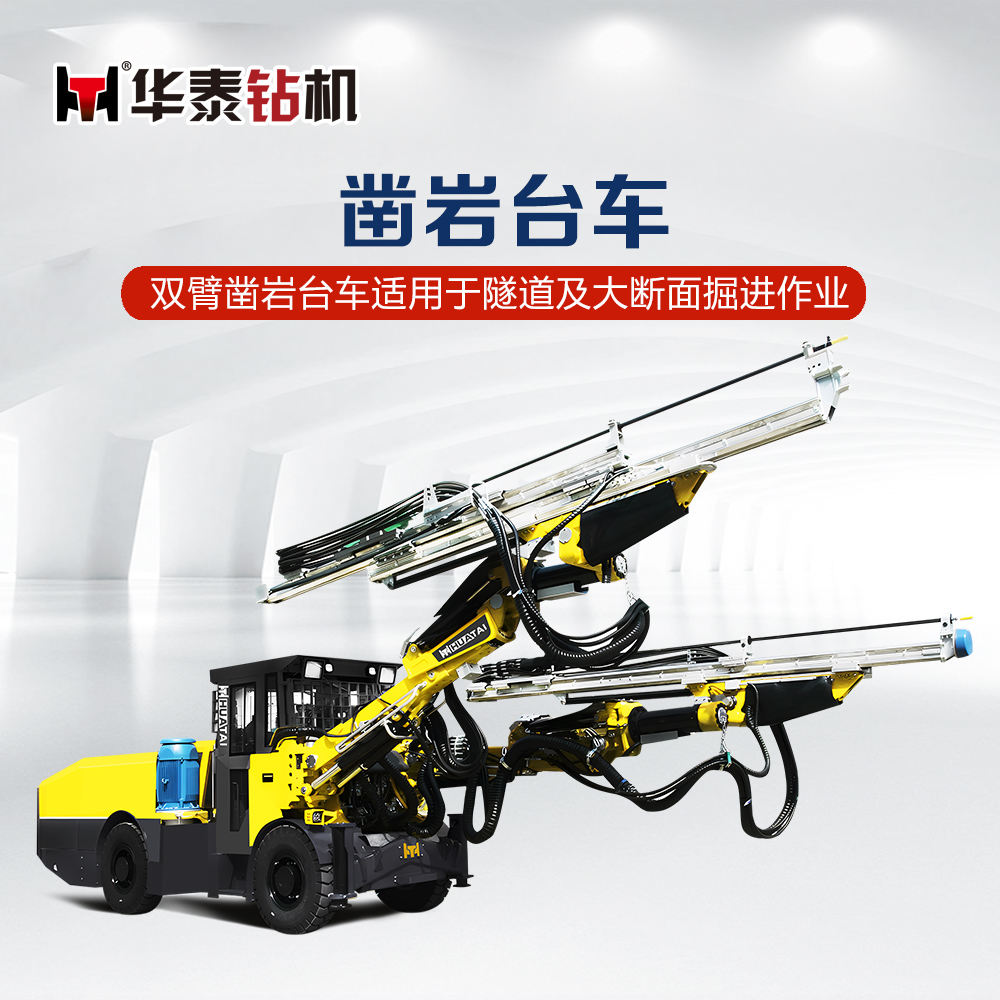
CYTJ45/2 Mining Hydraulic Tunneling Drill Rig
Zhangjiakou Xuanhua Huatai Mining and Metallurgical Machinery Co., Ltd.
High-temperature Equal Wall Thickness High-power Screw Drilling Tool
Orient Energy & Technologies Co., Ltd.

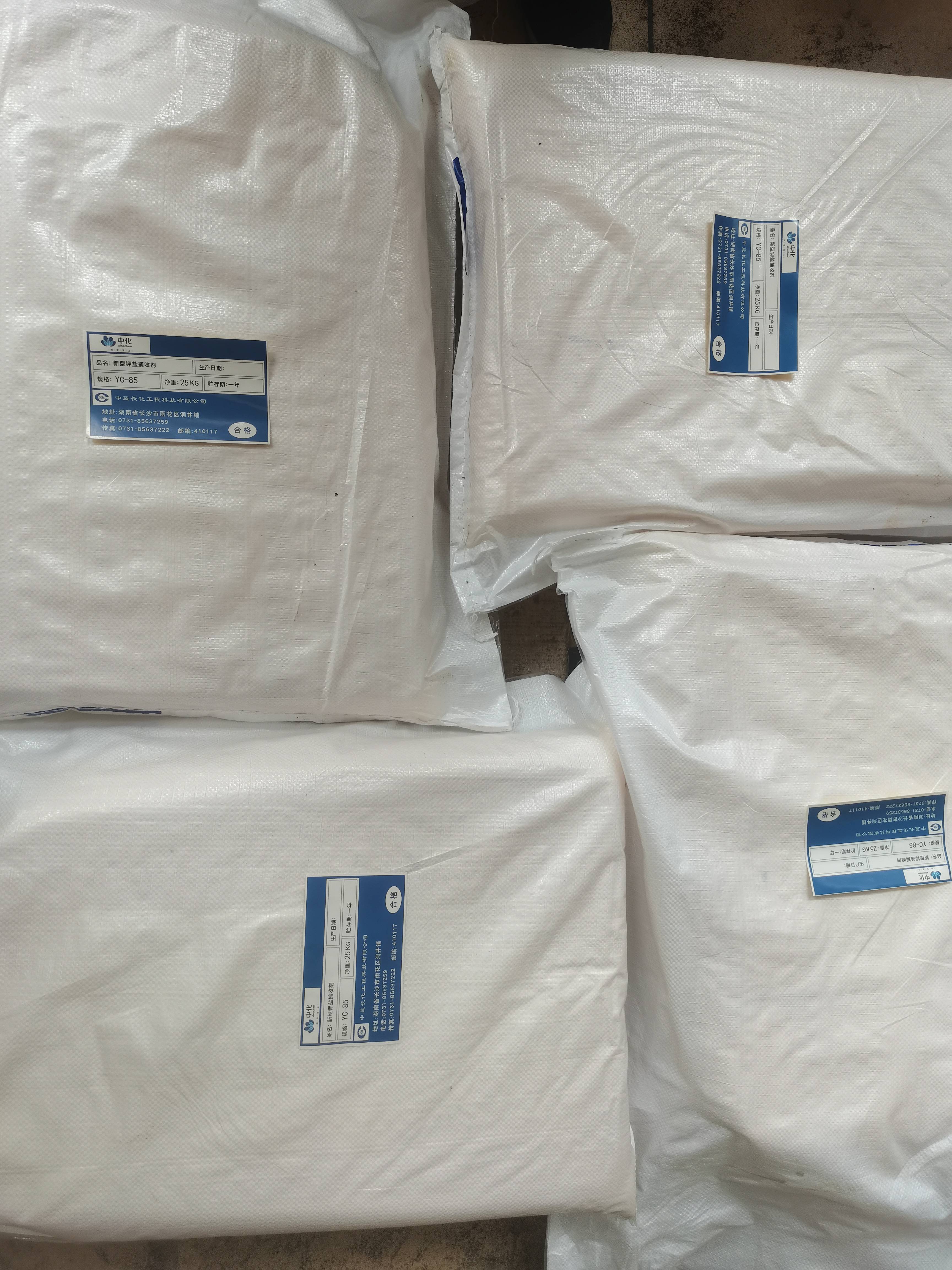
New Environmentally Friendly Green Potassium Salt Collector
Chonfar Engineering and Technology Co., Ltd.