en.Wedoany.com Reported - Professor Rohani Ambo‑Rappe of Hasanuddin University, Indonesia, in collaboration with multiple national institutions, has proposed a multi‑stakeholder cooperation framework to address the long‑standing fragmentation and lack of methodological standardization in the country's seagrass data collection. The study was published online on October 18, 2025, and officially released in Volume 271 of the journal Ocean and Coastal Management on January 1, 2026.
Seagrass beds play a crucial role in biodiversity, food security, and climate mitigation, but are experiencing accelerated global decline due to human activities. Effective conservation requires standardized data collection and mapping, yet in Indonesia, inconsistent methods and poor coordination have led to fragmented data, hindering mapping efforts and causing duplication of work. The new framework primarily addresses challenges such as limited financial support and the lack of standardized field and mapping data, outlining four strategies: establishing a national seagrass mapping partnership, standardizing data collection guidelines, identifying data collectors through surveys, and conducting capacity‑building workshops to train data collectors in seagrass data collection and carbon estimation. These strategies enable the creation of a unified, high‑quality dataset suitable for national‑scale mapping and improve coordination among stakeholders.
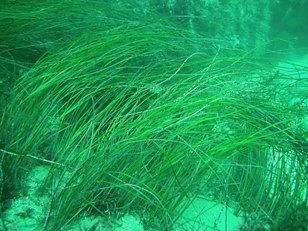
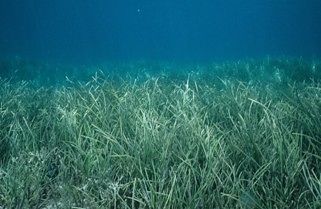
Professor Ambo‑Rappe, citing the study, expressed hope that this new framework would help resolve persistent variability issues, using Indonesia as a case study. The research supports United Nations Sustainable Development Goal 14 (Life Below Water), which calls for the sustainable management and protection of marine and coastal ecosystems, while also contributing to Goal 2 (Zero Hunger) and Goal 13 (Climate Action) by promoting sustainable food systems and better monitoring of blue carbon ecosystems. Professor Ambo‑Rappe added that the framework could serve as a practical model for other coastal and archipelagic countries facing similar challenges of fragmented seagrass data, limited coordination, and large‑scale ecosystem monitoring.
Reference DOI: https://doi.org/10.1016/j.ocecoaman.2025.107968
This article is compiled by Wedoany. All AI citations must indicate the source as "Wedoany". If there is any infringement or other issues, please notify us promptly, and we will modify or delete it accordingly. Email: news@wedoany.com