South Korea's Mobiltech Raises Over 42 Billion KRW in Cumulative Funding, Focuses on Digital Twins
en.Wedoany.com Reported - Mobiltech CEO Kim Jae-seung stated that digital twins are moving from concept to reality, with simulation-based verification increasingly becoming an important internationally recommended practice.

Founded in 2017 and approaching its 10th anniversary of operations, Mobiltech is regarded as one of the leading startups in autonomous driving and digital twin technology. The company has raised over 42 billion KRW in cumulative funding from investors including Naver and Hyundai Motor Company, and is the only South Korean company participating in Nvidia's physical AI platform, Omniverse.
The concept of digital twins began emerging around 2010, referring to virtual environments that replicate real-world objects and environments in digital form. According to the Korea Telecommunications Technology Association (TTA)'s Dictionary of Information Technology Terms, a digital twin is "a digital data model that replicates real-world objects, spaces, environments, processes, or procedures, enabling real-time interaction between the physical and digital worlds." Despite its potential value, digital twins have historically faced commercialization challenges due to high implementation costs, limited precision, and insufficient performance. Technological advancements have steadily reduced costs and improved data quality, bringing digital twin environments closer to real-world fidelity.
One of Mobiltech's landmark projects is the digital twin platform initiative in Saudi Arabia. The company participated in the project last year as a member of a consortium led by Naver, serving as a major supplier in the smart city and autonomous driving sectors. Kim Jae-seung stated that the company will continue to seek opportunities in the Middle East, with a current focus on the U.S. and Southeast Asian markets, where business opportunities are rapidly expanding as the industry enters the era of physical AI and autonomous driving.
The increasing deployment of robots in industrial sites and homes has heightened the importance of digital twins for development and verification. Kim Jae-seung noted that simulation-based learning and other methods enabling robots to autonomously adapt to different environments are becoming increasingly important, and the demand for digital twin-based testing environments is growing.
The expansion of autonomous driving has also created new opportunities for Mobiltech. Internationally, simulation-based verification is increasingly recommended before autonomous driving systems undergo track testing. As the concept of software-defined vehicles (SDVs) becomes mainstream, companies face the burden of re-verifying vehicles with every software update, and digital twin environments can reduce costs and risks in this process.
Mobiltech demonstrated its capabilities at the A1 Autonomous Driving Challenge held on May 28. The company provided a high-detail digital twin reproduction of the real Everland Speedway track in Yongin City, enabling repeated verification of vehicle control under high-speed conditions, multi-vehicle interactions, and emergency response, successfully creating a complex autonomous driving verification environment.
Kim Jae-seung emphasized that Mobiltech's competitive advantage lies in the quality of its data, offering a higher level of precision than competitors, accurately representing high-speed driving environments, and capturing subtle details such as road unevenness and traction changes with very high accuracy.
Looking ahead, Mobiltech plans to expand into logistics, defense, and manufacturing. According to the company, it is currently discussing a project with a major logistics company, with a target for implementation in the second half of this year; it is also in talks with defense contractors to build digital twin environments for battlefield simulation. Kim Jae-seung believes that high-quality simulation environments are becoming an important cornerstone for autonomous vehicles and humanoid robots, and Mobiltech's role is to provide these foundational capabilities.
The company is currently preparing for an initial public offering, having completed pre-IPO funding in February, with a target to list on the stock market in the first half of next year. Mobiltech reported revenue of 8.6 billion KRW and an operating loss of 4.8 billion KRW last year. Kim Jae-seung stated that Mobiltech will grow into a supplier of core technologies for mass-produced vehicles and robots, aiming to become the best supplier capable of delivering digital twin technology, regardless of which industry requires spatial information.
This article is compiled by Wedoany. All AI citations must indicate the source as "Wedoany". If there is any infringement or other issues, please notify us promptly, and we will modify or delete it accordingly. Email: news@wedoany.com
Related Products
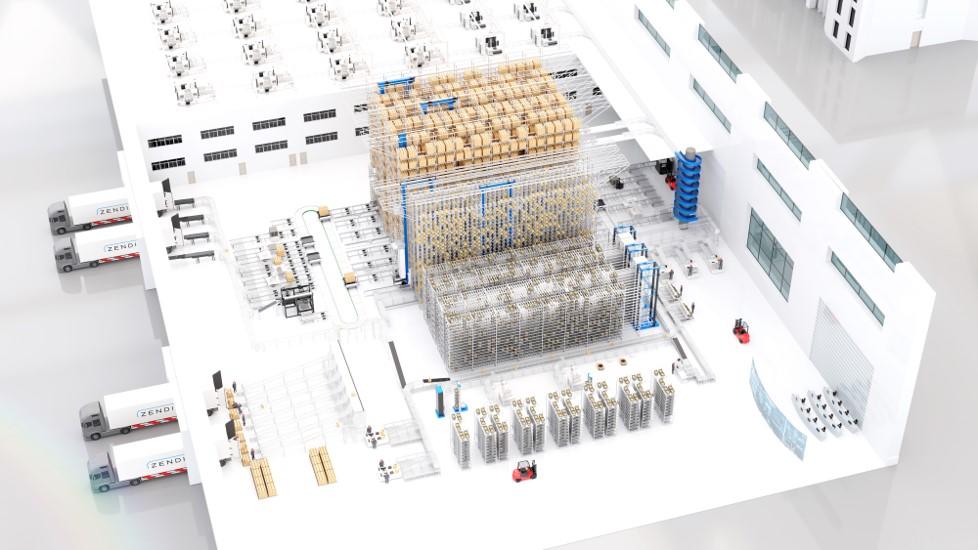

One-Stop Steward Service for the Entire Logistics System Integration Chain
Zhongding Intelligent (Wuxi) Technology Co., Ltd.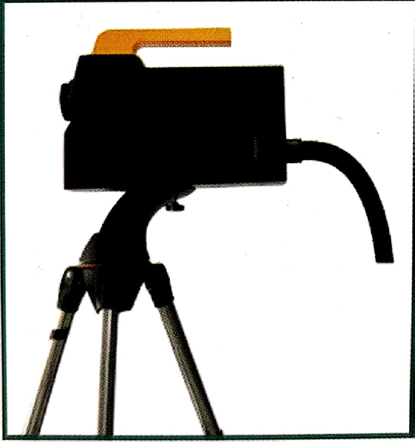
Automatic Aiming Laser Remote Obstacle Removal Robot
Pinggao Group Weihai High-Voltage Apparatus Co., Ltd.
MUX Series Communication Interface Device for Security and Stability Control System
Nanjing NR Electric Co., Ltd.

Multi-function Marine Monitoring Low-altitude Detection Radar Sea-air Boundary Ocean Dynamic Environment Measurement
Chengdu Dixin Technology Co., Ltd.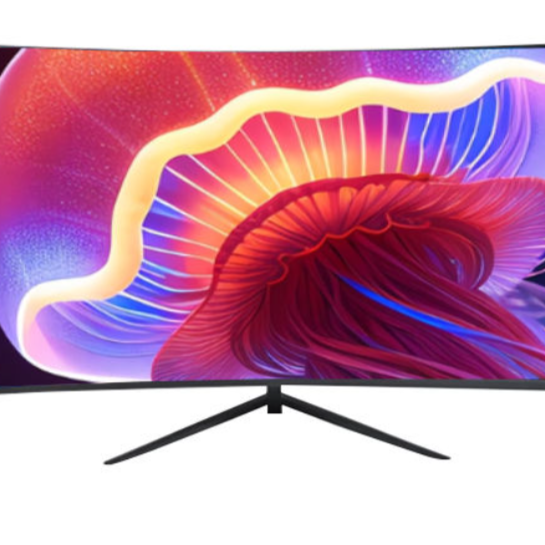
20 Inch 1600*900 Full HD 60Hz TFT LED Monitor with VGA and DP Interfaces for Desktop Computers-Business Use
Guangzhou Zanying Optoelectronics Technology Co., Ltd.
Industrial and Commercial Point-Type Gas Detector
Jinan Benan Technology Development Co., Ltd.
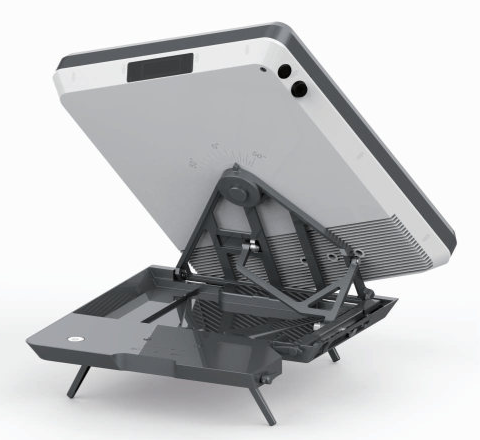
Flat Portable Satellite Terminal 0.35m Aperture Manual Portable Terminal
China Starwin Science & Technology Co., Ltd.