U.S. Refinity Licenses PNNL Mixed Plastic Recycling Technology
en.Wedoany.com Reported - The U.S. Department of Energy's Pacific Northwest National Laboratory (PNNL) has partnered with Refinity, an Orlando, Florida-based company, to convert mixed plastic waste into high-value products such as sustainable aviation fuel and lubricant precursors. Refinity has licensed a patented catalytic oligomerization process from PNNL that addresses impurity management challenges in plastic waste conversion, enabling the company to transform post-consumer rigid and flexible packaging into industrial-grade chemicals, plastics, and fuels without cumbersome purification steps.
Refinity's patented conversion process first breaks down mixed plastic waste into light olefins—short carbon-chain molecules like ethylene and propylene. While these molecules serve as building blocks for numerous industrial applications, they come with a significant drawback: olefins derived from mixed plastic waste contain high levels of impurities, which are problematic for sensitive industrial uses such as fuels and plastics, requiring additional separation and purification that increase process costs and complexity. PNNL's licensed technology offers a solution by combining short carbon chains into longer, industrial-grade chains through its catalytic oligomerization process while simultaneously addressing impurity issues.
PNNL's deep expertise in chemistry and catalysis has helped adapt the technology to Refinity's specific needs. The laboratory's oligomerization work traditionally focused on specific light olefins, but researchers successfully modified the method to accommodate mixed feedstocks. Mond Guo, PNNL engineer and commercialization manager, stated that the catalyst receives Refinity's mixture of ethylene and propylene and converts it into pure carbon chains in the C8-C16 range without extensive separation and purification steps, which is ideal for fuel production and can accept various light olefin mixtures, opening up a wide range of feedstock sources.
Refinity plans to first use the licensed process to convert plastic waste into jet-range liquids suitable for sustainable aviation fuel, aiming to demonstrate the complete conversion from mixed plastic waste to light olefins and then to distillate-range hydrocarbon liquids by the end of the year. PNNL chemical engineer Udishnu Sanyal noted that the C8-C16 range is well-suited for fuels, and both parties plan to collaborate to help Refinity achieve narrower distributions, such as C14-C18 for producing lubricant precursors.
PNNL's Office of Partnerships and Commercialization played a key role in the technology transfer. Allan Tuan, leader of the integrated collaboration team, stated that this partnership demonstrates the laboratory's expertise in catalysis, chemical processing, and collaboration with industry, translating fundamental research into scalable technologies that improve efficiency, expand feedstock flexibility, and create higher-value products, helping companies accelerate commercialization. Refinity CEO Bill Grieco said that combining light olefin production technology with PNNL's catalytic upgrading capabilities is expected to produce customized circular hydrocarbons, unlocking additional value from waste plastics and expanding feedstock options for fuels and petrochemicals.
The U.S. Department of Energy's Office of Alternative Fuels and Feedstocks (formerly the Bioenergy Technologies Office) supported the development of PNNL's catalytic oligomerization process.
This article is compiled by Wedoany. All AI citations must indicate the source as "Wedoany". If there is any infringement or other issues, please notify us promptly, and we will modify or delete it accordingly. Email: news@wedoany.com
Related Products

Quick-Change Single-Seat Control Valve / Quick-Change High-Pressure Single-Seat Control Valve
Beijing Consen Automation Technology Co., Ltd.

Oil-immersed Amorphous Alloy Core Distribution Transformer
Pinggao Group Smart Electric Co., Ltd.
G.652.D Wavelength-extended Non-dispersion Shifted Single-mode Optical Fiber
HONGAN GROUP CO., LTD.
Off-Grid Fuel Cell Supercharging Station (180kW Configuration)
Shanghai REFIRE Group Limited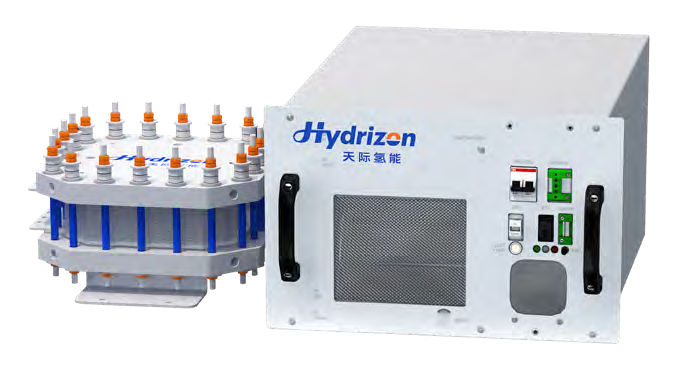
HI-Pro Green Hydrogen High-efficiency Production System-HI-PRO-AEM
Hydrizon Technology (Beijing) Co., Ltd.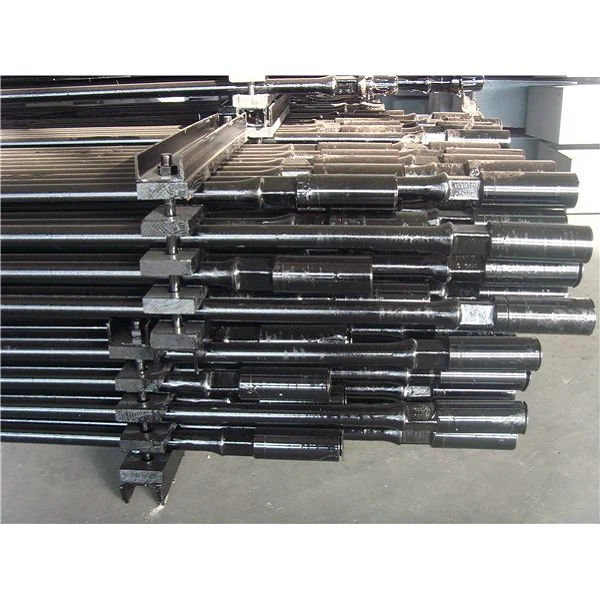

CAP1400 main feedwater flow nozzle flowmeter.
Jiangsu Hongda Instrument Technology Co., LTD.
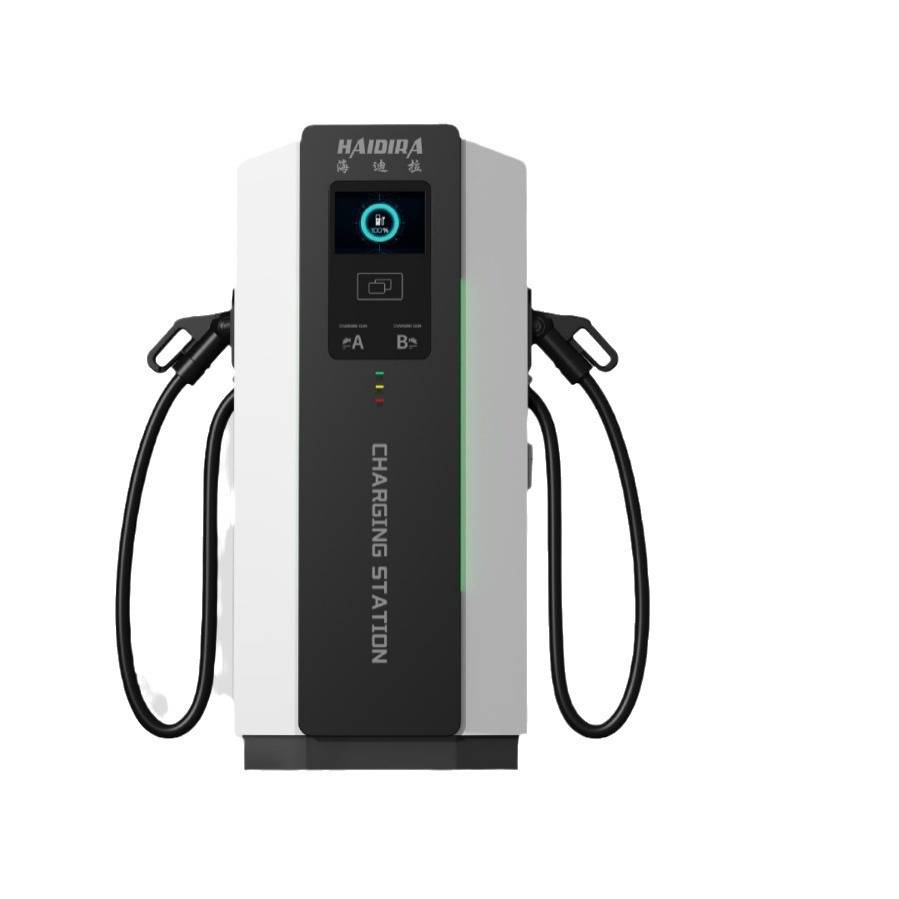
Manufacturer Direct Sales Tesla New Energy Electric Vehicle Universal DC 180kW Dual-gun Charging Pile Commercial Fast Charger
Anhui Haidira Electric Technology Co., Ltd.