UK's Cellnex and O2 Bring High-Speed Mobile 5G Connectivity to Brighton Main Line
en.Wedoany.com Reported - Cellnex, the UK's largest independent telecom infrastructure operator, has announced that mobile network operator O2 has signed up to join its Brighton Main Line (BML) connectivity project. Under the agreement, O2 will access Cellnex UK's specially built neutral host infrastructure and plans to gradually roll out high-speed mobile connectivity, including 5G, to passengers along the entire line over the coming months.
The Brighton Main Line, approximately 108 kilometers long, connects London, Gatwick Airport, and the South Coast, making it one of the busiest railway lines in the UK. The line serves over 300,000 passengers each working day, of whom around 50,000 travel to and from Gatwick Airport, with an average of 1,700 train services daily. This collaboration will focus on improving mobile connectivity at major commuter stations such as London Victoria, London Bridge, and Clapham Junction, which together handle approximately 19% of all rail passenger traffic entering and leaving the capital from outside London.
Cellnex's infrastructure has been developed in partnership with Network Rail under a 25-year contract signed in 2021. The project, carried out on a continuously operating railway line, aims to address signal coverage challenges posed by deep cuttings, long tunnels, and Victorian-era station infrastructure. The entire construction plan spanned three years, involving over 129,000 work hours and more than 11,000 worker site entries. Specific deployed facilities include 130 kilometers of high-capacity fiber optics, four Base Station Hotels to house operator equipment, 39 Distributed Antenna Systems (DAS) within tunnels and along the tracks, dedicated station DAS at London Bridge, London Victoria, and Clapham Junction, as well as 16 macro sites along the route. Once fully operational, the shared infrastructure will provide high-speed connectivity across 99% of the line, significantly reducing long-standing signal blackspots.
As a neutral host provider, Cellnex is responsible for designing, planning, and building the infrastructure, enabling all UK Mobile Network Operators (MNOs) to access the shared network. This model helps reduce operators' capital expenditure, lower per-megabyte costs, and minimize environmental impact. With O2's participation, the project marks the start of a phased deployment, with O2 customers experiencing gradually improving coverage along various sections of the route in the coming months.
Steve Cray, Managing Director of Cellnex UK, stated that regular rail passengers understand the frustration of dropped calls or buffering videos, and with O2 joining, more passengers will notice the difference on one of the UK's most important commuter lines. He considers this collaboration one of the most significant end-to-end telecom infrastructure deployments on UK railways to date. Professor Robert Joyce, Director of Mobile Access Engineering at O2, noted that its £700 million Mobile Transformation Plan focuses on delivering reliable connectivity at the most critical moments, and improving connectivity on the Brighton Main Line in partnership with Cellnex is a key part of this. Paul Richmond, Head of Business Development at Network Rail, commented that this collaboration is transforming one of the most technically demanding railway corridors into a showcase for modern rail connectivity.
This article is compiled by Wedoany. All AI citations must indicate the source as "Wedoany". If there is any infringement or other issues, please notify us promptly, and we will modify or delete it accordingly. Email: news@wedoany.com
Related Products



Industrial and Commercial Point-Type Gas Detector
Jinan Benan Technology Development Co., Ltd.
TWP16 P-Band Tropospheric Wind Profile Radar
China Huayun Meteorological Technology Group Co., Ltd.

Comprehensive Mining Automation Control System
Beijing Tianma Intelligent Control Technology Co., Ltd.
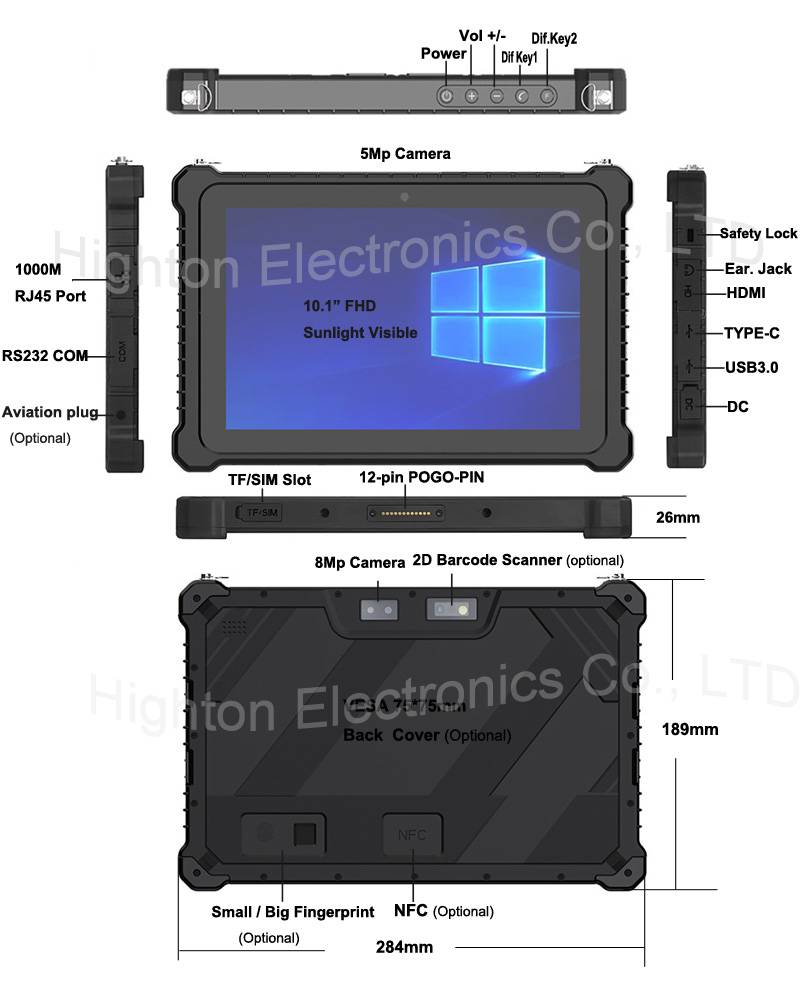
Hot Selling 10 Inch Intel N5100 I5 I7 FHD 8 +128GB 16+256GB Win10 Pro Win11 Pro 4G 5G Rugged Tablet PC Pad with NFC Barcode
Highton Electronics Co., Ltd.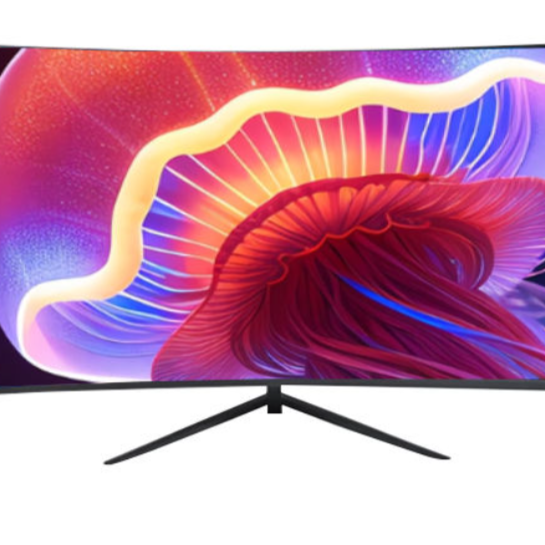
20 Inch 1600*900 Full HD 60Hz TFT LED Monitor with VGA and DP Interfaces for Desktop Computers-Business Use
Guangzhou Zanying Optoelectronics Technology Co., Ltd.
Automatic Aiming Laser Remote Obstacle Removal Robot
Pinggao Group Weihai High-Voltage Apparatus Co., Ltd.