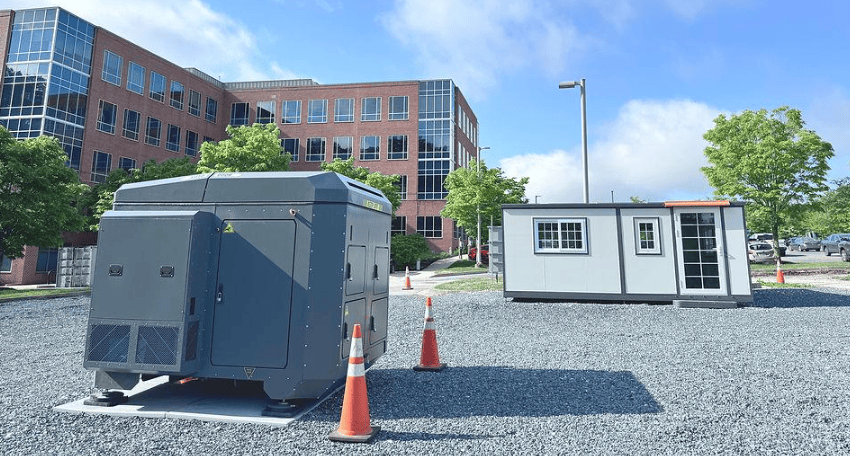
U.S. Semiconductor Startup Builds 5G Edge Demo Platform in 30 Days
en.Wedoany.com Reported - A U.S. semiconductor startup successfully built a complete 5G edge demonstration stack for a chiplet-based edge computing platform within 30 days, showcasing a real-time energy efficiency comparison between ARM and x86 architectures at a major industry trade show. This achievement stemmed from the involvement of external engineering team Promwad, which built all the required software layers for the demo from scratch.
In the field of 5G edge computing, mere slide presentations can no longer win the trust of operators and infrastructure suppliers. The key to driving procurement decisions lies in measured results—generated in real time on actual hardware, with parameters adjustable by the audience midway. However, building a demo system capable of achieving this is itself a formidable engineering challenge.

The startup's chiplet platform pairs ARM CPU chiplets with dedicated processing units, aiming to support operators in pushing AI and 5G workloads to the network edge, with a selling point of delivering cloud-level performance at extremely low power consumption. With about 30 days remaining before a demonstration at Mobile World Congress, the company already had a 5G L1 data path and chip concept, but lacked the software to run the demo, a coordinating host, and an interface to display content to the audience. Engineers were focused on developing the compute core, so Promwad's external engineering team was brought in to build the entire demo stack.
To achieve a convincing energy efficiency comparison on the show floor, the system had to perform four tasks simultaneously: drive the data path with deterministic real-time control, process packets with minimal overhead, coordinate two different host architectures, and display aggregated results in a clear manner. Each task pointed to specific technical choices, and all had to integrate cleanly with the customer's existing physical layer processing.
The technical team built the platform as three layers, running on top of the customer's compute core. The bottom layer is a control unit written in C++ based on DPDK. It bypasses the Linux kernel, running packet processing in user space, pushing a new batch of parameters to the customer's 5G L1 data path and pulling back metrics every 500 microseconds, with each message serialized to the 5G FAPI standard (SCF 222.10.00). Multiple instances run in parallel on ARM and x86 hosts. Above it is a Python/FastAPI-based backend that connects to the control unit via gRPC, coordinates execution on both platforms, and streams aggregated metrics from both architectures to the browser. The top layer is a TypeScript dashboard that compares ARM and x86 energy efficiency in real time and allows the presenter to adjust workload parameters during the demo.
The 30-day deadline forced the two engineering teams to work in parallel. The FAPI boundary between the demo stack and the customer's data path was locked before production code was written, allowing both sides to develop concurrently. The external team developed the control unit, backend, and baseline dashboard against stubs, verifying stable builds on both ARM and x86. As customer components matured, stubs were removed, and the real data path was integrated first on one architecture, then on the other. After end-to-end integration, work shifted to locking down stage scenarios, tuning visualizations, and rehearsing on target hardware.
The live demo proceeded as planned at the event. Under representative workload conditions, the ARM vs. x86 efficiency comparison was visible in real time, with audience members able to observe metrics updating as parameters changed. The startup ultimately left the trade show with measured results rather than promises. Furthermore, the platform was not retired but became a reusable demo foundation, continuing to be used as the company prepared for its next funding round and moved toward dedicated chips. A detailed technical breakdown is available in the 5G edge demo platform case study published by Promwad, the engineering team that built the demo stack.
This case demonstrates that when building a proof-of-concept platform in 5G edge infrastructure, the demo is a full-stack engineering problem. Convincing results depend on the tight coupling of four elements: the chip, data path software, orchestration layer, and visualization. For semiconductor startups, the demo layer carries strategic weight equal to that of the core technology. The chip is the bet, while the demo allows investors and customers to see the return on that bet in real time, turning interest into commitment.
This article is compiled by Wedoany. All AI citations must indicate the source as "Wedoany". If there is any infringement or other issues, please notify us promptly, and we will modify or delete it accordingly. Email: news@wedoany.com
Related Products
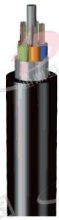

GYTA Type Non-Self-Supporting Aerial/Duct Optical Cable
TONGDING INTERCONNECTION INFORMATION CO., LTD.
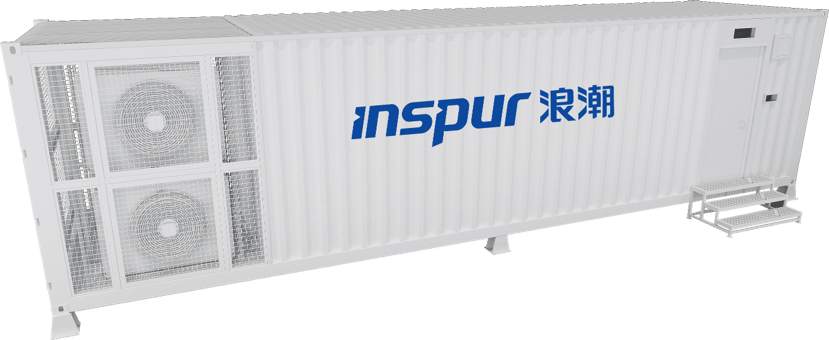



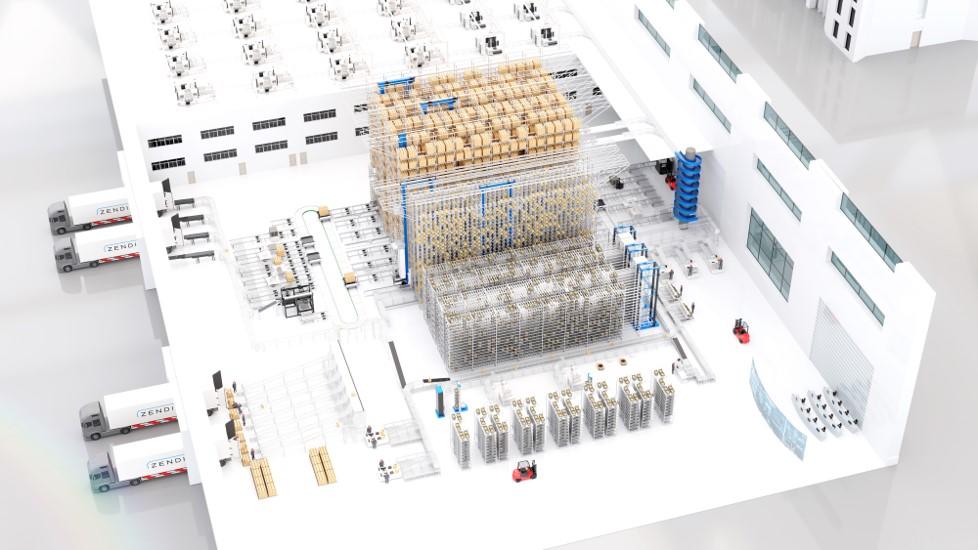
One-Stop Steward Service for the Entire Logistics System Integration Chain
Zhongding Intelligent (Wuxi) Technology Co., Ltd.


JiuTian OneSky Pilot—Intelligent Management And Service Platform
China Times Prospect Science & Technology Co., Ltd.