en.Wedoany.com Reported - In a podcast, Impinj Vice President Matt Branda stated that RAIN RFID, as a passive wireless technology, is rapidly penetrating from retail into supply chain, logistics, and other fields, becoming a key sensing layer connecting the physical world with digital systems. The industry connects nearly 50 billion items each year and has evolved into an enterprise-level mission for many leading companies.
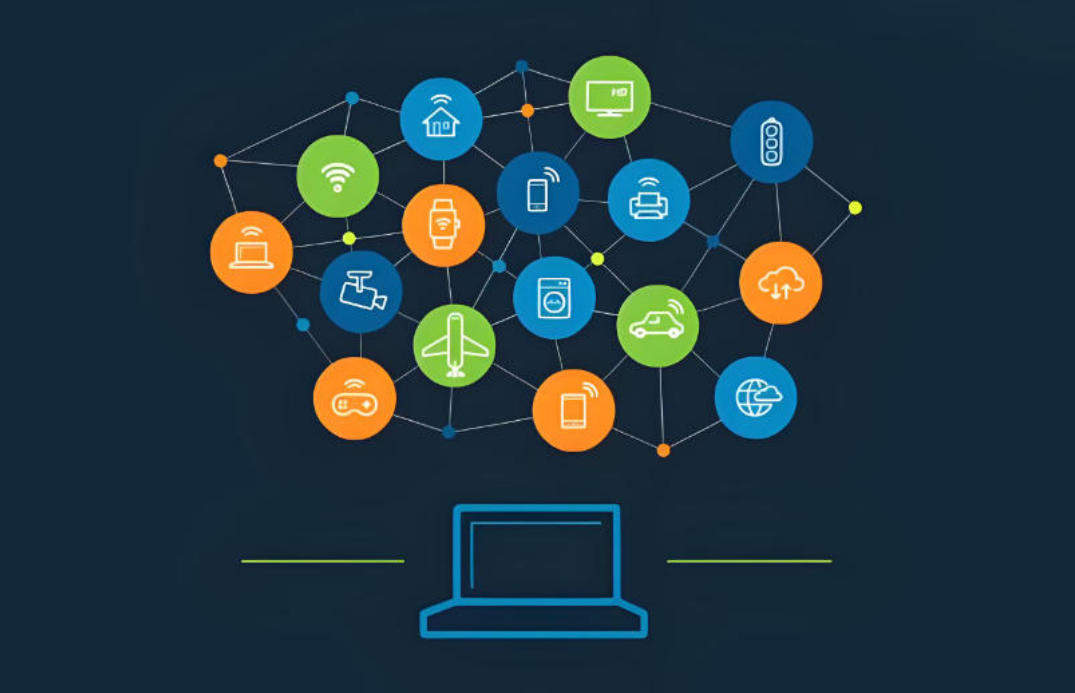
Branda explained on EEJournal.com's podcast "Amelia's Weekly Fish Fry" that RAIN RFID can discover, track, and locate hundreds of items per second within a 10-meter range without requiring line-of-sight. He noted that the technology is not a simple replacement for barcodes; over the past few years, it has developed entirely new autonomous use cases, becoming a foundational IoT technology. The cost of tagging items is now just a few cents, and no battery is needed.
Branda emphasized that Impinj plays a fundamental driving role in RAIN RFID. The company develops RF products ranging from tiny integrated circuits to infrastructure hardware and has built a global partner ecosystem. At the end of 2024, Impinj opened its innovation toolkit, Gen2X, to the entire industry, aiming to drive the next phase of RAIN RFID adoption.
Regarding key technological innovations, Branda summarized three major areas. First, expanded connectivity range, reduced tag costs to a few cents, and performance improvements enable almost all items to be connected, including those on traditionally difficult liquid and metal packaging. Second, the rise of autonomous reading solutions—these permanently installed systems provide continuous, real-time visibility into inventory and asset movement, with data usable by artificial intelligence decision-making systems. Third, enhanced security capabilities—the technology can not only identify and protect items but also authenticate them, combating counterfeiting and gray market diversion.
At the application level, Branda pointed out that retail is currently the most impacted sector, with RAIN RFID cycle counting being approximately 25 times faster than traditional barcode scanning. In loss reduction, the technology provides real-time item-level visibility, helping retailers restock. Additionally, logistics companies like UPS have used RAIN RFID to automate package tracking, eliminating shipping errors. Medical device tracking, baggage monitoring, and manufacturing automation are also important application scenarios.
Branda also mentioned that across the industrial sector, companies have come to view RAIN RFID as a strategic mission. In connecting the physical world with digital systems, it is gradually becoming a physical intelligence layer that provides data for AI decision-making.
This article is compiled by Wedoany. All AI citations must indicate the source as "Wedoany". If there is any infringement or other issues, please notify us promptly, and we will modify or delete it accordingly. Email: news@wedoany.com