en.Wedoany.com Reported - South African mines face multiple challenges, including complex mining technologies, stricter environmental regulations, and rising compliance costs. Daniel Verwey, Business Development Manager at BME Metallurgy, stated that green hydrometallurgical technology aims to reduce environmental risks while enhancing mine productivity. BME provides advanced mining chemicals and metallurgical processing solutions, focusing on sustainable mineral recovery.
South Africa's mining industry has a glorious history, supplying nearly half of the gold ever mined in human history. However, as easily accessible minerals are depleted, miners must delve deeper into the earth to seek precious metals. For example, the Mponeng gold mine near Johannesburg is over 2.5 miles deep, with rock temperatures exceeding 60°C, requiring complex technologies and high commodity prices for extraction. Meanwhile, activities by 14,000 to 30,000 illegal small-scale miners exacerbate environmental issues, such as sulfur dioxide emissions and tailings dam leaks. Authorities are advancing the strengthening of the National Greenhouse Gas Emission Reporting Law in 2026, imposing imprisonment, hefty fines, and taxes on non-compliant companies.
Verwey introduced that sustainable strategies adopted by South African miners include efficient wastewater treatment and reuse, replacing hazardous materials with eco-friendly alternatives, testing safe surfactants to capture acid mist, and recovering reagents such as sulfuric acid, hydrochloric acid, and caustic soda through nanofiltration technology. South Africa is one of the 30 most water-stressed countries globally, and most miners are seeking ways to reduce and recycle water. Kevin Harding from the School of Chemical and Metallurgical Engineering at the University of the Witwatersrand in Johannesburg has consulted for the oil and gas industry on waste minimization projects.
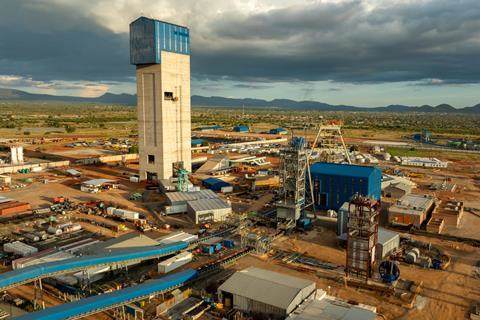
Ivanhoe's Platreef mine in Limpopo province operates using treated municipal wastewater. Approximately three-quarters of the water used by Gold Fields is reused or recycled, with freshwater extraction reduced from 14.5 million cubic meters in 2018 to between 8.5 million and 11.1 million cubic meters from 2022 to 2024. The goal is to achieve over 80% recycled water usage by 2030, with freshwater extraction below 8 million cubic meters.
Verwey explained that nanofiltration technology can reduce the demand for acid and alkali reagents used in processing or residue neutralization. Some hazardous reagents can be completely replaced; for instance, hydrogen peroxide-based emulsion explosives replace nitrate-based explosives, reducing nitrogen oxide emissions by 90%. Similar technologies are also being applied in mines in Brazil and Australia to address challenges of increased regulation and mining complexity.
Harding noted that most changes are driven by cost factors, including avoiding fines. While large companies can afford alternative technologies, smaller miners such as Ndalamo Resources have publicly expressed dissatisfaction, arguing that the cost of complying with greenhouse gas emission rules could pose an "existential crisis." Harding acknowledged that green chemistry practices may impact financial decisions, and changes that save money in the long term require significant upfront investment.
This article is compiled by Wedoany. All AI citations must indicate the source as "Wedoany". If there is any infringement or other issues, please notify us promptly, and we will modify or delete it accordingly. Email: news@wedoany.com