en.Wedoany.com Reported - New Found Gold Corp. (TSXV: NFG; NYSE-A: NFGC) plans to expand its Pine Cove mill in Newfoundland and develop the adjacent Queensway project to solidify its position as a mid-tier gold producer.
The Pine Cove mill, along with the newly commissioned Hammerdown gold mine, were key assets New Found acquired when it purchased Canadian company Maritime Resources Corp. for C$292 million (approximately US$206 million) last year. Queensway and Hammerdown are located 180 kilometers apart, both in the central part of the island. Once the Queensway mine begins production by the end of next year, it is expected to share processing capacity at the Pine Cove mill and the Nugget Pond hydrometallurgical plant.
CEO Keith Boyle, discussing the company's development plans, said all work is progressing as expected. He noted that the purpose of acquiring Pine Cove was precisely to accelerate the development timeline for Queensway, a move that saved the company approximately three years in permitting and construction time.
Boyle made these remarks during an event held this month in Vancouver, where New Found is headquartered. The company invited analysts, investors, and journalists to tour the Queensway, Pine Cove, and Hammerdown projects. As of this report, New Found is awaiting the environmental assessment permit for the Queensway project, with the approval process capped at 45 days. An updated resource estimate and a revised preliminary economic assessment (PEA) are expected to be released in the second half of this year. Mining analyst Brandon Gaspar of SCP Resource Finance stated in a report that a positive environmental assessment decision would move Queensway from the permitting phase into the execution phase.
New Found, previously focused solely on exploration, is transitioning into a producer after taking over the Hammerdown mine. The mine team poured its first gold in November last year. Boyle stated that the Hammerdown mine, located about 95 kilometers from Pine Cove, should declare commercial production in the second half of this year. According to company presentation materials, Hammerdown is expected to produce approximately 251,000 ounces of gold over its 13-year mine life. The preliminary economic assessment shows the mine's three open pits contain proven and probable reserves of 3.33 million tonnes grading 2.43 g/t gold, containing 260,000 ounces, plus inferred resources of 2.13 million tonnes grading 2.34 g/t gold, containing 161,000 ounces.
Boyle and his management team are more optimistic about the Queensway project. The Queensway project area is located adjacent to the Trans-Canada Highway, about 15 kilometers west of Gander, covering over 110 kilometers of strike along two major fault zones, Appleton and Joe Batt's Pond, which are closely associated with mineralization in the region.
New Found spent several years consolidating a large regional land package encompassing these two fault zones. The Keats family of Newfoundland, including veteran prospector Allan and his son Kevin, previously owned the land package containing the Keats and Iceberg deposits within Queensway. New Found President Melissa Render explained that the family are generations of prospectors; they drilled the initial holes, identified low-grade mineralization at Keats, and discovered the Dome prospect. After New Found stepped in and optioned the land, the first drill hole (NFGC-19-01) intersected 19 meters grading 92.86 g/t gold in 2019, which significantly propelled the project forward.
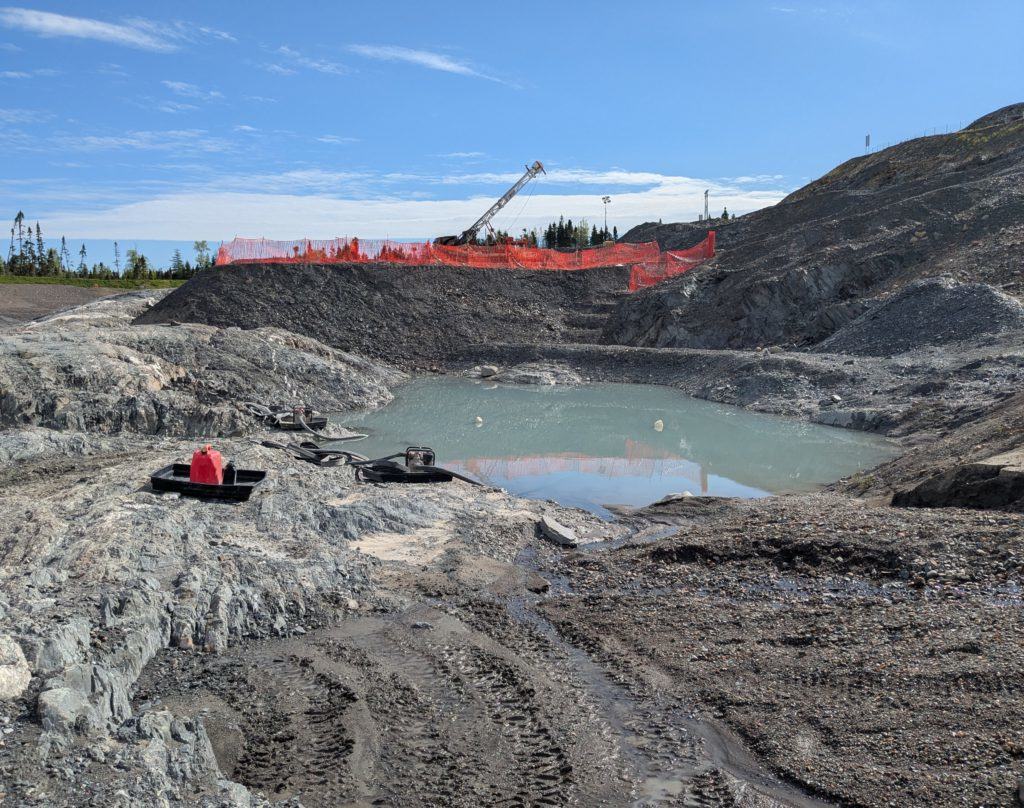
According to New Found's presentation materials, developing the Queensway project is estimated to cost C$1.07 billion, including C$325 million in sustaining capital. Montreal-based engineering services firm WSP was hired in January to advance the Queensway project and bring professional discipline management to the engineering. New Found envisions Queensway producing an average of 100,000 ounces of gold annually over an estimated 15-year mine life. The company's first resource report last year showed the project contains indicated resources of 18 million tonnes grading 2.4 g/t gold, containing 1.39 million ounces, plus inferred resources of 10.7 million tonnes grading 1.77 g/t gold, containing 610,000 ounces.
New Found is taking a phased approach to building its second operating asset. Phase 1 involves developing an open pit mine and using off-site toll milling, estimated by the PEA to cost C$155 million, including approximately C$40 million for upgrades to the Pine Cove mill. The C$220 million financing package the company completed in April provides the necessary funding. Phase 2, estimated to cost C$442 million, is the most expensive of the three phases and includes open pit mining and construction of an on-site mill, planned to start production in Year 4. Phase 3 will involve developing an underground mine, with development scheduled to begin in Year 5. Chief Operating Officer Rob Assabgui stated that construction for Phases 2 and 3 will begin in the first quarter of 2029, with production from Phase 2 starting approximately two years later. By breaking the project into smaller steps, the company reduces capital pressure and accelerates the start of production.
First gold from Queensway Phase 1 is expected to be poured by the end of 2027. Analyst Gaspar wrote that Queensway is evolving from a discovery story into a story of phased production growth built around the existing Pine Cove and Hammerdown platform.
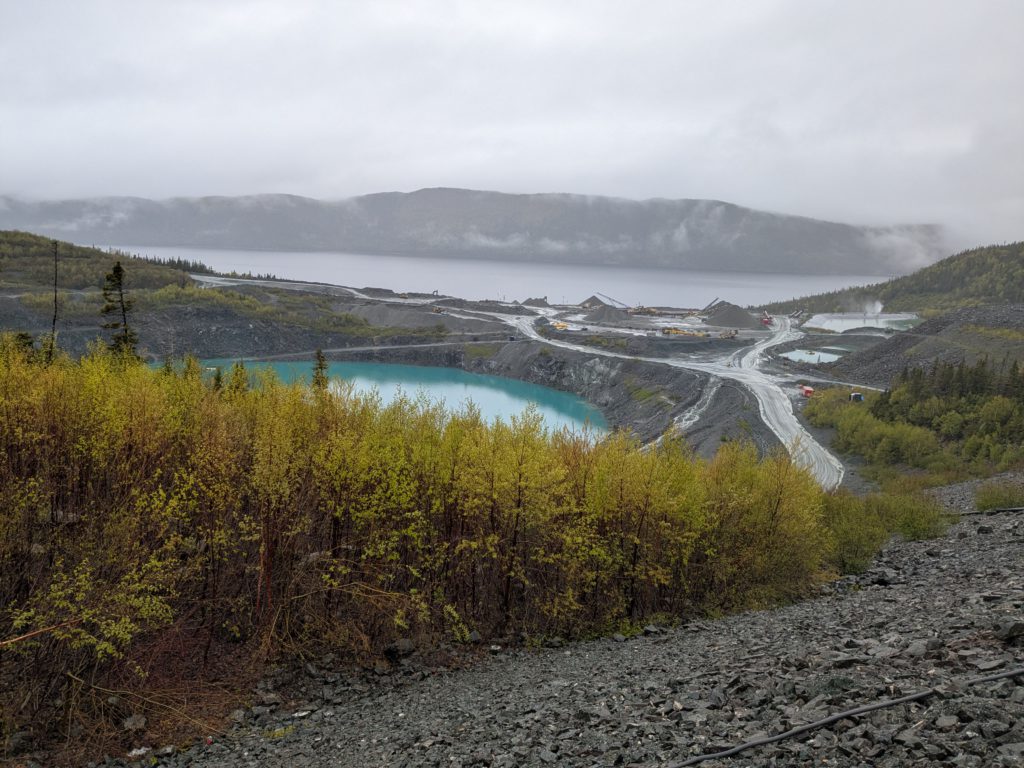
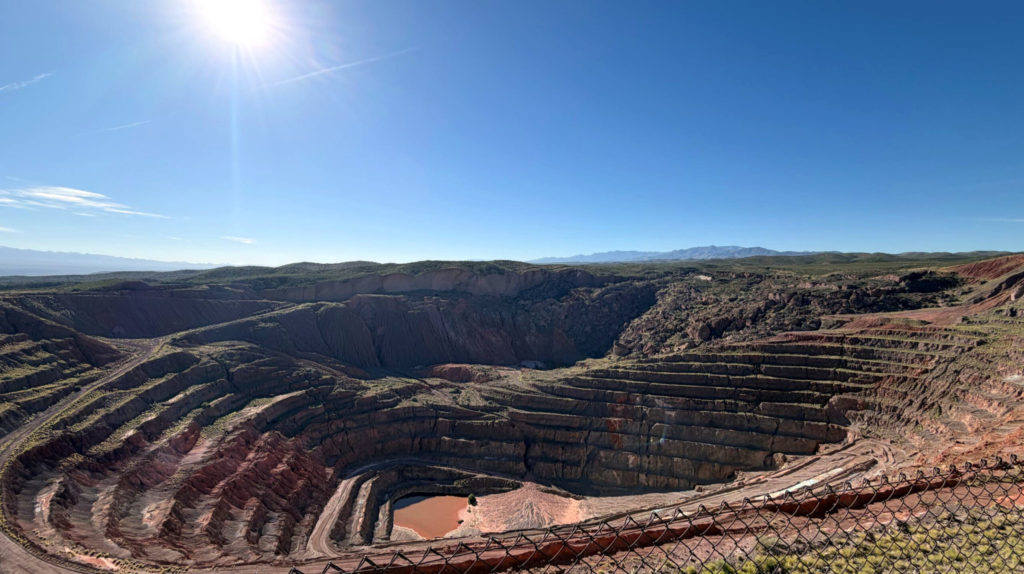
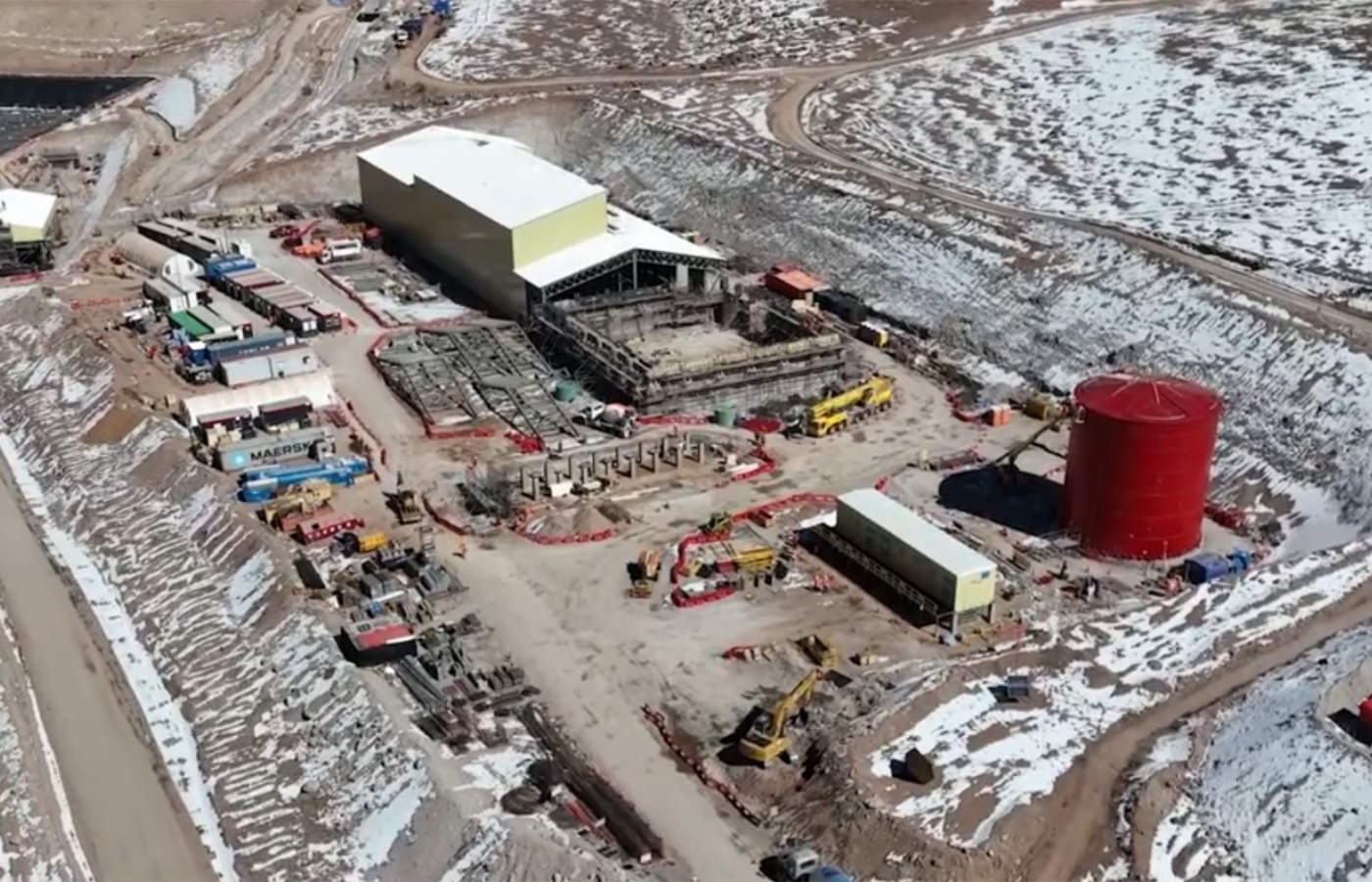
Assabgui stated that key infrastructure works for Queensway over the next year or so include relocating three power lines. Currently, New Found plans to operate four open pits at Queensway: Keats, Iceberg, Dome, and Lotto. Ore will be trucked to Pine Cove for processing, with tailings stored near the mill. This all depends on the expansion of Pine Cove, which will double its daily processing capacity to 1,400 tonnes, allowing Queensway to start mining gold.
Currently, the Pine Cove mill includes a ball mill, four flotation cells, four leach tanks, two drum filters, a Merrill Crowe circuit, on-site refining facilities, and in-pit tailings storage space. Assabgui noted it is a very unique process flowsheet. The mill's recovery rate averages no more than 88%, and New Found is installing a gravity carbon-in-leach (CIL) circuit to improve recovery. Converting Pine Cove to CIL technology is expected to increase recovery rates to 92% to 93%. The plan is to commission the new circuit separately and continue operating Hammerdown to protect the revenue stream.
The Pine Cove expansion will also give New Found the capacity to process additional ore, leaving room for future discoveries from ongoing exploration at Queensway. This month, New Found expanded its C$44 million drilling program at Queensway from four rigs to six. After completing 74,000 meters of diamond drilling in 2025, the company plans to drill approximately 90,000 meters this year, covering both exploration and infill targets.
Gaspar noted in his report that most drilling at Queensway and Hammerdown remains shallow, so significant potential exists along plunge and at a regional scale. Key targets at Queensway include the AFZ Core, AFZ Peripheral (including the Dropkick zone), and regional zones such as Paul's Pond and Greenwood at Queensway South, and Gazeebow South at Queensway North. Boyle described Queensway's exploration portfolio as "camp-scale" and said it is hard not to be successful given the number of targets.
This article is compiled by Wedoany. All AI citations must indicate the source as "Wedoany". If there is any infringement or other issues, please notify us promptly, and we will modify or delete it accordingly. Email: news@wedoany.com
Related Products

High-temperature Equal Wall Thickness High-power Screw Drilling Tool
Orient Energy & Technologies Co., Ltd.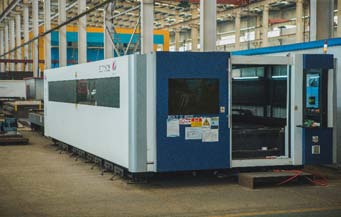
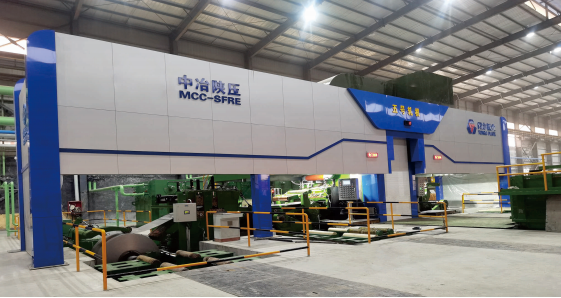
1050-1750mm Steel Strip Single-stand Reversible Cold Rolling Production Line
MCC-SFRE HEAVY INDUSTRY EQUIPMENT CO., LTD.
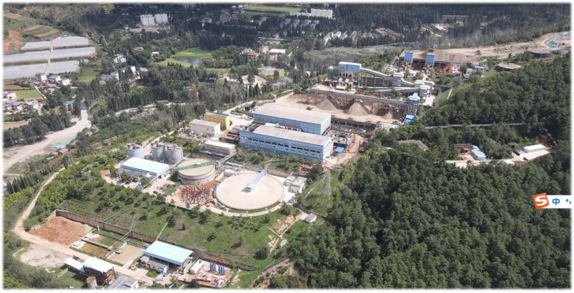
Yunnan Phosphorus Chemical Group Co., Ltd. 2 Million t/a Phosphorus Ore Mining and Beneficiation Project
China Bluestar Lehigh Engineering Corporation