SpaceX Partners with Charter to Offer Mobile Services
en.Wedoany.com Reported - SpaceX has confirmed that it will not acquire T-Mobile or build its own network to launch mobile services, opting instead to partner with Charter Communications, the largest home internet company in the United States. According to Bloomberg, SpaceX and Charter Communications will collaborate to provide mobile phone services, reversing earlier speculation that SpaceX would acquire T-Mobile or build its own network infrastructure.
Charter Communications, the largest home internet company in the U.S., operates a nationwide Wi-Fi hotspot network and runs Spectrum Mobile as a mobile virtual network operator. Through this partnership, SpaceX will be allowed to route its phone traffic via Charter's terrestrial internet infrastructure.
The key reason SpaceX chose to partner with Charter is its lack of sufficient frequency spectrum. Although SpaceX previously expressed a desire to build its own network and become the fourth infrastructure-based service provider in the U.S., its participation in the AWS-3 auction failed to significantly improve its situation. Meanwhile, the three major U.S. carriers—AT&T, T-Mobile, and Verizon—have all indicated no interest in signing an MVNO agreement with SpaceX. Partnering with Charter has become a more pragmatic path for SpaceX to directly offer mobile phone services to consumers. SpaceX President Gwynne Shotwell stated in June 2026 that the number of Starlink Mobile users will far exceed that of Starlink broadband users.
Charter Communications, which recently merged with Cox Communications last year, now serves 43.2 million sites, surpassing any other internet provider. Although Charter routes most of its traffic through its internet network, it has also signed agreements with T-Mobile and Verizon to support users when not connected to Wi-Fi. Notably, Charter and cable company Comcast have previously allowed each other's MVNO customers to access their combined Wi-Fi footprint, but both companies have stated they will not sell their infrastructure as a service to other companies. Wi-Fi networks provide cable companies with a competitive advantage, so they place great emphasis on maintaining exclusivity. Charter's willingness to change this policy for SpaceX indicates that SpaceX has offered an extremely lucrative deal.
Partnering with SpaceX not only opens a new revenue stream for Charter but also ends SpaceX's search for a partner. Leveraging Charter's extensive coverage, SpaceX can move closer to its goal of providing connectivity to users anywhere. This partnership showcases SpaceX's new strategy for entering the mobile services market, choosing a path of collaboration with existing infrastructure providers rather than building from scratch or acquiring an existing carrier. This move also sets a precedent for the U.S. telecommunications industry, as large tech companies begin to establish partnerships with infrastructure providers to accelerate service launches.
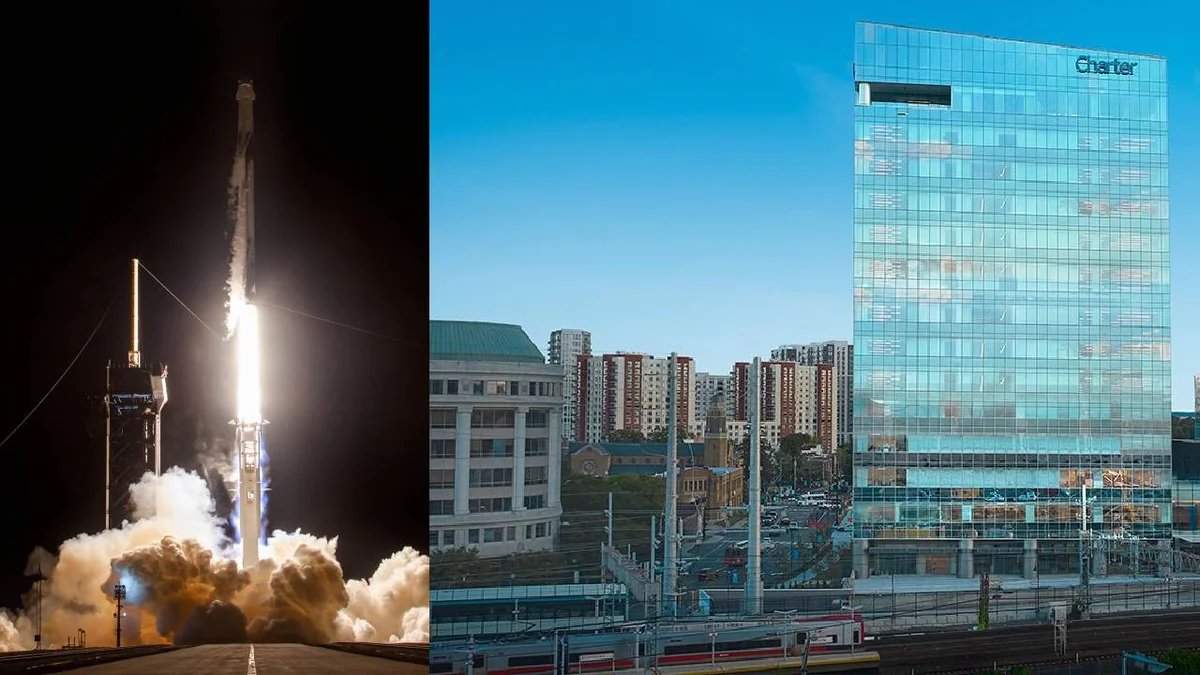
With the support of Charter's infrastructure covering 43.2 million sites, SpaceX has gained strong capital to realize its Starlink Mobile vision. The user target far exceeding Starlink broadband indicates SpaceX's ambitious plans in the mobile services sector. This decision also addresses many people's doubts about SpaceX's ability to compete with the three major U.S. carriers. By partnering with Charter, SpaceX can avoid relying on AT&T, T-Mobile, or Verizon, which previously rejected MVNO cooperation.
This article is compiled by Wedoany. All AI citations must indicate the source as "Wedoany". If there is any infringement or other issues, please notify us promptly, and we will modify or delete it accordingly. Email: news@wedoany.com
Related Products



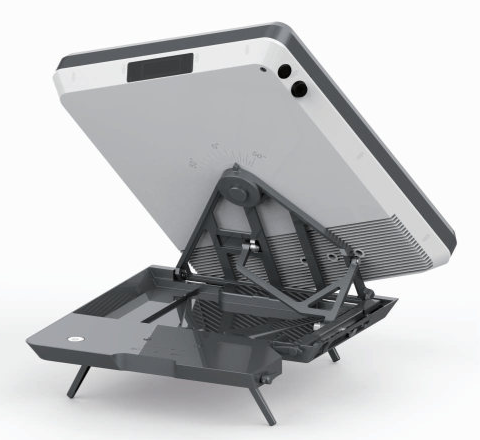
Flat Portable Satellite Terminal 0.35m Aperture Manual Portable Terminal
China Starwin Science & Technology Co., Ltd.

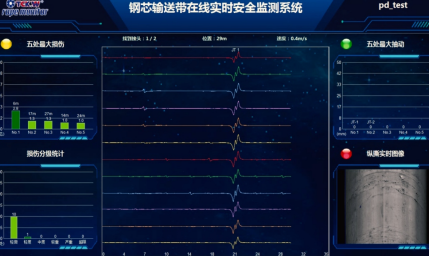
Conveyor Belt Intelligent Monitoring System
LUO YANG WIRE ROPE INSPECTION TECHNOLOGY CO., LTD.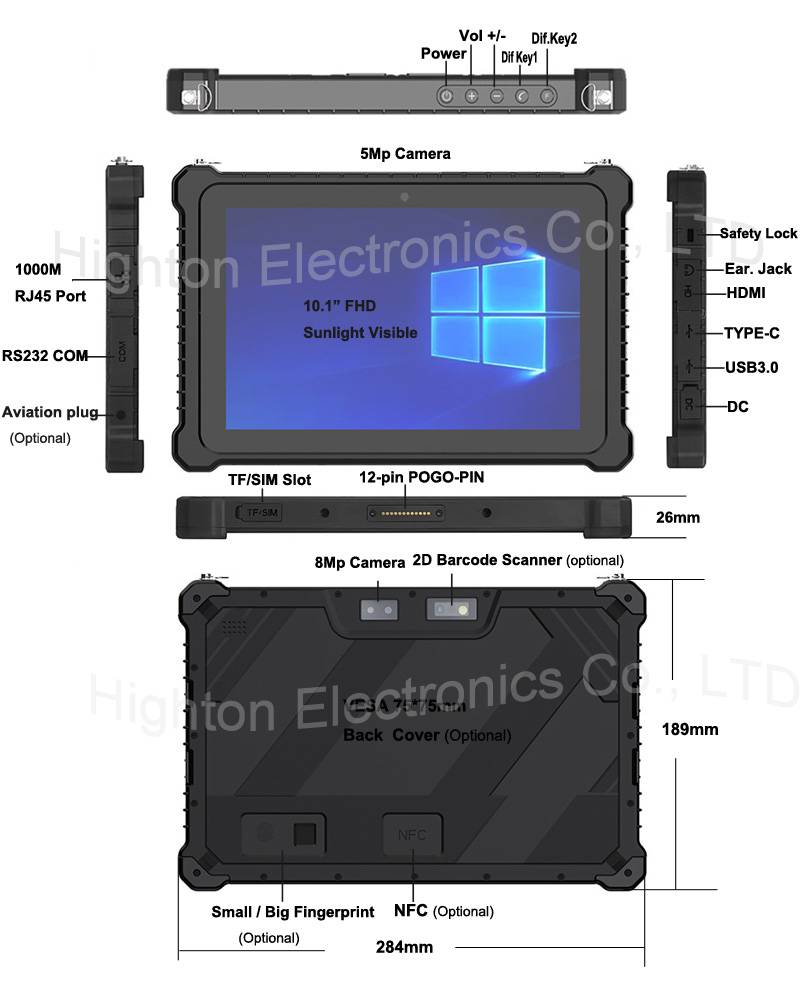
Hot Selling 10 Inch Intel N5100 I5 I7 FHD 8 +128GB 16+256GB Win10 Pro Win11 Pro 4G 5G Rugged Tablet PC Pad with NFC Barcode
Highton Electronics Co., Ltd.
20 Inch 1600*900 Full HD 60Hz TFT LED Monitor with VGA and DP Interfaces for Desktop Computers-Business Use
Guangzhou Zanying Optoelectronics Technology Co., Ltd.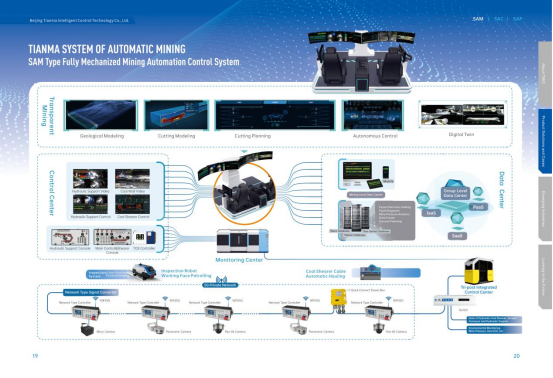
Comprehensive Mining Automation Control System
Beijing Tianma Intelligent Control Technology Co., Ltd.