China's Huawei Launches Hardware Compression Card, Achieving Backup Data Reduction Ratio of 90:1
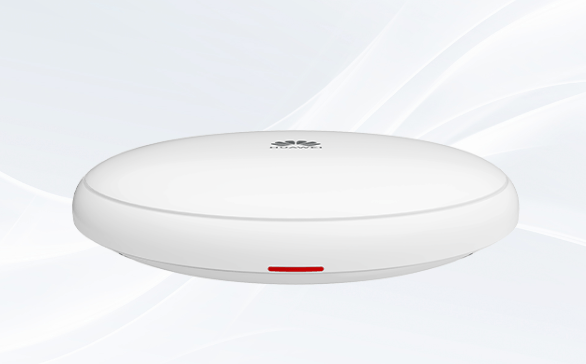
en.Wedoany.com Reported - Huawei has launched a hardware compression card, claiming a data reduction ratio of up to 90:1 in backup data scenarios with high redundancy. This figure specifically refers to highly redundant data such as daily full virtual machine backups accumulated over time, and Huawei states that this performance is 20% higher than current leading solutions in the enterprise storage market.
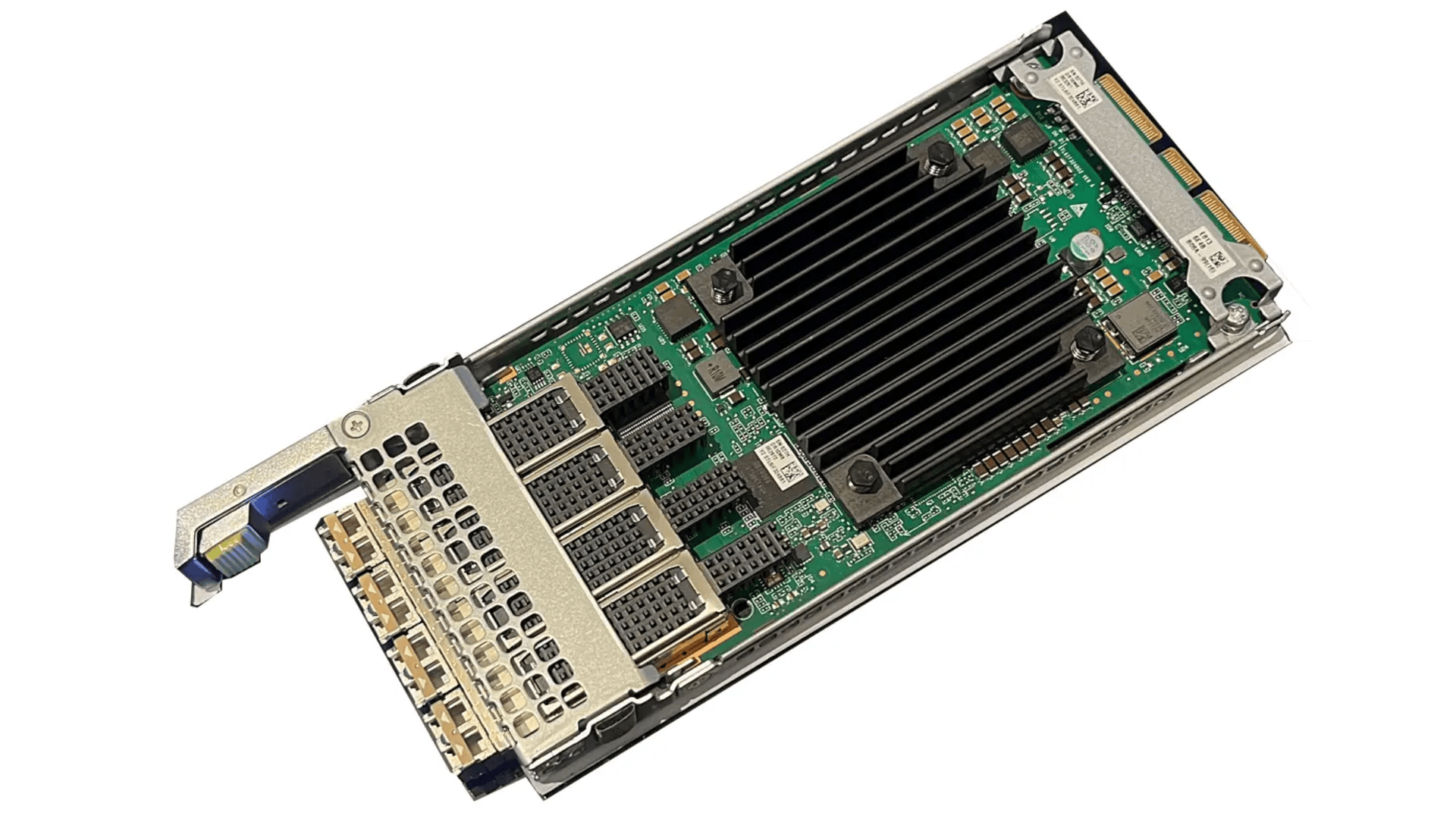
The compression card is part of Huawei's all-flash OceanProtect backup storage system, launched alongside the new models X8100 and X9100. The compression technology is based on a proprietary algorithm family called HZU, which, according to the company, employs fast nonlinear transformations combined with lightweight context prediction methods. Huawei claims this approach outperforms the long-used Lempel-Ziv compression paradigm, increasing the compression ratio by approximately 30% under comparable conditions. This dynamic technology is patented and covers the deduplication and compression methods used throughout Huawei's entire backup architecture.
Data reduction occurs in four independent stages: first, preprocessing to clean incoming data; second, multi-layer, inline, and variable-length deduplication; third, HZBC compression; and finally, byte-level compaction of the remaining data. During operation, the compression card offloads approximately 22% of processing demands from the backup system's main CPU. The previous generation OceanProtect system achieved a reduction ratio of 72:1, while the new generation products offer a 50% improvement in operational speed.
The OceanProtect system uses QLC storage media, paired with reserved SLC areas for frequently accessed hot data. This combination is designed to support faster read speeds during backup data recovery in the event of interruptions. Since the cost per terabyte of capacity for SSDs is much higher than for disks, extracting more effective storage from the same physical drives directly improves the economics of all-flash backup systems. Potential customers may need to test the OceanProtect platform directly against their own backup datasets, as the actual reduction experienced is highly dependent on the dataset, retention policies, and specific deployment conditions.
This article is compiled by Wedoany. All AI citations must indicate the source as "Wedoany". If there is any infringement or other issues, please notify us promptly, and we will modify or delete it accordingly. Email: news@wedoany.com
Related Products


G.652.D Wavelength-extended Non-dispersion Shifted Single-mode Optical Fiber
HONGAN GROUP CO., LTD.

Conveyor Belt Intelligent Monitoring System
LUO YANG WIRE ROPE INSPECTION TECHNOLOGY CO., LTD.
Multi-function Marine Monitoring Low-altitude Detection Radar Sea-air Boundary Ocean Dynamic Environment Measurement
Chengdu Dixin Technology Co., Ltd.
Comprehensive Mining Automation Control System
Beijing Tianma Intelligent Control Technology Co., Ltd.

Industrial and Commercial Point-Type Gas Detector
Jinan Benan Technology Development Co., Ltd.