Komet Irrigation invests BRL 2 million to open a laboratory in Brazil
en.Wedoany.com Reported - Austrian company Komet Irrigation has opened a new laboratory at its Brazilian subsidiary, dedicated to studying the brief behavior of water droplets from sprinklers to the soil, aiming to optimize irrigation efficiency and reduce water loss. The company primarily manufactures sprinklers, which simulate artificial rainfall by breaking water flow into droplets.

During irrigation, water droplets experience losses due to evaporation and wind within one to two seconds of flight after leaving the sprinkler. Very small droplets remain in the air longer, making them prone to evaporation or wind drift; while larger droplets reach the soil faster but may affect irrigation uniformity. The core goal of the new laboratory is precisely to find the optimal balance of how droplets of different sizes interact with the environment. Antônio Pires de Camargo, head of the Application Engineering and Digital Systems area at Komet Irrigation, stated that all sprinklers break water into droplets of varying sizes, but in the past, there was no real understanding of how these sizes interact with the environment.
The laboratory is equipped with multiple measurement systems. One system assesses the actual amount of water reaching the target area to calculate wind-related losses; another uses a network of collectors to measure water distribution uniformity, generating a "digital fingerprint" for each sprinkler. Additionally, the lab features a device that measures the droplet spectrum produced by each model, identifying which droplets are more prone to evaporation. Preliminary estimates indicate that under ideal conditions, water evaporation rates during sprinkler irrigation can reach 5%, while older or worn sprinklers may lose over 20% of water due to environmental factors.
Another research focus of the laboratory is the wear of sprinklers over their lifespan and its impact on water distribution. As equipment operates for years, friction from water flow alters its hydraulic characteristics, potentially causing droplets to become smaller and increasing evaporation potential. The company uses an accelerated aging chamber to simulate long-term operation, precisely determining when a sprinkler ceases to function under ideal conditions. Komet plans to develop a new generation of products, including sensors that monitor sprinkler status in real time and alert producers when irrigation efficiency begins to decline. According to Gustavo Hossri, Global Innovation Director and General Manager for Brazil and Latin America, embedded sensors combined with meteorological data will enable more accurate estimation of water loss during operation. The company expects to complete the first prototypes by the end of this year and begin commercializing the technology from 2027.
According to estimates provided by Hossri, approximately 40,000 center pivot irrigation systems are in operation in Brazil, with around 2,000 new units added annually, while the United States has about 300,000 systems. The company assesses that roughly half of existing equipment may present modernization opportunities. The laboratory received an investment of BRL 2 million. Currently, the Brazilian market accounts for about 23% of Komet's global revenue, and the company holds approximately 35% of the market share for new center pivot systems in Brazil. According to Hossri, research on water application and performance of irrigation systems in the field is primarily conducted by the Brazilian team, reflecting the unique operating conditions of tropical agriculture, including wind, temperature, humidity, and higher usage intensity. Irrigated areas in Brazil often operate for over 2,500 hours annually, and up to 5,000 hours in the sugarcane energy sector, whereas irrigation systems in the United States typically run for 500 to 600 hours per year.
This article is compiled by Wedoany. All AI citations must indicate the source as "Wedoany". If there is any infringement or other issues, please notify us promptly, and we will modify or delete it accordingly. Email: news@wedoany.com
Related Products
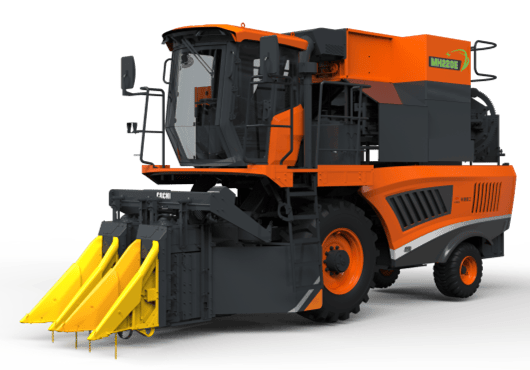

MH220E Two-Row Hybrid Packaged Cotton Picker
CHINA RAILWAY CONSTRUCTION HEAVY NDUSTRY XINJIANG CO., LTD.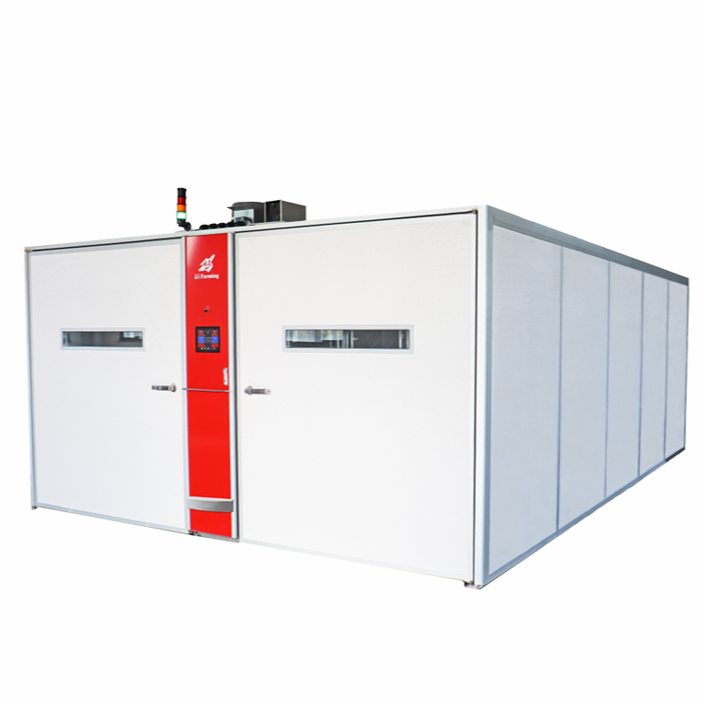
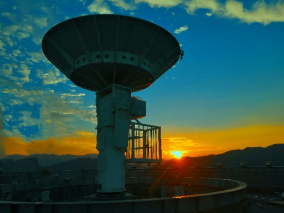
714CD Series C-Band Weather Radar
Chengdu Zhongdian Jinjiang Information Industry Co., Ltd.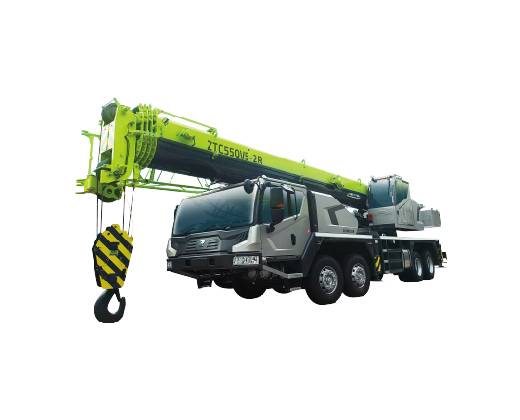

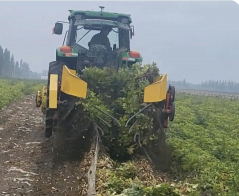
4HS-8 High-efficiency Peanut Inverted-laying Harvester
Hebei Yongfa Hongtian Agricultural Machinery Manufacturing Co., Ltd.
Industrial and Commercial Point-Type Gas Detector
Jinan Benan Technology Development Co., Ltd.