Brazil's ANP Approves Connection of São Paulo Regasification Terminal to Pipeline Network
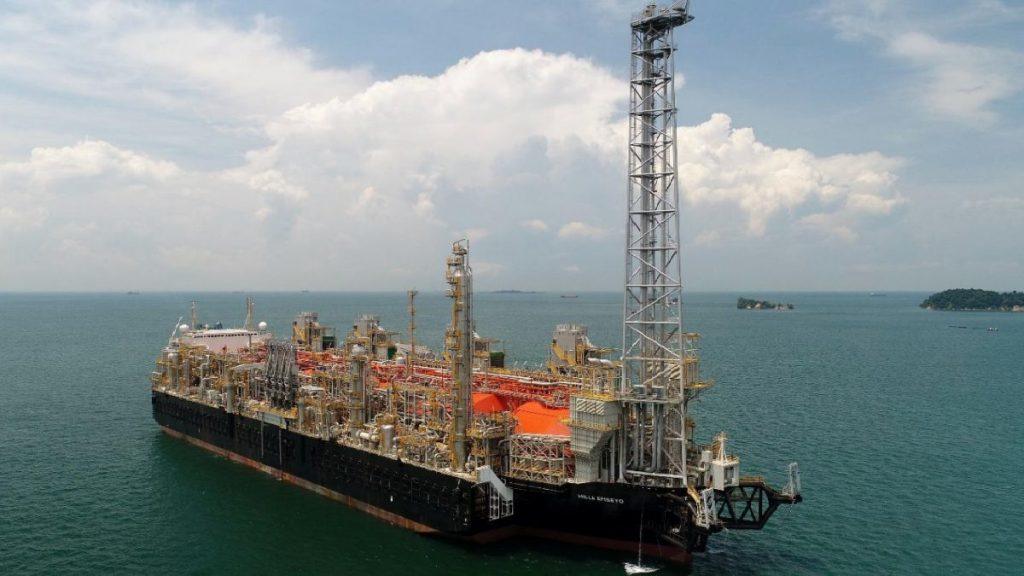
en.Wedoany.com Reported - Brazil's National Agency of Petroleum, Natural Gas and Biofuels (ANP) has approved the connection of the São Paulo Regasification Terminal (TRSP) to the pipeline network of Nova Transportadora do Sudeste (NTS), a move that will enable Edge to open new markets for its imported liquefied natural gas (LNG). At the same board meeting, the ANP also approved new regulations for third-party access to LNG terminals on a non-discriminatory and negotiated basis, a rule expected to maximize infrastructure utilization and enable interconnection between terminals. The final version of the resolution retained the original clause mandating interconnection between LNG terminals and gas pipelines, unless reasonable exceptions apply.
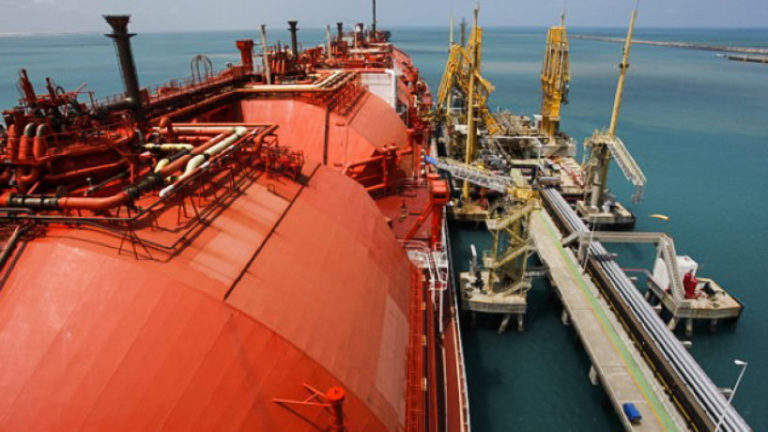
This move impacts new projects under preparation aimed at supplying gas to new thermal power plants in the March Capacity Reserve Auction (LRCAP). The second capacity reserve auction will support at least two new LNG terminals in Brazil: Eneva plans to build a regasification facility at the Port of Pecém in Ceará state and another in Rio de Janeiro or Espírito Santo; OnCorp is commercializing its LNG terminal at the Port of Suape in Pernambuco state through contracts for self-supplied power plants and natural gas sales to third parties. TRSP is one of Brazil's most typical "gas island" cases. Among the seven terminals operating in the country, besides TRSP, GNA's facility at the Port of Açu in Rio de Janeiro (capacity of 21 million cubic meters per day) and New Fortress's facility in Barcarena, Pará (capacity of 15 million cubic meters per day) are not connected to the pipeline network.
Connecting terminals can inject more natural gas into the market, maximize infrastructure utilization, generate additional revenue for regasification facility owners, and expand market gas supply options. Director Pietro Mendes emphasized that LNG terminals are "gateways" for new suppliers and business models, with the new regulations aimed at enhancing market price competitiveness. On the other hand, interconnection improves system security, enabling gas-fired power plants relying on imported LNG to access alternative gas sources and ultimately engage in arbitrage. The significant contracting of gas-fired power plants in the second capacity reserve auction could increase demand for flexible natural gas, leading to greater price volatility in Brazil's spot natural gas market. Vinícius Romano, Vice President of Latin America Gas Markets at Rystad Energy, analyzed that contract volumes for gas-fired power plants within the pipeline network exceeding expectations could tighten the spot natural gas market further.
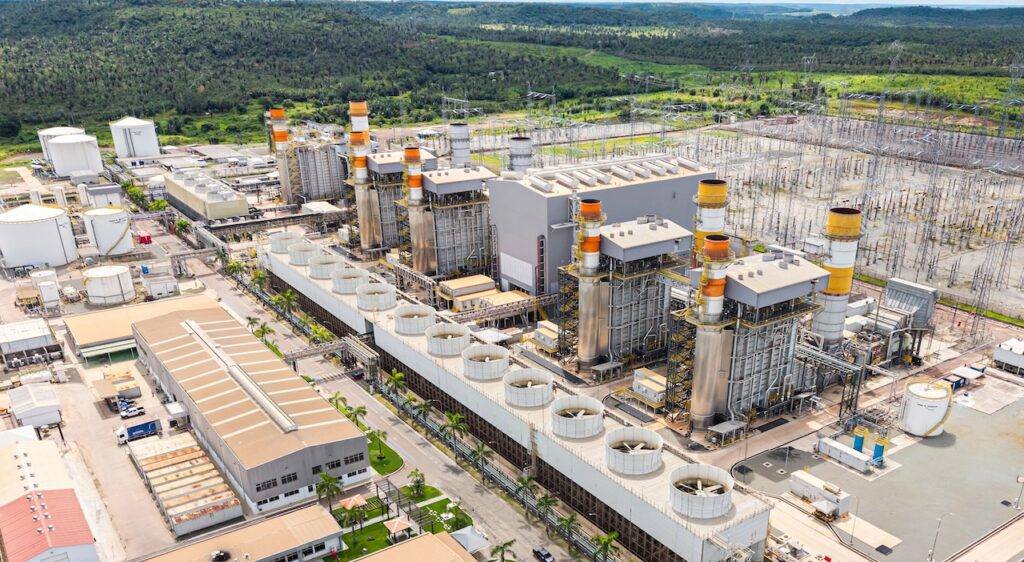
Edge's strategy is precisely to enter new markets, especially LRCAP gas-fired power plants, through pipeline network access. The connection project involves a 55-meter pipeline linking the TRSP terminal to NTS's Gasan I pipeline. The terminal has a daily capacity of 14 million cubic meters and currently supplies Comgás via the Subida da Serra pipeline, while also serving the free market. This year, Edge also launched a new off-grid LNG distribution business and announced a new project called GreenTech Logística Integrada, planning to invest 8.3 billion reais over ten years, with a commitment to reach 2,000 trucks within two years. In approving the connection to the NTS network, the ANP considered that the project could inject up to 7.5 million cubic meters of imported natural gas into the pipeline daily, mitigating the impact of declining domestic gas supply and reduced Bolivian gas supplies via the Gasbol pipeline, while alleviating some bottlenecks between Rio and São Paulo before the Japeri compression station becomes operational.
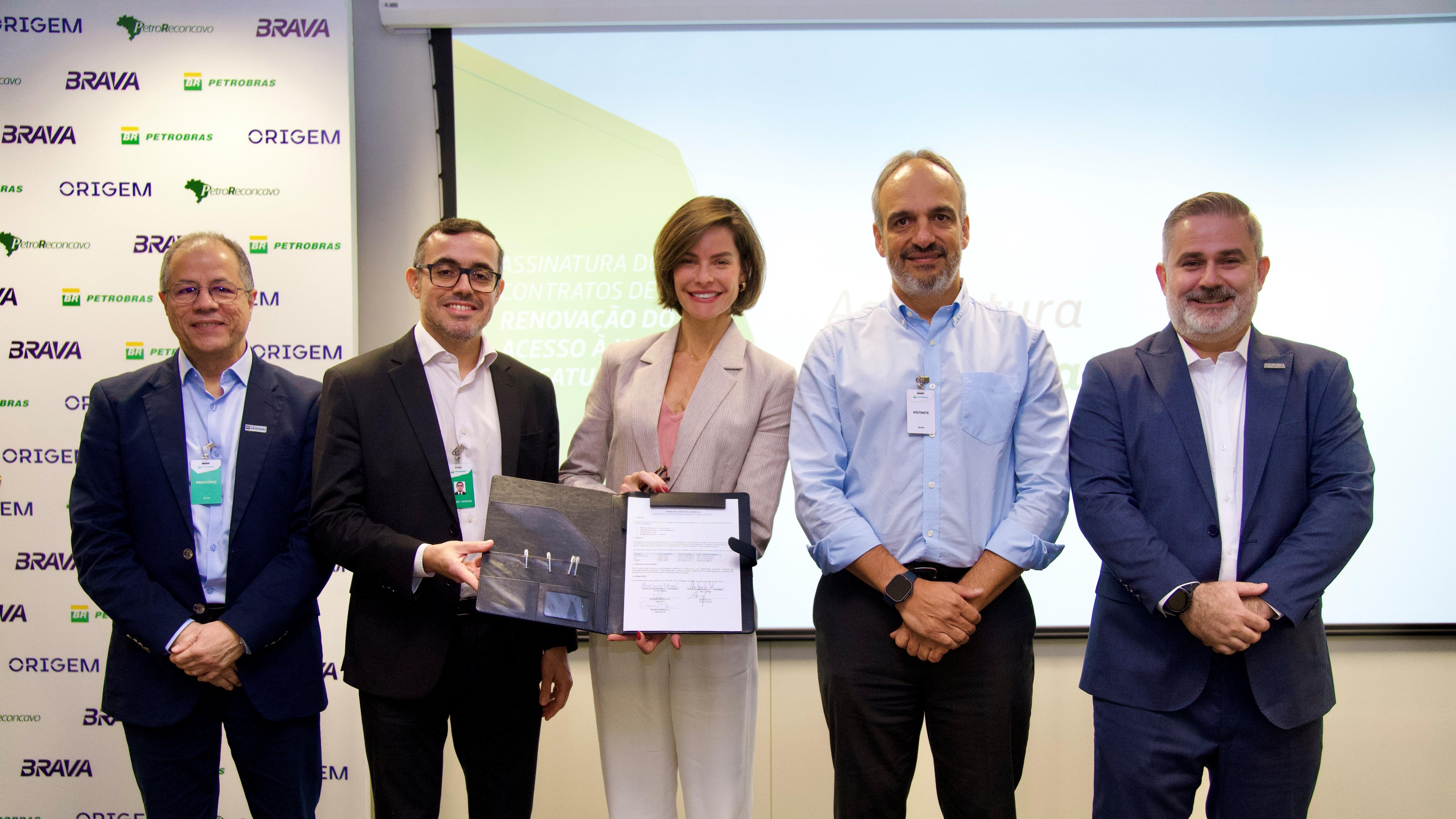
The ANP's Infrastructure and Transportation Department noted technical limitations in the TRSP connection project, with restricted gas transport capacity between Gasan I and Gasan II due to pressure differences between the pipeline networks. The authorization did not change the ANP's classification of Comgás's Subida da Serra pipeline as a transportation asset. Regarding natural gas market dynamics, Rystad Energy analysis suggests that even if the Strait of Hormuz reopens, Brazilian natural gas prices may remain under pressure in the second half of the year. The ANP board postponed a decision on the Orca gas field development plan. The ANP also agreed to extend by 60 days the deadline for transportation companies and users to submit a joint proposal on calculating the transportation rate multiplier. In the biomethane sector, Ultragaz believes there is a "regulatory vacuum" in the development of green corridors, while Yuri Schmitke, President of the Brazilian Renewable Energy Association (Abren), considers the National Energy Policy Council's (CNPE) target of 0.5% for natural gas market decarbonization in the first year of the biomethane mandate period to be conservative. Gasmig signed its first long-term biofuel procurement contract with GeoMit, with the agreement stipulating a daily supply of 50,000 cubic meters. Additionally, Petrobras signed a memorandum of understanding with Pemex and a contract to resume construction of the UFN 3 fertilizer plant.
This article is compiled by Wedoany. All AI citations must indicate the source as "Wedoany". If there is any infringement or other issues, please notify us promptly, and we will modify or delete it accordingly. Email: news@wedoany.com