Global Post-Industrial Cities Embrace Adaptive Reuse of Abandoned Industrial Buildings
en.Wedoany.com Reported - Across the globe, numerous post-industrial cities are transforming abandoned industrial buildings into cultural, educational, and community spaces, a practice reflecting the architectural trend of "building less, using more." Adaptive reuse responds to environmental urgency while meeting the need for urban cultural continuity. By functionally reimagining existing structures, architects reduce resource consumption while preserving the material wisdom embedded in the urban fabric, measuring progress by the ability to transform and extend the life of existing buildings.
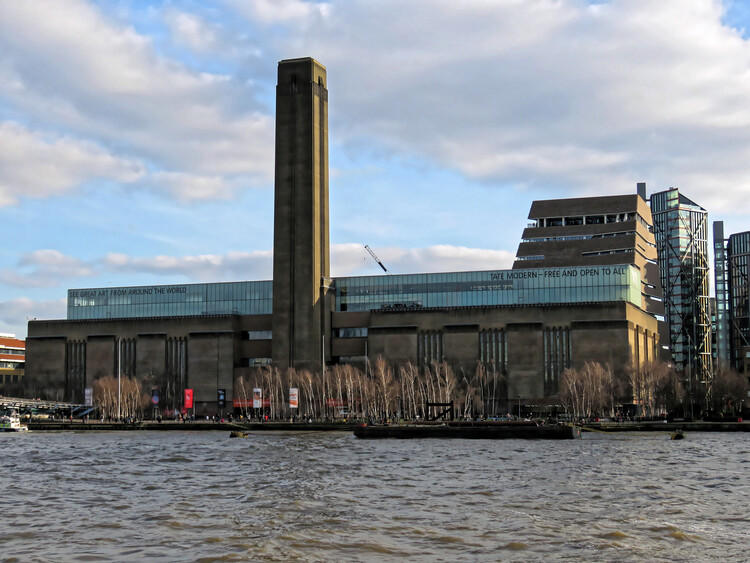
The Tate Modern, converted from a former power station on the banks of the Thames, saw Herzog & de Meuron retain the monumental brick shell designed by Giles Gilbert Scott, transforming the turbine hall into a vast public space. It has since become one of the world's most visited museums of contemporary art. The subsequent addition of the Switch House further expanded the complex, demonstrating how industrial buildings can evolve through layered transformations.
Zeitz Museum of Contemporary Art Africa (Zeitz MOCAA), located within a former grain silo complex at the Victoria & Alfred Waterfront in Cape Town, saw Heatherwick Studio treat the transformation as a process of both preservation and excavation, carving an atrium out of the dense cluster of concrete cylinders. New galleries and public spaces are embedded within the existing geometry, reshaping spatial logic while maintaining the building's material presence. This intervention redefines an industrial relic from the colonial economic era as a public space dedicated to African art and culture.
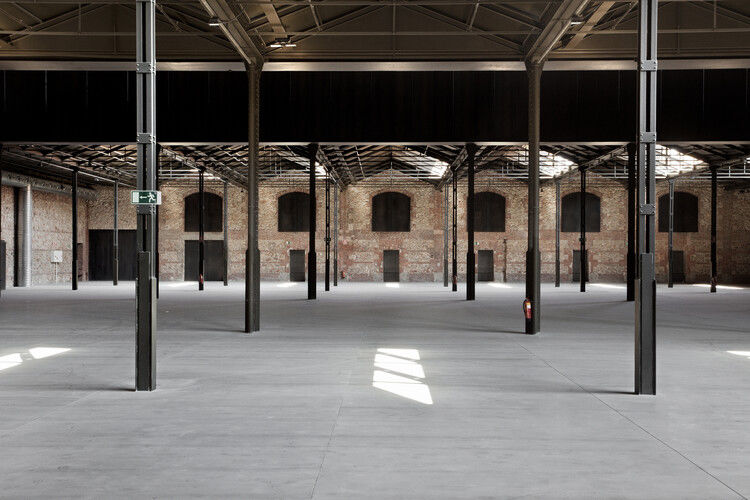
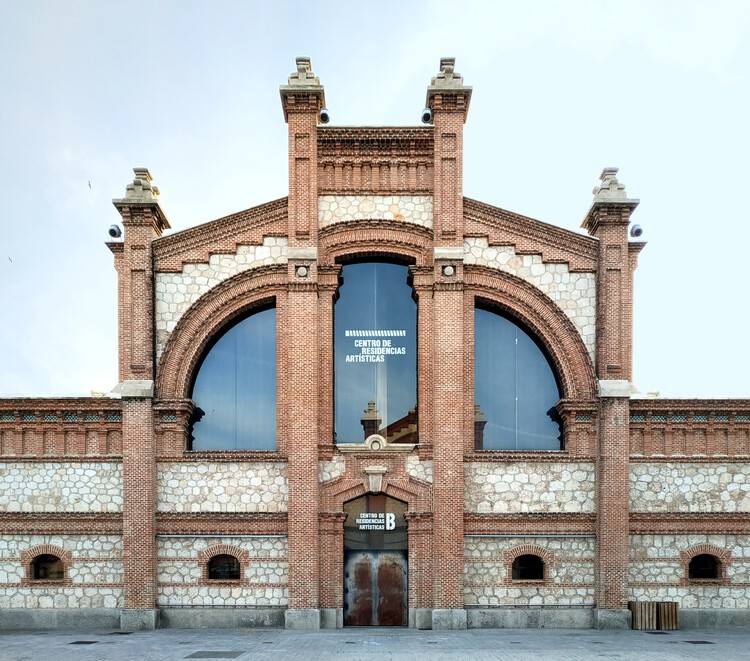
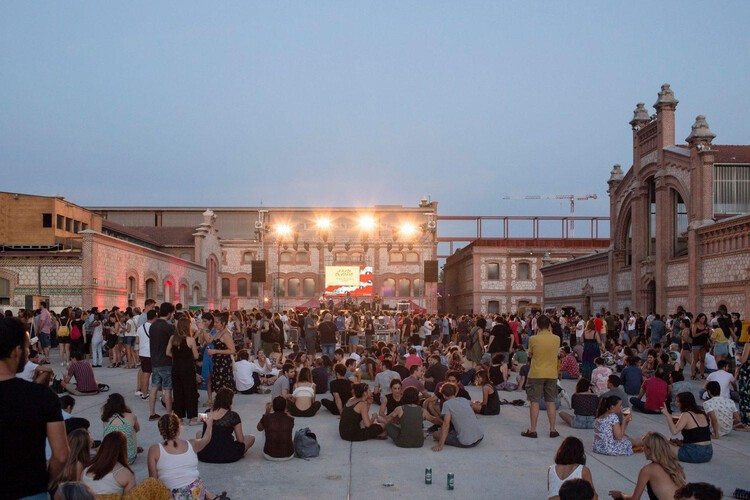
Matadero Madrid, a complex originally built in the early 20th century as a municipal slaughterhouse, has evolved into one of Madrid's primary cultural districts. Its transformation did not follow a single architectural design but involved a gradual process with multiple studios and public initiatives. The original brick pavilions have been converted into theaters, studios, and galleries, while open courtyards serve as flexible public spaces. Embracing incompleteness and temporariness, the project demonstrates an urban strategy where architecture can engage the community, encourage cultural production, and define heritage as a dynamic process.
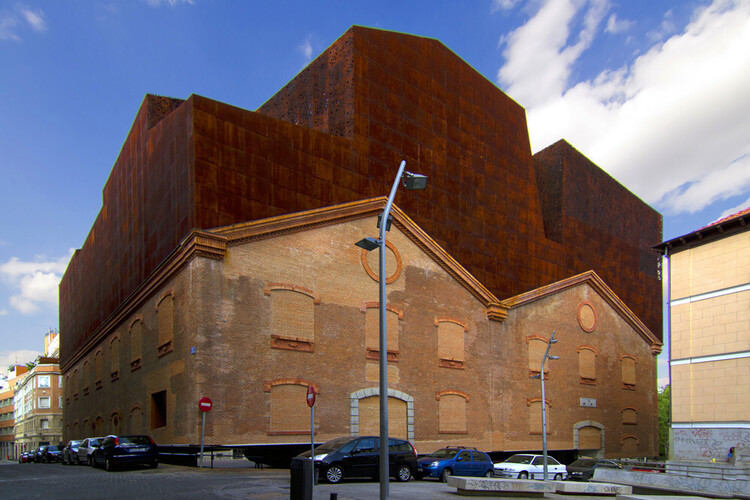
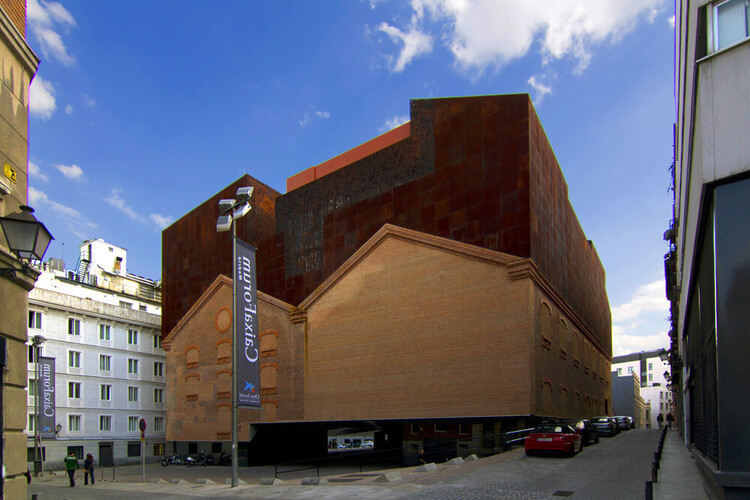
CaixaForum Madrid, located on the Paseo del Prado, occupies the site of a former power station. Herzog & de Meuron chose to emphasize its industrial history, lifting the original brick building above the ground to create an urban plaza beneath. A new steel structure volume caps the building, housing exhibition spaces and an auditorium.
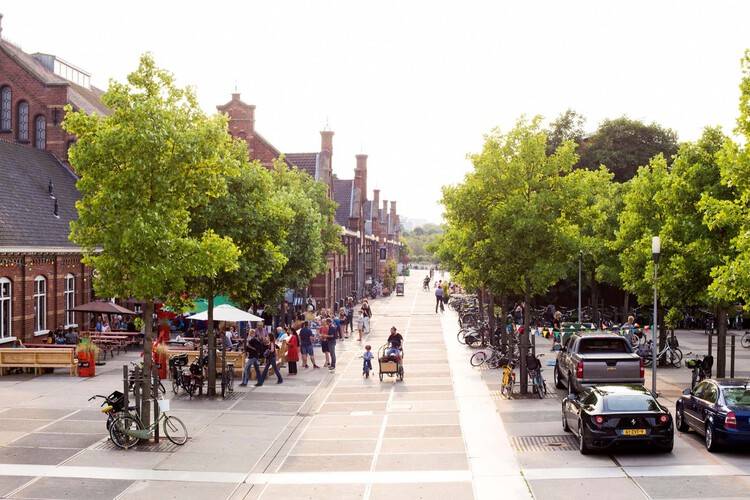
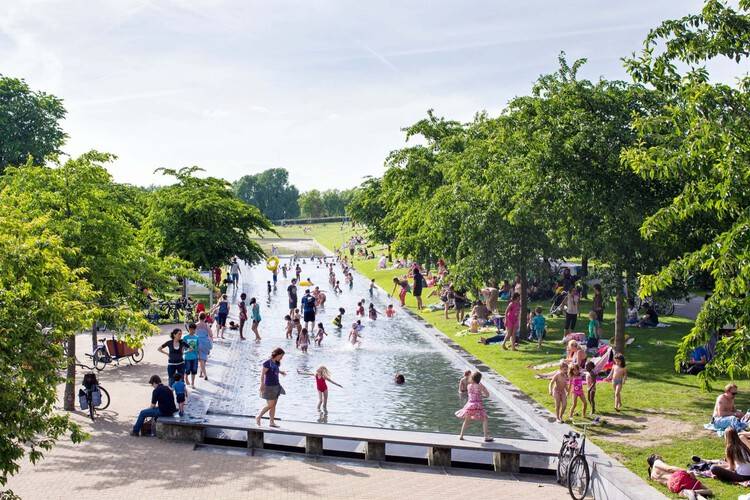
Westergasfabriek, built in the 19th century, once supplied energy to the Amsterdam community. After decommissioning, the complex was activated through gradual adaptation and functional diversification into a cultural and leisure zone encompassing art venues, restaurants, offices, and a park. The urban strategy by Mecanoo and Gustafson Porter + Bowman prioritizes coexistence of preservation and daily use, emphasizing accessibility and ecological restoration.
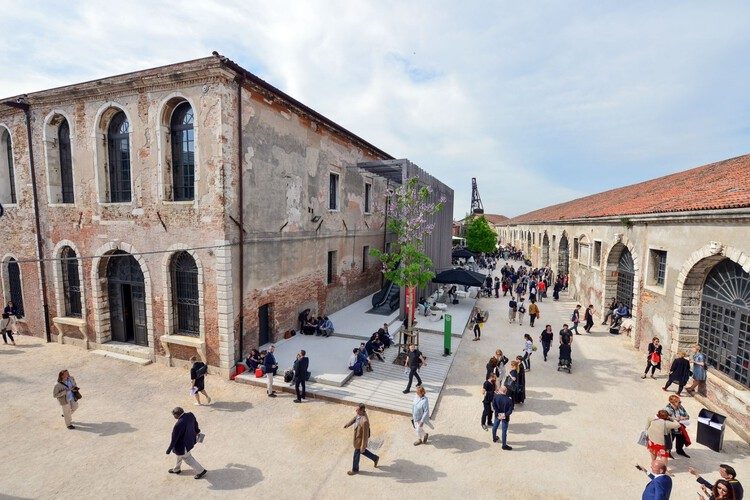
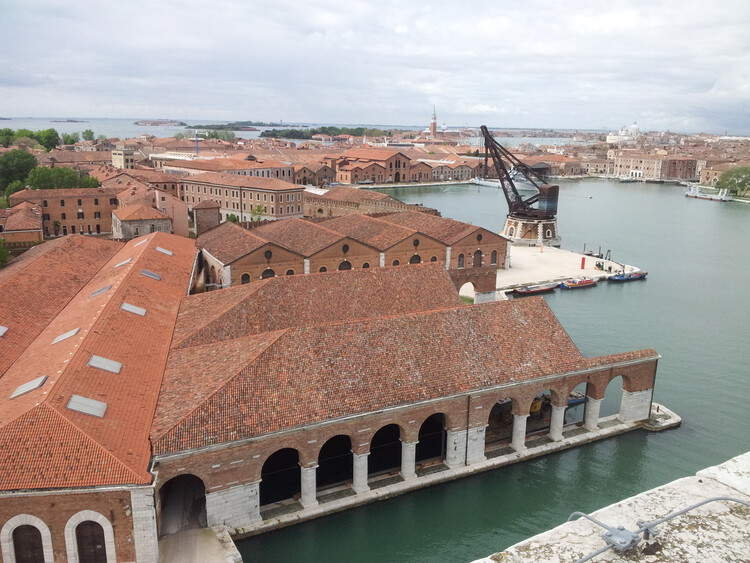
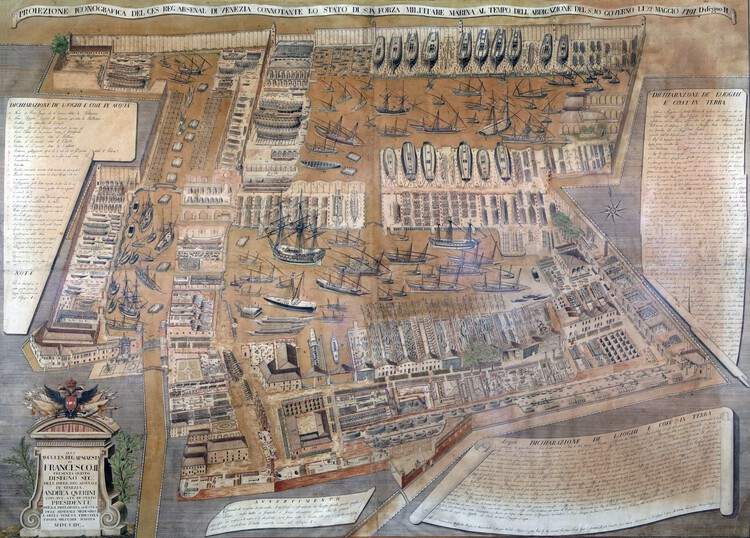
The Arsenale di Venezia, a vast shipyard founded in the 12th century, represents one of the longest-running cases of architectural reuse in Europe through its gradual transformation as the main venue for the Venice Biennale. Interventions embrace its ever-changing nature, with temporary structures and exhibitions coexisting with the historical fabric, making it a dynamic infrastructure for cultural production.
This article is compiled by Wedoany. All AI citations must indicate the source as "Wedoany". If there is any infringement or other issues, please notify us promptly, and we will modify or delete it accordingly. Email: news@wedoany.com
Related Products


Acoustic Mineral Fiber Ceiling Tile 595x595x12mm
Shanxi Pano Trading Co., Ltd

Industrial and Commercial Point-Type Gas Detector
Jinan Benan Technology Development Co., Ltd.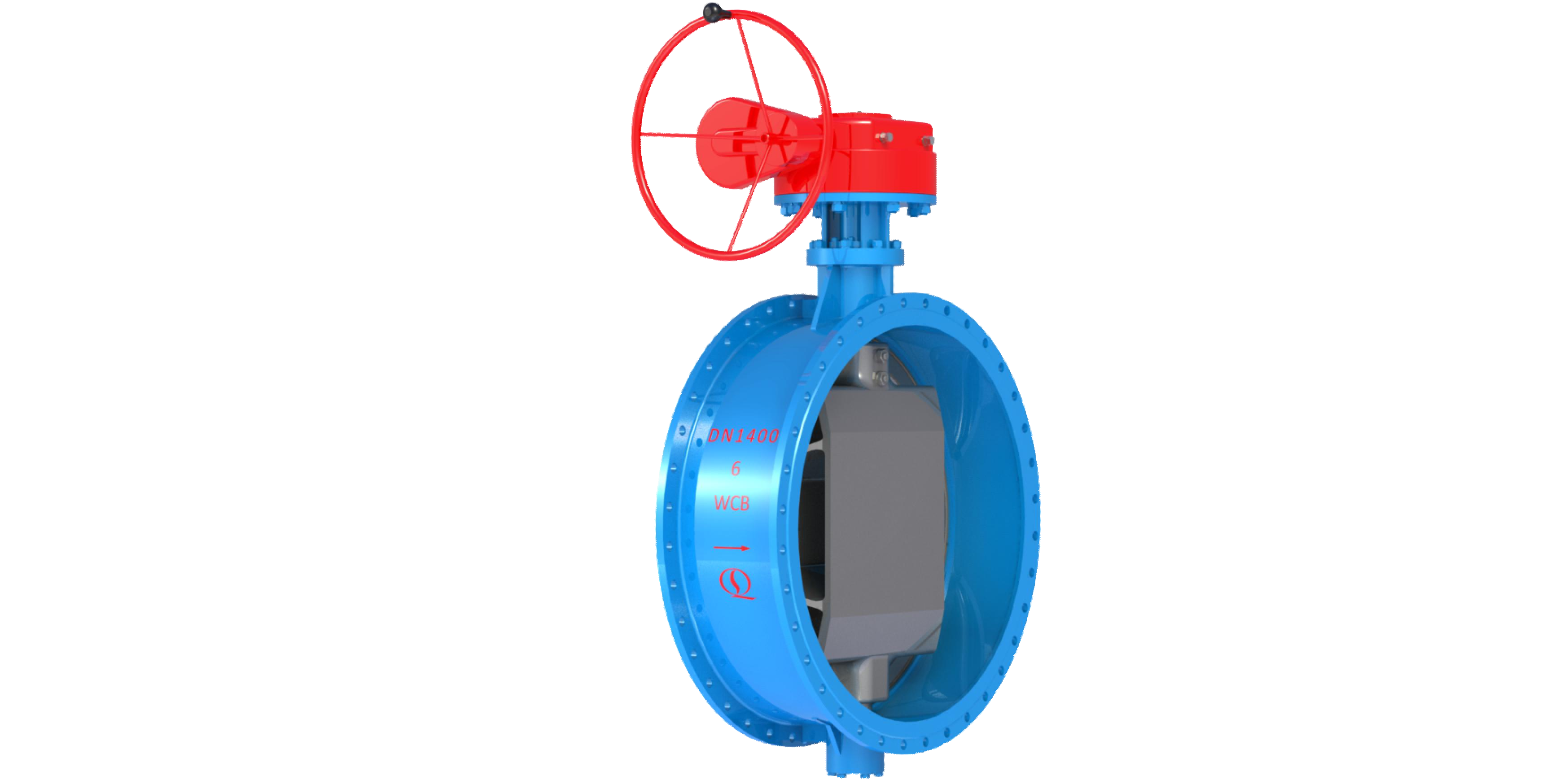
Bidirectional Metal Hard Sealed Seawater Butterfly Valve
Henan Quanshun Flow Control Science & Technology Co., Ltd.
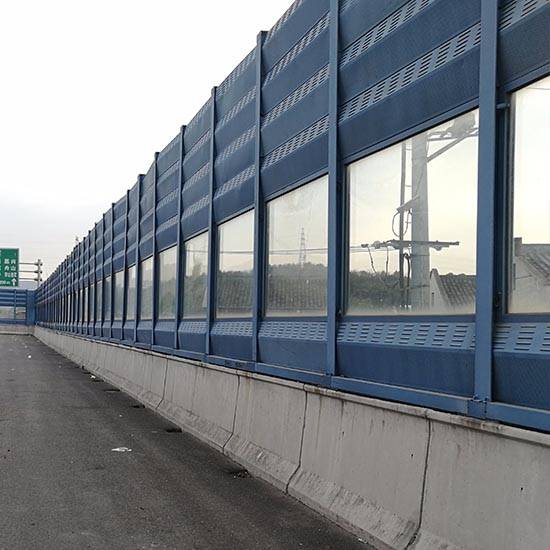
Metal sound barriers that can reduce the transmission of road noise
Hebei Jinbiao Construction Materials Tech Corp., Ltd.
CITIC Heavy Industries Tunneling Equipment Tunnel Engineering Shield Machine
CITIC Heavy Industries Co., Ltd.
West China Xiamen Hospital of Sichuan University
Wuhan Huakang Century Clean Technology Co., Ltd.