Jalisco, Mexico Industrial Park Expansion: Approval Time to Be Compressed to 200 Days
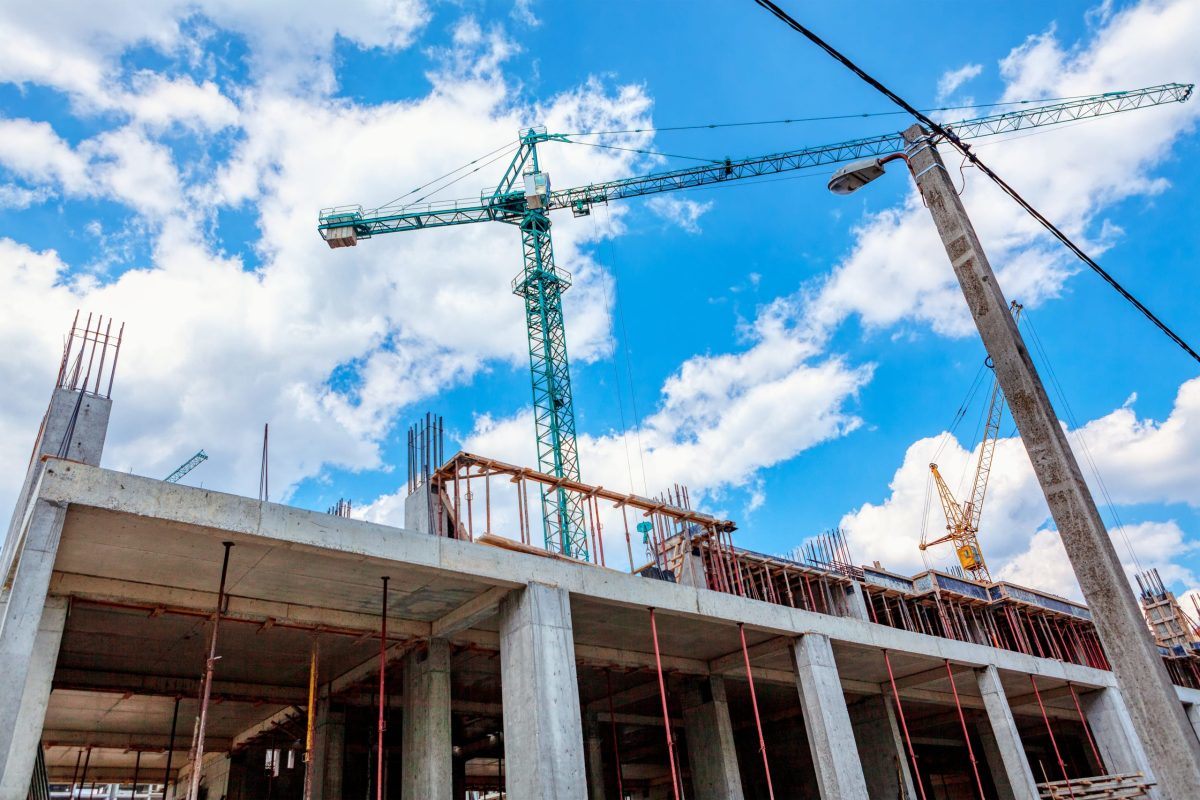
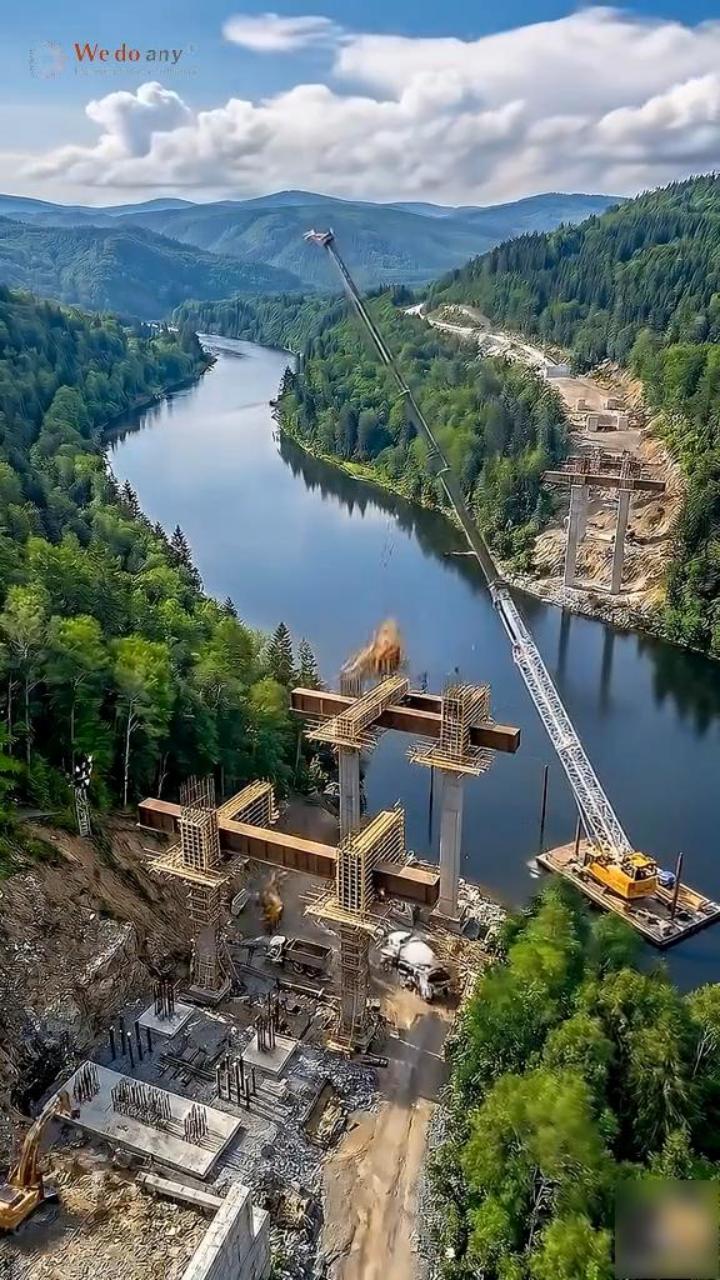
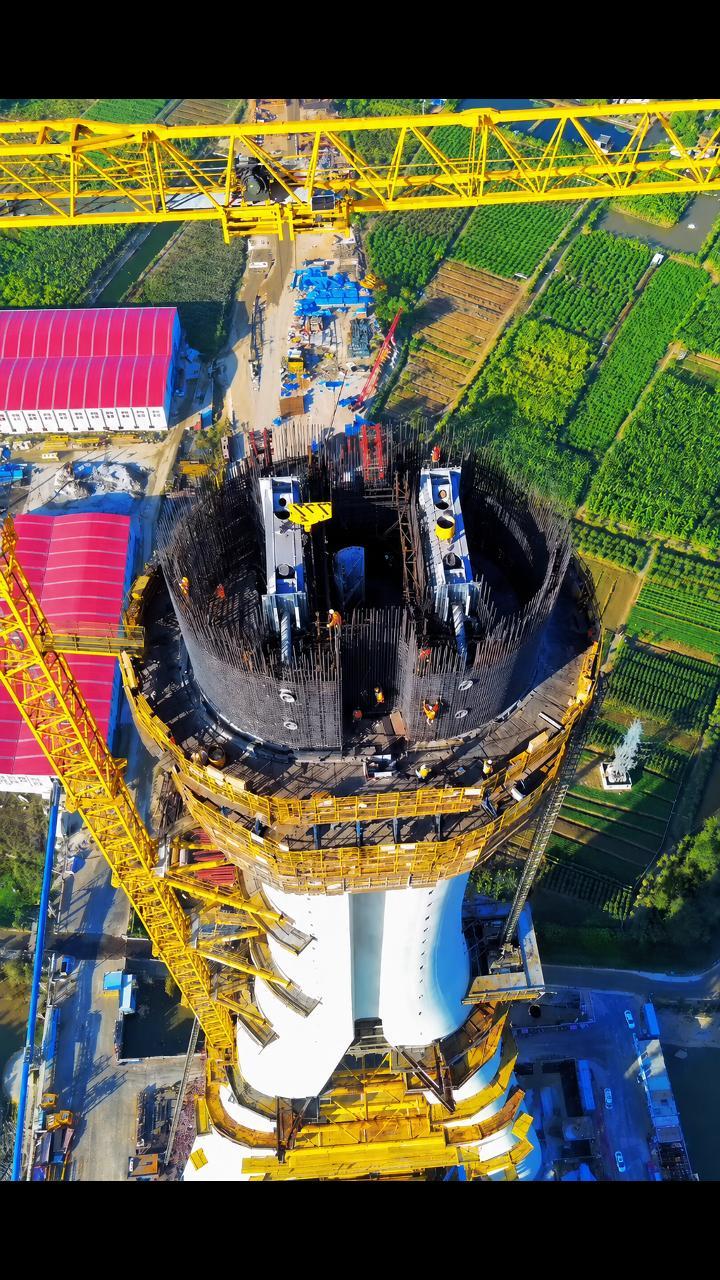
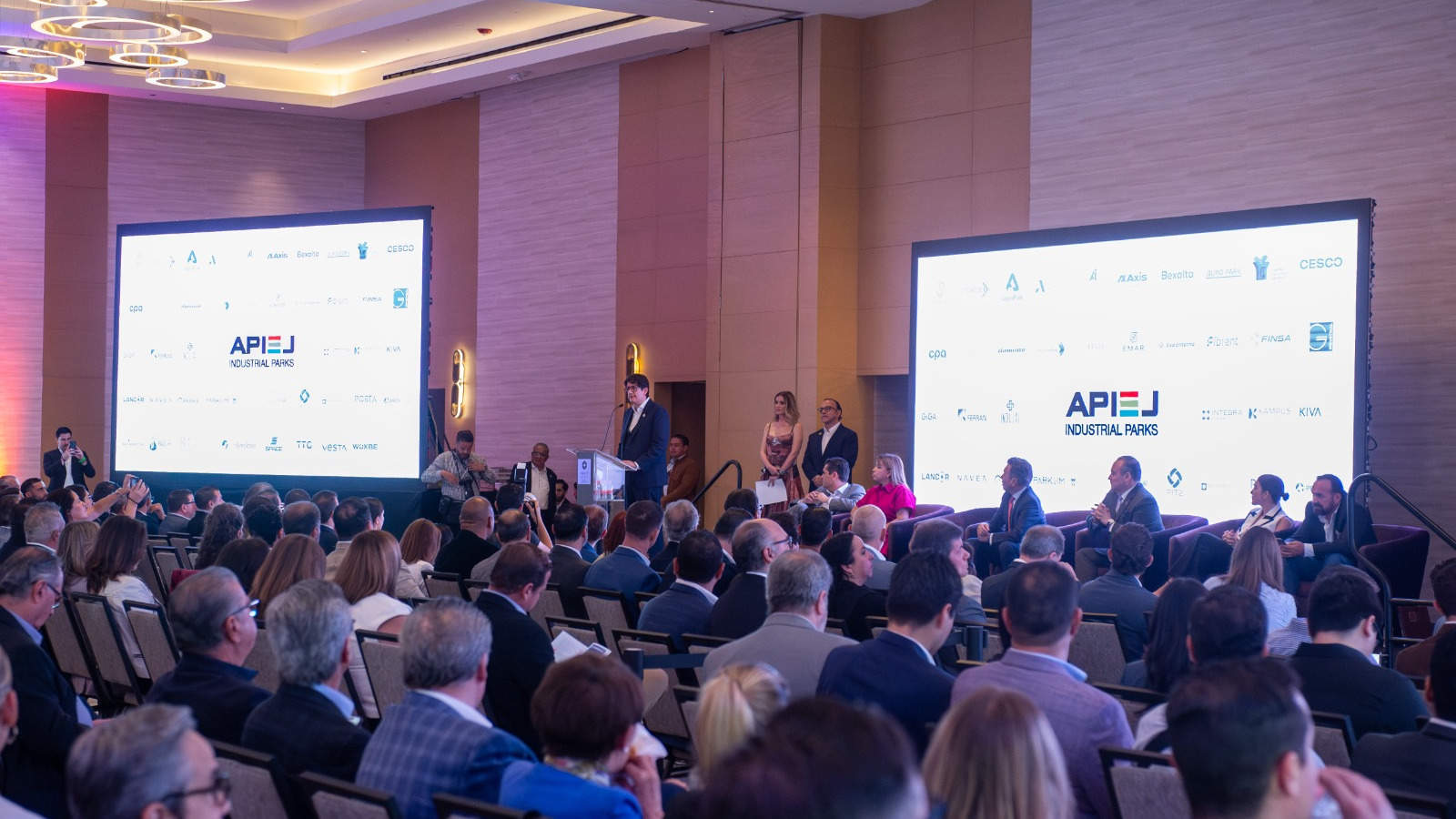
en.Wedoany.com Reported - The Mexican state of Jalisco is in the midst of an industrial park expansion phase, with a strategy aimed at extending manufacturing and logistics activities to new municipalities and attracting investment linked to high-tech sectors and international supply chains. Bruno Martínez, outgoing president of the Jalisco Association of Industrial Parks (APIEJ), noted that the industry has grown rapidly since 2020, when the state's market absorbed approximately 200,000 square meters of industrial space per year.
This transformation has enabled Jalisco to compete for larger-scale, more highly specialized industrial projects. The state's logistics infrastructure connects it to the Port of Manzanillo, the Bajío region, Mexico City, and rail corridors leading to the country's north. Martínez stated that Jalisco has developed an organic industrial ecosystem, regarded as the Silicon Valley of Latin America. Although the state is not near the border, it is connected to the Port of Manzanillo—a major gateway for Asia into the Americas—while also being close to the Bajío and Mexico City, with a complete rail network to the north and significant airport facilities.
This ecosystem has attracted technology and manufacturing companies such as Flex, Foxconn, Sanmina, and Jabil to establish and expand operations. The local industrial base is now seeking to bring in second-tier suppliers to increase local content and production efficiency.
During Martínez's tenure, a key initiative of APIEJ was to standardize industrial development procedures across nine municipalities, including Tlajomulco de Zúñiga, Zapopan, Tala, Tonalá, Zapotlanejo, Juanacatlán, Ixtlahuacán de los Membrillos, Villa Corona, and Zapotlán. The strategy, launched in April, aims to reduce the time required to open an industrial development project from approximately 700 days to 200 days, accelerating the implementation of new projects. The initiative also plans to incorporate two additional municipalities in the near future, including El Salto, which is one of Jalisco's main industrial corridors and home to several high-tech companies.
Shortening approval times is intended to enhance Jalisco's competitiveness in attracting supply chain relocation projects. Martínez pointed out that having infrastructure alone is insufficient to attract new investment; it is also necessary to facilitate business establishment and create conditions for faster implementation of industrial projects.
Jalisco's industrial promotion strategy also focuses on building deeper supply chains and higher levels of production integration. APIEJ, in collaboration with the state government, organizes business missions to Asia, North America, and Europe to showcase local industrial capabilities to potential investors, with a particular focus on identifying suppliers that can establish operations near companies already present in the state. Martínez stated that the purpose of these missions is not only to attract new companies but also to seek out second-tier suppliers for companies operating in the state—a result of nearshoring—aimed at generating local productive capacity. The strategy seeks to ensure that new investment goes beyond merely building plants, also fostering the integration of domestic and foreign suppliers, knowledge transfer, and the development of new production capabilities.
Related Products

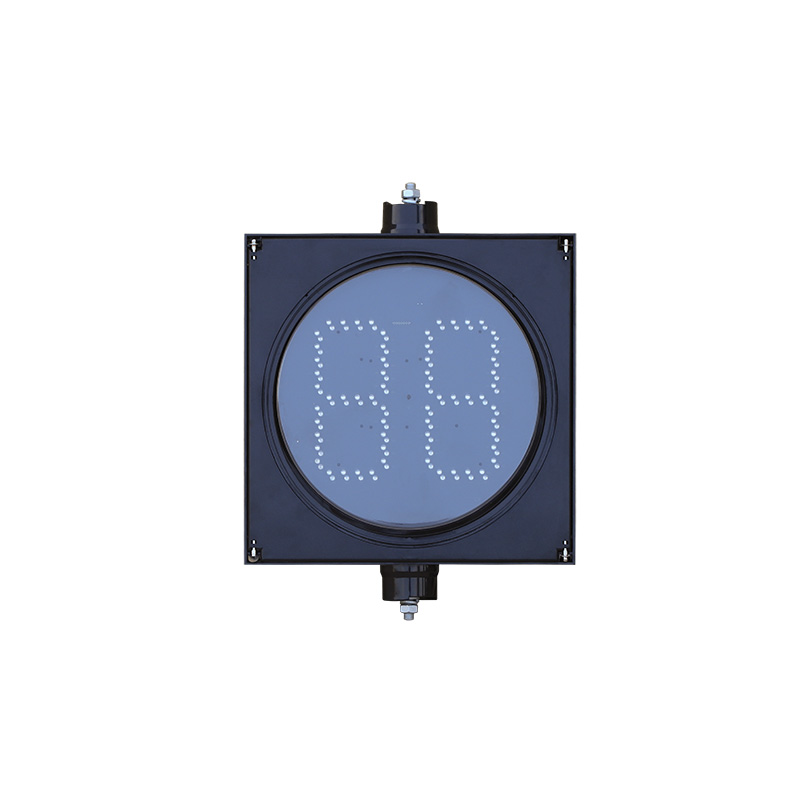
300mm Segment Type Countdown Traffic Light (Core Type)
Yangzhou FAMA Intelligent Equipment Co., Ltd.
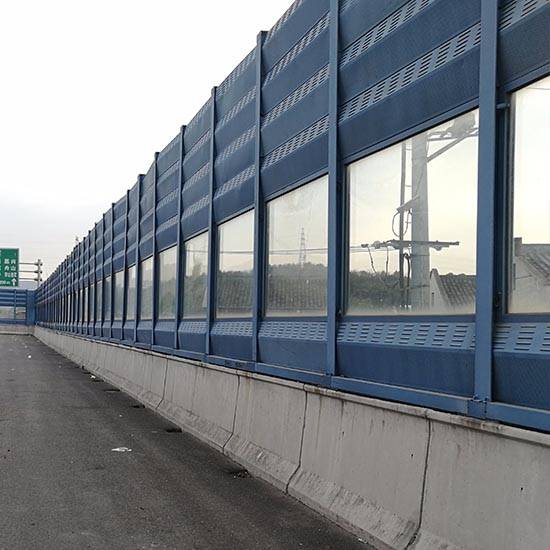
Metal sound barriers that can reduce the transmission of road noise
Hebei Jinbiao Construction Materials Tech Corp., Ltd.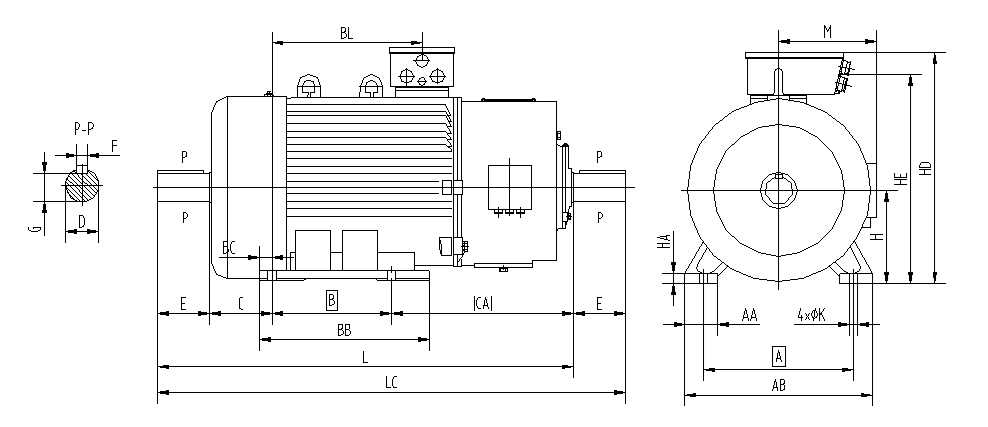
YZR (450-560) Series Wound Rotor Three-Phase Asynchronous Motors for Crane and Metallurgical Applications
Jiamusi Electric Machine Co., Ltd.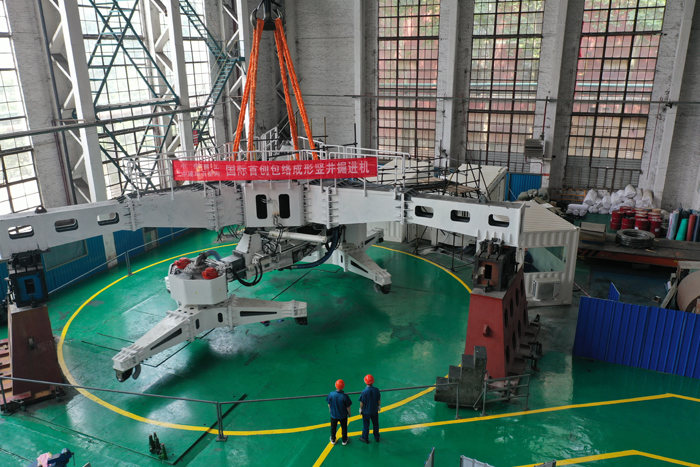
CITIC Heavy Industries Tunneling Equipment Tunnel Engineering Shield Machine
CITIC Heavy Industries Co., Ltd.
ERW Welded Pipe (Black Pipe and Hot-dip Galvanized Steel Pipe)
Handan Zhengda Steel Pipe Co., Ltd.
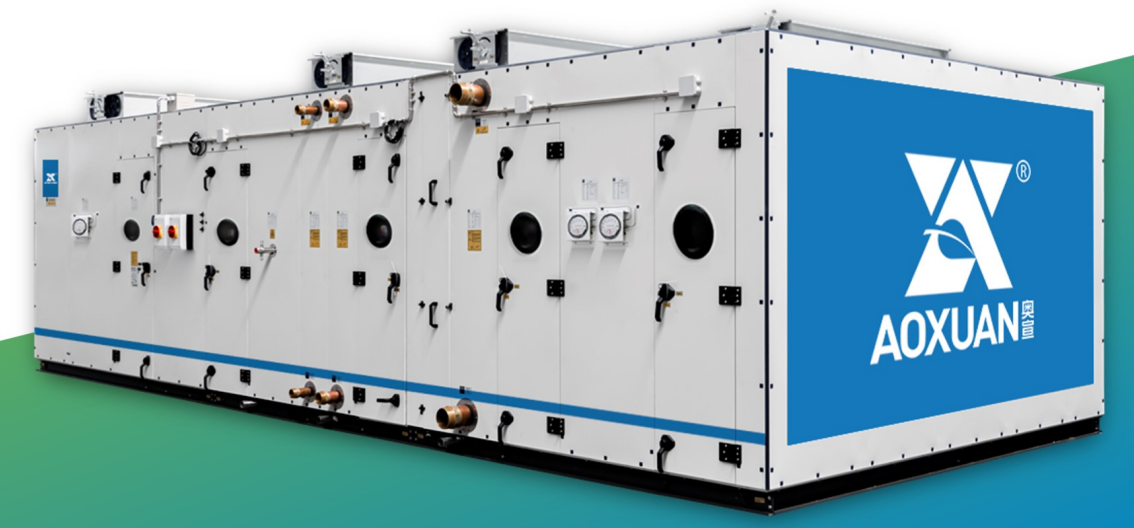
Aoxuan Intelligent Precision Air Conditioning Unit
SHANGHAI AOXUAN PURIFICATION TECHNOLOGY CO., LTD.
YHTank8400N Solvent-Free Liquid Epoxy Coating
JIANGSU YUNHU NEW MATERIAL TECHNOLOGY CO., LTD.