Brazil's JetBov Launches Satellite AI Pasture Monitoring System to Manage 238 Million Cattle Ranches
en.Wedoany.com Reported - Brazil's beef cattle industry is beginning to use satellite imagery, artificial intelligence, and historical data to replace traditional visual observation for pasture management. JetBov has launched the Smart Pasture Monitoring (Monitoramento de Pasto Inteligente) solution, which tracks pasture conditions to help producers decide when to rotate cattle, where to apply fertilizer, and which paddocks need restoration.

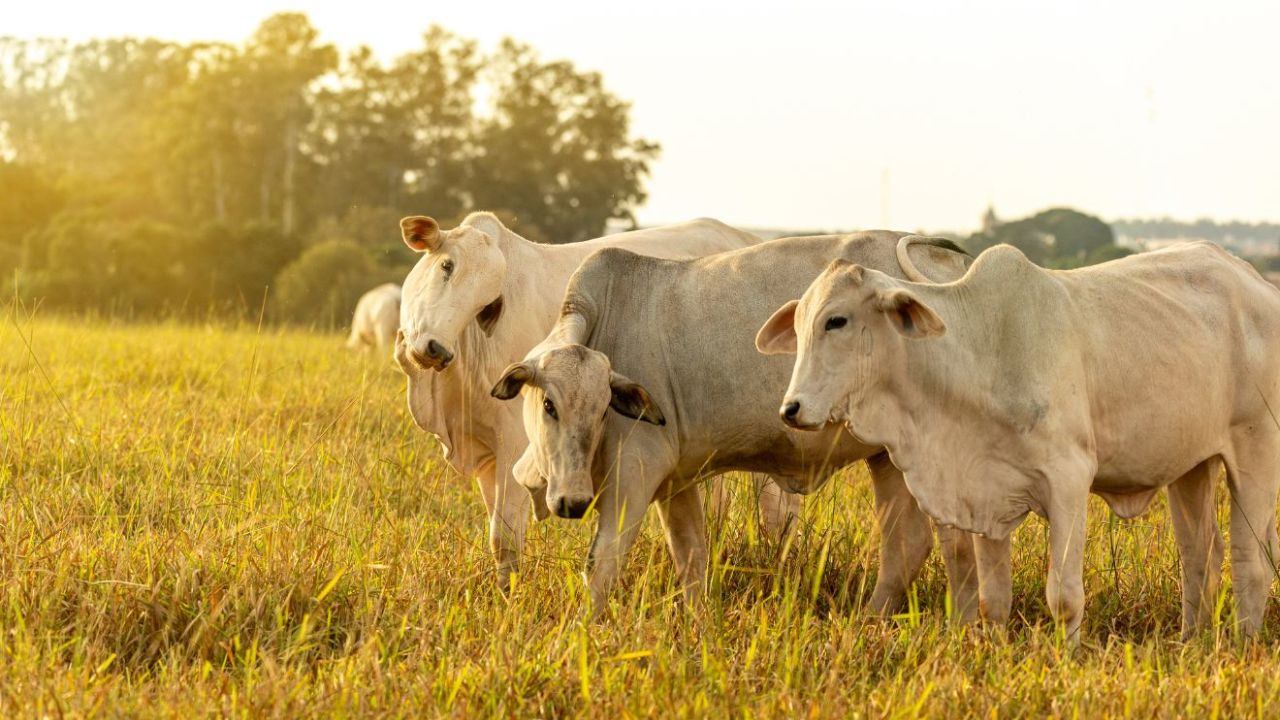
The core database underpinning this technology is substantial. The SmartNDVI index is built on over 10 years of data, involving more than 14 million cattle and 3.5 million pasture areas. According to data from the Brazilian Institute of Geography and Statistics (IBGE), Brazil had 238.2 million cattle in 2024, highlighting the immense scale of daily pasture management.
The seemingly simple operation of rotating cattle between paddocks determines feed utilization, pasture rest duration, and grass vitality throughout the cycle. Delayed rotation can lead to overgrazing, while premature rotation may cause forage waste. The JetBov system uses satellite remote sensing, artificial intelligence, machine learning, climate data, and vegetation information to track pasture conditions, allowing producers to clearly see the status of each area on a map and determine which paddocks are in better condition, showing declining vitality, or needing rest.
At the heart of this solution is the SmartNDVI index, JetBov's proprietary metric that summarizes pasture conditions for each area or paddock. The system provides two main readings: a SmartNDVI map showing area conditions, and a historical chart for comparing different periods and identifying signs of degradation or recovery. This index is based on the traditional NDVI index, which measures vegetation vitality through the light reflected by plants. According to NASA, healthy plants typically reflect more near-infrared light and absorb more red light, while this relationship changes under stress, drought, or declining vitality.
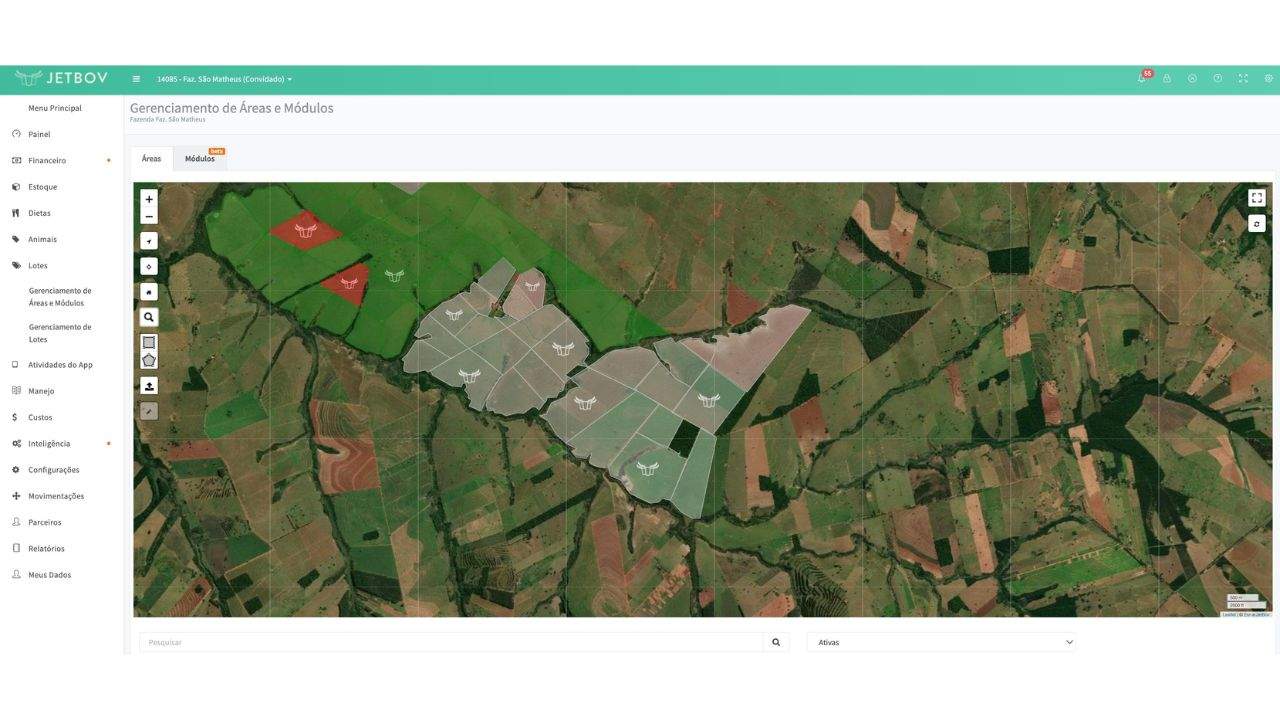
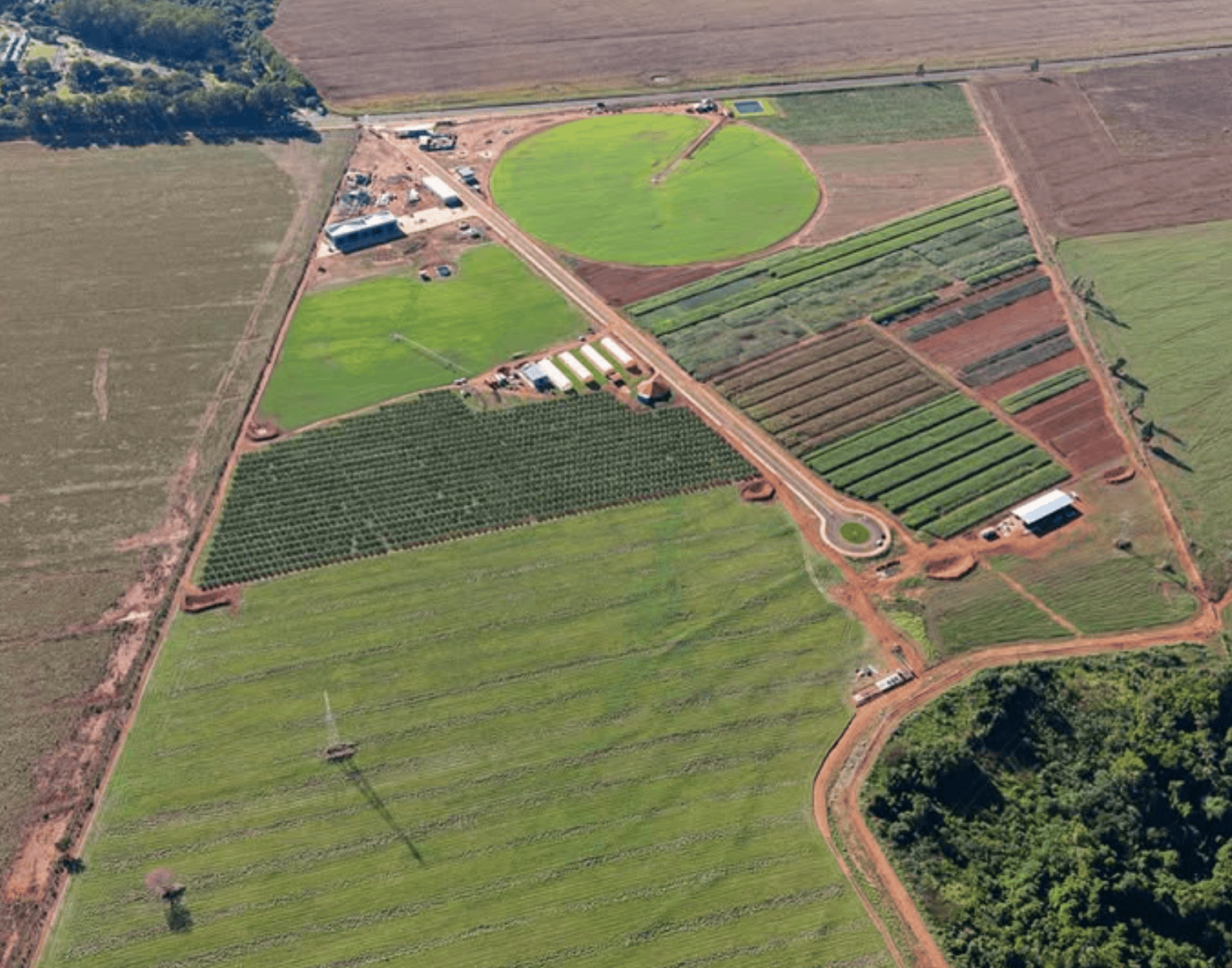
The scale of the problem underscores the significance of this technology. According to MapBiomas data, Brazil had approximately 155 million hectares of pasture in 2024, of which 21.6% (equivalent to 33.4 million hectares) showed signs of low vitality. Pasture monitoring has thus become an essential tool. The system supports decisions on paddock rotation, rest cycles, fertilization, and identifying areas needing restoration, playing a role in feed planning, stocking rates, and managing areas with different vitality levels.
The solution gained attention at the Feicorte trade show in June 2026 in the city of Presidente Prudente. Smart Pasture Monitoring combines artificial intelligence, remote sensing, and climate data with feed management, and has received financial support from the Brazilian Innovation and Project Financing Agency (Finep), utilizing the AgroAPI platform from the Digital Agriculture Institute of the Brazilian Agricultural Research Corporation (Embrapa Agricultura Digital).
Despite technological advances, it does not measure forage like a scale, but rather estimates pasture conditions based on imagery, climate, historical data, and operational data. According to the U.S. Geological Survey (USGS), NDVI can suffer from saturation issues in very dense vegetation, and soil can also affect readings. Therefore, satellite data must be interpreted in conjunction with actual pasture conditions and the knowledge of cattle ranchers.
This article is compiled by Wedoany. All AI citations must indicate the source as "Wedoany". If there is any infringement or other issues, please notify us promptly, and we will modify or delete it accordingly. Email: news@wedoany.com
Related Products



714CD Series C-Band Weather Radar
Chengdu Zhongdian Jinjiang Information Industry Co., Ltd.

Industrial and Commercial Point-Type Gas Detector
Jinan Benan Technology Development Co., Ltd.
4HS-8 High-efficiency Peanut Inverted-laying Harvester
Hebei Yongfa Hongtian Agricultural Machinery Manufacturing Co., Ltd.