en.Wedoany.com Reported - SpaceX plans to launch the SXM-11 satellite using a Falcon 9 rocket. This approximately 7.5-ton radio broadcast satellite will replace two aging satellites of SiriusXM in geostationary orbit.
The launch window opens at 10:25 PM Eastern Time (0225 UTC) and lasts nearly four hours. The rocket will lift off from Space Launch Complex 40 at Cape Canaveral Space Force Station, following an eastward trajectory after launch.
The 45th Weather Squadron predicts an 80% probability of favorable weather conditions at the opening of the launch window, increasing to 90% later. Meteorologists are monitoring potential interference from cumulus and anvil clouds.
SpaceX will use Falcon 9 booster tail number B1085 for this mission. This will be the 17th flight for this booster, which has previously launched NASA's Crew-9, the U.S. Space Force's RRT-1, Firefly Aerospace's Blue Ghost Mission 1, Fram2, SiriusXM's SXM-10, Europe's MTG-S1 weather satellite, EchoStar XXV, and nine Starlink missions. Approximately eight and a half minutes after launch, B1085 will target a landing on the autonomous droneship "A Shortfall of Gravitas" stationed in the Atlantic Ocean.
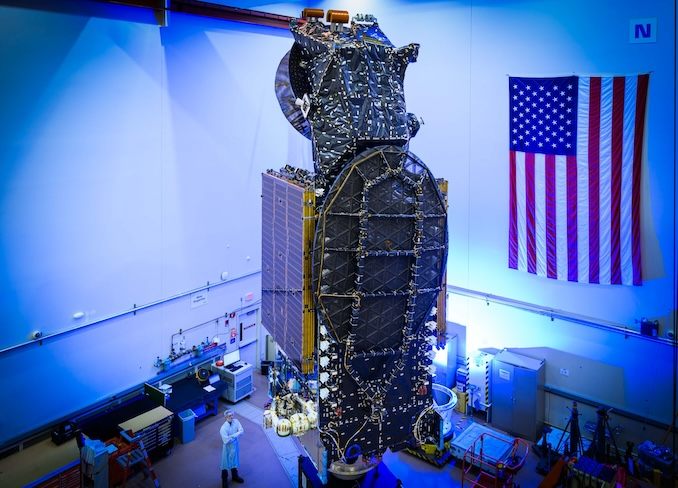
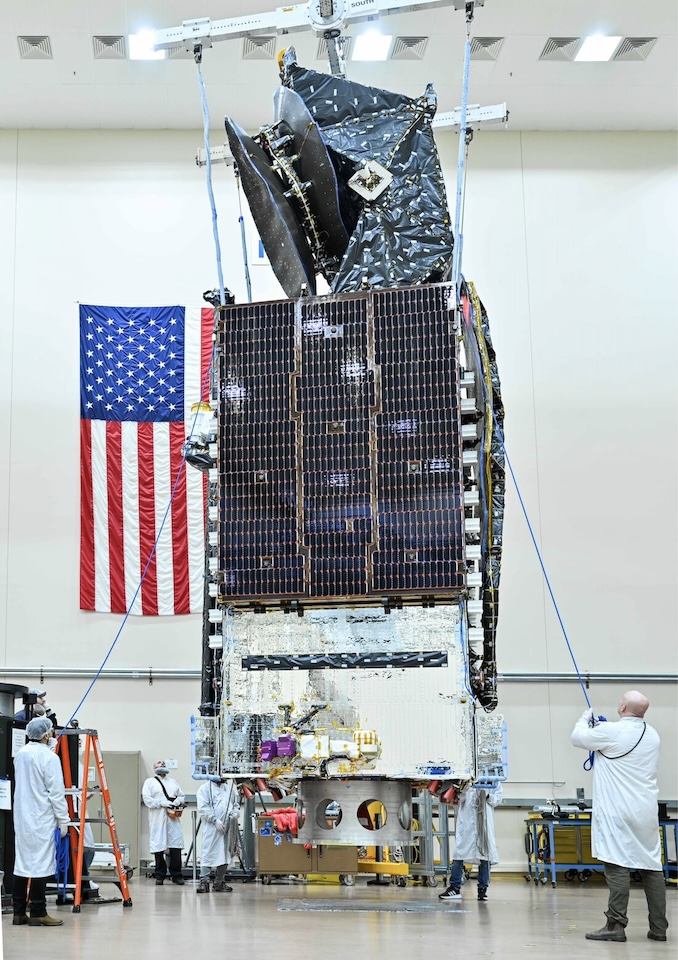
The SXM-11 satellite weighs approximately 15,000 pounds (7.5 tons) and will be deployed from the Falcon 9 rocket's upper stage a little over half an hour after launch. The satellite was built by Lanteris Space Systems, a subsidiary of Intuitive Machines headquartered in Texas. This company, formerly known as Maxar Space Systems, was acquired by Intuitive Machines in January 2026 for approximately $800 million.
The SXM-11 and SXM-12 satellites are designed to replace SiriusXM's XM-5 and Sirius FM-5 satellites, which were launched in 2010 and 2009, respectively. SiriusXM states that SXM-11 is the most powerful high-power satellite in the SiriusXM constellation, which will help enhance signal reception, expand coverage in Alaska, and support audio entertainment and information services in the United States, Canada, and the Caribbean.
The satellite, standing 230 feet (70.1 meters) tall, is based on the IM-1300 satellite platform. With its solar panels deployed, the spacecraft spans 106 feet (32.3 meters). SiriusXM says approximately 60% of the 7.5-ton satellite's mass comes from onboard fuel. According to financial disclosures filed by SiriusXM with the U.S. Securities and Exchange Commission (SEC), the last satellite of this type, SXM-10, was launched in June 2025 and is expected to remain in service until 2040.
This article is compiled by Wedoany. All AI citations must indicate the source as "Wedoany". If there is any infringement or other issues, please notify us promptly, and we will modify or delete it accordingly. Email: news@wedoany.com