Huawei Launches Backup Storage System with 90:1 Compression Ratio
en.Wedoany.com Reported - Huawei claims that its latest backup storage system has achieved a 90:1 data compression ratio for highly redundant backup data, based on patented compression and deduplication algorithms embedded in dedicated hardware compression cards.
The 90:1 compression ratio applies to highly redundant backup data such as snapshot accumulation or daily full virtual machine backups. Huawei states that this result is 20% higher than leading alternatives currently available in the enterprise storage market. This generation represents a significant improvement over the 72:1 compression ratio achieved by the previous-generation OceanProtect system.
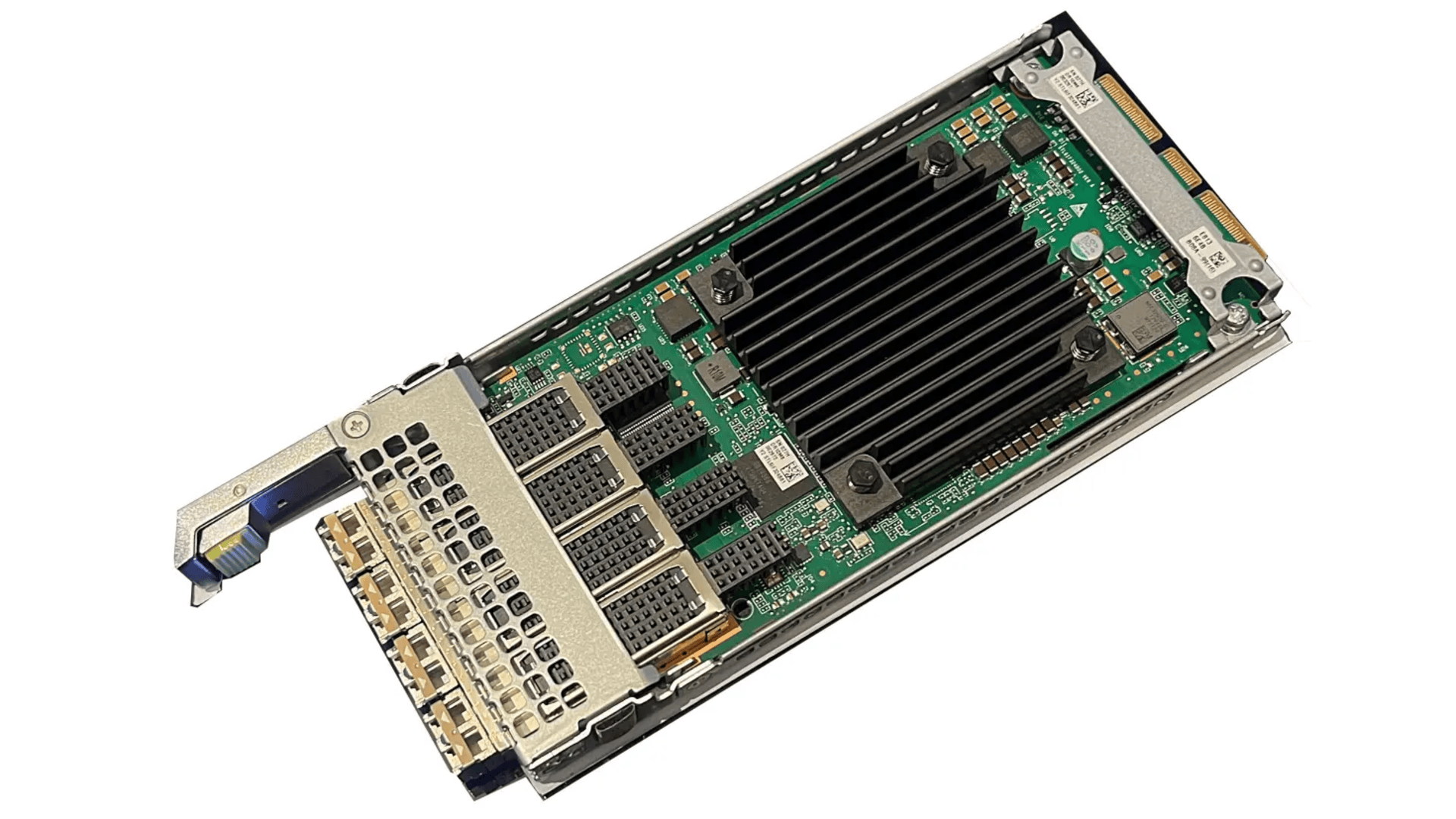
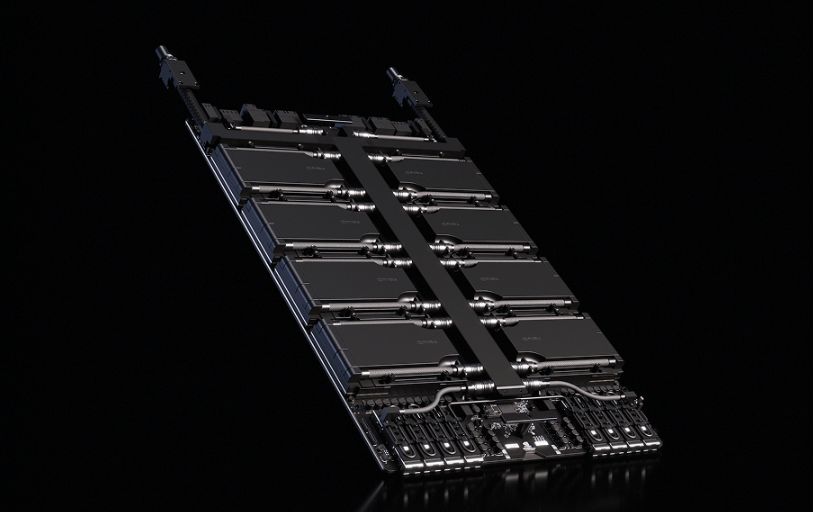
This technology is integrated into Huawei's newly released OceanProtect backup storage all-flash systems, including the X8100 and X9100 models. At its core is the compression algorithm named HUAWEI HZU, which employs fast nonlinear transformation combined with a lightweight context prediction method.
Huawei claims that the HZU algorithm surpasses the long-established Lempel-Ziv compression paradigm. Under comparable conditions, this algorithm can increase the compression ratio by up to 30%. This dynamic technology is patented, covering the deduplication and compression methods used throughout Huawei's entire backup architecture.
The compression process is divided into four stages: first, preprocessing and cleaning of input data; second, multi-layer, inline, variable-length deduplication; third, HZBC compression; and finally, byte-level compression of the remaining data.
Additionally, the compression card can offload up to 22% of processing load from the backup system's main CPU. This is particularly important for OceanProtect systems using all-flash media, as the unit cost of flash media is higher than that of disk.
Huawei has selected QLC storage media for this system, combined with an adaptive SLC area reserved for frequently accessed hot data. This combination is designed to support faster data recovery in the event of a failure.
Since the per-TB capacity cost of SSDs is much higher than that of disks, the ability to effectively compress data within the same physical drive directly enhances the economic viability of all-flash backup systems. The compression algorithm works in synergy with the SSD architecture: the algorithm handles data reduction, while the flash media determines the value of that reduction.
Potential customers may need to test the OceanProtect platform directly on actual backup datasets. Whether a reduction ratio close to 90:1 can be achieved largely depends on dataset characteristics, retention policies, and specific deployment conditions.
This compression performance demonstrates Huawei's progress in enterprise storage technology development, with the core goal of providing more cost-effective solutions for enterprise backup data needs by improving efficiency and speed.
This article is compiled by Wedoany. All AI citations must indicate the source as "Wedoany". If there is any infringement or other issues, please notify us promptly, and we will modify or delete it accordingly. Email: news@wedoany.com
Related Products


TWP16 P-Band Tropospheric Wind Profile Radar
China Huayun Meteorological Technology Group Co., Ltd.
20 Inch 1600*900 Full HD 60Hz TFT LED Monitor with VGA and DP Interfaces for Desktop Computers-Business Use
Guangzhou Zanying Optoelectronics Technology Co., Ltd.

Multi-function Marine Monitoring Low-altitude Detection Radar Sea-air Boundary Ocean Dynamic Environment Measurement
Chengdu Dixin Technology Co., Ltd.

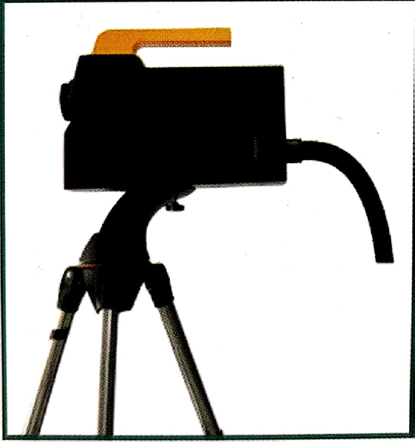
Automatic Aiming Laser Remote Obstacle Removal Robot
Pinggao Group Weihai High-Voltage Apparatus Co., Ltd.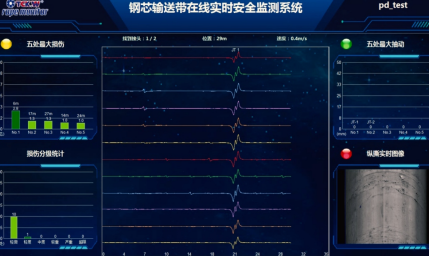
Conveyor Belt Intelligent Monitoring System
LUO YANG WIRE ROPE INSPECTION TECHNOLOGY CO., LTD.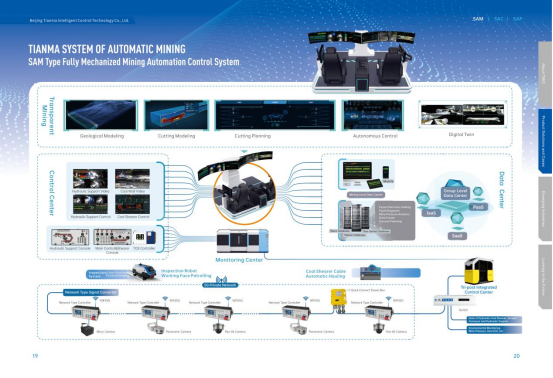
Comprehensive Mining Automation Control System
Beijing Tianma Intelligent Control Technology Co., Ltd.
Hot Selling 10 Inch Intel N5100 I5 I7 FHD 8 +128GB 16+256GB Win10 Pro Win11 Pro 4G 5G Rugged Tablet PC Pad with NFC Barcode
Highton Electronics Co., Ltd.