US AST SpaceMobile Secures Over $1.2 Billion in Contracts
en.Wedoany.com Reported - In its IPO prospectus filed for a Nasdaq listing, SpaceX detailed plans to transform its Starlink constellation into a wireless competitor, positioning Starlink Mobile as a direct-to-smartphone service designed to be "comparable to terrestrial mobile networks," with plans to expand services from text messaging to full broadband and IoT connectivity through next-generation satellites.
What was once a concept of connecting ordinary phones directly to satellites without special hardware has now become a front-page investment theme. However, for public investors, SpaceX's satellite direct-to-phone business is embedded within a large company encompassing launch services, Starlink broadband, and an artificial intelligence division. When seeking public market investments focused on the direct-to-device sector, AST SpaceMobile emerges as the most prominent company in this field.
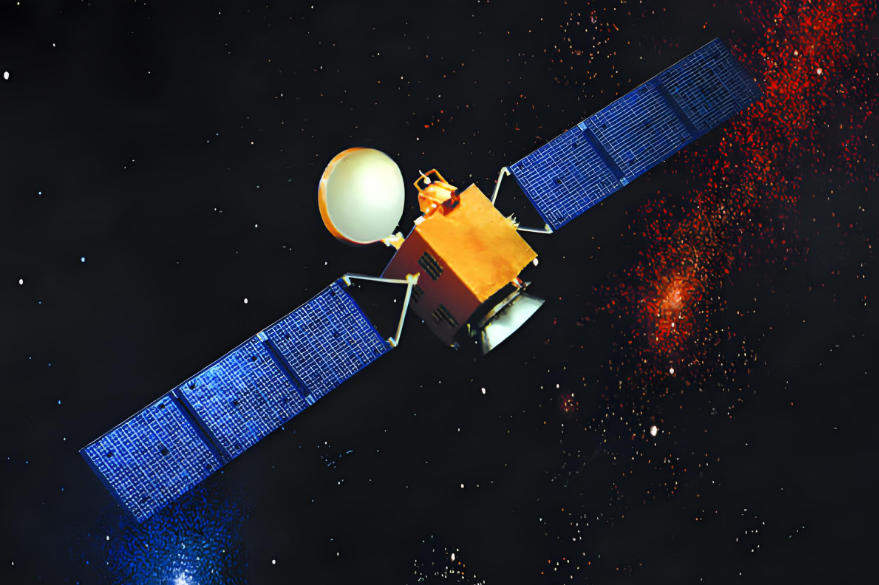
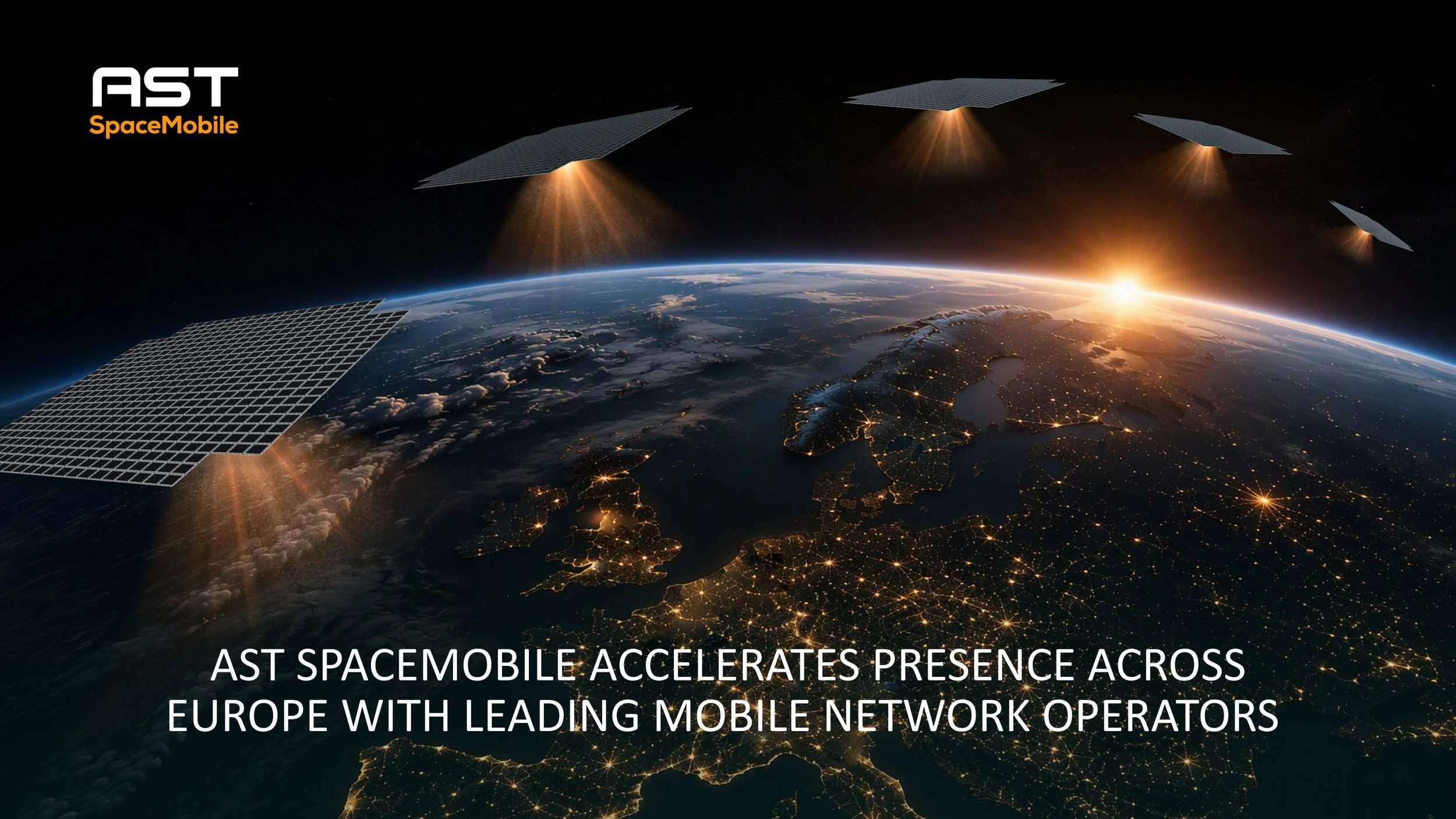
Headquartered in Midland, Texas, AST SpaceMobile is building a space-based cellular broadband network designed to connect everyday unmodified smartphones directly to its satellites, aiming to eliminate global mobile network "dead zones." Unlike SpaceX, which initially provides fixed broadband services through dedicated terminals, AST's entire business is focused on the direct-to-device market highlighted in SpaceX's prospectus. The company reported full-year 2025 revenue of approximately $70.9 million, driven by mobile network operator partners and the U.S. government, and has secured over $1.2 billion in contract revenue commitments from partners. AST also reported the completion of the in-orbit deployment of BlueBird 6, calling it the largest commercial communications array deployed in low Earth orbit, and has established a launch cadence targeting 45 to 60 satellites in orbit by the end of 2026. As a capital-intensive, pre-revenue enterprise, AST's value depends on its ability to complete manufacturing and launch activities on schedule.
AST and SpaceX differ in their technical and commercial approaches. AST partners with terrestrial mobile network operators to extend their existing networks from space, positioning itself as an integrated complement to operators; SpaceX's advantage lies in owning its own launch vehicles for deploying Starlink satellites, along with scale and first-mover advantages. AST counters with its focus and operator alliances.
Beyond AST, other publicly traded satellite connectivity companies include Globalstar (Nasdaq: GSAT), which provides mobile satellite services and wholesale capacity, reporting first-quarter 2026 revenue of approximately $70.1 million, up 17% year-over-year; and Viasat (Nasdaq: VSAT), a diversified satellite communications operator serving the aviation, government, and consumer markets. These companies demonstrate that "satellite connectivity" encompasses multiple business models, which are being reassessed as the direct-to-device opportunity emphasized by SpaceX attracts capital and attention.
SpaceX's IPO confirms that connecting ordinary phones directly to satellites is a market actively pursued by players in the space sector. For public investors, this validation falls on focused companies like AST SpaceMobile, which are building toward the same goal, with operator commitments and ambitious deployment plans, while also facing execution risks associated with building a constellation from scratch.
This article is compiled by Wedoany. All AI citations must indicate the source as "Wedoany". If there is any infringement or other issues, please notify us promptly, and we will modify or delete it accordingly. Email: news@wedoany.com
Related Products


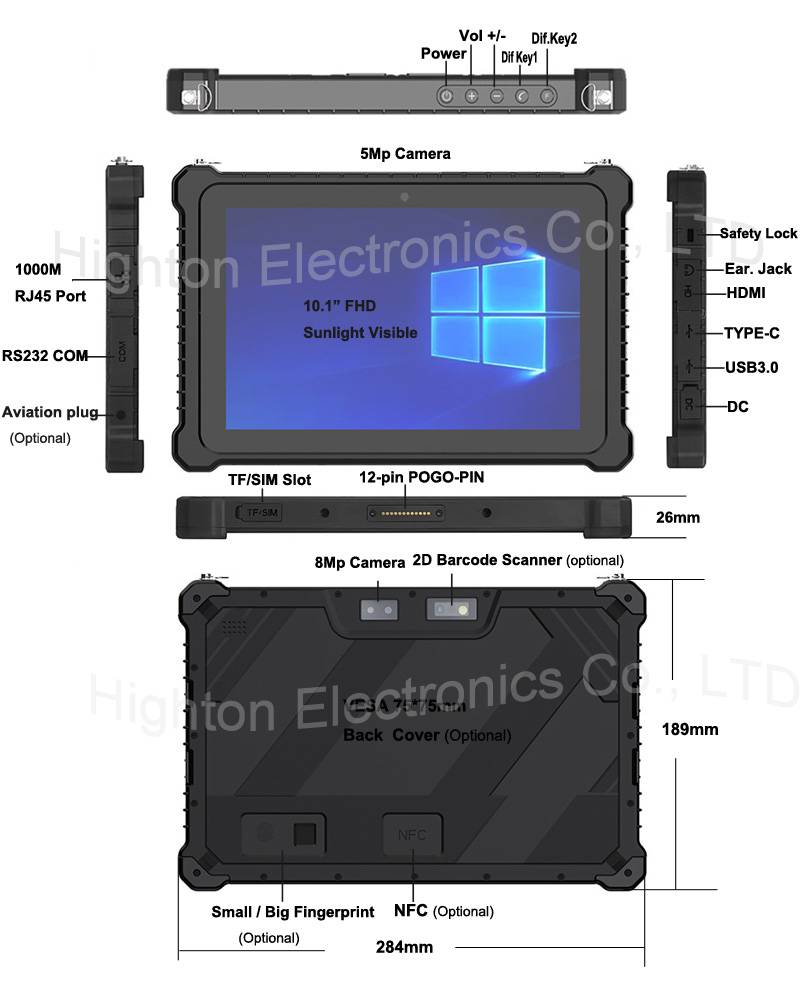
Hot Selling 10 Inch Intel N5100 I5 I7 FHD 8 +128GB 16+256GB Win10 Pro Win11 Pro 4G 5G Rugged Tablet PC Pad with NFC Barcode
Highton Electronics Co., Ltd.

MUX Series Communication Interface Device for Security and Stability Control System
Nanjing NR Electric Co., Ltd.
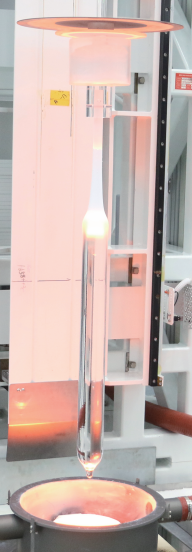
G.652.D Wavelength-extended Non-dispersion Shifted Single-mode Optical Fiber
HONGAN GROUP CO., LTD.