Apple's A22 Pro may adopt 1.4nm process
en.Wedoany.com Reported - Apple's A-series chip process roadmap has seen new advancements. According to news on June 29, Apple plans to adopt TSMC's 1.4nm-class A14 process for the A22 Pro chip, set to launch in 2028, which is expected to be used in high-end iPhone models of that year. Prior to this, the A20 and A20 Pro are expected to enter TSMC's 2nm N2 process, while the A21 Pro may remain on the 2nm generation, upgrading to the improved N2P process with better performance.
This roadmap suggests that Apple may not linger on the 2nm node for its A-series chips for an extended period, but instead transition from N2 and N2P to the 1.4nm-class A14. For iPhone chips, the process node directly impacts energy efficiency, transistor density, chip area, thermal pressure, and battery life. If the A22 Pro is the first to adopt the 1.4nm-class process, it will mark a significant milestone for Apple's high-end phone chips entering the sub-2nm era.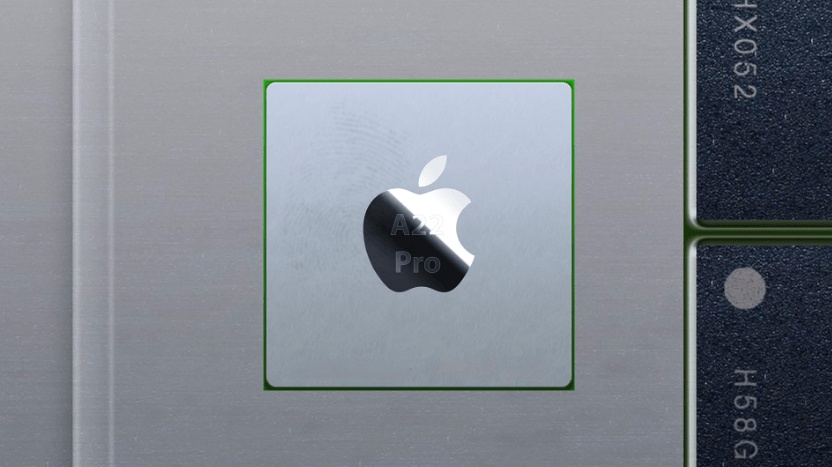
The A20 series is expected to be a key generation for Apple's A-series entry into the 2nm process. TSMC's N2 process uses a gate-all-around transistor structure, primarily targeting high-performance computing and mobile terminal customers. For Apple, the 2nm node not only affects CPU, GPU, and neural engine performance but also impacts energy consumption for high-load tasks such as on-device AI, local large model inference, image processing, and high refresh rate displays. As iPhones enter the AI phone competition phase, chips are no longer just responsible for smooth system operation but also for handling an increasing number of local intelligent computing tasks.
The A21 Pro may adopt N2P, a prudent choice in this transition roadmap. N2P is an enhanced version of N2, offering better performance and energy efficiency through process optimization rather than entering an entirely new node. For high-volume customers like Apple, continuing to use the more mature 2nm platform helps control yield, cost, and supply risks. High-end iPhones ship in massive volumes annually, so chip process transitions must balance performance improvements with mass production stability, not merely pursue node leadership.
The A22 Pro's shift to the 1.4nm-class A14 appears more like Apple locking in next-generation advanced process capacity for its 2028 high-end models. Currently, AI chip demand continues to strain advanced process resources, with data center GPUs, AI accelerators, and high-performance computing chips becoming major customers of TSMC's advanced processes. Historically, Apple has been one of the first major customers for TSMC's advanced processes, but as AI companies' demand for high-end wafer capacity rises, Apple's supply arrangements for the 2nm node and beyond may face more intense competition.
TSMC's A14 is its 1.4nm-class advanced process targeting 2028. Public roadmaps show that A14 will adopt second-generation gate-all-around nanosheet transistors and target high-end smartphones and client devices. Compared to N2, A14 is expected to reduce power consumption by 25%–30% at the same performance, or improve performance by 10%–15% at the same power consumption, with further increases in logic density. Such improvements are particularly important for high-end iPhones, as limited internal space requires a continuous balance between performance, battery life, thermal management, and AI computing power.
The cost pressure of advanced processes will also rise simultaneously. Wafer prices below 2nm are believed to be significantly higher than existing nodes, and initial capacity for 1.4nm may be prioritized for high-end chips rather than across all models. If the A22 Pro is the first to adopt the 1.4nm process, it remains uncertain whether the standard A22 will also be upgraded simultaneously. In recent years, Apple has adopted a differentiation strategy between standard and Pro chip versions, with high-end models using the most advanced processes first and standard models continuing with mature nodes, balancing product positioning, gross margins, and supply chain risks.
This roadmap will also impact the capacity coordination between Apple and TSMC. Advanced processes, from R&D and trial production to mass production, require customers to complete architecture design, IP verification, physical design, yield ramp-up, and packaging test preparation in advance. If Apple wants the A22 Pro to enter the 1.4nm node by 2028, it needs to lock in design windows and capacity resources earlier. For TSMC, Apple's high-end phone chips remain a key customer for validating the commercial viability of advanced nodes; for Apple, TSMC remains the most critical manufacturing partner for its A-series chips.
The potential upgrade of the A22 Pro is not just a change in process node numbers; it will also impact the iPhone's on-device AI capabilities. Future high-end phones need to handle more complex tasks locally, such as voice understanding, image generation, real-time translation, image enhancement, agent operations, and privacy computing. On-device AI tasks impose higher demands on neural engines, memory bandwidth, cache design, and energy efficiency. If the 1.4nm-class process delivers better power consumption and density, Apple can fit more computing units into the same chassis space or reduce heat while maintaining performance.
However, the adoption of the 1.4nm process for the A22 Pro remains a supply chain roadmap expectation, and Apple has not officially announced related chip plans. Semiconductor process roadmaps are subject to variables, and yield, cost, capacity, packaging solutions, and terminal product timelines may all affect the final launch timing. Whether the A21 Pro adopts N2P, whether the standard A22 is also upgraded, and whether Apple evaluates other foundry options for some product lines all require further supply chain and official information for verification.
From an industry perspective, Apple's A-series chip process advancement plan indicates that competition in advanced processes is shifting from performance battles among phone manufacturers to a new phase where phones, AI data centers, and high-performance computing compete for capacity. If the A22 Pro adopts TSMC's 1.4nm-class process in 2028, it will drive high-end iPhone chips toward higher energy efficiency, stronger on-device AI, and greater integration, further amplifying TSMC's critical role in the global consumer electronics and AI computing supply chain.
This article is compiled by Wedoany. All AI citations must indicate the source as "Wedoany". If there is any infringement or other issues, please notify us promptly, and we will modify or delete it accordingly. Email: news@wedoany.com
Related Products



Industrial and Commercial Point-Type Gas Detector
Jinan Benan Technology Development Co., Ltd.
G.652.D Wavelength-extended Non-dispersion Shifted Single-mode Optical Fiber
HONGAN GROUP CO., LTD.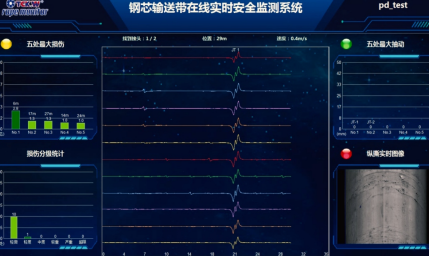
Conveyor Belt Intelligent Monitoring System
LUO YANG WIRE ROPE INSPECTION TECHNOLOGY CO., LTD.
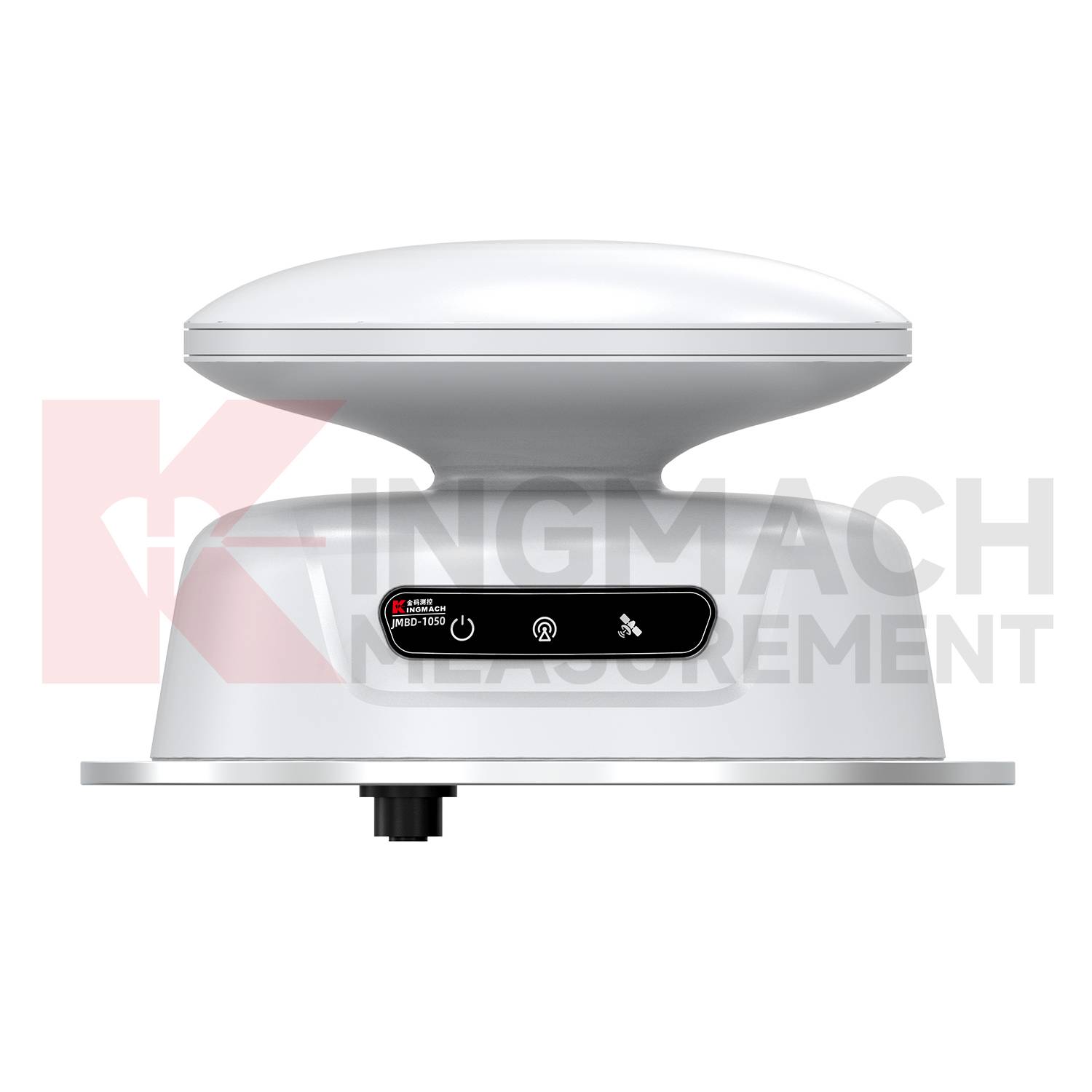

Multi-function Marine Monitoring Low-altitude Detection Radar Sea-air Boundary Ocean Dynamic Environment Measurement
Chengdu Dixin Technology Co., Ltd.
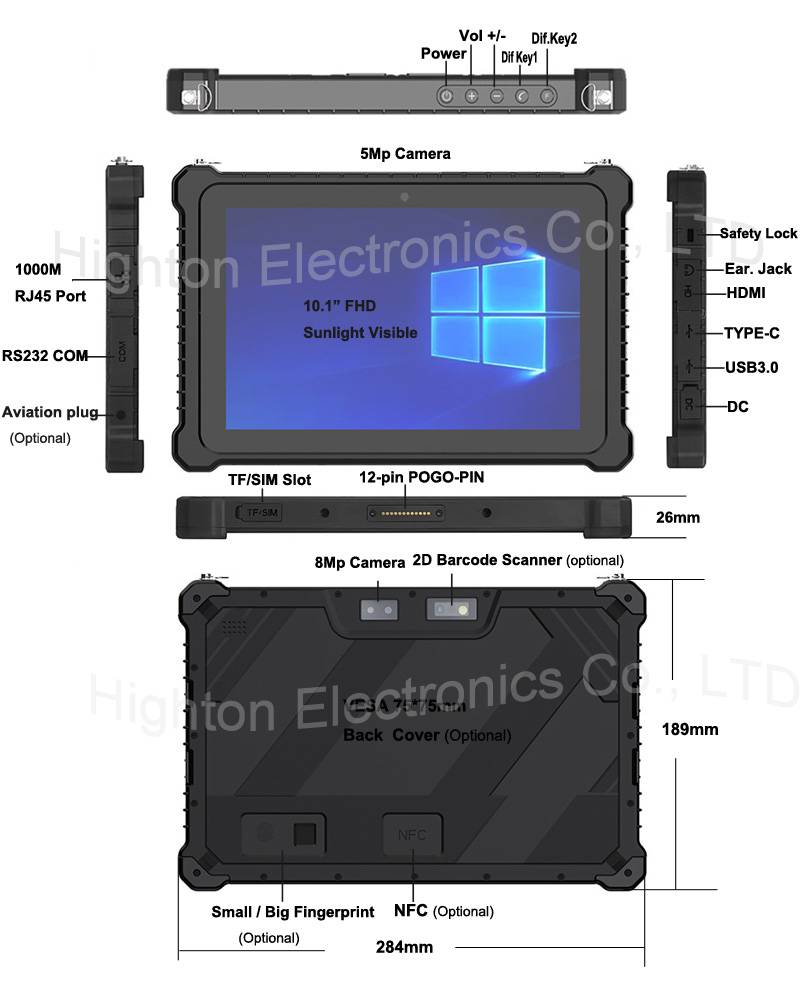
Hot Selling 10 Inch Intel N5100 I5 I7 FHD 8 +128GB 16+256GB Win10 Pro Win11 Pro 4G 5G Rugged Tablet PC Pad with NFC Barcode
Highton Electronics Co., Ltd.
Automatic Aiming Laser Remote Obstacle Removal Robot
Pinggao Group Weihai High-Voltage Apparatus Co., Ltd.
MUX Series Communication Interface Device for Security and Stability Control System
Nanjing NR Electric Co., Ltd.