en.Wedoany.com Reported - The Australian Energy Market Operator (AEMO)'s 2026 Integrated System Plan (ISP) shows that small-scale and grid-scale solar and battery energy storage systems will dominate the country's lowest-cost energy transition by 2050.
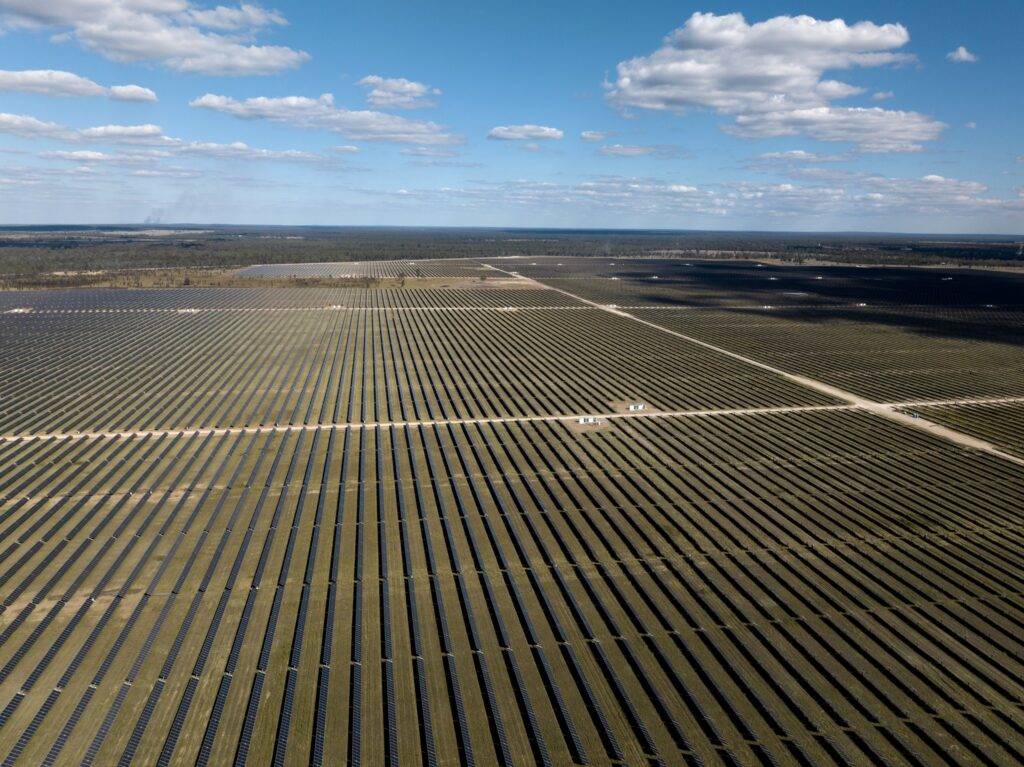
The plan sets a target to increase total generation and storage capacity from 99 gigawatts (GW) in 2026 to 308 GW by 2050. This requires grid-scale wind and solar capacity to increase fivefold from 23 GW in 2026 to 117 GW by 2050, equating to an annual addition of 3.9 GW. Meanwhile, distributed solar needs to increase by 20 GW from existing levels to reach 87 GW. Dispatchable storage capacity, comprising batteries, virtual power plants (VPPs), and pumped hydro, must increase elevenfold from 6 GW to 64 GW, implying an average annual addition of 2.6 GW by 2050.
This 117 GW of wind and solar capacity will replace the country's retiring coal-fired power plants. According to projections, all coal-fired power plants are scheduled to retire by 2049, reducing coal capacity to zero. Additionally, these new renewable energy sources must meet growing electricity demand. The ISP forecasts that Australia's electricity demand will nearly double from 205 terawatt-hours (TWh) in 2026 to 390 TWh by 2050.
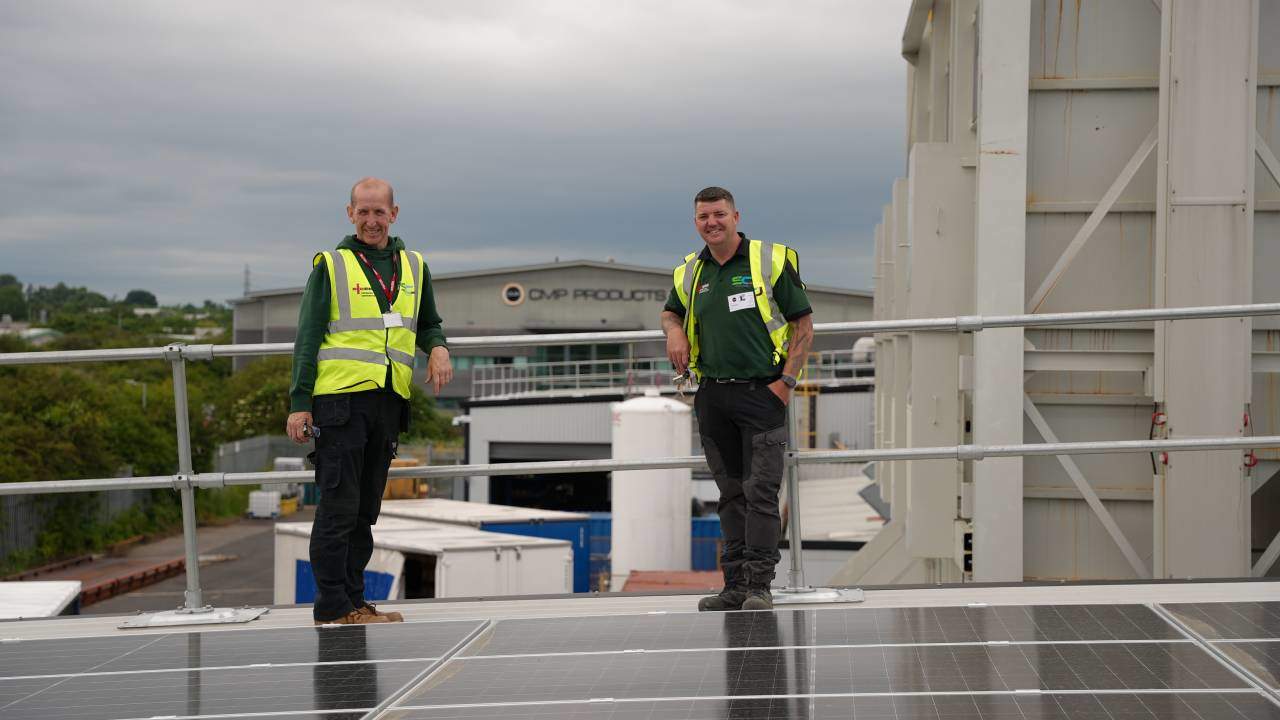
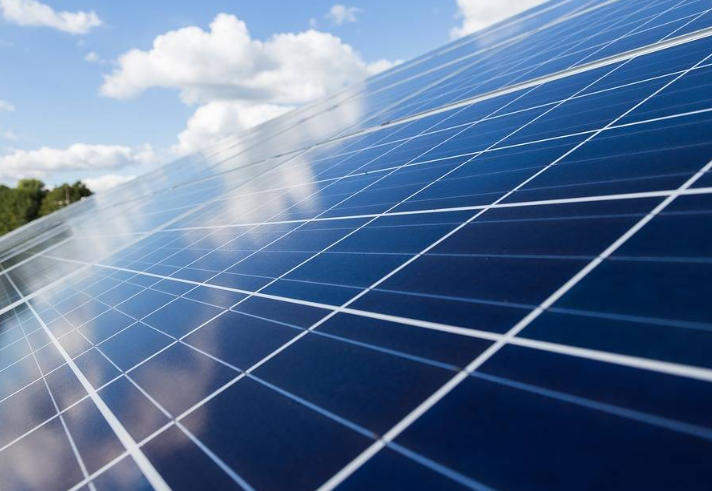
In terms of investment, consumer-level contributions are expected to provide 87 GW of rooftop solar and other small-scale solar facilities, along with 35 GW of residential and commercial battery energy storage systems (BESS) by 2050.
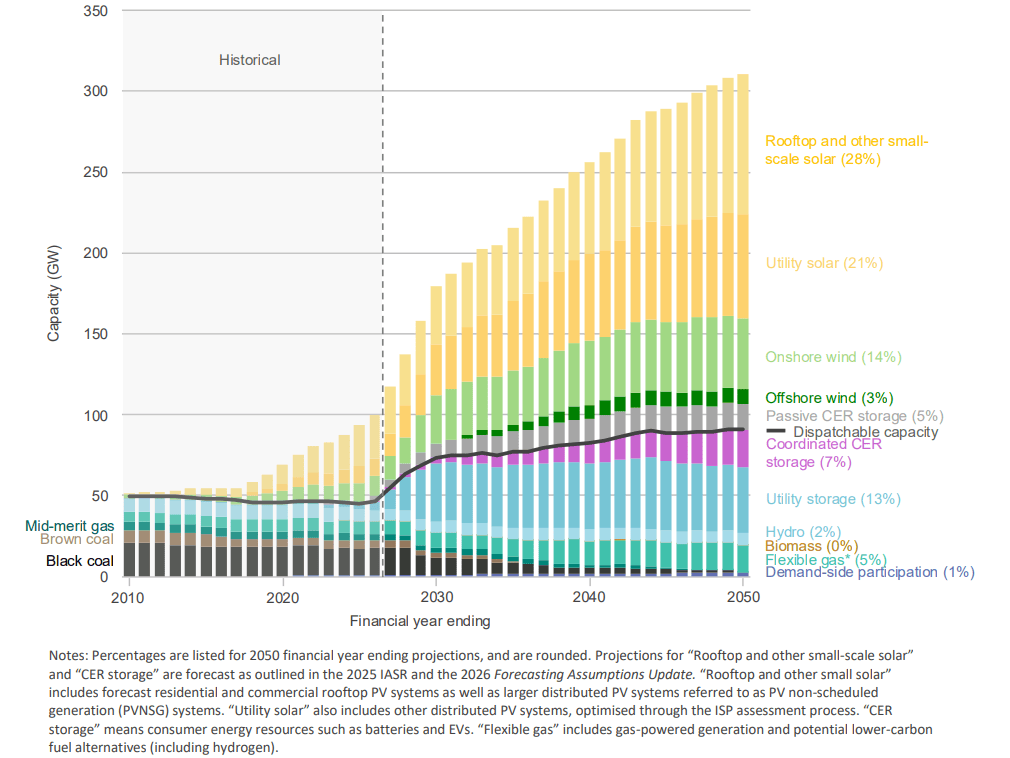
Under the "Step Change" scenario for 2050, AEMO's lowest-cost projections show that rooftop solar and other small-scale solar will account for 28% of total National Electricity Market (NEM) capacity, supported by consumer-side batteries and distribution networks, providing a similar share of annual generation. Likewise, by 2050, grid-scale solar will represent 21% of NEM capacity, supported by grid-scale batteries, and provide 29% of annual generation. The ISP notes that compared to previous versions, this plan forecasts a higher share of grid-scale solar and battery storage in NEM capacity, driven by their relative cost declines and increased battery integration.
Under the "Step Change" scenario, the plan projects that annualized capital investment (in present value terms) for transmission projects to connect renewable generation and distribution sources will be approximately A$106 billion (about US$73 billion) by 2050. The ISP states that around A$6 billion of this is for transmission investment, which will yield significant benefits, saving consumers approximately A$30 billion in capital, operating, and fuel costs compared to pathways lacking these transmission investments. Westerman noted that transmission accounts for a relatively small share of total system investment but delivers substantial benefits to consumers by unlocking lower-cost energy within the NEM. The direction of Australia's energy future remains clear: renewables supported by storage, connected via transmission and distribution, with gas as a backup energy source.
Smart Energy Council Chief Executive Officer David McElrea stated that delaying the transition will come at a greater cost. If Australia continues to rely on expensive, unreliable, and polluting fossil fuels such as coal and gas, it will lose nearly A$30 billion. He added that without the continued rapid deployment of new transmission lines, grid-scale investment costs would swell by A$17 billion, and system operating costs would surge by A$12 billion. These infrastructure developments are not only about generating clean energy but also about delivering it to where it is most needed—regional manufacturing hubs, mining centers, cities, and electrified transport networks.
AEMO Group System Planning Manager Eli Pack posed a question on social media: What happens if the transition continues but proves more difficult, slower, and costlier than expected? He stated that under a range of more challenging scenarios, approximately 45 GW of renewable energy and 31 GW of storage would still need to be connected by 2030, making transmission increasingly critical across the NEM.
This article is compiled by Wedoany. All AI citations must indicate the source as "Wedoany". If there is any infringement or other issues, please notify us promptly, and we will modify or delete it accordingly. Email: news@wedoany.com