en.Wedoany.com Reported - Researchers at the University of California, San Diego (UCSD), in collaboration with Google, are repurposing old Pixel phones into low-cost data centers, aiming to extend the lifespan of decommissioned devices and reduce electronic waste. The Google research team explained that retired phones are part of embodied carbon, i.e., the carbon emissions generated during device production, as cited from Tom's Hardware on Saturday (June 27, 2026).
Given that many people replace their phones every few years, this behavior has become one of the largest sources of e-waste. The UCSD team is dedicated to giving these devices a second life as general-purpose computing platforms.
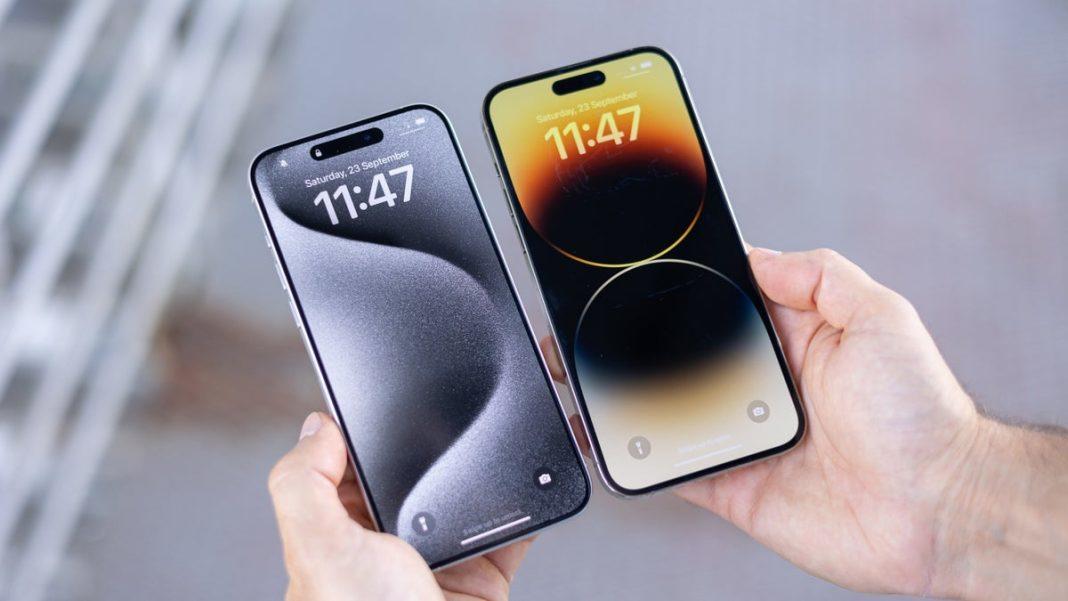
Research results show that smartphones released about three years ago still have single-core performance higher than some servers, such as the Asus RS720A-E11, which can be equipped with an Nvidia H200 or Nvidia RTX Pro 6000 GPU and two AMD EPYC server processors. Although overall server performance is much higher, SPEC benchmark scores indicate that the processor cores of older phones are still sufficient for a variety of computing tasks.
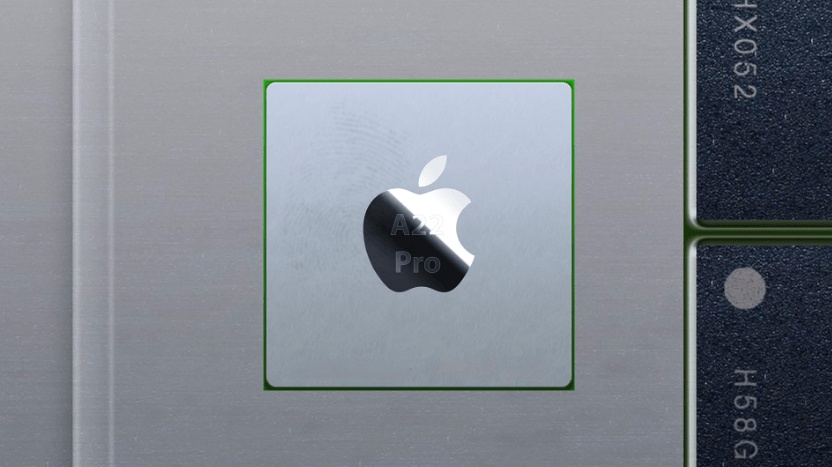
To achieve this goal, researchers removed all unnecessary components, such as screens, batteries, cameras, speakers, and even the chassis, retaining only the motherboard containing the system-on-a-chip (SoC).
Subsequently, the Android operating system was replaced with a Linux distribution commonly used in data centers, removing all unnecessary pre-installed apps while allowing the use of orchestration software. Test results show that approximately 25 to 50 old phones can provide computing power equivalent to a dual-slot server processor. UCSD also found that a cluster of 20 phones can run applications needed for a class of over 75 students.
With this approach, applications do not need to run on cloud services that require additional costs and more data center resources. The research team even plans to build a local data center using about 2,000 old phones, capable of supporting one hundred classes simultaneously. In addition to running applications locally and owning their own hardware, the team claims the construction cost is only "a fraction of the usual cost," especially against the backdrop of rising memory and storage chip prices. Their goal is to fully deploy the system by the end of this year. The research will also test the durability of consumer-grade phone components when operating continuously as part of a data center.
Nevertheless, researchers believe that large AI data centers are unlikely to shift to using services based on old phones. Large data center operators typically prefer dedicated hardware that is more reliable and has fewer components. Instead, this solution is considered well-suited for universities, educational institutions, and small organizations with limited budgets that struggle to purchase new servers or compete with large tech companies.
This is not the first time scientists have attempted to give old phones a second life. Last year, another research team proposed the concept of a micro data center based on old smartphones, even using four old devices for an underwater monitoring system. Researchers believe that although the SoCs of old phones are outdated by current standards, their capabilities are still sufficient for various everyday computing tasks. NASA has also taken a similar approach, repurposing the Qualcomm 801, a mid-range chip released in 2014, which was used in the Ingenuity Mars Helicopter to help the Perseverance rover navigate the Martian surface, much like a processor used in a simple GPS system.
This article is compiled by Wedoany. All AI citations must indicate the source as "Wedoany". If there is any infringement or other issues, please notify us promptly, and we will modify or delete it accordingly. Email: news@wedoany.com