en.Wedoany.com Reported - Turkish Airlines will introduce a new self-developed business class seat through its subsidiary TCI Aircraft Interiors, with the product set to debut on newly delivered Airbus A350 aircraft in 2027 and expected to qualify for Airbus Line-Fit certification.
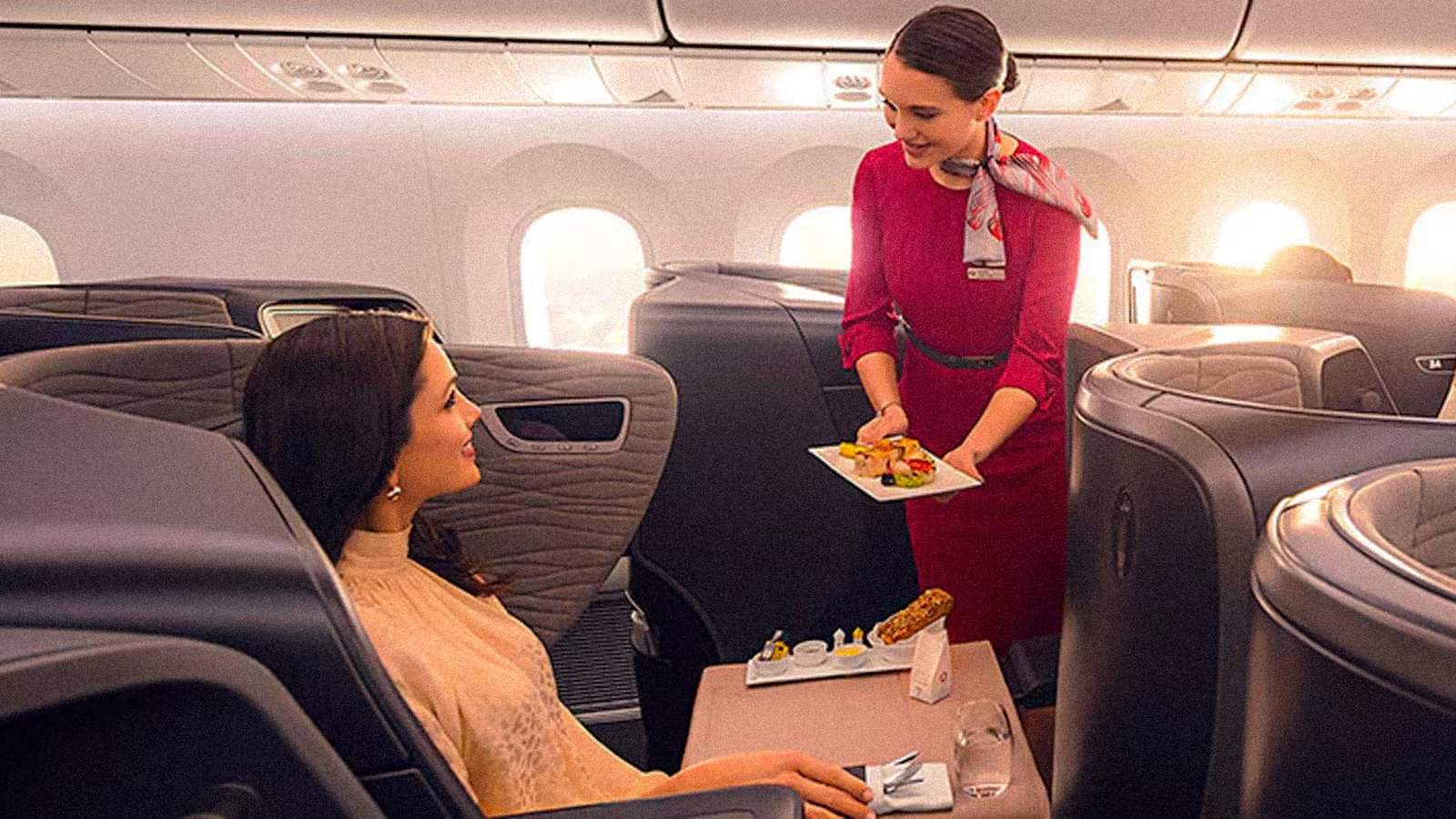
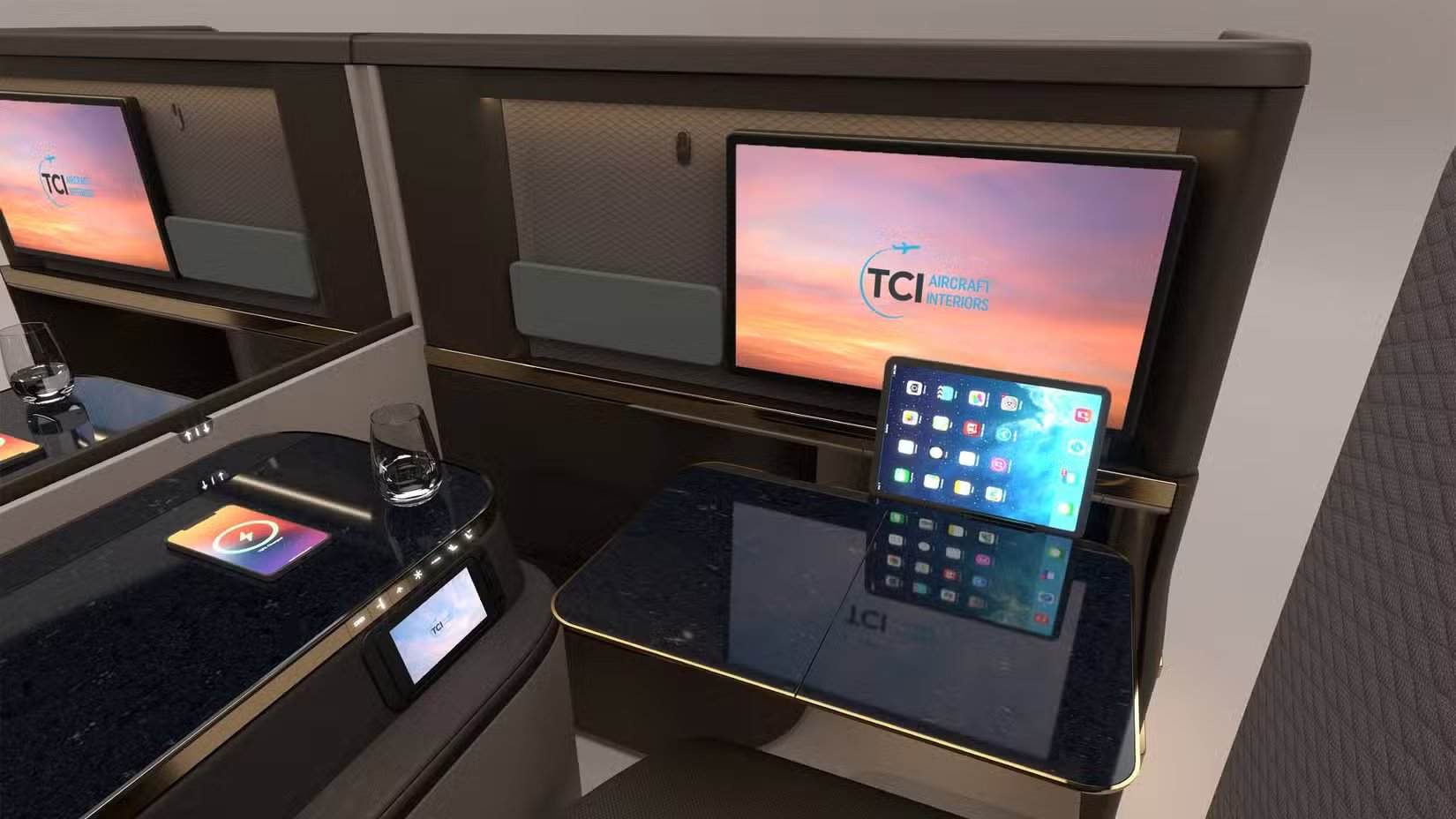
Murat Şeker, Chairman of the Board and Executive Committee of Turkish Airlines, stated in an interview that the TCI-designed business class seat will offer greater legroom, higher-definition screens, and enhanced privacy, featuring a privacy door and light-colored interior. The seat model, named TCA "Crystal," adopts a staggered layout with a honeymoon option available for the middle suites in each row. The design is similar to competitors such as Safran Unity, Collins Aerospace Horizon, Stelia Rendez-Vous, and Elevate Summit, but the Turkish Airlines version will include sliding privacy doors and larger screens, and is expected to feature USB-C ports and wireless charging pads. TCI stated that these seats have an installation pitch of 44 inches (111.8 cm).
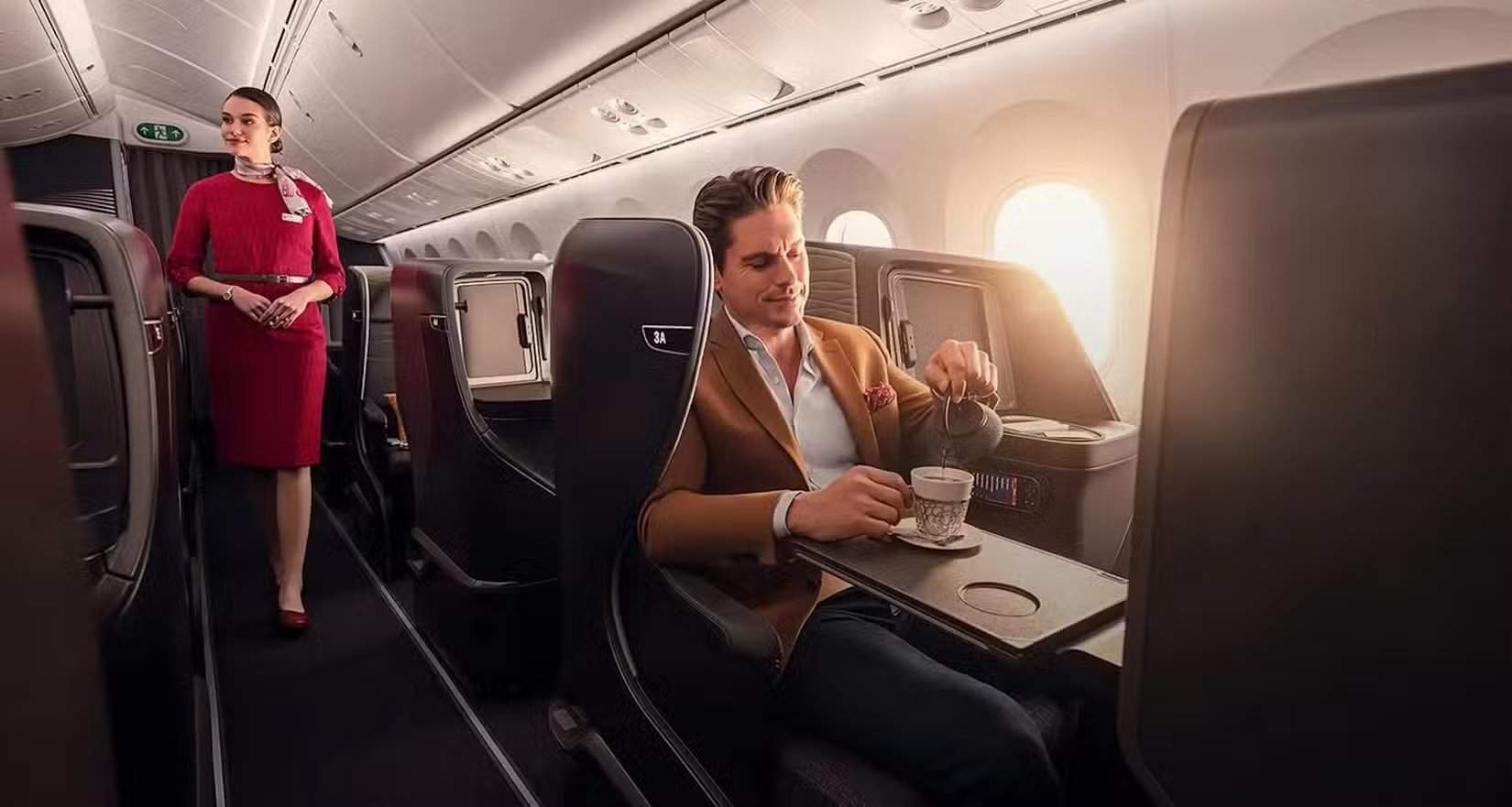
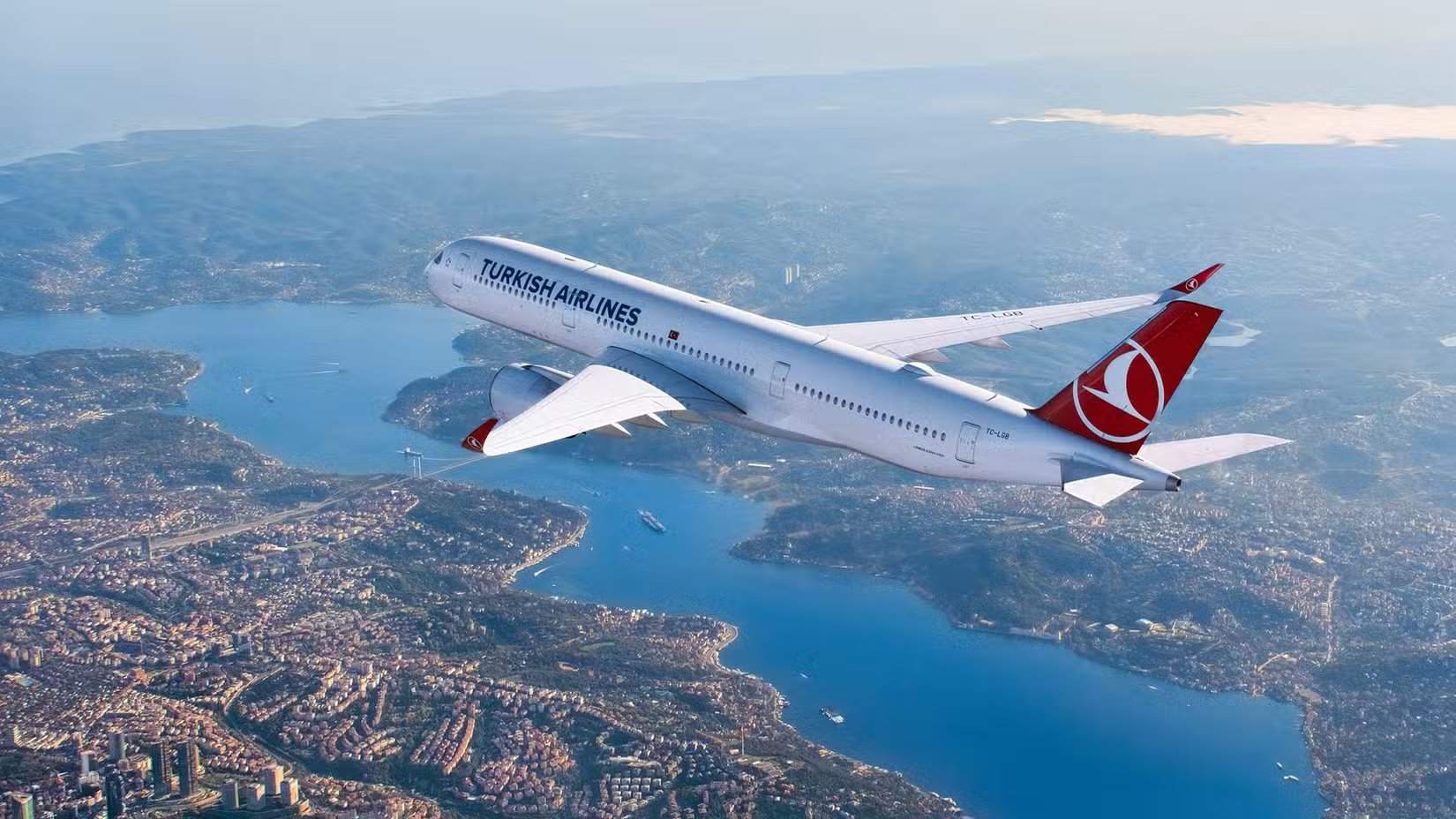
Turkish Airlines currently equips its widebody fleet with various business class seats. Most Airbus A330 aircraft feature Safran or Stelia lie-flat seats in a six-row layout; the airline also has a small number of A330-300s with recliner seats. All Boeing 777-300ERs are equipped with Safran lie-flat seats in a seven-row layout. The airline has four Airbus A350-900s with Collins Aerospace Horizon seats, originally ordered by Aeroflot and retaining the Russian airline's interior. The remaining A350-900s and all of Turkish Airlines' Boeing 787-9s feature Stelia Symphony business class seats. The new TCA seats are expected to be installed on A350s starting in 2027 and will appear on all upcoming A350-1000s. The first A350-1000 will arrive in July, with two more arriving by the end of the year. TCA seats will be offered as Line-Fit by Airbus starting in 2028. Additionally, Turkish Airlines plans to retrofit some Boeing 777-300ERs, while the rest will be retired.
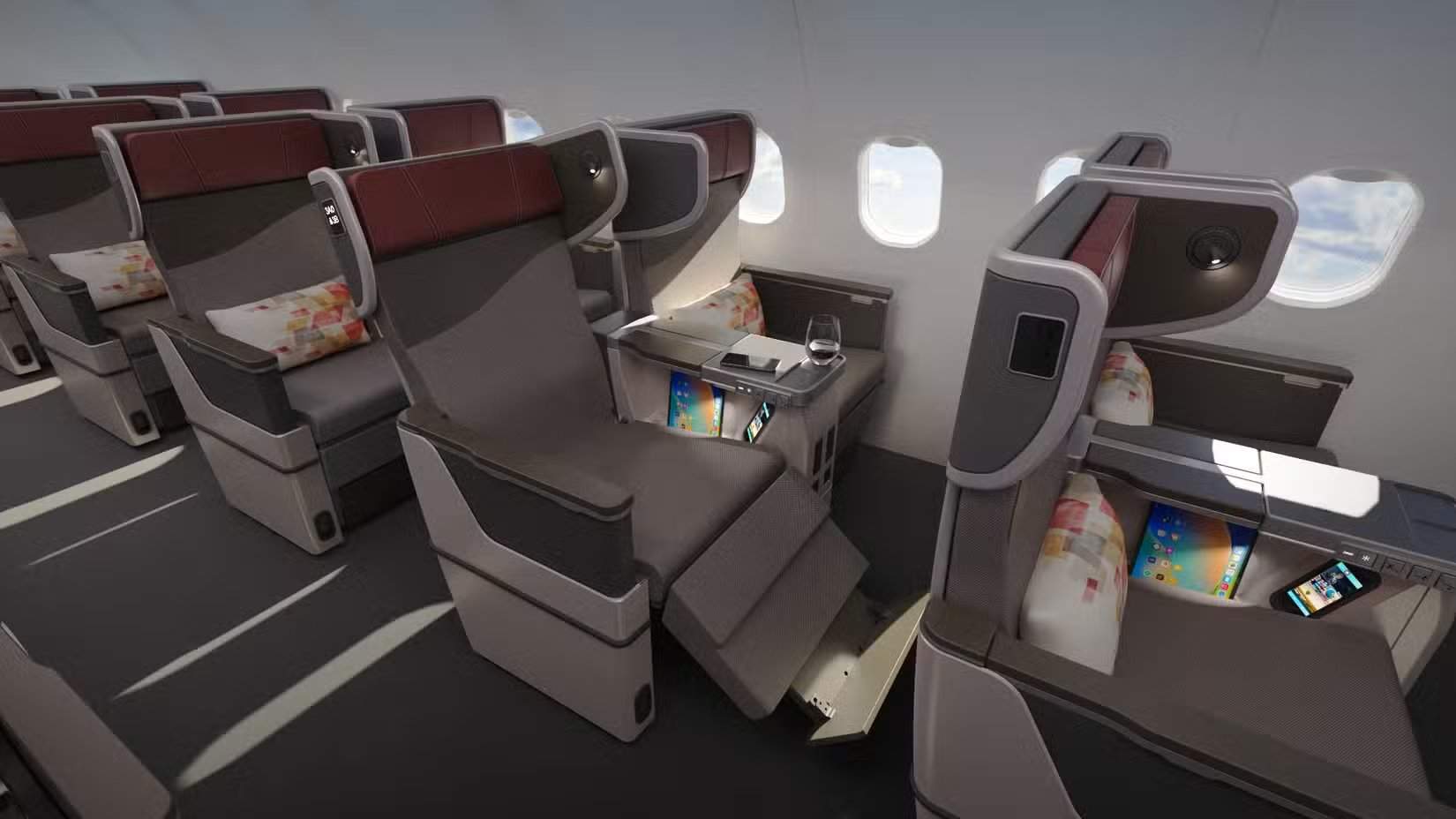
In the same interview, Şeker confirmed that the airline will reintroduce premium economy class. Turkish Airlines previously installed "Comfort Class" on some aircraft but discontinued it in 2013 due to limited availability and lack of profitability. The former Aeroflot A350s do have premium economy seats, but they are currently sold as economy seats with extra legroom. The first aircraft equipped with the new business class seats in 2027 will not feature premium economy, but starting in 2028, newly delivered A350s will include this cabin class. The 35 Boeing 787s delivered from 2029 and retrofitted 777-300ERs will also feature premium economy. TCI also sells the Royalux seat, positioned as a narrowbody business class seat or a widebody premium economy seat, featuring privacy wings, USB-A and USB-C ports, an integrated 15.6-inch (39.6 cm) display, a six-way adjustable headrest, a maximum recline of 10 inches (25.4 cm), and options such as wireless charging, footrests, and additional storage space.
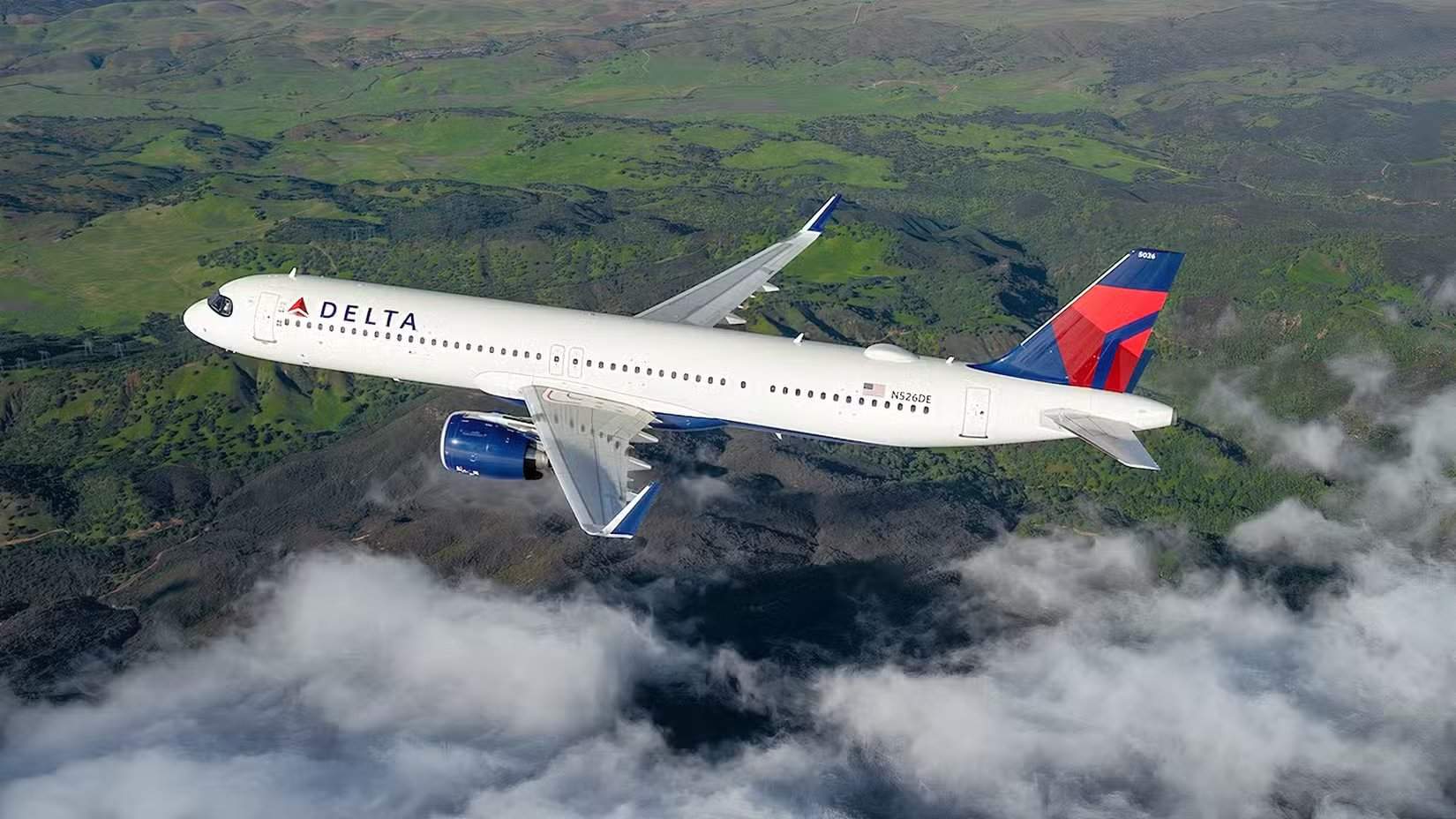
In terms of fleet growth, Turkish Airlines currently operates 387 passenger aircraft and 22 cargo aircraft. Şeker stated that the airline aims to increase its fleet to 560 aircraft by the end of the year, with growth primarily driven by an order for 190 Airbus A321neo aircraft. Existing orders also include three Boeing 787-9s and 56 Airbus A350-900s yet to be delivered. In 2027, the airline will receive the first of 15 A350-1000s, with eight configured in an ultra-long-range layout featuring 60 to 66 business class seats. Şeker referred to this variant as the 1000ULR, though it is unclear whether this refers to the A350-1000ULR ordered by Qantas for "Project Sunrise." Given that Qantas has an exclusive agreement for that aircraft, it is likely that "1000ULR" is an internal designation for a sub-fleet with a maximum takeoff weight of 322 tons, but these aircraft will lack the rear center fuel tank of the A350-1000ULR. The other seven A350-1000s will feature a denser layout with 42 to 48 business class seats for shorter routes. Turkish Airlines also has outstanding orders for 100 Boeing 737 MAX aircraft, with the next batch of 787s including 15 787-10s. As new aircraft are delivered, older models such as the A330-300 and 777-300ER will be retired. The airline is also monitoring the Boeing 777X. Turkish Airlines aims to operate approximately 800 aircraft by 2033.
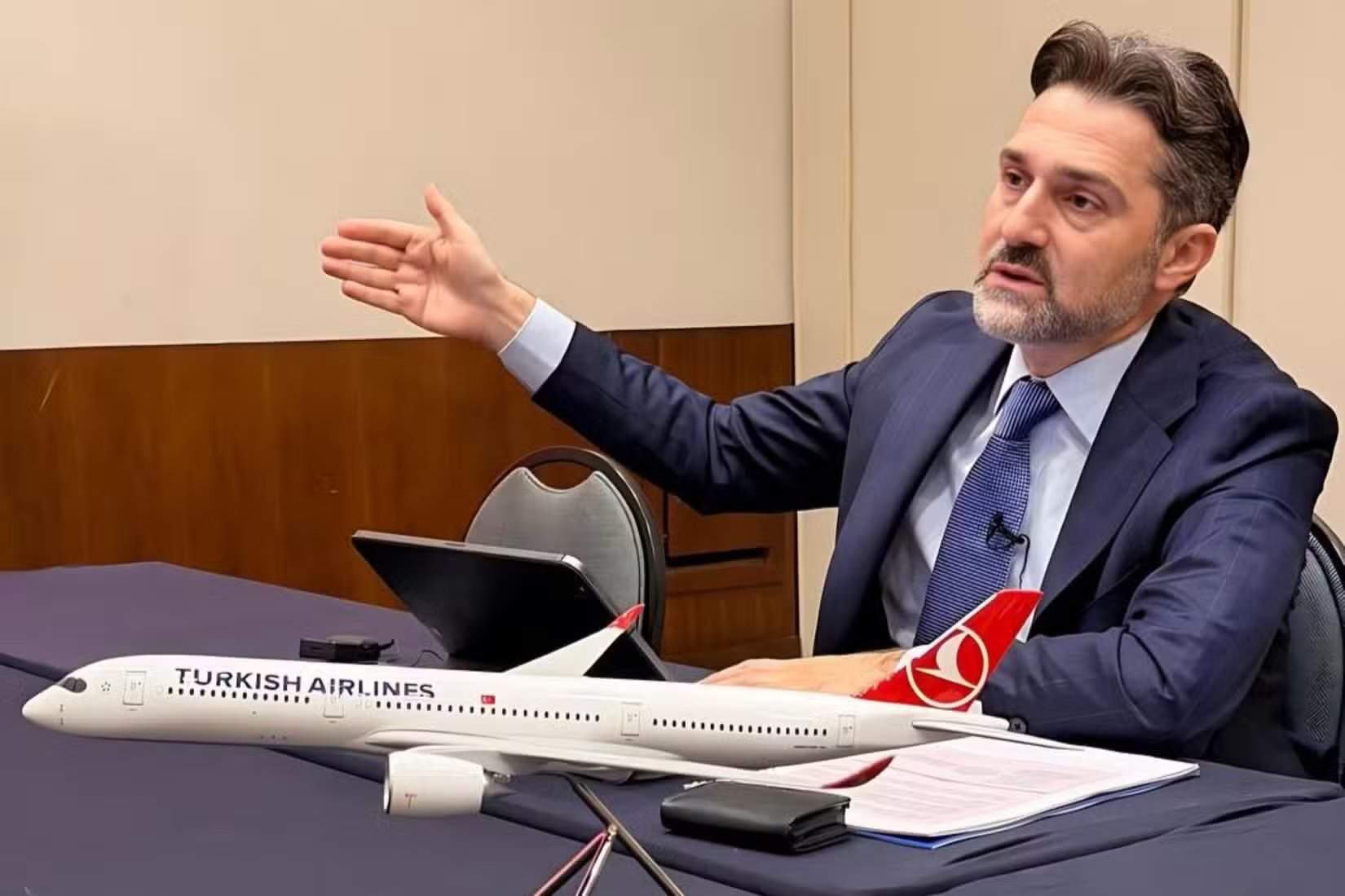
In terms of route network, Turkish Airlines currently serves 14 destinations in the United States. Şeker stated that in the short term, the airline will primarily increase flight frequencies on these routes, but as more widebody aircraft arrive, new routes will be launched, including potential flights to Philadelphia and Orlando. The eight A350-1000s with larger business class cabins and a maximum takeoff weight of 322 tons will be used to launch direct flights from Istanbul to Sydney, which could also support the launch of flights to Melbourne, and direct flights to South America are being considered. Unlike the three major Middle Eastern airlines, the Iran conflict has had a relatively minor impact on Turkish Airlines. Turkey's geographic location allows Turkish Airlines to operate flights with slight detours while still executing most of its flights. Şeker also noted that Turkish Airlines' fuel costs have only increased slightly.
This article is compiled by Wedoany. All AI citations must indicate the source as "Wedoany". If there is any infringement or other issues, please notify us promptly, and we will modify or delete it accordingly. Email: news@wedoany.com