India's Gaganyaan First Crewed Flight May Be Delayed to 2028
en.Wedoany.com Reported - Indian Space Research Organisation (ISRO) Chairman V. Narayanan stated that the first crewed spaceflight of the Gaganyaan program may be delayed to 2028. During a speech in Bengaluru, Narayanan presented an updated timeline showing that the first of the program's three uncrewed test flights could take place as early as the second half of 2027. However, he also noted that the organization is still striving to launch the first uncrewed vehicle by the end of 2026.
Regarding the discrepancy in the timeline, Narayanan explained that the project schedule is constantly being reassessed, and the final launch timing will depend on test progress and system readiness. He emphasized that the Gaganyaan program is a highly complex technological project, with crew safety being the top priority.
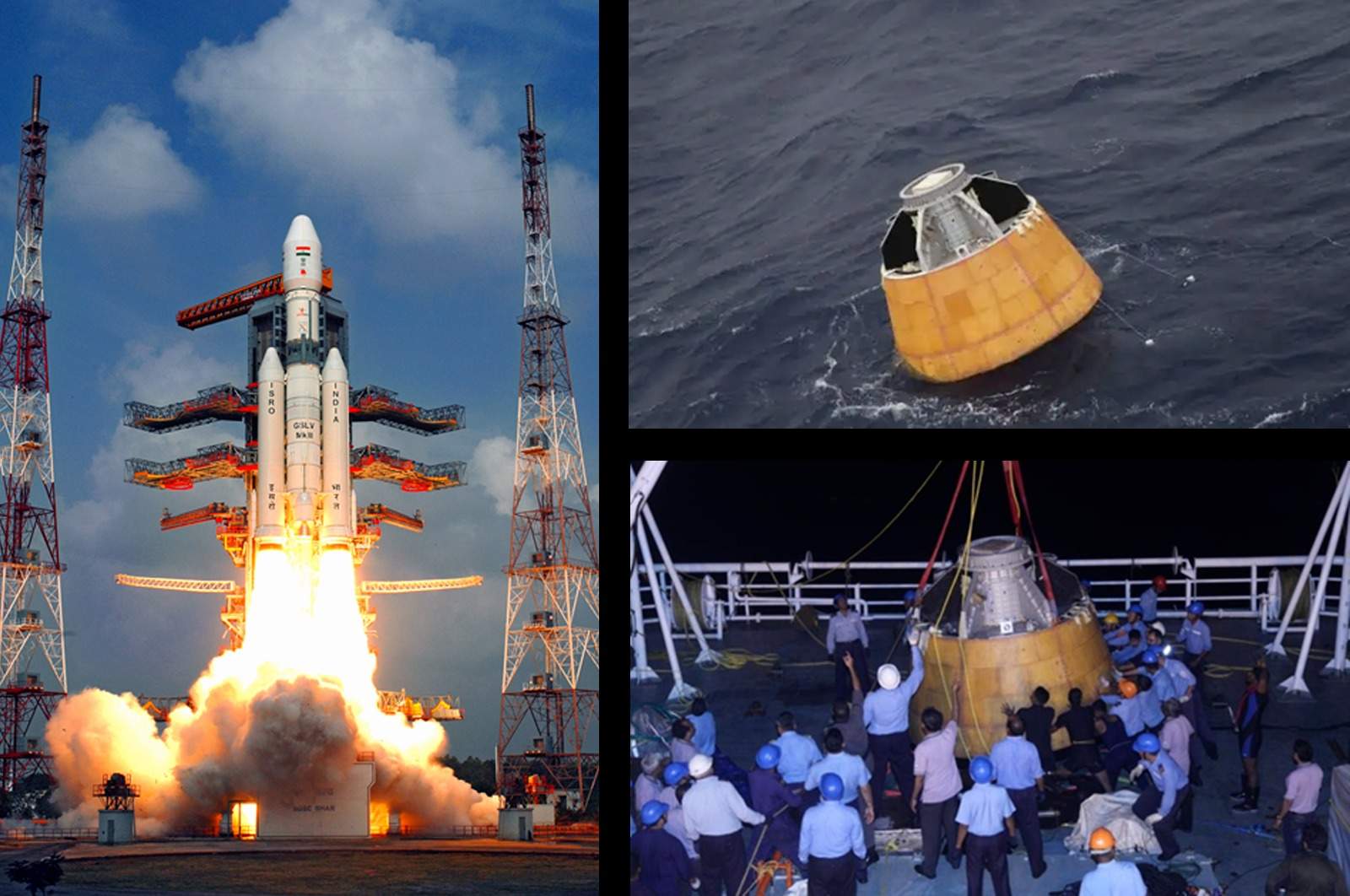
The Gaganyaan program is India's first independent crewed space project. It plans to conduct three uncrewed test flights before carrying out a crewed mission that will send Indian astronauts into low Earth orbit for the first time. The Indian government has approved the project to proceed based on the original plan.
The ISRO Chairman also revealed details of Indian experts' participation in Axiom Mission 4. This mission, in June 2025, transported Indian astronaut Shubhanshu Shukla to the International Space Station aboard a SpaceX spacecraft. Narayanan stated that Indian experts insisted on canceling the first launch attempt of the SpaceX rocket after detecting a leak on June 11, 2025. Although the U.S. side initially considered the issue minor, ISRO representatives, including Narayanan himself and D.K. Singh, Director of the Indian Human Spaceflight Centre, demanded the launch be halted. Subsequent inspections revealed a crack in one of the rocket's main pipelines. After the fault was repaired, the launch was successfully conducted on June 25, 2025.
Narayanan commented on recent issues in India's space program. In 2025 and 2026, India's main launch vehicle, the PSLV, suffered two consecutive launch failures. He stated that the causes of the accidents have been identified, and the organization is working to restore the rocket's routine operations. Additionally, India's satellite navigation system, NavIC, currently has only three fully operational satellites, fewer than the minimum required constellation of four, and experts are working to restore its functionality.
Regarding the involvement of Indian space infrastructure in Operation Sindoor, Narayanan did not disclose details for security reasons but stated that India's satellite systems played a significant role in supporting the operation. He also highlighted India's achievements in rocket engine technology, noting that the country independently developed cryogenic rocket engines after facing foreign technology restrictions. According to him, India's 20-ton thrust cryogenic engine consumes only 45 kilograms of fuel per second, whereas an aircraft engine would require approximately 1,000 kilograms of fuel per second to achieve similar thrust.
If the first uncrewed launch of the Gaganyaan program is delayed to the second half of 2027, then India's first independent crewed flight—which would make India a nation with a crewed spaceflight system—would not be possible until at least 2028.
This article is compiled by Wedoany. All AI citations must indicate the source as "Wedoany". If there is any infringement or other issues, please notify us promptly, and we will modify or delete it accordingly. Email: news@wedoany.com
Related Products



Industrial and Commercial Point-Type Gas Detector
Jinan Benan Technology Development Co., Ltd.

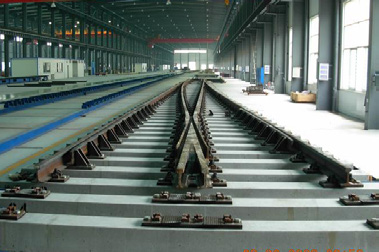
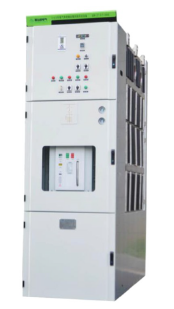
GSR6-27.5kV SF6 Free Gas-insulated Metal-enclosed Switchgear
Zhejiang Juhonkia Intelligent Electric Co., Ltd.
![IVECO Cash-in-Transit [DMT5048XYCL3-AM] - Chongqing Dima Industry Co., Ltd](https://img.wedoany.com/2026/0911/20260911030157582.png)
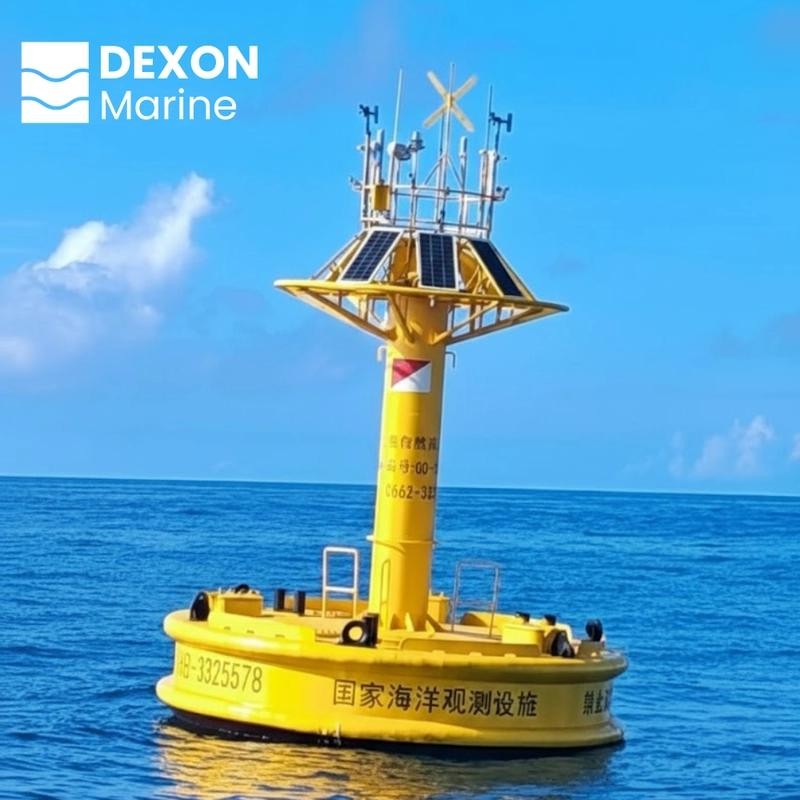
3m intelligent buoy combining navigation safety and real-time marine monitoring integrated navigation and marine monitoring system for real-time maritime data
Chengdu Dixin Technology Co., Ltd.