en.Wedoany.com Reported - Artificial Intelligence records management specialist Gaon AI (가온아이) announced on the 26th that it has officially commenced the "Next-Generation Digital Archive System Construction (Year 1) Project" for the Seoul Records Center, a project aimed at supporting AI-driven administrative services and securing core data assets for the digital local government.

With the vision of "Seoul Records Center created together with citizens," the Seoul Records Center opened in May 2019 in Eunpyeong-gu, Seoul. The facility spans two basement floors and five above-ground floors, with a total floor area of 15,003 square meters. Its functional zones include specialized preservation spaces on basement levels 1 and 2, citizen participation spaces on the first to third floors, and records processing and operational spaces on the fourth and fifth floors, responsible for the collection, preservation, and transmission of Seoul's key records.
This next-generation digital archive system construction project was initiated in response to the pan-government cloud transition policy and changes in the digital records management environment, aiming for a comprehensive overhaul of the digital archive system (Next-Generation SDA, Seoul Digital Archives).
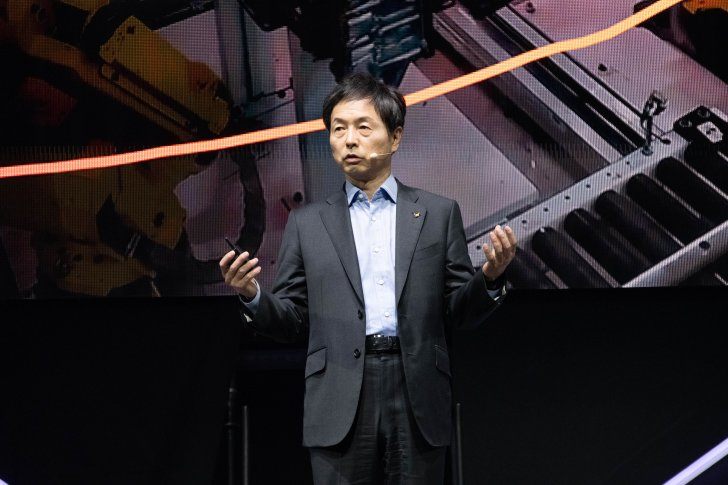
Gaon AI CEO Cho Chang-je stated that the Seoul Records Center is the core institution for establishing a Seoul-type records management system. Through this project, the company will focus on securing core data assets for AI administrative services and the digital local government, while building a high-quality records information foundation.
The core technical roadmap of the project is based on the permanent records management system (AMS) promoted by the National Archives of Korea. It will upgrade the digital archive system optimized for the Seoul-type records management system to the next-generation SDA. Specific tasks include infrastructure construction and data conversion, as well as implementing an automated system for receiving permanent records and establishing a foundation for the long-term preservation of records, thereby advancing a comprehensive upgrade of Seoul's records management system.
According to Gaon AI, the upgraded system will enable the stable reception, preservation, and utilization of records transferred from various electronic records production systems. It will not only handle electronic records but also establish a foundation for the integrated management of various types of records, including administrative information datasets, web records, and multimedia.
In terms of ensuring the authenticity and validity of records, the system strengthens automation and linkage functions such as verification of electronic records transfer specifications, integrity verification, and electronic signature verification. By applying large-scale records processing technology, the accuracy and efficiency of reception operations are improved. Additionally, automation technology is introduced into core tasks such as records classification, registration, and metadata management, aiming to enhance records management quality and reduce operational burdens.
For long-term preservation, the system adopts the National Archives' public standard long-term preservation format (NEO3), establishing a systematic and stable preservation system for important records and systematically managing the lifecycle of records held by the Seoul Records Center. Furthermore, plans are in place to strengthen user and access rights management functions, improve access control for non-public records, and ensure the security and management efficiency of records information.
Song Young-hyun, Head of the Records Management Business Division at Gaon AI, stated that the project is being implemented in a consortium with Korea Document Information Technology (한국문헌정보기술), a specialist in records management systems and archive system construction. The company will leverage its unique patented records management technologies and large-scale records transfer and preservation technologies to realize the next-generation digital archive environment.
This article is compiled by Wedoany. All AI citations must indicate the source as "Wedoany". If there is any infringement or other issues, please notify us promptly, and we will modify or delete it accordingly. Email: news@wedoany.com