Commercial and Industrial Energy Storage Starts with the Load Profile
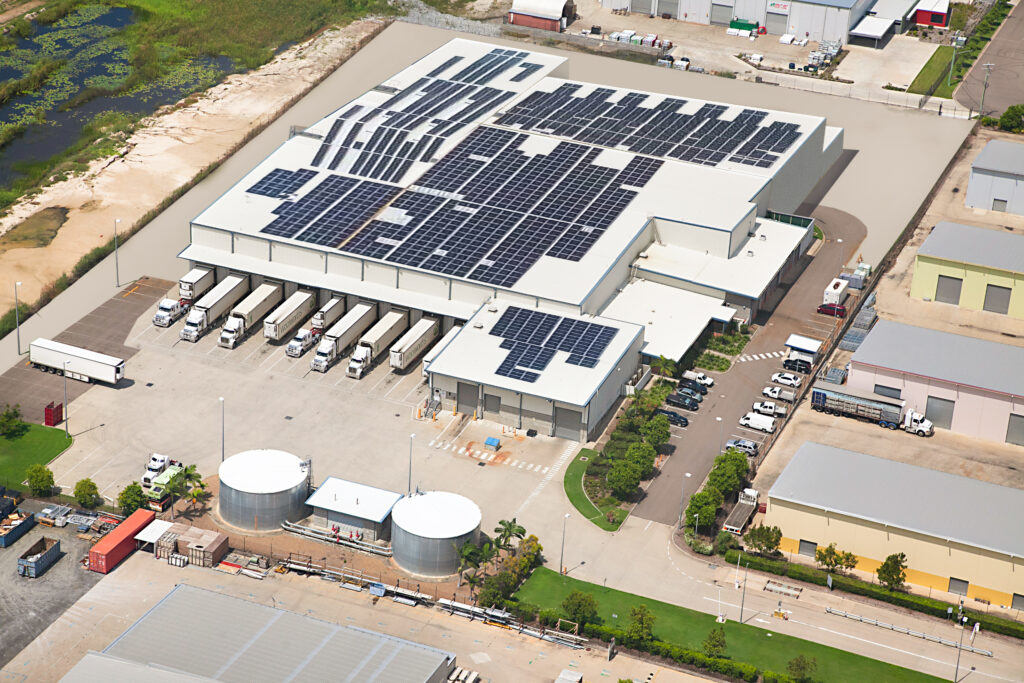
en.Wedoany.com Reported - Behind-the-meter battery systems are increasingly used in factories, industrial parks, logistics centers, commercial buildings, and data infrastructure. Their potential functions include peak-demand reduction, time-of-use optimization, photovoltaic self-consumption, distribution-capacity support, and short-duration backup power.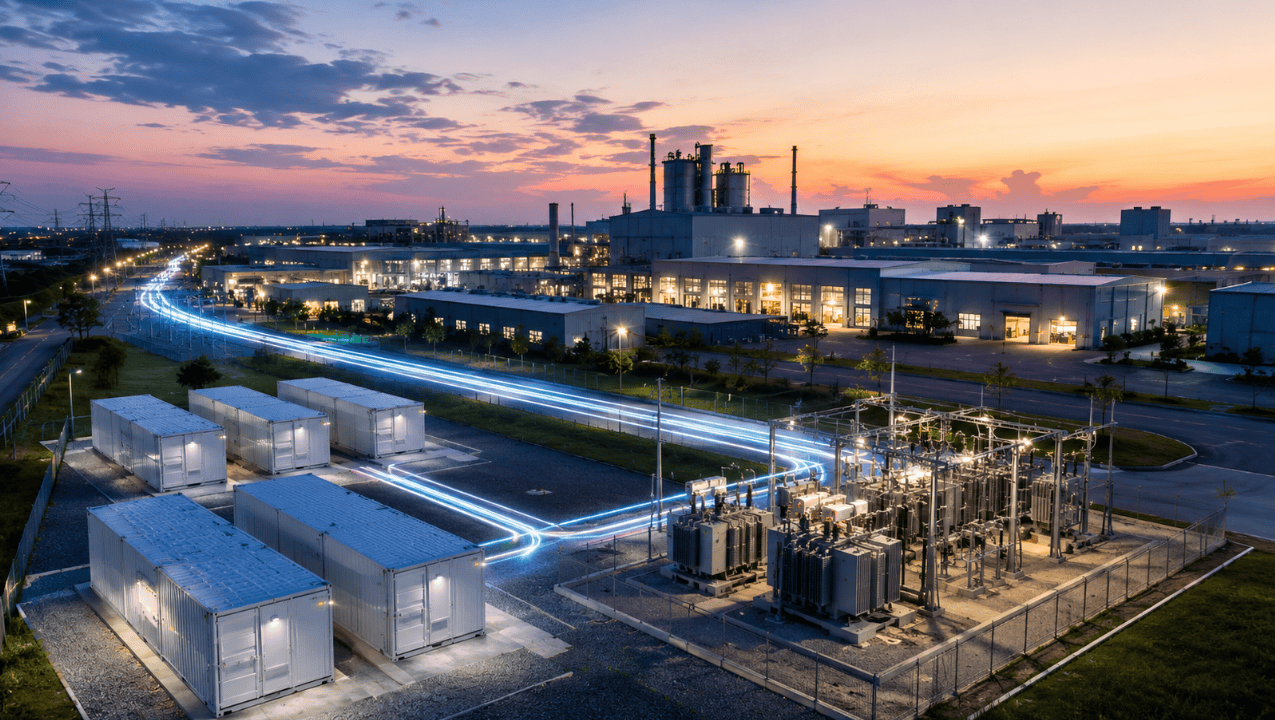
Commercial and Industrial Energy Storage should be sized according to the facility's actual load profile rather than a simple ratio between battery capacity and transformer rating.
Peak shaving requires the battery to discharge when site demand approaches a defined limit. The objective is to reduce the highest power imported from the grid during the billing period.
Battery power and battery energy perform different functions. Power capacity determines how much of the peak can be reduced, while energy capacity determines how long the reduction can be maintained.
A short motor-starting peak may require high power but relatively little stored energy. A production peak lasting several hours requires substantially more energy even when the required discharge power is moderate.
Facilities should also distinguish between predictable and unexpected peaks. Scheduled chillers, compressors, furnaces, and production lines can be incorporated into a dispatch plan. Unplanned equipment operation may require additional battery reserve.
Time-of-use arbitrage and demand management can compete for the same stored energy. A battery that discharges early in response to electricity prices may not have sufficient energy remaining when the facility reaches its maximum demand.
The energy management system should therefore consider tariff structure, demand forecasts, photovoltaic output, transformer limits, production schedules, and minimum state-of-charge requirements together.
Battery degradation must also be included in the design. A system that meets the target during its first operating year may lose sufficient usable capacity to miss the required peak later in its lifecycle.
Capacity margin, controlled depth of discharge, thermal management, and future expansion provisions can help maintain performance. The project should also track actual peak reduction, round-trip efficiency, battery availability, and avoided electricity cost after commissioning.
The most successful system is not necessarily the largest battery. It is the system whose power, duration, controls, and operating reserve match the facility's real demand pattern and economic objectives.
This article is compiled by Wedoany. All AI citations must indicate the source as "Wedoany". If there is any infringement or other issues, please notify us promptly, and we will modify or delete it accordingly. Email: news@wedoany.com
Related Products
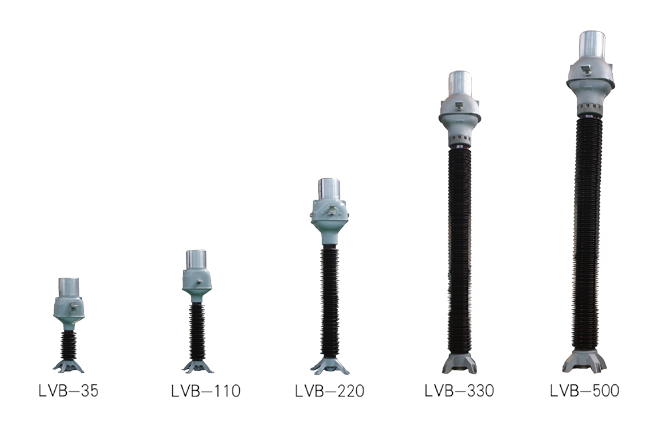

LVB Series 35-500kV Oil-immersed Inverted Current Transformer
Shandong Taikai Instrument Transformer Co., Ltd.
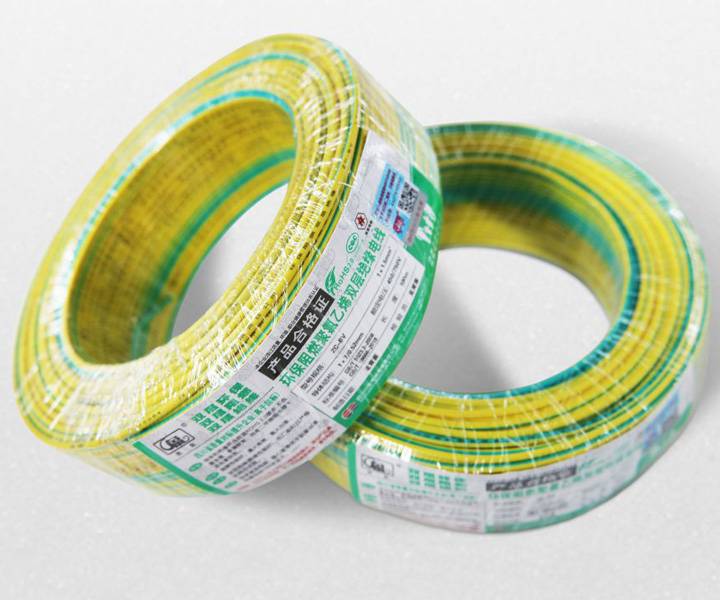
Environmentally Friendly Flame-retardant PVC Double-layer Insulated Wire
Sichuan Chndo Cable Co., Ltd.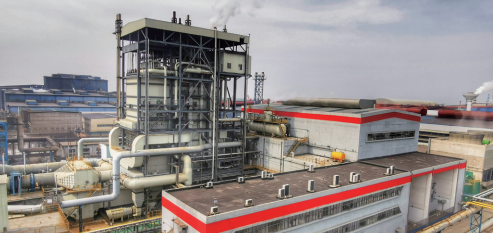
Jiujiang Pinggang 125MW Subcritical Gas Power Generation Project
Capital Engineering & Research Incorporation Limited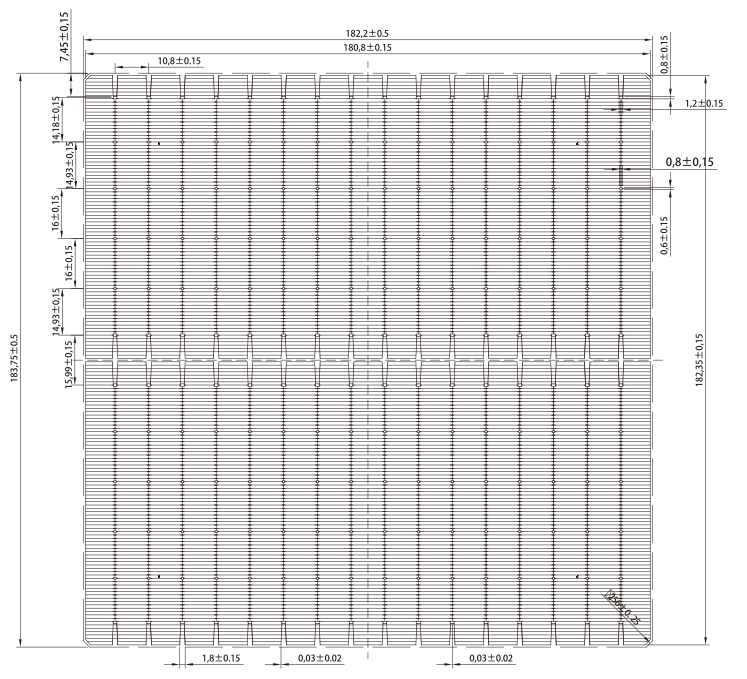

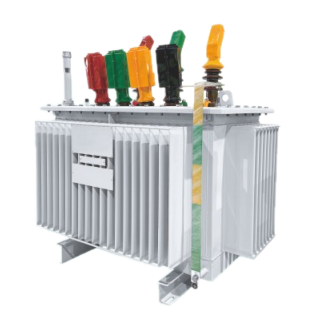
IS(B)□-M·RL Series Oil-immersed 3D Transformer (Planar / 3D Wound Core)
Guangdong Kehua Electric Power Technology Co., Ltd.